How Does The Singleton 12 Compare To Other Single Malts?

Introduction
If there was ever a book on all things whisky, it won’t be a thin edition. In fact, single malts alone deserve their own edition—a single chapter could never suffice. Just look at some of the most common questions that come up for single malts. People want to know the best option for gifting, which one works better in cocktails, and finally understand if Speyside is sweet or smoky. The answers to all these and more are here. Read ahead!

What To Expect From A Single Malt?
First and foremost, a single malt whisky isn’t a clean, neat spirit like vodka that takes on the flavour of other ingredients. No, single malts are rich and complex, with a wide range of flavours, ranging from sweet vanilla, honey, and orchard fruits to rich dried fruits, nuts, and intense coastal peat smoke.
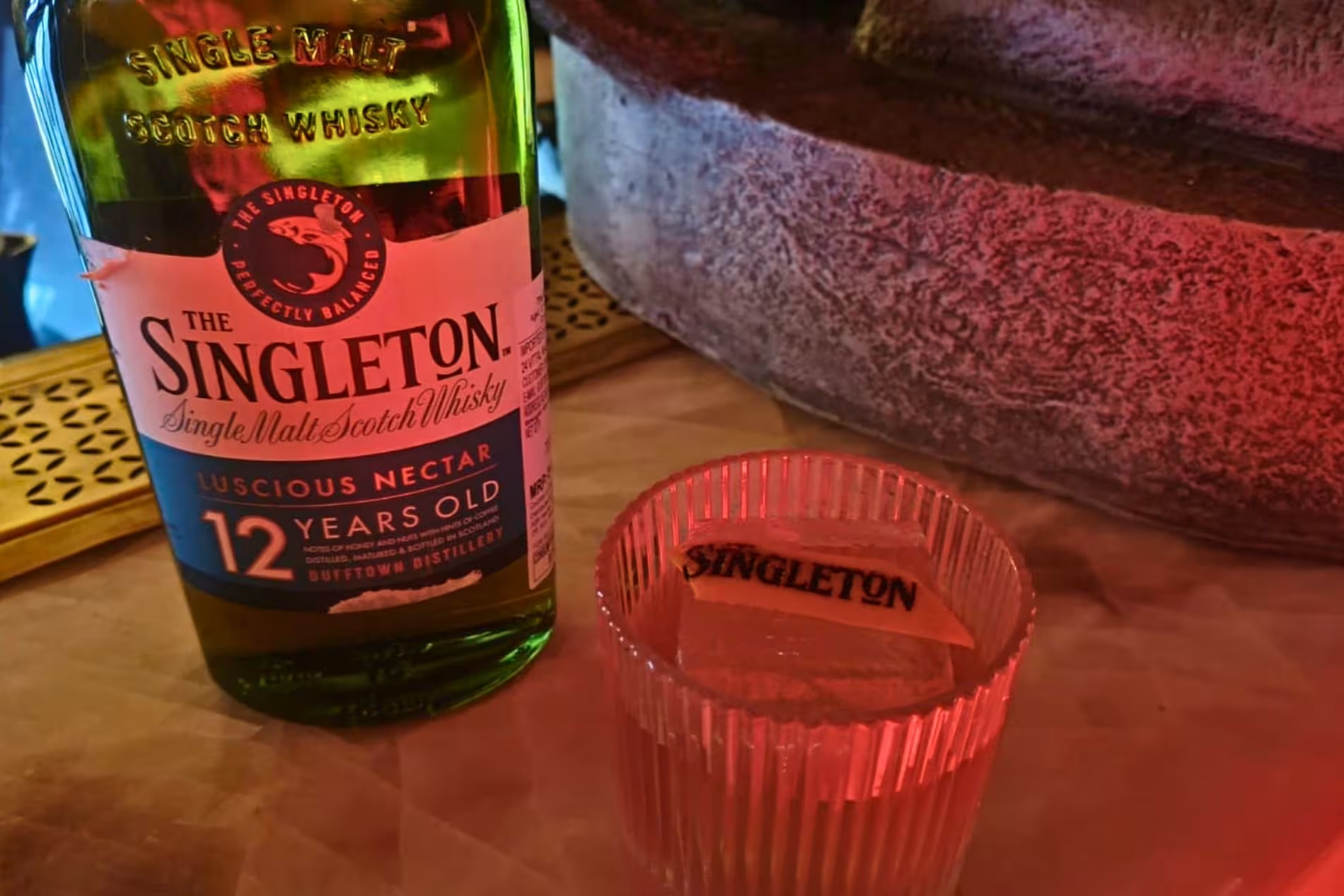
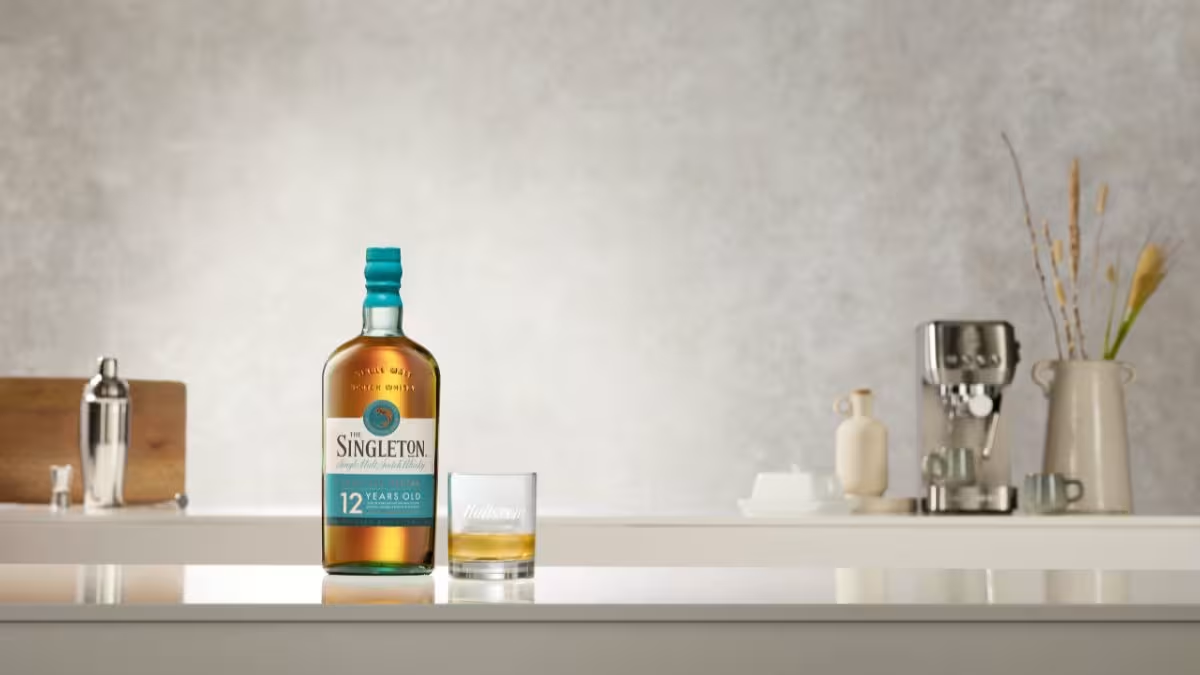
A single malt’s flavour is primarily based on its cask type, production region, and distillation. For example, for their single malt expressions, The Singleton uses a unique selection of European Oak casks that bring rich fruit aromas and American Oak casks that release honeyed hints of vanilla. Let’s take a look at The Singleton 12 as an example:
Region: Speyside (one of the five primary Scottish whisky regions; others are Islay, Highland, Lowland, and Campbeltown).
Flavour Profile: Creamy maltiness, fresh orchard fruits, and a touch of honeyed sweetness, with gentle hints of spice.
Aroma and Appearance: Light aroma, with notes of fresh apple, pear, and honey. It’s bright gold with clear, warm highlights.

The Singleton 12 is often considered to be smoother and sweeter than the more intense or smoky alternatives. Here’s a detailed look at how it compares to other Speyside whiskies, as well as other types of single malt:
If you opt for fruity flavours, specifically orchard fruits, then try Speyside malts; they are renowned for their sweet and smooth profile, with distinct notes of orchard fruits (apple and pear). Speysides are broadly categorised into two styles: light, floral, and delicate or robust and sherried (with heavier notes of dried fruit).
Compared to many other Speyside malts, The Singleton 12 tends to be softer and less intense, making it a fitting introduction to the region's style. It can be served straight, or in cocktails like a Whisky Sour or Whisky Highball, where its delicate fruit notes remain noticeable.
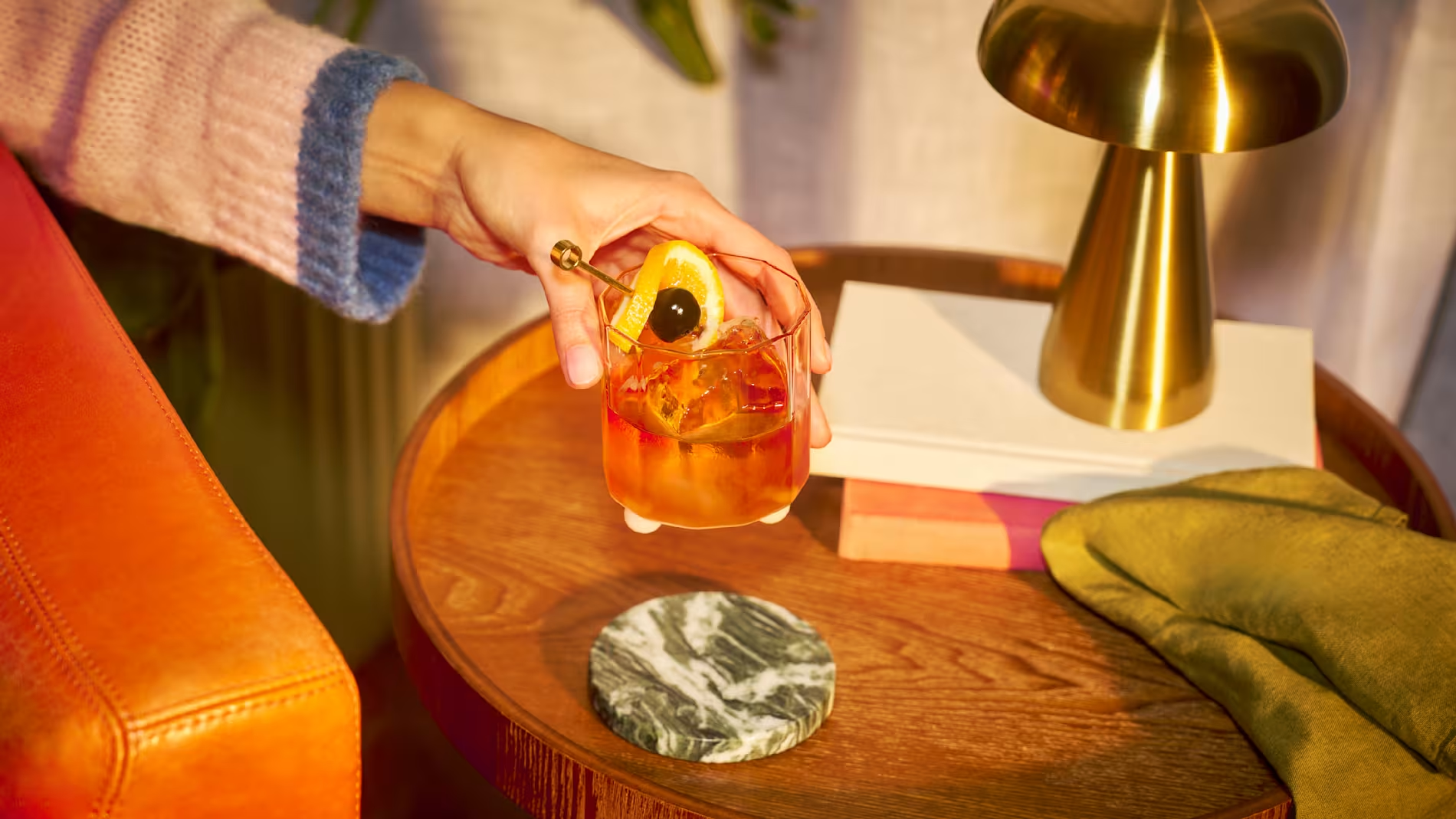
While The Singleton 12 focuses on sweet fruit, malt, and gentle oak, Islay malts are typically characterised by smoky, peaty, and maritime flavours. While not commonly used in cocktails, they add depth to certain drinks like a Smoky Old Fashioned. If you prefer a lighter, less smoky whisky, The Singleton 12 is likely to be the better choice. However, if you want to experiment with an Islay malt, you can try it with a splash of water.
Highland malts span a broad spectrum, from rich and spicy to lightly floral, depending on the distillery. You may find bartenders going for a Highland Single Malt to make cocktails like the Rusty Nail. If you are not the kind to experiment with flavours, The Singleton 12 offers a more consistent balance of fruit, sweetness, and subtle oak, making it a smoother dram.
Lowland malts are generally lighter, floral, and grassy with delicate citrus notes. If you’re making a cocktail like the Whisky Collins, this is the single malt whisky to choose. However, if you compare straight serves, without mixers, The Singleton 12 has a richer mouthfeel and more pronounced fruit and honey flavours.

How To Pick The Right Single Malt?
The answer depends on the three factors that determine almost all food and beverage choices: flavour, occasion, and budget. Here’s a simple, 3-step process to help you decide:
Start by deciding whether you prefer lighter, fruit-forward whiskies or richer, smoky expressions. If you lean towards the former, Speyside single malts, like The Singleton 12, work better.
Next, consider how you'll be drinking it. Not all single malts work well in cocktails; some can be difficult to balance with mixers or may get overshadowed by a strong, contrasting flavour.
Finally, set a budget, as prices can vary widely depending on age, maturation, and rarity. In India, state taxes also impact the final price, but most entry-level single malt whisky expressions start at around ₹3,000.
Conclusion
Whether it’s because of the many different types or the changing ways in which it’s used today, this piece proves that single malt whisky is anything but monotonous. If you’re confused between different types, go with the flavour you prefer. Because even if you’re new to single malt whisky, the flavour profiles serve as a familiar entry point.
*Drink Responsibly. This communication is for audiences above the age of 25.
FAQs:
A single malt whisky is made from 100% malted barley at a single distillery, offering a flavour profile that reflects the character of that distillery. A blended whisky combines whiskies from multiple distilleries—often mixing single malts with grain whiskies—to create a balanced, consistent flavour.
You May Also Like







Drink Responsibly. This communication is for audiences above the age of 25.

More from The Bar


Stay Inspired
Sign up to our newsletter for exclusive recipes, insider secrets and special offers - all delivered straight to your inbox.
