Single Malt Whisky: What Is It And Why Does It Command A Premium

Introduction
Single malt whisky is defined as a whisky made entirely from malted barley at one distillery using pot stills. Single malt is as much a type as it is an indicator of production method. The raw ingredients and distillation process, as well as how long the whisky has been cask-aged, all help define the flavour, feel and aroma of the whisky. How the single malt whisky has been produced determines why many single malts are considered "super premium" within the scope of all whiskies worldwide.
Here’s what you need to know about malt and single malt whisky.
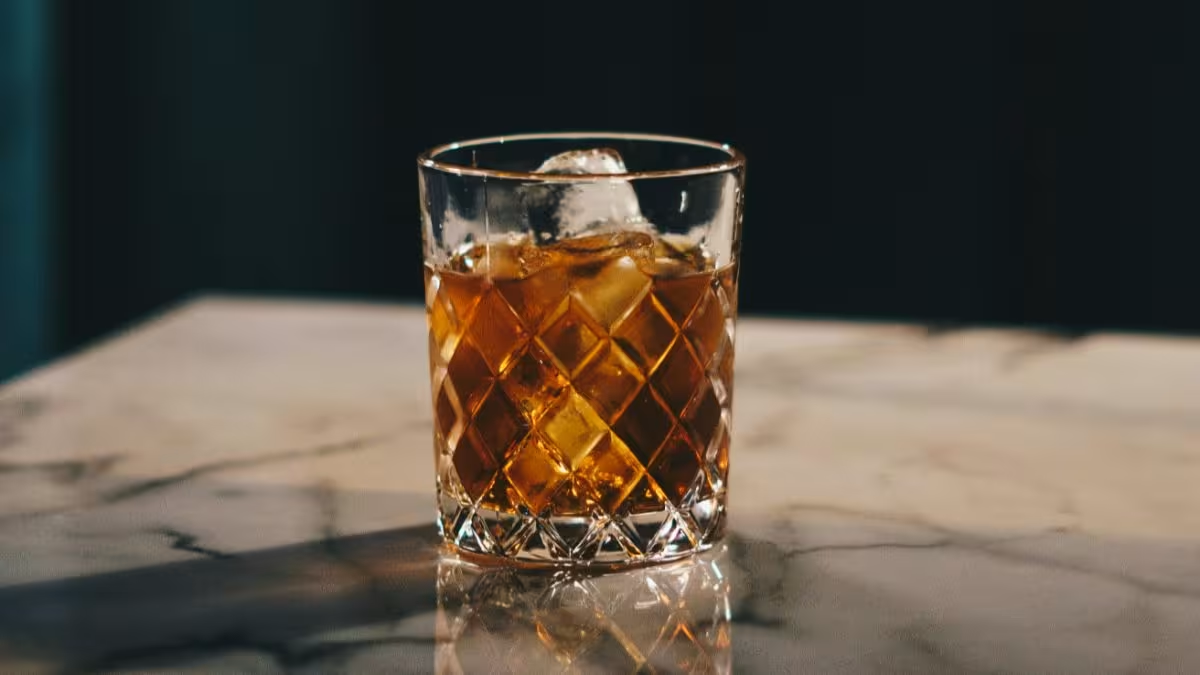
What Is Malt?
To understand what single malt means, you need to first know what malt is. Malt is made from barley that has been soaked in water and left to germinate before being dried out using heat. During this drying process, enzymes are activated, which convert starch into sugars that can ferment into alcohol once the grains have been mashed together. Malt therefore provides a lot of character (flavour) to whisky.
What Makes Single Malt Whisky Different?
Single malt is distinguished from other styles of whisky by several characteristics:
Crafted from 100% malted barley, no other grains.
One distillery, not a mix of distilleries. The word "Single" means the whisky was made at just one distillery.
Traditionally distilled in copper pot stills
Aged in oak casks for the legal minimum period before bottling.
The flavour is a reflection of the distillery’s production style, its fermentation, the shape of the still and the choice of cask.
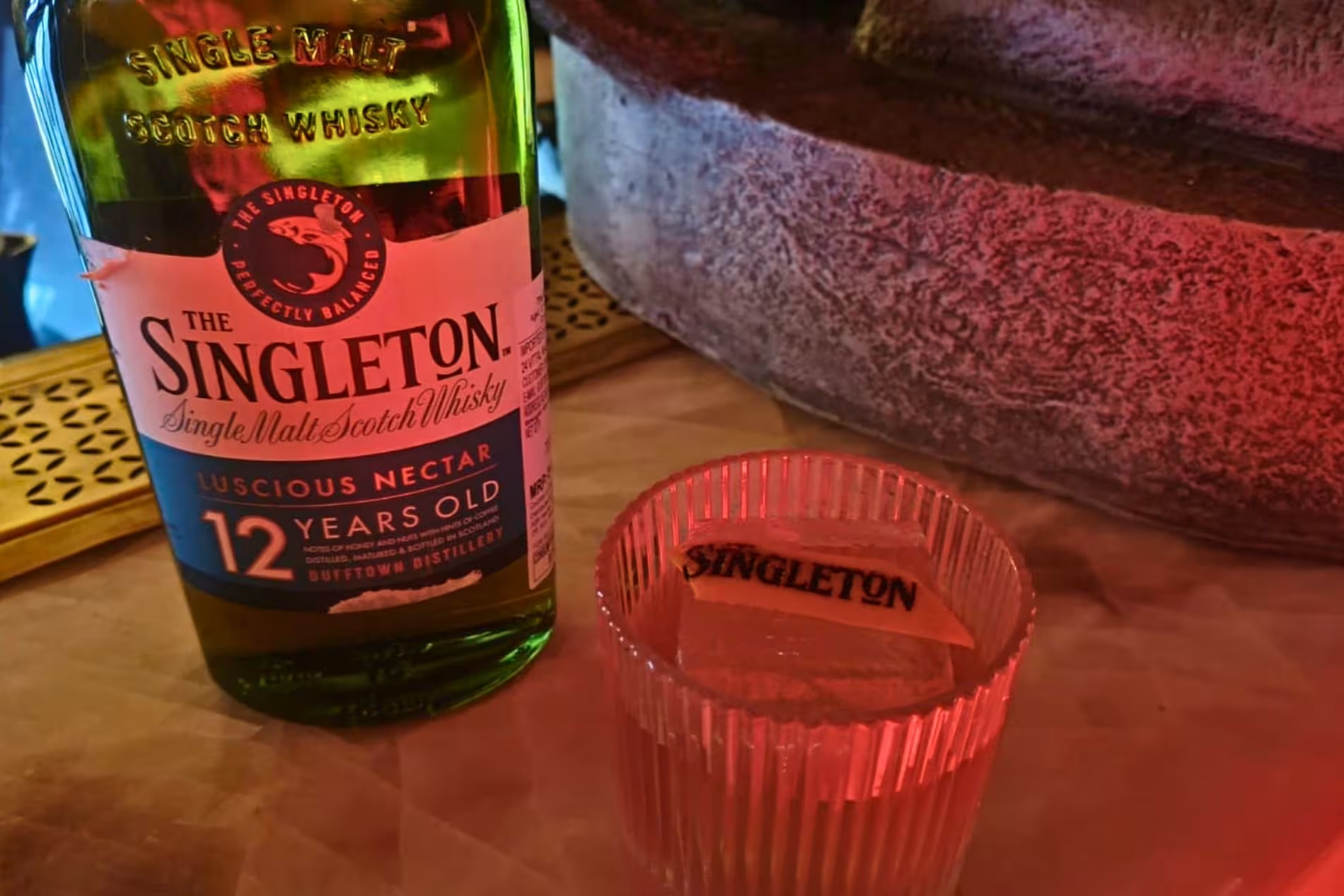
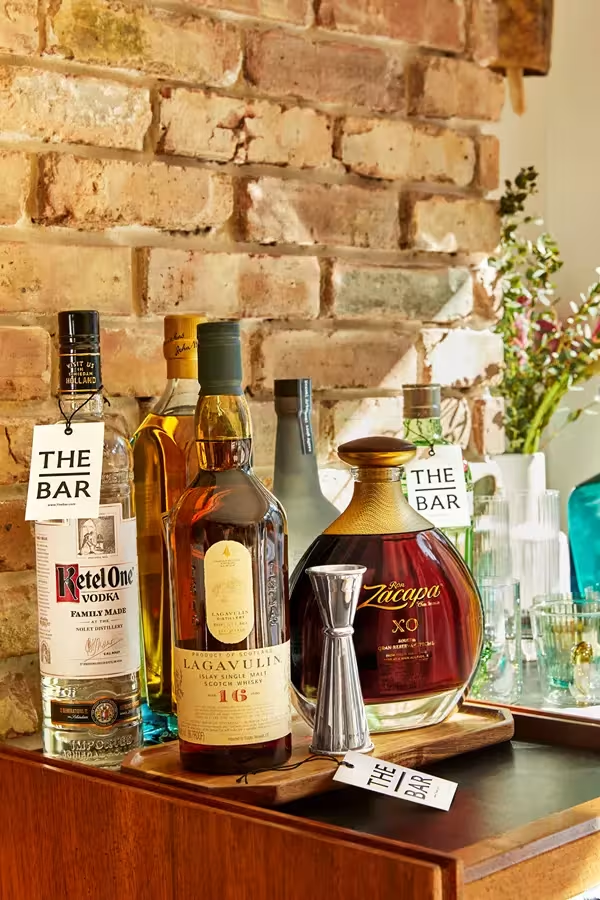
For example, Singleton makes whiskies that are known for having an orchard fruit, honey and vanilla flavour profile, whereas Talisker has a maritime, peppery/smoky taste, highlighting how different methods for producing the whisky can have an impact on the outcome of the spirit.
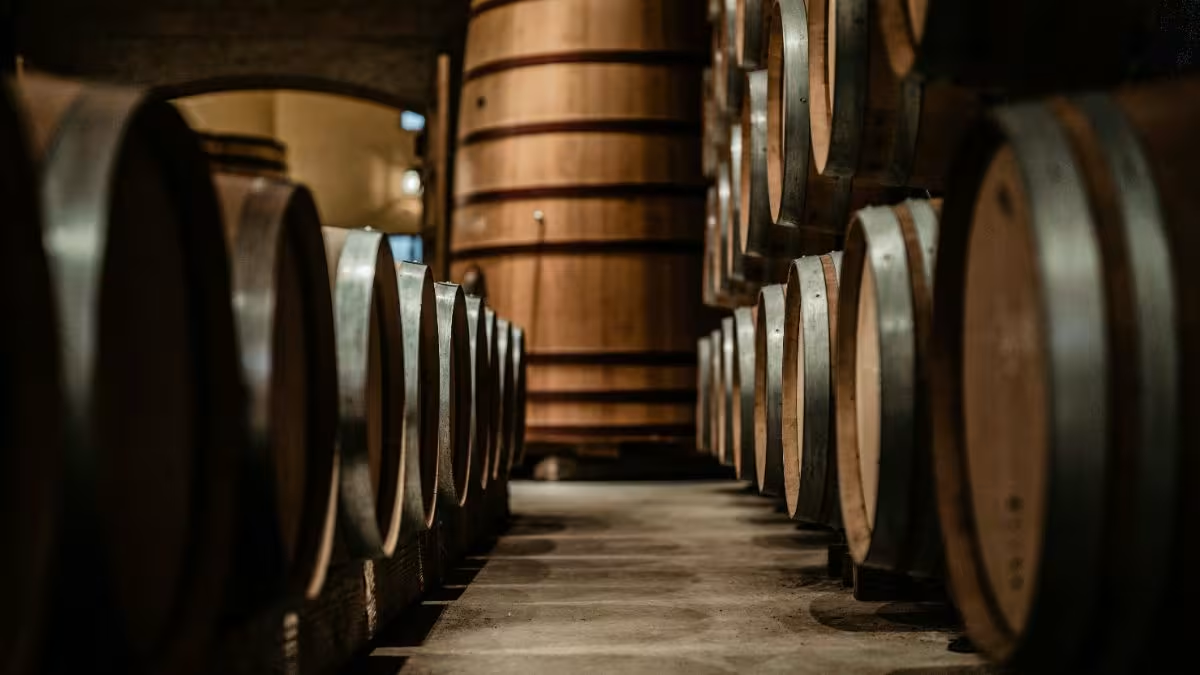
How Production And Maturation Influence Flavour
Every aspect of whisky-making affects the overall finished product.
How long the spirit is fermented will affect its flavour, as longer fermentation produces more fruity esters.
The production method will determine the texture and density of the spirit, due to different still types, shapes and sizes.
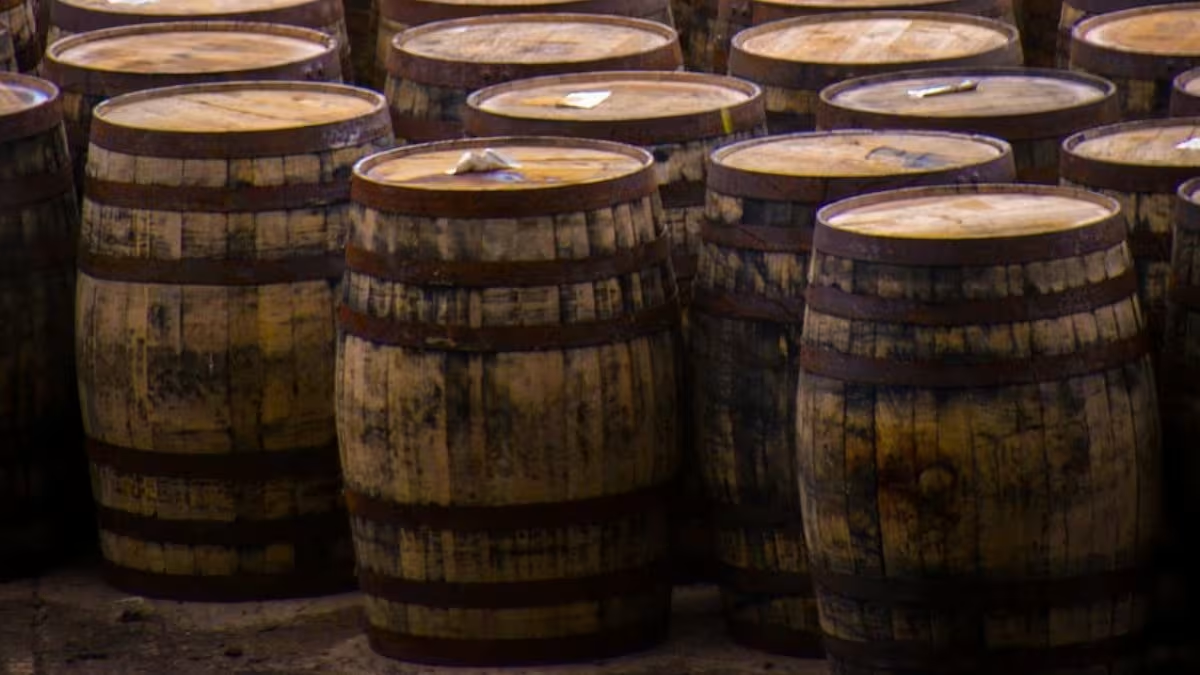
The way it’s matured will finalise how much complexity is added to every spirit because of the different cask types. For example, the use of ex-bourbon barrels will provide more vanilla, caramel, coconut and toasted oak flavours, whereas the use of ex-sherry casks will provide more dried fruit, baking spice, chocolate and nutty flavour profiles.
Years of evaporation during maturation reduce yield, making well-aged single malts comparatively rarer.
Why Does Single Malt Whisky Command A Premium?
Single malt whisky commands a premium price because it has higher production costs than most other types of whiskies. Single malt requires malted barley, copper pot distillation, extended maturation, warehouse storage, and years of inventory before release. Once it has been aged for a specific period of time, the whisky will lose volume by evaporation (called "angel's share"); around 2% of the whisky leaks out as a gas. Limited cask availability, older age statements, and specialised finishes further influence pricing. Together, these factors explain why single malt often costs more than younger or blended whisky styles.
Average Single Malt Whisky Price In India
Prices vary by expression, state taxes and retail policies, but here are ranges for common 700-750 ml single malts:
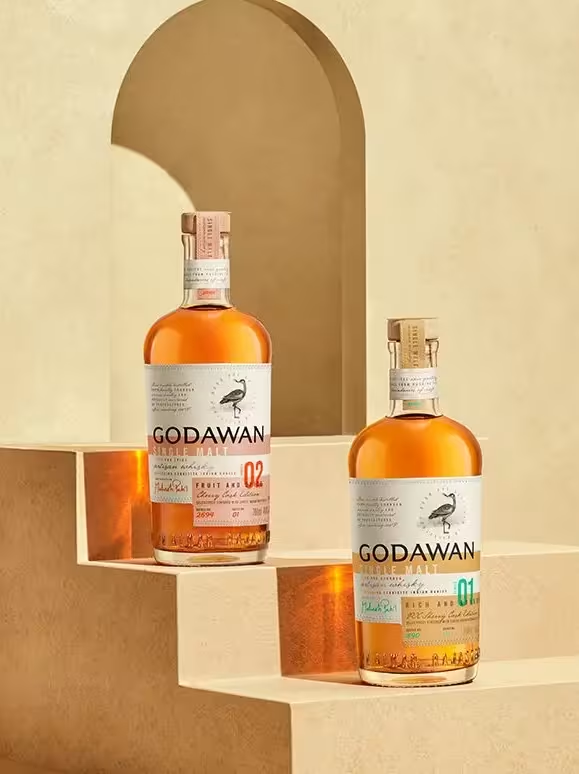
Gurgaon: 3,000 - 5,000 INR for popular entry-level Scotch and Indian single malts.
Mumbai: around 3,500 - 6,000 INR depending on the brand and the expression.
Bengaluru: around 4,000 - 6,500 INR, in line with the state pricing in Karnataka.
Conclusion
Single malt is not only the label. It is also a way for distillers to show their products are different from others. The single malt whisky is produced in a specific way, using only malted barley, made at one distillery, and aged in casks, usually longer than other whiskies. All this allows single malt whisky to command a premium.
*Drink Responsibly. This communication is for audiences above the age of 25.
FAQs:
It’s a type of whisky that can only be produced using 100% malted barley sourced from a single distillery and produced with pot stills. It refers to a production method rather than a quality indicator.
You May Also Like




Drink Responsibly. This communication is for audiences above the age of 25.
Yash Lakhan


More from The Bar


Stay Inspired
Sign up to our newsletter for exclusive recipes, insider secrets and special offers - all delivered straight to your inbox.
