Choosing Single Malts For Beginners: Key Types And Important Tips
Introduction
From the street-side chaat to the exotic desserts, every dish and drink that lands in front of you has to fulfil one basic criterion – it should match your taste preferences. The same logic applies to the world of single malt whiskies. Single malt, a rich, complex spirit shaped by malted barley and cask ageing, offers distinct flavour notes. If you’re new to this world, you need to understand the various flavours and find out the one you prefer. Dive in to know more.

How To Choose Single Malts: Understanding The Label
A bottle of single malt whisky isn’t just a container. It’s an education in a label. Here’s what to look for:
Single Malt: It means the liquid is made from 100% malted barley at one single distillery. This separates single malt from other whisky types (bourbon, blended, etc.)
Age Statement: Shows the number of years the youngest whisky in the bottle spent ageing in oak casks.
ABV (Alcohol by Volume): Tells you the strength of the spirit, typically ranging from 40% up to cask strength bounds.
Regions and Flavours: This has multiple variations, most within Scotland. The three most common ones are -
Speyside: Known for sweet, fruity, and floral profiles.
Islay: Famous for bold, smoky, and peaty characteristics.
Highlands: Offers a wide range from rich and nutty to spicy tones.
Non-chill filtered: Indicates natural fats and oils were left intact for a richer mouthfeel.
Natural colour: Confirms the hue comes entirely from the wood cask rather than added caramel colouring.
Cask finish: Shows extra time spent in a secondary barrel (like Sherry or Port) to add specific flavours.

Single Malt For Beginners
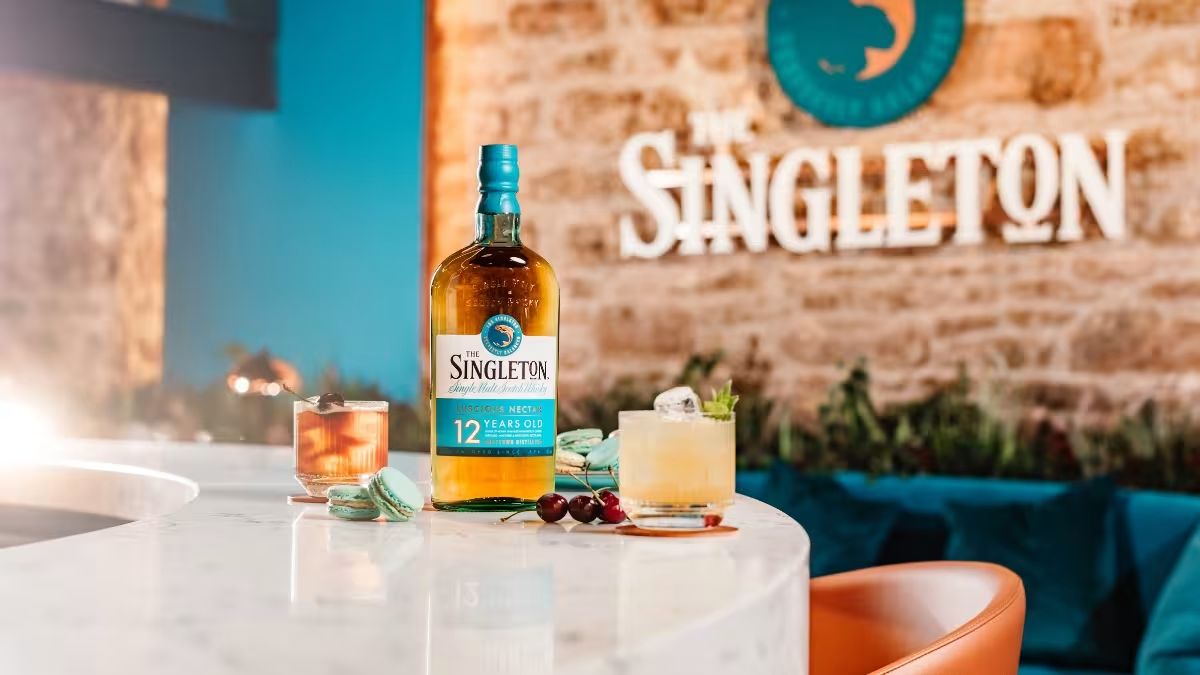
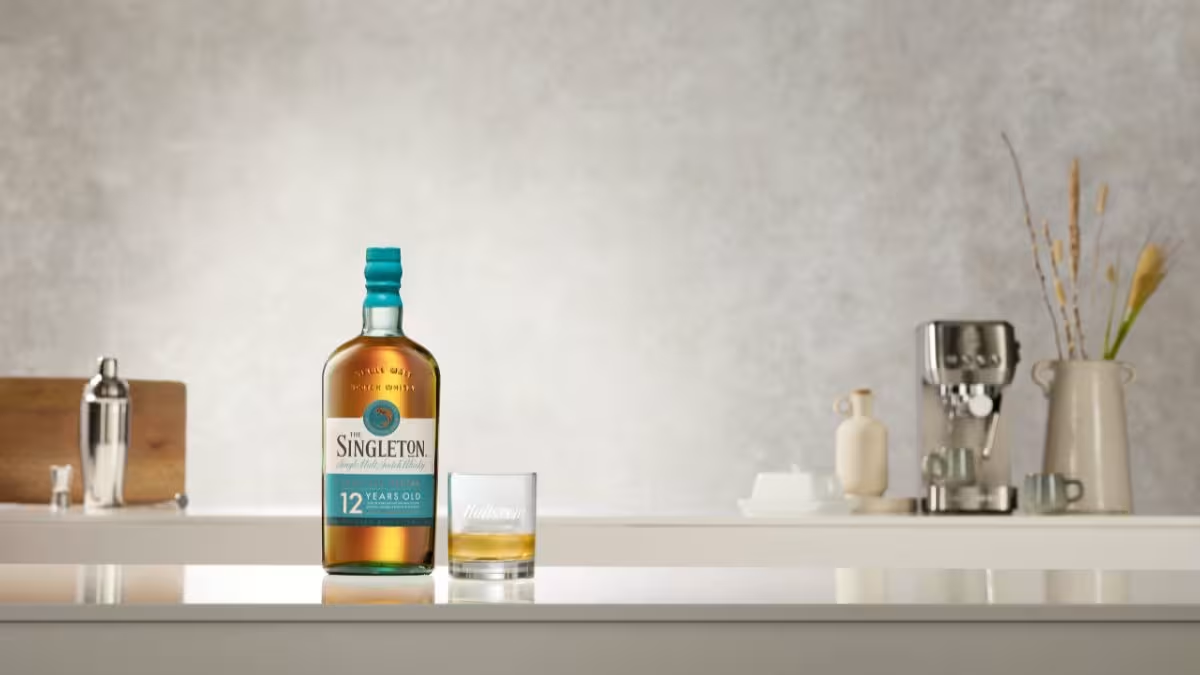
As beginners, smooth, unpeated expressions characterised by sweet and fruity notes can make for a good entry point. Typically, Speyside single malts fit the bill. If you consider an expression like The Singleton 12, for example, then here’s what you can expect:
Region(s): The Singleton 12-year-old single malt Scotch whisky is produced across three distinct regional expressions—Dufftown, Glen Ord, and Glendullan—all originating from the broader Speyside and Highland whisky regions of Scotland.
Flavour Profile: Smooth and well-rounded, offering creamy malt, fresh orchard fruits, and a touch of toffee sweetness, balanced by subtle spice.
Aroma: Light, with notes of fresh apple, pear, and honey, layered with soft vanilla and gentle malt sweetness.
Appearance: Bright gold with clear, warm highlights.
Serving Style: You can serve it neat, over ice, or in a cocktail, depending on your preference.
If you want to experiment further, you can consider these Speyside single malt whiskies:
Singleton 15-Year-Old: Features ripe orchard fruits, honeyed richness, and soft spice, layered with notes of toasted nuts and gentle oak. This whisky is rounded and complex.
Singleton 18-Year-Old: Delivers a whisky that is rich, smooth, and structured. You can expect creamy maltiness, baked orchard fruits, and gentle spice, with hints of dried fruit and toasted nuts.

Tips For Tasting Single Malt For Beginners
Here are a few tips that can guide you if you’re considering a single malt whisky tasting:
Choose the right glass: Aroma also defines the overall perception of flavour. To concentrate the aromas towards your nose, opt for a tapering tulip-shaped glass.
Observe the colour: Hold the glass to the light to observe the colour, noting that shades of gold or amber hint at the type of oak barrel used.
Take short sniffs: Do not stick your nose deep inside the glass right away; take two or three short, gentle sniffs as your senses adjust.
Find basic scents: Look for simple notes like vanilla, fruit, or light spice instead of trying to name everything at once.
Add water: A few drops of room-temperature water open up the aromas and balance the strength of the alcohol.
Try it over ice: Chilling the liquid slightly tones down the ethanol burn.
Avoid peated styles: As a beginner, steer clear of regions like Islay, as they exhibit campfire smoke and medicinal flavours.
Stick to your budget: Single malt whisky prices in India range widely from roughly ₹2,500 to over ₹10,000 for a 750ml bottle, depending heavily on state taxes and whether the brand is Indian or imported. The cost of a 12-year-old single malt like The Singleton 12 in India ranges from ₹3,300 to ₹6,600, differing as per state taxes.
Conclusion
Single malt whiskies require careful observation, starting from the colour and aroma to the sip and serve. As a beginner, it can be a good strategy to get familiar with the basic terms and regions, identify (and stick to) a budget, and be open to new flavours. The idea is not to dive into the deep end at the first sip, but rather, take your time and treat single malts with curiosity and care.
*Drink Responsibly. This communication is for audiences above the age of 25.
FAQs:
The price of Singleton 12 varies across states because of differences in taxes and excise duties. A 750 ml bottle typically retails between ₹3,000 and ₹6,000 in India, depending on the location.
You May Also Like







Drink Responsibly. This communication is for audiences above the age of 25.

More from The Bar


Stay Inspired
Sign up to our newsletter for exclusive recipes, insider secrets and special offers - all delivered straight to your inbox.
