5 Cocktail Bitters Worth Trying With Your Favourite Single Malt
Introduction
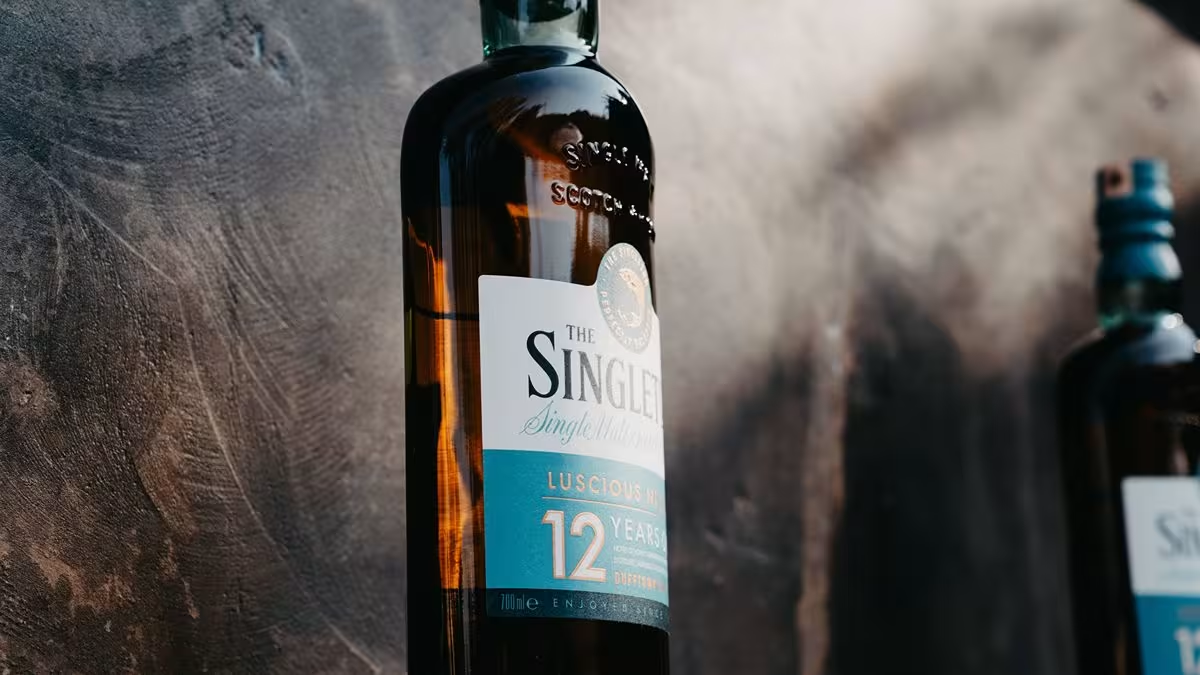
Cocktail bitters have a useful little trick: a very small amount can redirect the flavour of a whisky cocktail without masking its base. Combining bitters with single malt whisky opens plenty of possibilities. The right bitters can pick up the basic flavour notes in a whisky while adding warm spice, bright orange or deeper nutty character.
Brand references are indicative and can be changed as per preference.
Why Bitters Work With Single Malt
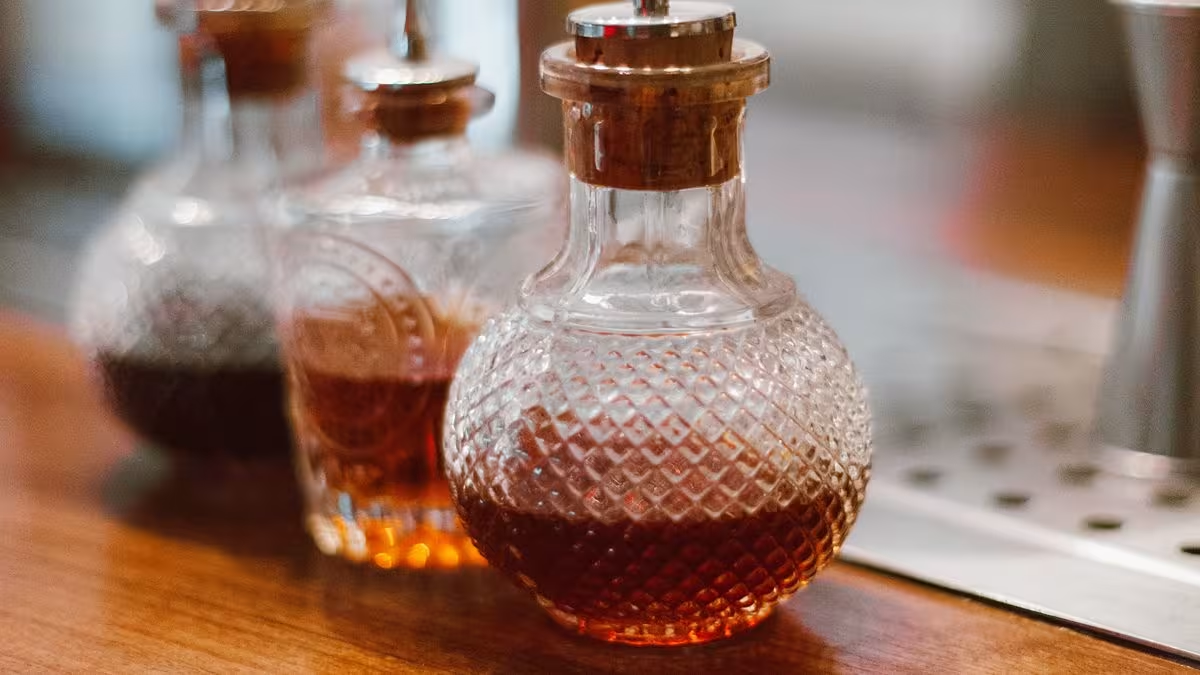
Bitters are concentrated liquid flavour extracts made by infusing herbs, barks, roots, and spices into a high-proof alcohol or glycerin base. Since they are highly concentrated, even a small amount can impact a cocktail’s taste significantly. When combined with single malts, like The Singleton 12, bitters are particularly fascinating. The whisky already has a complex flavour profile that includes fruity, spicy, vanilla, oaky, sweet, and dried fruit notes. Bitters bring out these layers, while also balancing the spirit’s intensity.
The beauty of bitters is in their precision. Rather than adding several competing ingredients, one well-chosen bitter can give a drink a clear flavour direction while allowing the whisky to remain recognisable.
5 Cocktail Bitters That Bring Out The Best In Single Malts
Aromatic bitters consist of highly concentrated flavours of herbs, spices, and fruits, with both clove and cinnamon adding nuance to the mix. This is why aromatic bitters suit whisky well, lending the drink a familiar spicy backbone.
One of the most popular whisky beverages to feature aromatic bitters is the Horse's Neck cocktail. This drink combines whisky with aromatic bitters, ginger beer, and lemon juice to allow the bitters to add flavour to the beverage. The other popular drink employing aromatic bitters is the Whisky Sour cocktail. Although the inclusion of bitters in a Whisky Sour cocktail is optional, the spiced character that follows contrasts with the lemon and sweetness in the drink to add an additional layer of flavour.
Orange bitters have a brighter aroma of citrus zest and notes of spice. They are perfect for adding acidity to your whisky cocktail without adding any richness. Take, for example, the Singleton 12 Manhattan cocktail, which combines sweet vermouth with single malt whisky and orange bitters.
The orange bitters give an appealing aroma of citrus zest to the sweet vermouth while allowing the whisky to remain in the foreground. Orange bitters can also be used in the well-known Blinker cocktail with bourbon, grapefruit, and grenadine, giving the mixture an interesting fruity flavour with a bright citrus twist.
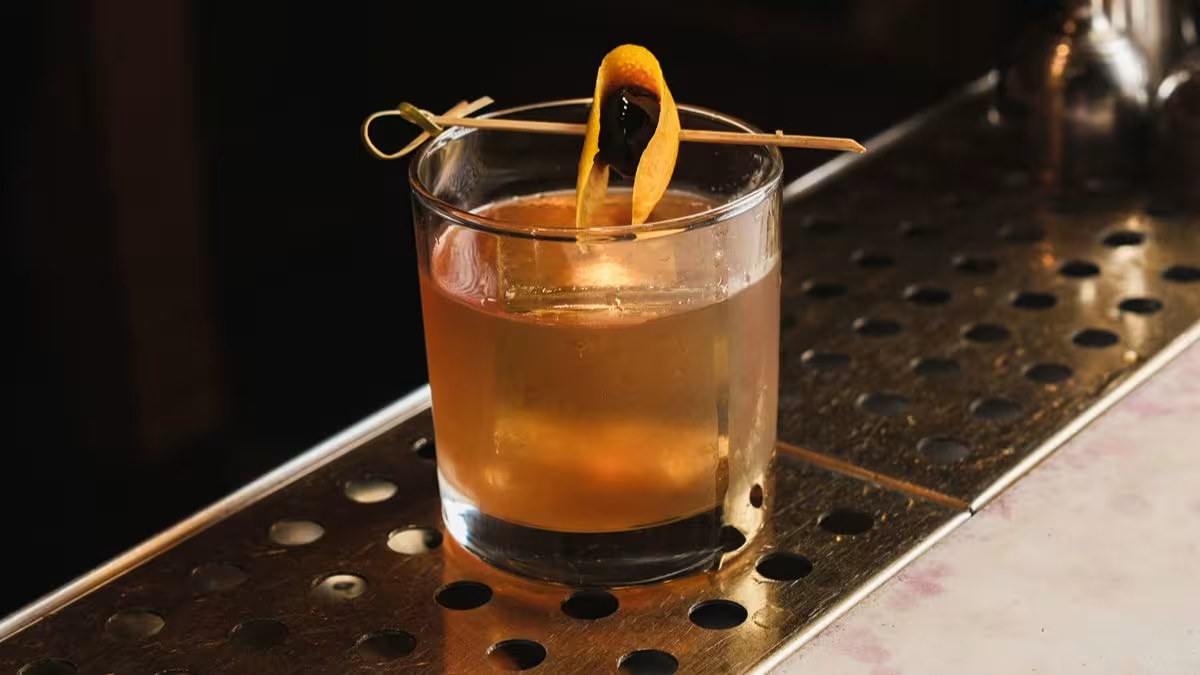
Walnut bitters infuse cocktails with an earthy flavour that can be used particularly well in drinks that showcase prominent whisky flavours like vanilla, oak, dried fruits, and brown sugar. Moreover, walnut bitters do not necessarily impart sweetness.
One of the simple uses of walnut bitters is in the Walnut Old Fashioned cocktail, a drink containing whisky and sugar syrup. The nutty flavour complements the whisky notes, making this style particularly suited to a spirit-led serve.
Cocoa bitters take whisky cocktails toward darker flavours thanks to their bitter chocolate, cocoa, caramel, and spicy aromas. They work quite well in beverages with vanilla, oak, dried fruits, and coffee notes.
The Aberdeen Flip cocktail, an established whisky drink, contains chocolate bitters, whisky, oloroso sherry, honeyed spice syrup, and black cherry jam. The bitters complement the drink's chocolatey flavour while going well with fruit and spices. The Monte Carlo cocktail is another drink that contains rye whisky and herbal liqueur, and is complemented by bitters, where you can experiment with either cocoa bitters or orange bitters.
Grapefruit bitters bring a flavour of sour citrus, with their distinct tart and bitter note that helps in making whisky cocktails less sweet. The Grapefruit Whisky Sour cocktail illustrates the concept by using blended Scotch, grapefruit bitters, lemon juice, syrup and egg white. The inclusion of grapefruit bitters is essential for a citrus touch, and the addition of lemon juice keeps the drink fresh.
Choosing The Right Bitters
For classic spice: Aromatic bitters
For citrus-led brightness: Orange bitters
For roasted nuttiness: Walnut bitters
For dark, chocolatey depth: Cocoa bitters
For tart notes: Grapefruit bitters
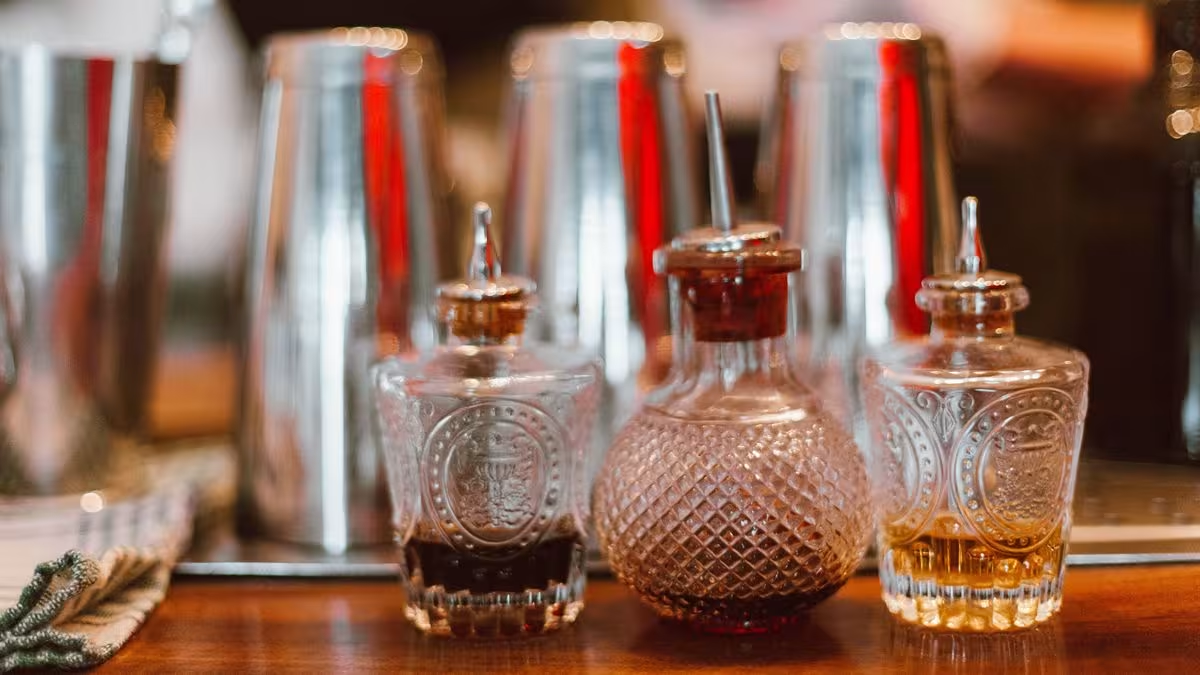
With single malt, the most useful approach is to decide which existing flavour you want to emphasise, then choose a bitters style that supports it.
Conclusion
Cocktail bitters allow the creation of a wide variety of flavours in whisky drinks. They may come in the smallest bottle found on the bar, but their significance is huge. Just a small amount can add spice, citrus, herbal, bitterness, or nutty notes to the mix, thus changing the taste and finish of the drink. They are not just added for aesthetics; they are concentrated flavour agents that balance the overall profile of a beverage.
*Drink Responsibly. This communication is for audiences above the age of 25.
FAQs:
Cocktail bitters provide additional flavour to whisky cocktails to accentuate some particular notes like spices, fruits, nuts or oak.
You May Also Like





Drink Responsibly. This communication is for audiences above the age of 25.
Yash Lakhan


More from The Bar


Stay Inspired
Sign up to our newsletter for exclusive recipes, insider secrets and special offers - all delivered straight to your inbox.
