World Environment Day: Why Reusing Ingredients Matters In Modern Kitchens

Introduction
World Environment Day conversations are increasingly focused on how kitchens and hosting setups can reduce waste by using and reusing ingredients in smart ways. Instead of buying the same items separately for every dish and cocktail, home hosts, cafes, and restaurants are using produce, herbs, peels, and even syrups in more than one way. For example, the flesh of a pineapple might go from being used as a grilled topping to being used in a cordial. Americano, from Mumbai, does the same with its pineapple – using it on pizza and to create an in-house cordial. Similarly, citrus peels can be used to create flavour in a spirit and a dessert. Leftover herbs can also be used to make infused syrups and savoury oils. These practices allow for a more intentional approach to planning food and beverages.
With food waste being one of the largest contributors to global waste generated from households, it is increasingly important to discuss how to reuse these ingredients, especially for World Environment Day 2026.

Citrus Peels That Extend Beyond Garnish
While most fruit and vegetable parts can be reused, citrus fruits are one of the most versatile ingredients for hosting sustainably because just about any part of the fruit can be reused. In many cases, the lemon and orange peels are dried out to make seasoning salts, infused into syrups to create cocktails, enhance the aroma of any food or drink, and even introduce bitterness to spirit-based cocktails through the oils that the peel releases when twisted.
Orange peels are commonly used as garnish in an Old Fashioned cocktail and are twisted to release the oils to create sharpness in contrast to the vanilla and spice characteristics of whisky. The orange peels can also be boiled in honey and water to use as a glaze on vegetables or in desserts after being used in the Old Fashioned cocktail. Similarly, lemon peels can be used for gin infusion into salad dressings or compound butter. These examples clearly showcase how one ingredient can be used in multiple applications without becoming dull.
Pineapple As A Multi-Layered Ingredient
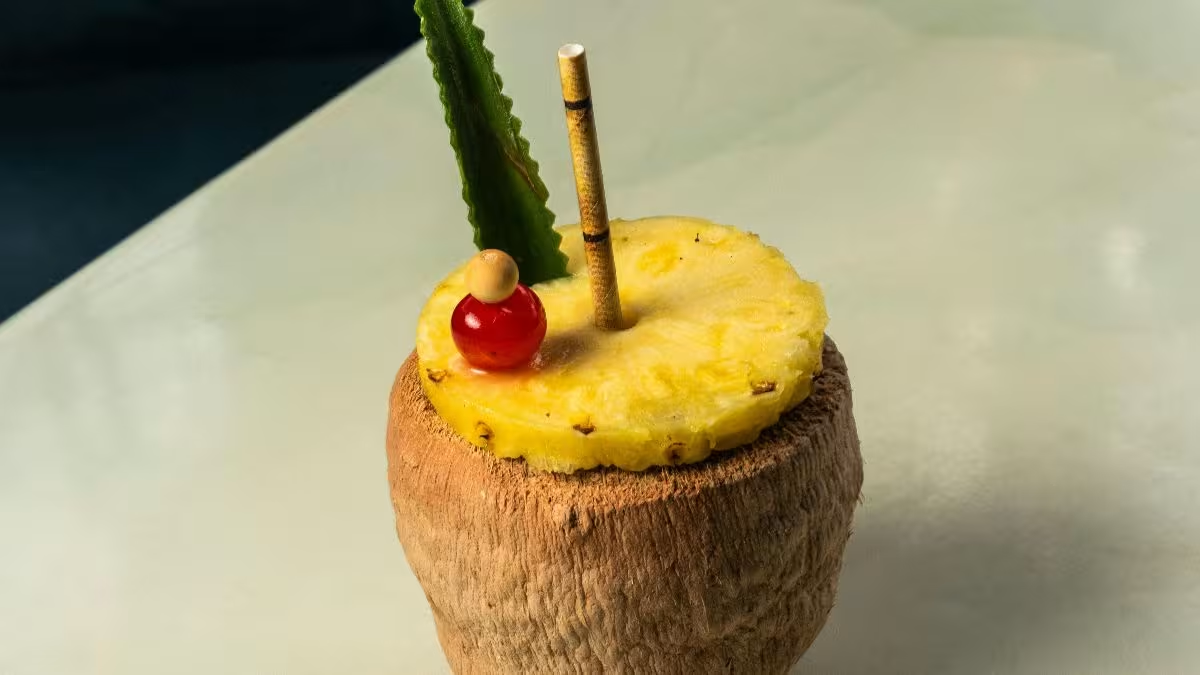
Pineapple is often referred to as a multi-layered ingredient, especially in light of World Environment Day. Not only does it have several different culinary uses based on the flesh, core and skin of the fruit, but also all three parts of the fruit can be used as a unique ingredient and flavour provider in a variety of different applications. For example, using the core to create a cordial that has subtle acidity and depth.
For cocktails, pineapple cordial pairs particularly well with both tequila and rum cocktails. The sweetness of the pineapple balances out the agave spice from the tequila, as well as the molasses undertone in the rum. The cordial can be used as a glaze for roasted vegetables or as a flavour component in dessert sauces. By using the whole fruit, hosts generate greater levels of continuity between the food and beverage menu, as well as avoid excess waste.
Herbs That Move Between Food And Drinks
Fresh herbs are often available in bunches larger than what recipes require. Sustainable kitchen design focuses on ways to create a seamless use of herbs across both food and drink. Some of the best examples of this are mint, basil, rosemary, and thyme; all four of these herbs will work just as well in cooking as they will in cocktail infusions.
For example, pudina (mint) stems that would normally be thrown away can be steeped in a simple syrup to create a mint-flavoured Mojito cocktail. The herbal sharpness of mint cuts the acid from the lime juice and the sweetness from the sugar. The basil leaves used in salads may be infused into tomato water or vodka, imparting green pepper-like flavour. The rosemary sprigs that season roasted vegetables can also be used to displace smoke in a glass for whisky cocktails, producing aromas of the pine tree and earthy structure.
Multi-Use Ingredient Ideas For Hosting
Here is a simple list you can use for reference to understand how a single ingredient works across multiple dishes and drinks:
Watermelon flesh for salads, coolers, and clarified cocktail mixers
Coffee grounds for tiramisu, spice rubs, and coffee-infused whisky syrups
Coconut milk for curries, frozen desserts, and tropical highballs
Ginger peels for tea infusions and spiced cocktail syrups
Cucumber trimmings for chilled soups and botanical gin mixers
Strawberry tops for shrub syrups with tart, jam-like notes

Bread, Dairy, And Pantry Staples With Secondary Uses
As environmental conversations around food have evolved into larger discussions about how one uses food in general, people have also begun to rethink many of their food items (like bread, dairy or pantry staples) from a multi-use perspective. Now, when bread is a little old or drier than usual, it can be turned into croutons and breadcrumbs or toasted as a base for appetisers rather than being thrown away. The same goes for the leftover cream from making dessert — it can be turned into savoury sauces or cocktail foam for mixology purposes.
Oats and nuts are often found in both food and drink, so one can use them in multiple ways. For example, when you make dessert with toasted almonds, you can use those almonds to flavour the orgeat syrup used to make a Mai Tai cocktail. By using foods in this way, one can cut down on food waste and have greater consistency in flavours when hosting a dinner party, because flavours will carry over from one item to the next.
Conclusion
With the continued focus of World Environment Day on food waste, it has propelled the trend toward using various elements, including peels, herbs, syrups and produce, to create more sustainable cocktails and culinary creations. Modern approaches to sustainability hosting will likely focus more on intentional ingredient lists than simply restricting the use of certain ingredients. When it comes to using garnishes, syrups, or scraps of produce, hosts are using their imagination to create multiple-layered preparations out of single ingredients.
*Drink Responsibly. This communication is for audiences above the age of 25.
FAQs:
World Environment Day often highlights the wasting of food, as many households throw out produce that could have been used for many other meals or purposes. Sustainable kitchen practices, in turn, focus on avoiding excess food waste through better planning and creative uses.
You May Also Like







Drink Responsibly. This communication is for audiences above the age of 25.
Yash Lakhan


More from The Bar




Stay Inspired
Sign up to our newsletter for exclusive recipes, insider secrets and special offers - all delivered straight to your inbox.
