What Is Korean Soju? The Viral Drink Explained And 4 Creative Soju Cocktails To Try
Introduction
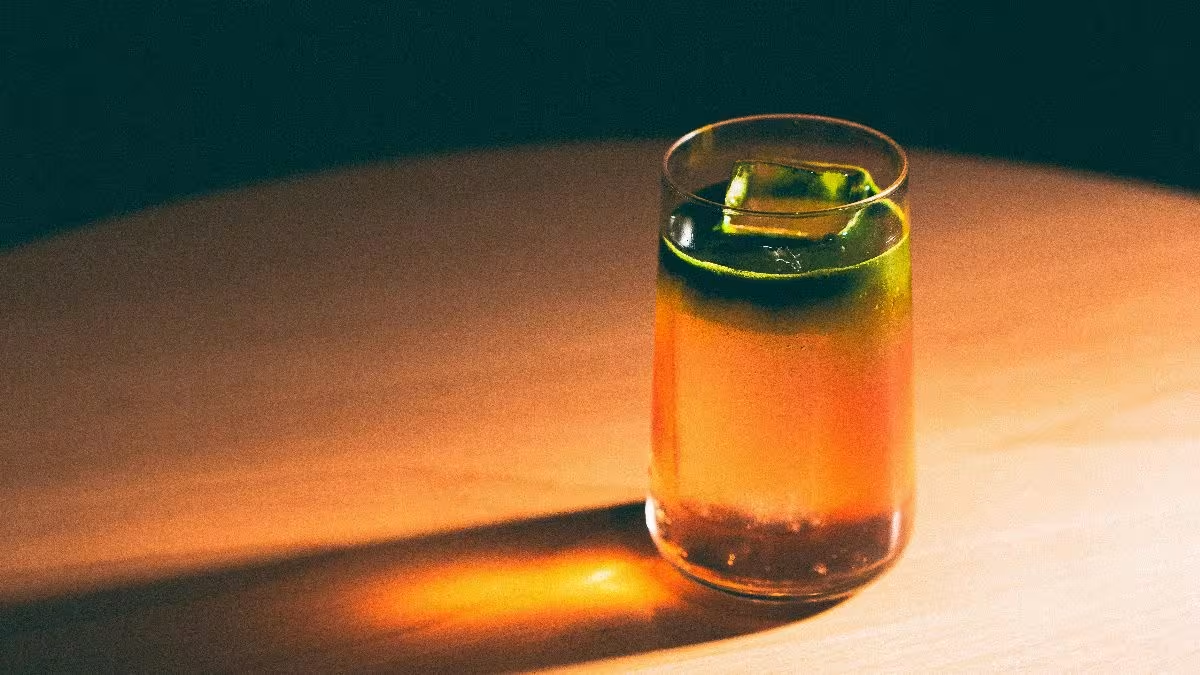
Soju drink trends are influencing how Indian home bartenders approach balance, texture, and flavour layering in cocktails. Soju was once limited to K-drama and Korean BBQ; today, however, the availability of this spirit has increased. There is a growing popularity of Korean soju in home bars as a result of the introduction of fruit-led varieties, lower alcohol varieties, and those designed for use with other ingredients (i.e., yuzu, kimchi brine, sesame, and sparkling mixers). As the popularity of Korean cuisine in India continues to grow, so does the interest in Korean soju cocktails with street food-style flavours that are balanced in savoury depth, acidity, and aromatic contrast.
What Makes Korean Soju Different From Other Spirits?
Korean soju is traditionally produced from rice; however, there are also modern-day commercial variants of soju produced with sweet potatoes, tapioca, and barley. In comparison with vodka, Korean soju is typically lower in alcohol content, with a softer and lighter texture, making it very adaptable in cocktails.
One reason the soju drink format has expanded globally is its flexibility. Bartenders use it in:
Citrus-forward highballs
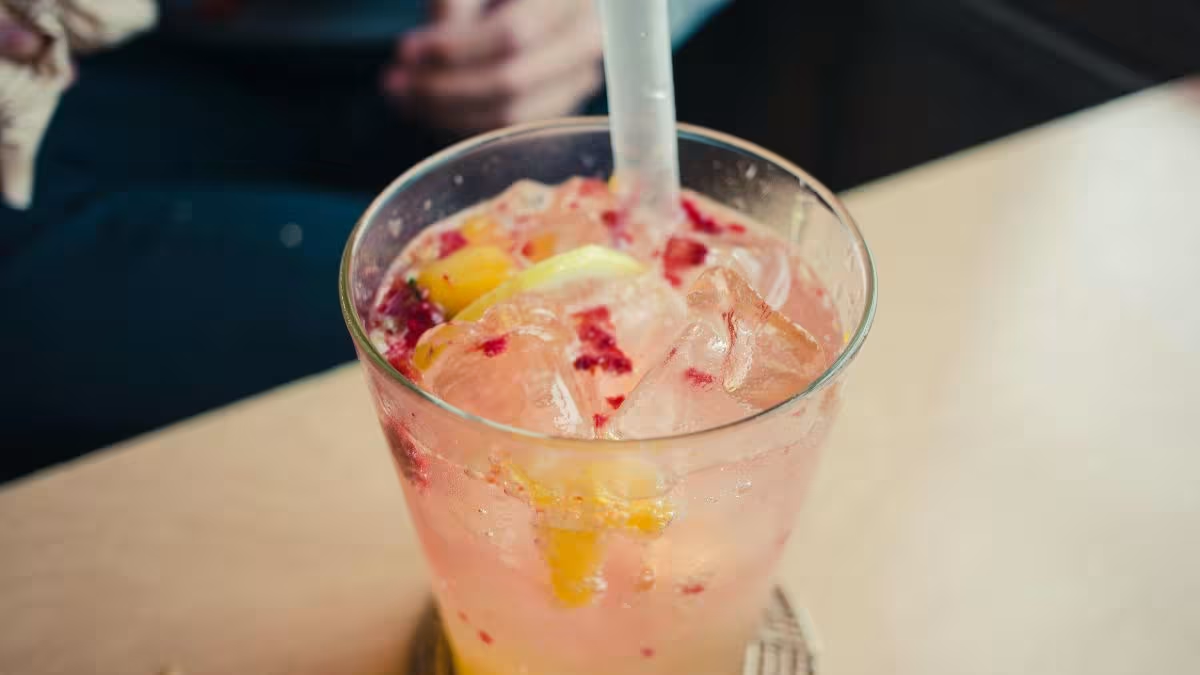
Sparkling fruit cocktails
Savoury mixed drinks
Low-ABV spritz-style serves
Tea and tonic combinations
The newer generation in both Asia and throughout the world has shown a very high level of interest in fruit-based soju flavours, including peach, green grape, plum, and strawberry. Because of their lower alcohol content and lighter weight, these fruity soju flavours can also be successfully paired with spicy and fermented flavours that are often included in traditional Korean cuisine.
How K-Culture Has Influenced Home Bartending In India
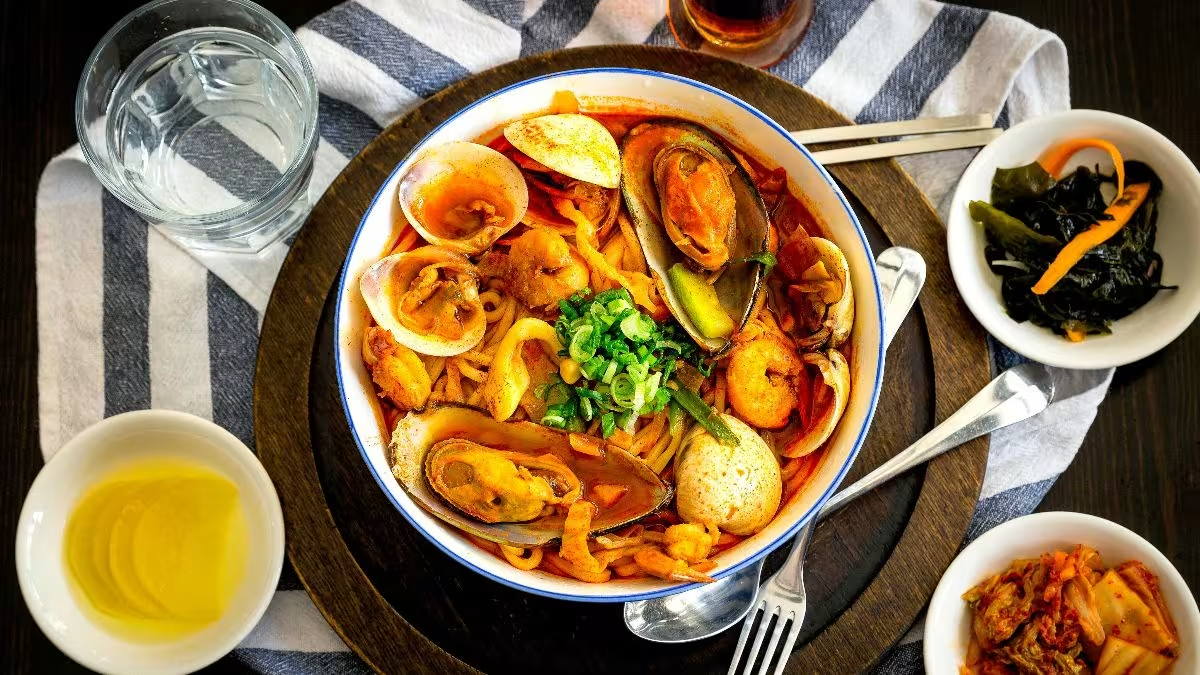
The popularity of Korean cuisine has gained traction in the Indian food space outside of restaurants. It is seen in home kitchens with dishes like fried chicken, tteokbokki, ramyeon, and Korean BBQ, often served with Korean cocktails. This shift has also encouraged Indian home bartenders to think more carefully about texture and contrast. Korean cocktails often balance:
Salinity from fermented ingredients
Sharp citrus acidity
Controlled sweetness
Carbonation
Aromatic garnishes
Many of the ingredients, such as kimchi brine, roasted sesame seeds, gochugaru, yuzu concentrate, and Korean pears, are becoming a common fixture in cocktails, leading to multiple savoury and fruity flavours presented in a single drink.
Types Of Korean Soju Used In Cocktails
One of the reasons why bartenders and mixologists are open to experimenting with Korean soju is because of its abundant flavours and types. Here are some of the common ones:
The classic green bottle soju is what most people will think of first. It has a clean, grain-driven flavour and is slightly sweet in flavour. This soju is excellent for making traditional, fizzy drinks.
Each flavour of fruit-based soju (peach, lychee, plum or green grape) is used to make fruit-forward cocktails. The majority of the time, these flavours are mixed with a citrus juice and then topped with a sparkling mixer.
Craft-distilled soju is generally produced in smaller batches; as such, these types of soju have a more rice character to them and an earthier flavour. Bartenders typically use craft-distilled soju to mix with either whisky or gin to build cocktails that are more complex.
Yoghurt soju mixes are very popular among Koreans in their nightlife culture, and their slight tartness and creamy texture make for very unique cocktails using soda water.

Korean-Inspired Fusion Cocktails
Fusion cocktails are exactly what the name denotes – a combination of contrasting culinary traditions, blending unexpected ingredients like exotic fruits, spices, and regional spirits. Soju drinks, thus, are a type of fusion cocktail blending a regional spirit (soju) with classic cocktails (like a Collins). Similarly, a small amount of kimchi brine can provide a lactic acidity and umami flavour, which will change the overall structure of a cocktail entirely. Such combinations help create drinks with various flavours rather than a single note.
Here are some examples:
In this variation of the Collins cocktail, soju is still the primary spirit, but by also using gin, crispness is added from the botanicals. Other elements in the drink are yuzu, which has floral-citrus bitterness, and soda, which gives texture and makes for a drier finish.
Ingredients
20ml soju
10ml Tanqueray London Dry Gin (or any other gin of your choice)
20ml yuzu juice
10ml sugar syrup
60ml soda water
5–6 ice cubes for shaking
5–6 fresh ice cubes for serving
Method
In a cocktail shaker with ice, add soju, gin, yuzu juice, and sugar syrup.
Shake vigorously for 8 to 10 seconds.
Strain into a tall glass with ice.
Top with soda water and give one gentle stir.
Garnish
Yuzu peel
When making a Bloody Mary cocktail inspired by Korean flavours, kimchi brine is used for a salty touch and to control acidity. The vodka gives the drink structure but does not add weight or cloudiness because it doesn't have the same density as the soju.
Ingredients
20ml soju
10ml Smirnoff No. 21 Vodka (or any other vodka of your choice)
90ml tomato juice
10ml kimchi brine
10ml lemon juice
2 ml hot sauce
Pinch celery salt
4–5 ice cubes for rolling
5–6 fresh ice cubes for serving
Method
In a mixing bowl with ice, combine all ingredients.
Roll the ingredients between two bowls 4 or 5 times to mix.
Strain the drink over a tall glass filled with ice.
Garnish
Celery stick
This version has a lighter taste by using soju as the primary liquor rather than whisky. The drink also uses toasted sesame seeds to introduce nutty aromas, while the bitters contribute to the traditional Old Fashioned cocktail profile.
Ingredients
20ml soju
10ml Johnnie Walker Black Label (or any other whisky of your choice)
5ml brown sugar syrup
1 ml sesame oil
2 ml aromatic bitters
6–7 ice cubes for stirring
1 large fresh ice cube for serving
Method
Combine all ingredients into a mixing glass filled with ice.
Stir for 20-25 seconds until well chilled and diluted.
Strain over 1 large ice cube in a rocks glass.
Garnish
Orange peel
The Korean pear will give this drink a floral, fruity note with a light texture, while the ginger beer provides spice and carbonation. The whisky is kept at a low level, so that the primary characteristics of this cocktail are from the soju.
Ingredients
20ml soju
10ml Johnnie Walker Blonde (or any other whisky of your choice)
45ml Korean pear juice
10ml lime juice
60ml ginger beer
5–6 ice cubes for shaking
5–6 fresh ice cubes for serving
Method
Put the soju, whisky, Korean pear Juice, and lime juice in a cocktail shaker filled with ice.
Shake vigorously for 8-10 seconds.
Strain into a mule mug or tall glass, filled with fresh ice.
Pour ginger beer into the top and stir gently.
Garnish:
Thin pear slice
Pairing Korean-Inspired Cocktails With Street Food
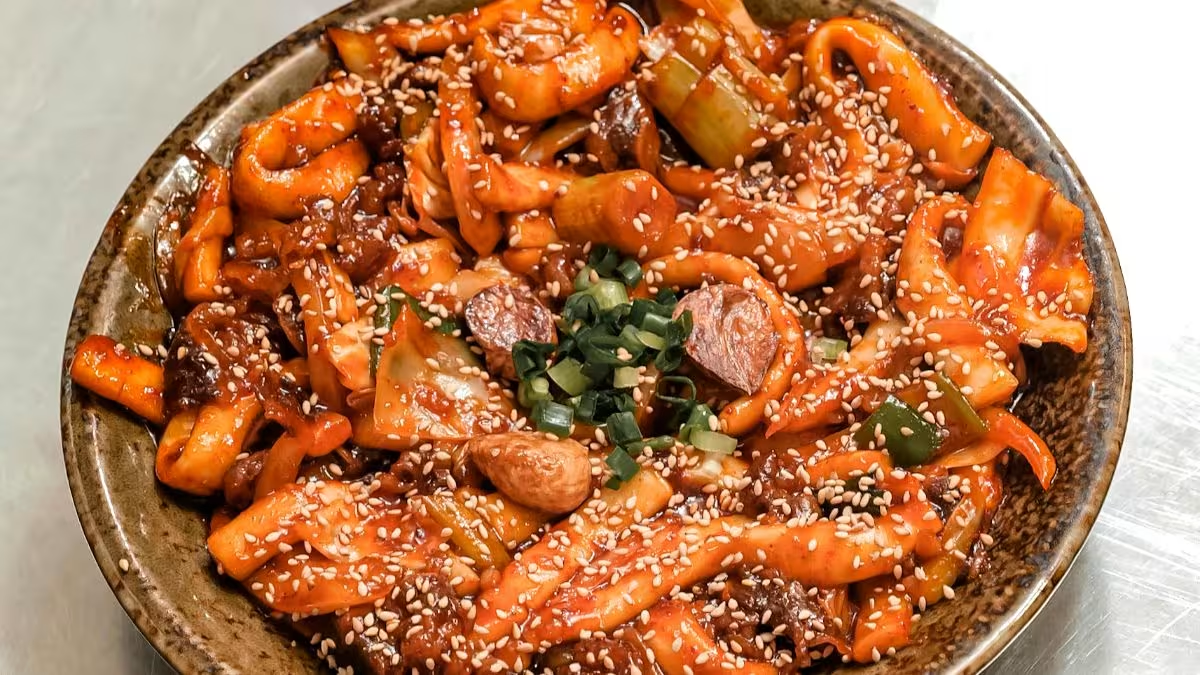
The relationship between Korean cocktails and food is heavily tied to contrast. Korean street food often combines sweetness, heat, fermentation, and crunch within the same dish, so cocktails are structured to balance those layers instead of masking them.
The chewy texture of the rice cake and the thickness of the spiced sauce will go together nicely with sparkling citrus-based cocktails. These drinks cut through the thickness of the sauce while still keeping it spicy.
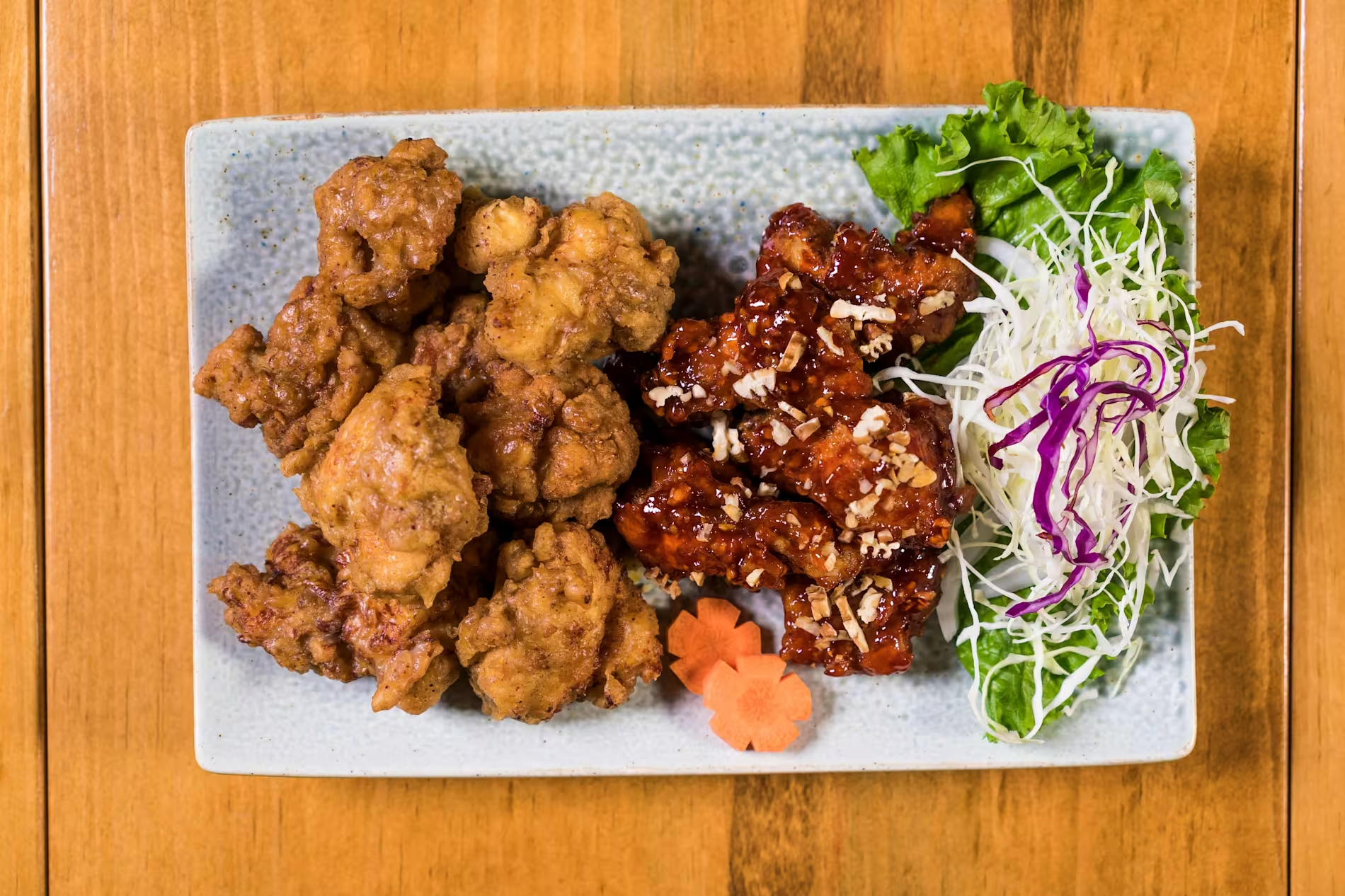
The notes of the sesame-infused whisky and soju-based cocktails add flavour to the crisp-fried coating on chicken without introducing too much sweetness into the mix.
Martini cocktail-style drinks dressed with cucumbers and/or salted solutions will match the fermented/spicy flavours associated with kimchi-based pancake food dishes.
Fruit-based soju flavours in combination with sparkling-mixer beverages will help create a balancing effect against an exceedingly battered food item like a corndog.
Conclusion
Soju has expanded its offerings in the Indian marketplace and takes on a new identity as K-culture gains popularity around the world. In India, soju drink offerings have gone beyond sweet beverages with yuzu highballs and savoury cocktails from kimchi brine. In addition to its lower ABV than most spirits, its lighter texture and ability to work with aged spirits such as whisky and gin have also made soju a staple for pairing with flavours of Korean street food.
*Drink Responsibly. This communication is for audiences above the age of 25.
FAQs:
Soju typically has a softer grain-like appearance and less alcohol than vodka. This leads to different types of cocktails that can be created using soju rather than vodka.
You May Also Like



Drink Responsibly. This communication is for audiences above the age of 25.
Yash Lakhan


More from The Bar



Stay Inspired
Sign up to our newsletter for exclusive recipes, insider secrets and special offers - all delivered straight to your inbox.
