World Milk Day: 5 Milk Cocktails That Shouldn’t Work But Do
Introduction
Milk Day discussions typically focus on desserts, coffee, and other traditional dishes associated with using milk; however, milk cocktails are arguably some of the most compelling cocktails from a technical point. Bartenders have long used milk (both fresh and clarified), cream, and milk liqueurs as a means of softening tannin acidity, changing the traditional texture of mixed drinks, and creating a stable environment within cocktails. Because of the structure and balance between these different components and the resulting flavours, milk cocktails continue to find a place on bar menus.
1. Clarified Milk Punch Cocktail
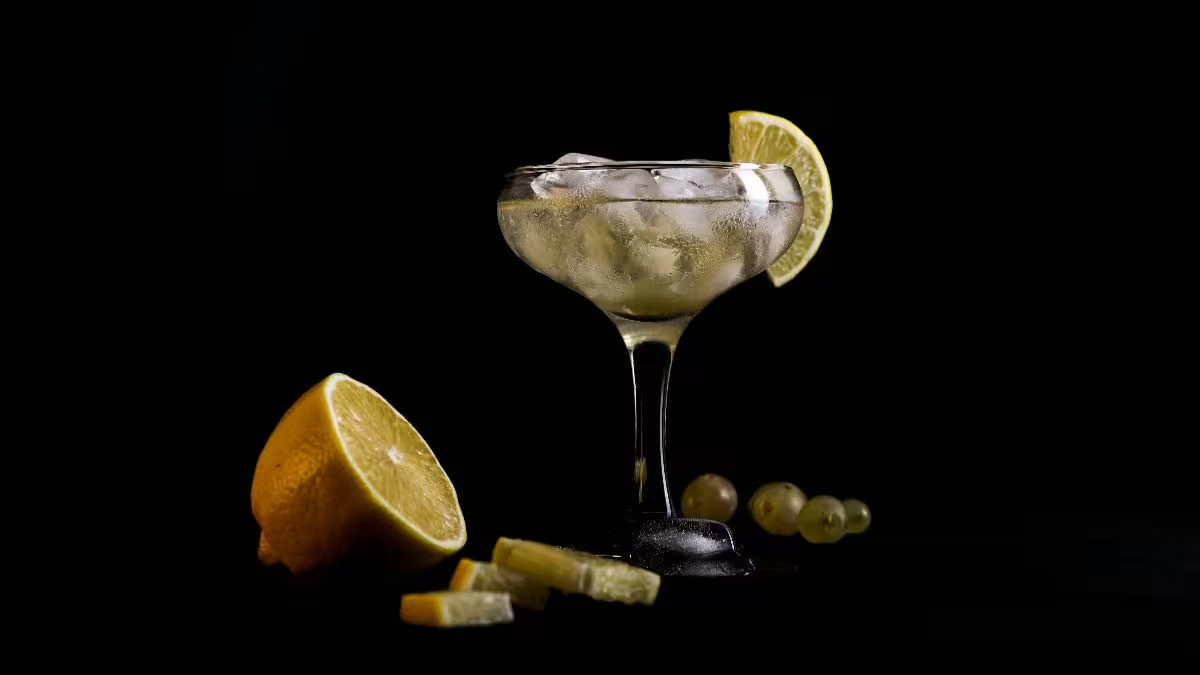
Clarified Milk Punch cocktail has been around since at least the 1700's in England. Typically, it is made from rum or brandy, milk, lemon juice, tea, sugar, and spices (such as cinnamon or nutmeg). Many modern Clarified Milk Punch cocktails now feature whiskies such as Johnnie Walker to provide a smoky character.
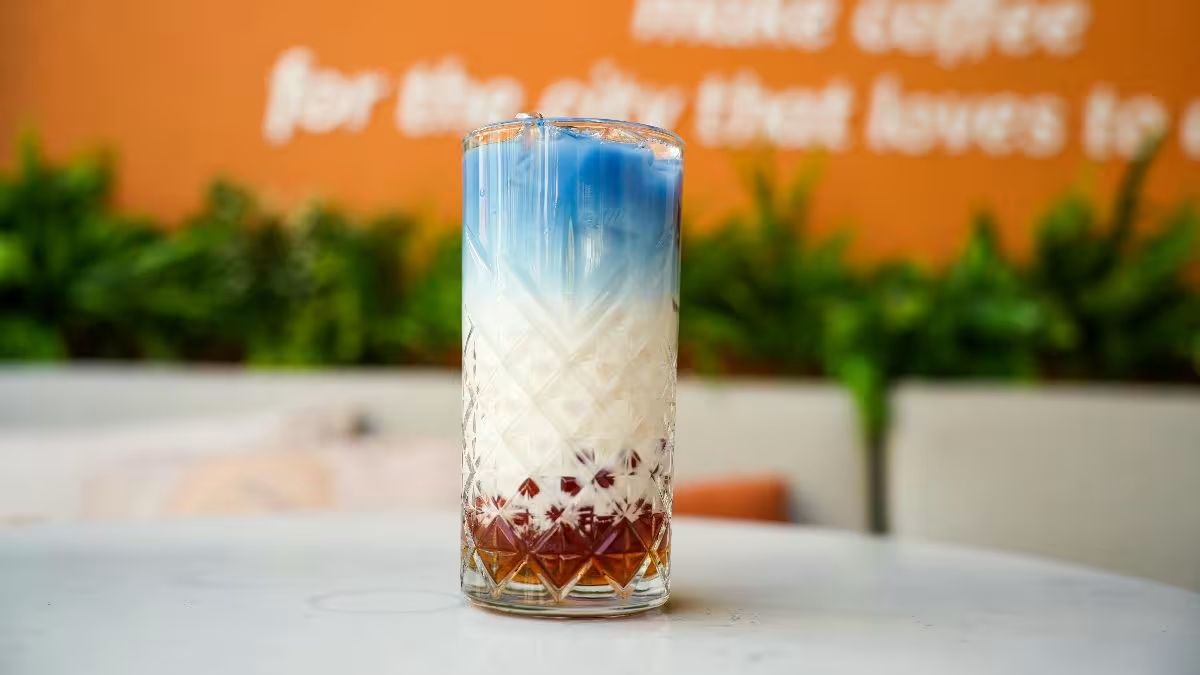
The Clarified Milk Punch cocktail is prepared using a clarification process. Warm milk is combined with citrus and alcohol. As the milk curdles, the proteins in the milk cause the dairy and alcohol to separate. The milk mixture is then filtered until clear.
Its flavour profile includes:
Gentle citrus sharpness
Tea-like tannic notes
Baking spice undertones
A silky texture despite the transparent appearance
The most interesting thing about the Clarified Milk Punch cocktail is that citrus and milk split during preparation; however, when served, it has a very smooth, stable texture and flavour, which is not heavy or sour.
2. Brandy Alexander Cocktail
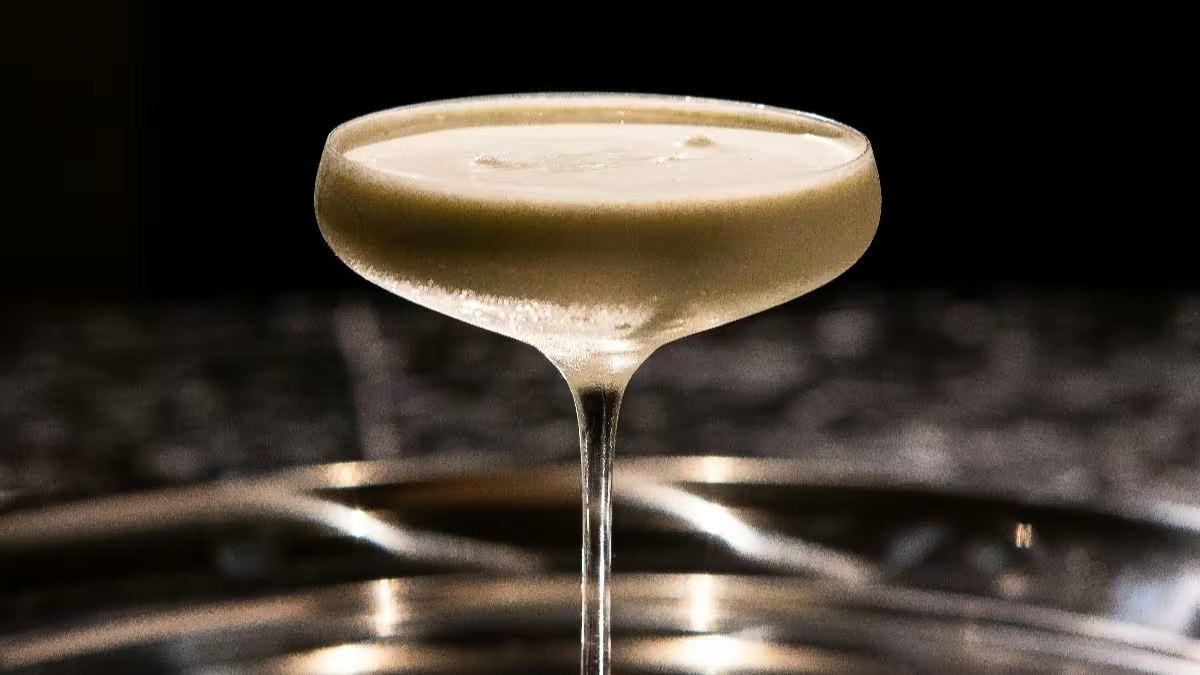
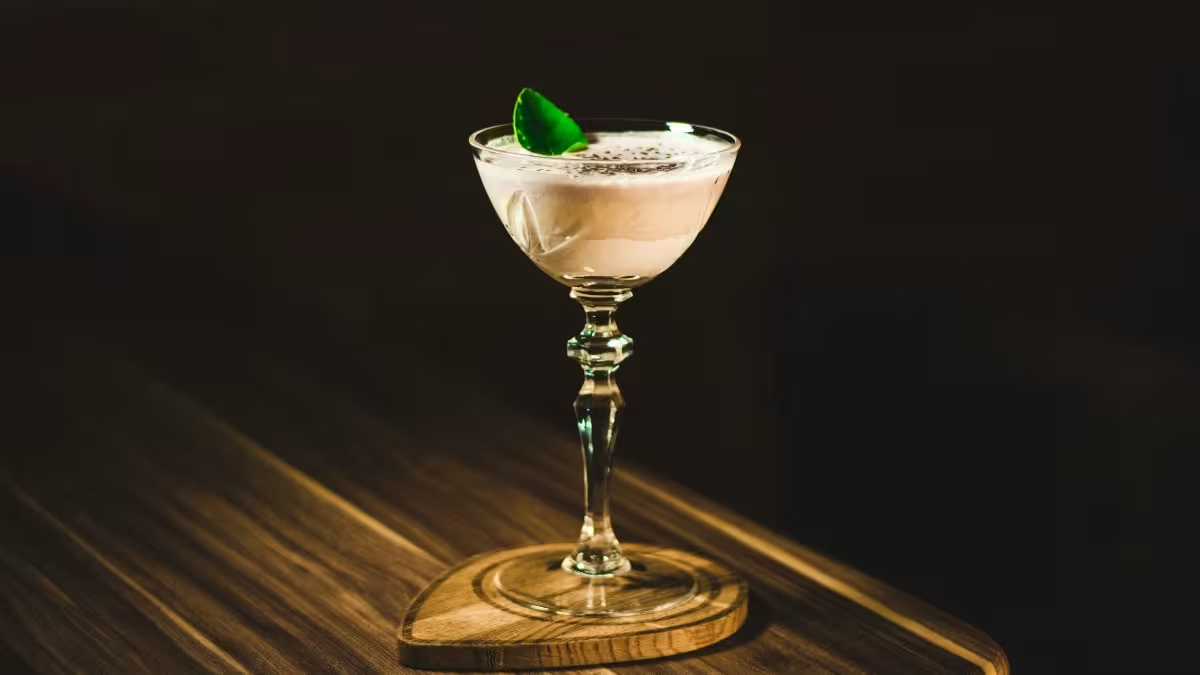
The Brandy Alexander cocktail has been one of the most recognisable cream cocktails since the beginning of the 20th century. The classic construction is brandy, dark crème de cacao, and cream shaken over ice with nutmeg sprinkled on top. The presence of cream makes it a milk cocktail. For a lighter profile, you can swap the heavy cream with a cream liqueur like Baileys Irish Cream, or any other of your choice.
While the drink looks almost like dessert at first glance, the flavour profile is actually much more balanced than what you would expect due to the amount of dried fruit and oak flavour that comes through in the brandy. These flavours counteract the inherent sweetness from the chocolate liqueur and cream.
The cocktail develops:
Cocoa bitterness beneath the creaminess
Vanilla and toasted oak notes from brandy
Nutmeg aromatics that sharpen the finish
A dense but controlled texture
The Brandy Alexander cocktail allows the spirit to be more pronounced throughout the entire drink, while the cream lends texture to the cocktail.
3. New Orleans Milk Punch Cocktail
Unlike the Clarified Milk Punch cocktail, the New Orleans Milk Punch cocktail keeps the milk whole. It is typically seen during brunches in New Orleans that combine either bourbon or brandy with whole milk, sugar, vanilla, and nutmeg.
Bourbons with caramel flavour, spices, and an oak profile are commonly used by many bars today because their low levels of acidity mix well with drink recipes using milk.
The cocktail’s flavour structure includes:
Vanilla and caramel notes
Toasted spice from nutmeg
A lighter dairy texture than eggnog
Soft oak characteristics from the whisky
The Milk Punch cocktail is not overly heavy, even though spirits are combined with milk, because both ingredients have enough dilution and proper proportions before being combined. Some bartenders also utilise chicory or coffee to represent the roasted roots of New Orleans’ café culture in their cocktails.
4. White Russian Cocktail
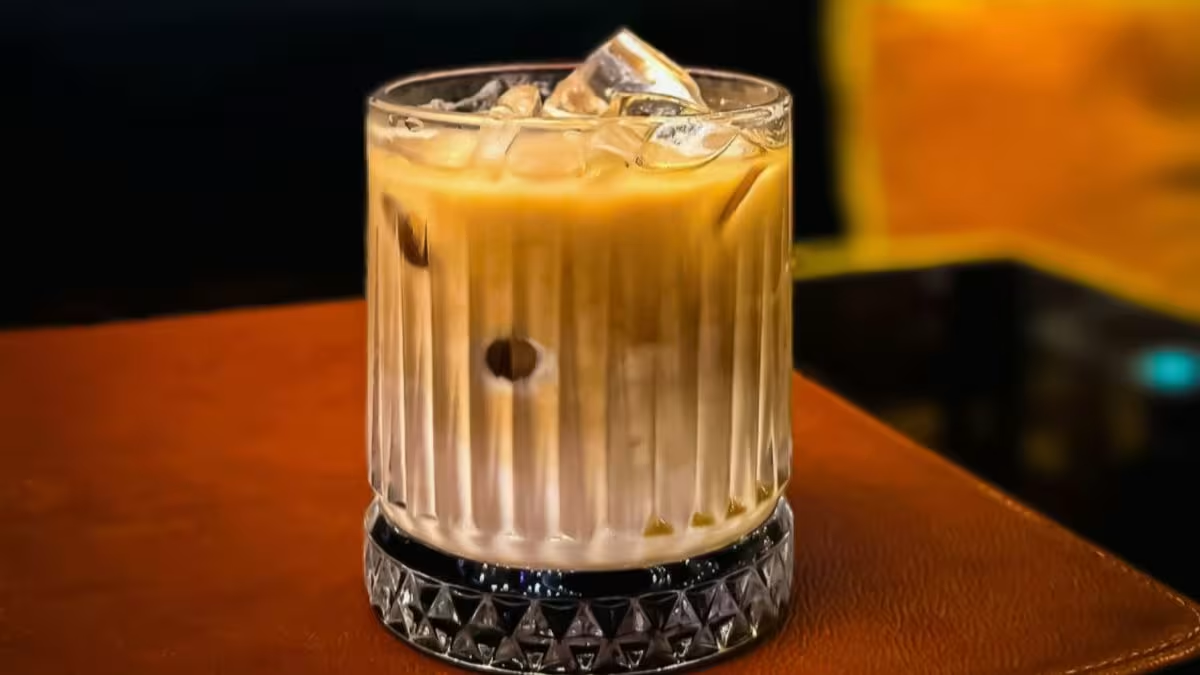
The White Russian cocktail is among the world’s most well-known milk-based drinks. Made with vodka, coffee liqueur, and heavy cream served over ice, this drink has always been considered to have an excellent combination of milk and spirit.
Vodka serves as a framework and does not add competing flavour profiles to the drink; coffee liqueur adds the roasted bitterness that balances perfectly with cocoa notes. The addition of cream rounds out any sharp edges which may have been created between the two primary ingredients (vodka and coffee liqueur).
Its profile generally includes:
Roasted coffee bitterness
Creamy texture with restrained sweetness
Chocolate-like undertones
A clean finish from neutral vodka
Many modern bars have begun altering their White Russian cocktails by substituting cold brew coffee for brewed coffee or using a darker coffee liqueur to create more pronounced roasted flavour profiles. Unlike many cocktails made with alcohol, the White Russian cocktail achieves a balance of spirit and dessert-like texture without taking over the entire drink.
5. Eggnog Cocktail
The Eggnog cocktail is one of the earliest-known milk cocktails and has played a large part in holiday season traditions for many years. Typically, it consists of milk/cream, egg, sugar, and an alcoholic base, such as rum, bourbon, or brandy. It is garnished with freshly grated nutmeg.
Though the combination of these ingredients may seem like too many rich things together, the drink works because the spices, alcohol, and sweetness counteract and balance out the thick consistency of the drink.
The drink develops:
Baking spice notes from nutmeg
Creamy, custard-like texture
Vanilla and caramel undertones from aged spirits
A slightly savoury richness from egg yolks
The type of spirit used to create the Eggnog cocktail has a large influence on its flavour. For example, using rum will give eggnog additional depth in the form of molasses, bourbon will lend toasted oak and caramel, and brandy will bring in dried fruit notes. The Eggnog cocktail has a rich body, but because the flavour components, such as spices and alcohol in the cocktail, cut through the richness of the drink, it doesn't end up being very sweet or flat-tasting.
Why Milk Cocktails Continue To Remain Relevant
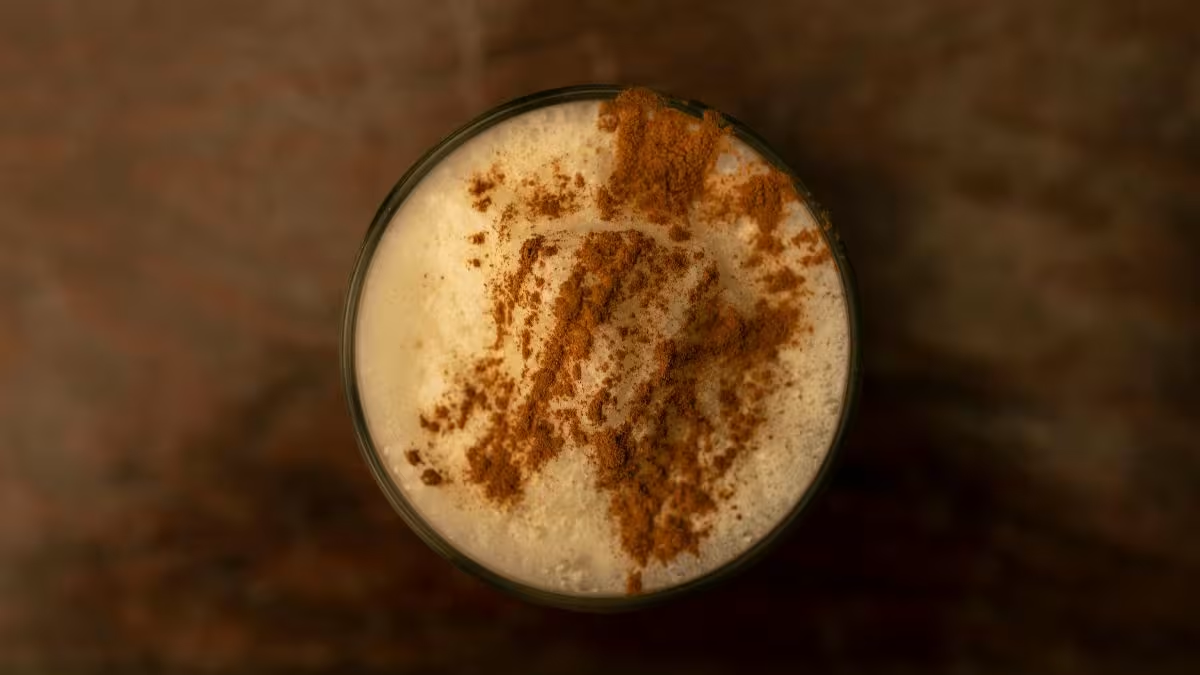
The reason why milk cocktails continue to appear on menus is that dairy simultaneously alters flavour perception and texture. Milk proteins will reduce bitterness, fats carry the smell of other ingredients longer, and clarification creates a smoother texture of spirits, while still offering complexity. This World Milk Day, these milk cocktails don’t just represent technical skill in cocktail making over time, but are also unique serves.
*Drink Responsibly. This communication is for audiences above the age of 25.
FAQs:
Milk cocktails are alcoholic beverages made up of milk, cream, clarified milk, or other dairy products to create texture, to soften bitterness, and to add balance to the other ingredients.
You May Also Like


Drink Responsibly. This communication is for audiences above the age of 25.
Yash Lakhan


More from The Bar



Stay Inspired
Sign up to our newsletter for exclusive recipes, insider secrets and special offers - all delivered straight to your inbox.
