Whisky Cocktails Decoded: Top Flavours That Complement India’s Favourite Spirit
Introduction
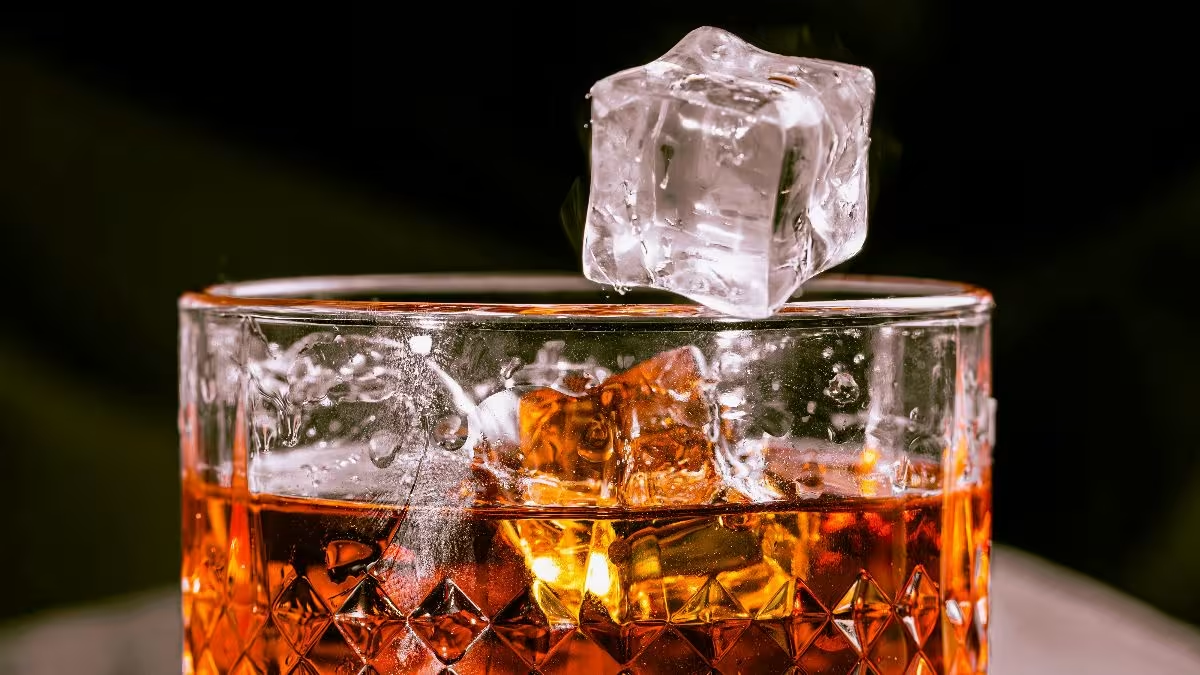
Generally, cocktails made using whisky in India depend heavily on ensuring a balance between the natural depth of the spirit and regional characteristics (such as spices, citruses, and fermented sweetness). The oak-driven flavour of whisky, combined with other ingredients, such as jaggery, kokum, and ginger, determines the way whisky cocktail recipes are put together in both modern bars and at home.
In India, whisky is predominantly consumed in blended varieties (such as Johnnie Walker or Black Dog Gold Reserve). These types of whiskies are typically sweet and spicy in flavour, with some notes of caramel, light smoke, and dried fruit. Hence, they generally respond better to the addition of multiple layers of flavour. However, the choice of flavours matte as certain assertive ingredients add a lot of distortion to the drink.

Citrus and Kokum: Acid Structure with Depth
Citrus fruits provide the foundation for most, if not all, whisky cocktails. Kokum, a tropical fruit, is added to Indian-style whisky cocktails in addition to the traditional limes and lemons. Kokum is found along the coast of India and has a distinctly darker and more tannic acidic profile than conventional citrus fruit.
The slight fermented tang of kokum provides an interesting interaction between the rounded sweetness of whisky, particularly in highball-style drinks. The acidity of kokum also spreads out across the drink rather than retaining a sharp edge like conventional citrus additions, allowing the flavours of oak and malt to still come through. Blended Scotch whisky, which contains additional subtle smoke and fruit flavours, works particularly well with the acidity of kokum.
Typically, kokum is used in cocktails as either a syrup or a reduction, as this method lets the flavours of the drink develop rather than just providing a concentrated taste. The result is that the acidity in the drink feels layered rather than immediate.

Whisky with Cinnamon and Spice Profiles
Cinnamon is commonly paired with whisky because of the natural spice and oak-derived flavour alignment. The dry essence of cinnamon complements many of the spice notes already found in different whisky styles.
In drinks such as the Cinnamon Old Fashioned cocktail, cinnamon will complement and frame the whisky's natural flavour profile (caramel, vanilla, and light oak) rather than asserting itself over it. Adding additional spices (such as clove or star anise) will add to the overall complexity of the whisky's flavour, but require moderation so as not to mask the base spirit.
Here are some points to keep in mind when adding cinnamon to whiskies:
The addition of cinnamon provides a linear flavour without excessive sweetness
Can be used well in oak-aged whiskies and mildly smoky Scotch whiskies
Can be infused or used in syrups or bitters
Pair with darker sweeteners (jaggery or demerara)
Ginger: Spice, Texture, and Lift
Whisky combined with ginger will often be known for introducing both spice and texture. The pungent flavour of ginger cuts through the viscous nature of whisky, resulting in a more pronounced profile.
Ginger’s spice is typically complemented with carbonation found in drinks like the Whisky Ginger Highball cocktail, which allows the spiciness of the ginger to move across the drink with the lighter flavour of the whisky following behind it.
This pairing typically works best with blended whiskies, which have some gentle smoky characteristics, as the spice from the ginger pairs with the whisky without being too prominent.
Jaggery and Caramelised Sweetness
Jaggery, also known as gur, is a different kind of sweetener from refined sugar. It has a depth like molasses, with hints of caramel, smoke and earthiness that are very similar to the taste of whisky.
Jaggery is normally made into a syrup for whisky cocktails, so it will mix evenly throughout the drink. The complexity of jaggery allows it to replace simple sugar syrup in a classic whisky cocktail, such as an Old Fashioned cocktail, while adding another layer of flavour without increasing sweetness.

Herbaceous Notes: Mint, Curry Leaves, and Beyond
The herbaceous components in whisky cocktails do not so much act as fresh flavours but instead help form aromatic layers, as the volatile aromas of ingredients such as mint and the curry leaf float above the dense nature of whisky.
While the mint provides a crisp freshness to whisky’s complex notes, the curry leaf has more of a roasted nutty fragrance when expressed lightly. The quantity of both is used sparingly so as not to affect the drink's equilibrium.
In highball-style cocktails, the herbs assist in releasing aroma, thus adding overall complexity to the drink.
The following is a representation of how each flavour profile interacts with whisky:
Ingredient - Flavour Profile - Interaction with Whisky - Best Cocktail Format
Kokum - Tart, slightly tannic - Extends acidity, supports fruit notes - Highball cocktails, Sour cocktails Cinnamon - Dry spice - Frames oak and caramel tones - Old Fashioned cocktail variations Ginger - Sharp, spicy - Adds spice and lifts lighter notes - Highball cocktails, Mule cocktails Jaggery - Molasses-like sweetness - Deepens caramel and smoke - Stirred cocktails Mint - Herbal - Adds aromatic contrast - Highball cocktails
Conclusion
Regional ingredients are mere additions to a drink, but carefully thought-out flavours that complement the whisky’s texture and taste. Kokum's multi-layered acidity with jaggery's depth, and whisky with cinnamon create flavour complexity instead of overassertiveness. Additionally, the use of ginger demonstrates the balance of spice in carbonation, while herbs indicate how aromas are layered in the final composition. The way these (and more) regional elements interact with the inherent make-up of whisky defines whisky cocktails in India.
*Drink Responsibly. This communication is for audiences above the age of 25.
FAQs:
Whisky cocktails are made with whisky as the base, along with additional ingredients like acid, sweeteners, and aromatics. Ingredients are added in a way that keeps the whisky's fundamental character while adding complexity and controlled dilution.
You May Also Like




Drink Responsibly. This communication is for audiences above the age of 25.
Yash Lakhan


More from The Bar



Stay Inspired
Sign up to our newsletter for exclusive recipes, insider secrets and special offers - all delivered straight to your inbox.
