World Chocolate Day 2026: India’s First Certified Chocolate Taster Explains How To Pair Alcohol With Chocolate

Introduction
Alcohol and chocolate have long been considered a classic pairing, but there’s a lot more to the craft than simply placing the two together. And what better reason than World Chocolate Day 2026 to understand the science behind the pairing? Whether you prefer dark chocolate, opt for one studded with berries, or enjoy a cool minty chocolate moment, every variation suits a different type of alcohol.
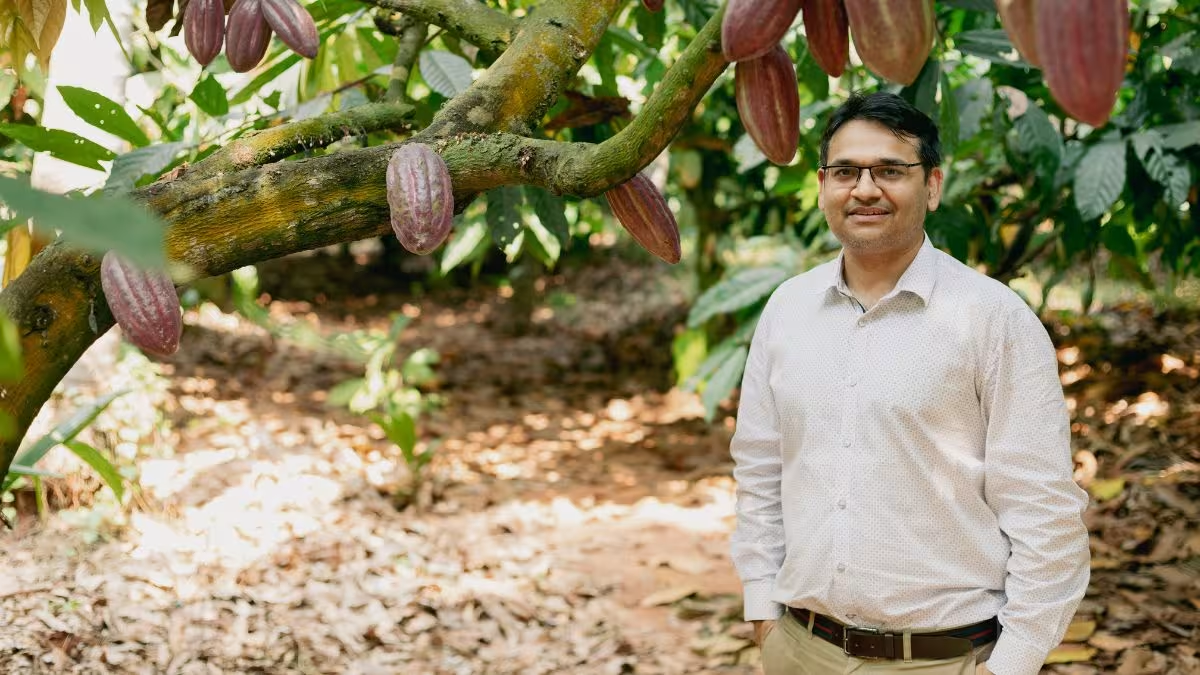
Nitin Chordia, India’s first certified chocolate taster, broke down the ins and outs of the alcohol-chocolate pairing, decoding successful flavour combinations, debunking common myths, and providing tips to ace this pairing.
The Science Behind Alcohol and Chocolate Pairing
What makes chocolate and alcohol such a compelling pairing?
Chocolate and alcohol are two of the world's most complex fermented foods, and that is what makes them such fascinating partners. Both contain hundreds of volatile aroma compounds that create flavours ranging from fruits and flowers to nuts, spices, caramel and roasted notes. When thoughtfully paired, these shared aroma families reinforce one another, while contrasting elements add depth and complexity.
Texture also plays a vital role. Cocoa butter melts just below body temperature, gradually releasing flavour compounds, while alcohol helps lift these aromas towards our olfactory receptors. This creates a layered sensory experience where aroma, flavour and mouthfeel evolve together.
Ultimately, great pairings are less about matching chocolate with a drink and more about balancing sweetness, bitterness, acidity, tannins and texture. The best pairings reveal flavours that neither the chocolate nor the spirit could express on their own.
Flavoured chocolates—mint, citrus, berries, nuts or spices—can completely change a pairing. Could you share a few combinations that consistently work well and why?
Flavoured chocolates often become the dominant driver of a pairing because they introduce distinctive aromatic compounds that either complement or contrast with the drink. Some combinations that consistently work well include:
Dark chocolate with orange zest and Bourbon or Orange Curaçao: Citrus oils beautifully complement the vanilla, oak, and caramel notes developed during barrel ageing.
Milk chocolate with hazelnut and Aged Rum: Roasted nut aromas mirror the caramel, toffee and spice notes found in well-aged rum, creating exceptional harmony.
Dark chocolate with chilli and Reposado Tequila or Mezcal: The warmth of chilli complements agave's earthy complexity, while the chocolate softens the spirit's intensity.
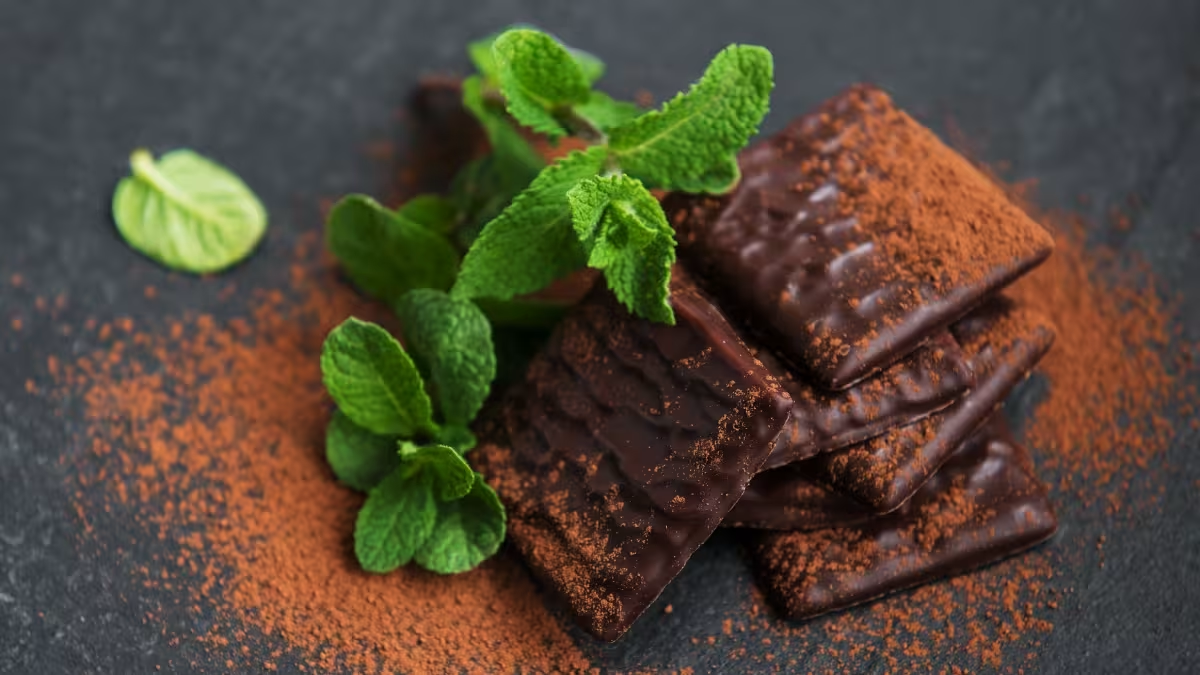
Mint chocolate and Irish Whiskey: Mint's cooling sensation balances the whiskey's creamy vanilla notes, creating a palatable pairing.
Berry-infused dark chocolate and Ruby Port: Shared red fruit characteristics and balanced sweetness create one of the most naturally harmonious combinations.
Rather than focusing only on cocoa percentage, I encourage people to think in terms of shared aroma families: fruity with fruity, nutty with nutty and spicy with spicy.
What's one underrated chocolate-and-spirit pairing you think deserves more attention? What makes it work?
One pairing I believe deserves much more attention is single-origin Indian dark chocolate with premium aged agricole rum. Many Indian chocolates naturally display notes of tropical fruit, raisins, and warm spices because of our growing conditions and fermentation styles. An aged agricole rum contributes grassy freshness alongside vanilla, caramel and oak, allowing these fruit notes to become even more expressive.
What's the most unexpected chocolate-and-alcohol combination you've tried that genuinely surprised you?
A pairing that genuinely surprised me was a lightly roasted, fruit-forward bean-to-bar chocolate with a delicate Japanese whisky. Instead of overwhelming the chocolate, the whisky's subtle floral, honey and gentle oak notes enhanced the chocolate's naturally occurring citrus and stone-fruit characteristics. It demonstrated that elegance often creates more memorable pairings
than sheer intensity.
An equally surprising combination was white chocolate with a peated Islay Scotch. Although it appears unlikely, the creamy cocoa butter softens the whisky's smoke, allowing hidden notes of citrus, honey and flowers to emerge, while the whisky's salinity balances the sweetness of the chocolate. The most memorable pairings are often the ones that seem least obvious.
How To Pair Alcohol And Chocolate At Home
If someone wanted to host a chocolate-and-spirits tasting at home, what are three pairings you'd recommend as a great starting point?
I recommend progressing from lighter to more intense flavours
Creamy milk chocolate with aged rum
65–70% dark chocolate with a Speyside single malt whisky
70–75% single-origin dark chocolate with Tawny Port
These three pairings introduce people to complementary, contrasting, and bridge-style flavour matching without overwhelming the palate.
What are some of the biggest misconceptions or mistakes people make when pairing chocolate with alcohol?
The biggest misconception is that darker chocolate automatically pairs best with the biggest, boldest red wine. In reality, both dark chocolate and highly tannic red wines are rich in polyphenols. When paired together, they can amplify bitterness and astringency instead of creating balance.
The second common mistake is ignoring sweetness. A simple rule I recommend is that the drink should be at least as sweet as the chocolate. Otherwise, the beverage can appear thinner, sharper and more acidic than intended. People also tend to focus only on cocoa percentage, overlooking factors such as cacao origin, fermentation, roast profile and flavour notes, all of which influence a pairing far more than the percentage printed on the wrapper.
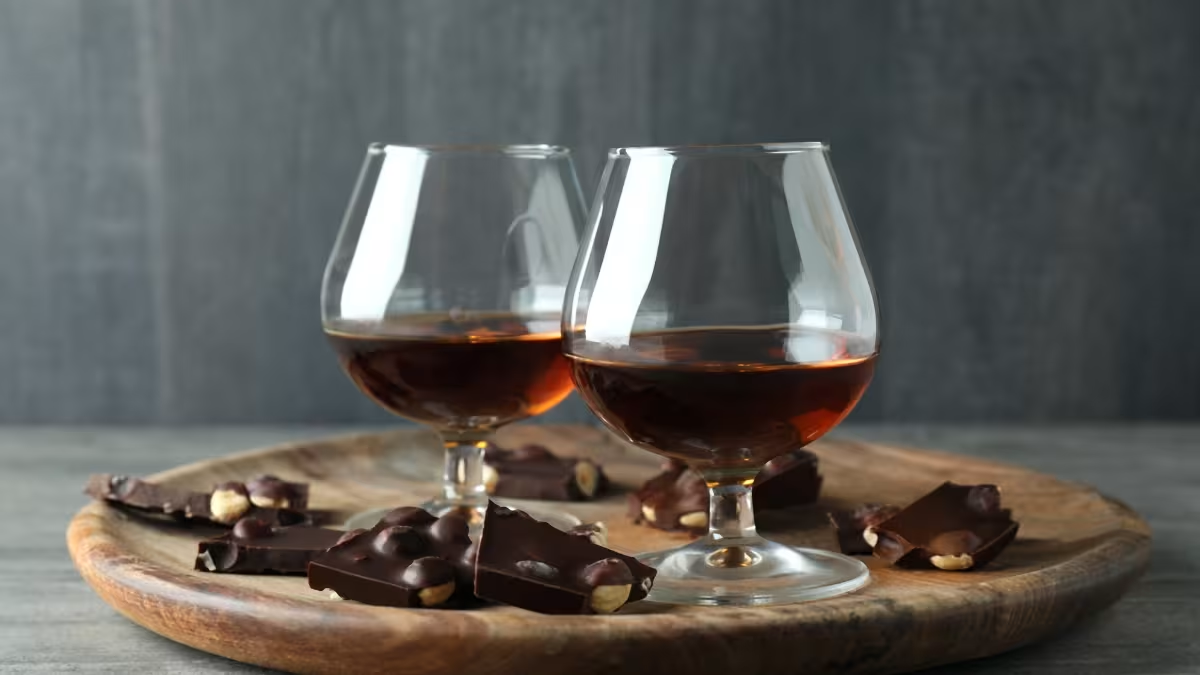
For many chocolates, fortified wines, aged rums, and Cognacs often produce more balanced and enjoyable pairings than young, tannic red wines. The biggest mistake is pairing intensity with intensity. Balance almost always beats power.
Are there certain flavour principles people should keep in mind when matching the two?
A few simple principles to follow for the best results:
Match intensity before matching flavour.
Ensure the drink is at least as sweet as the chocolate.
Pair similar aroma families whenever possible.
Allow the chocolate to melt slowly before tasting the drink.
Taste the chocolate first, then the drink, and finally experience them together.
Chocolate and alcohol pairing isn't about rigid rules—it's about understanding flavour chemistry and sensory balance. When done well, each enhances the other, creating an experience that is richer than either could offer alone.
*Drink Responsibly. This communication is for audiences above the age of 25.
FAQs:
It depends on the chocolate. Dark chocolate pairs well with whisky, bourbon, and rum, while milk and white chocolate complement cream liqueurs, Irish whiskey, vodka, and sweeter spirits.
You May Also Like



Drink Responsibly. This communication is for audiences above the age of 25.

More from The Bar

Stay Inspired
Sign up to our newsletter for exclusive recipes, insider secrets and special offers - all delivered straight to your inbox.
