The Ultimate Summer Fruit Infusion Checklist: From Fruit Selection To Timeline, Storage, And More
Introduction
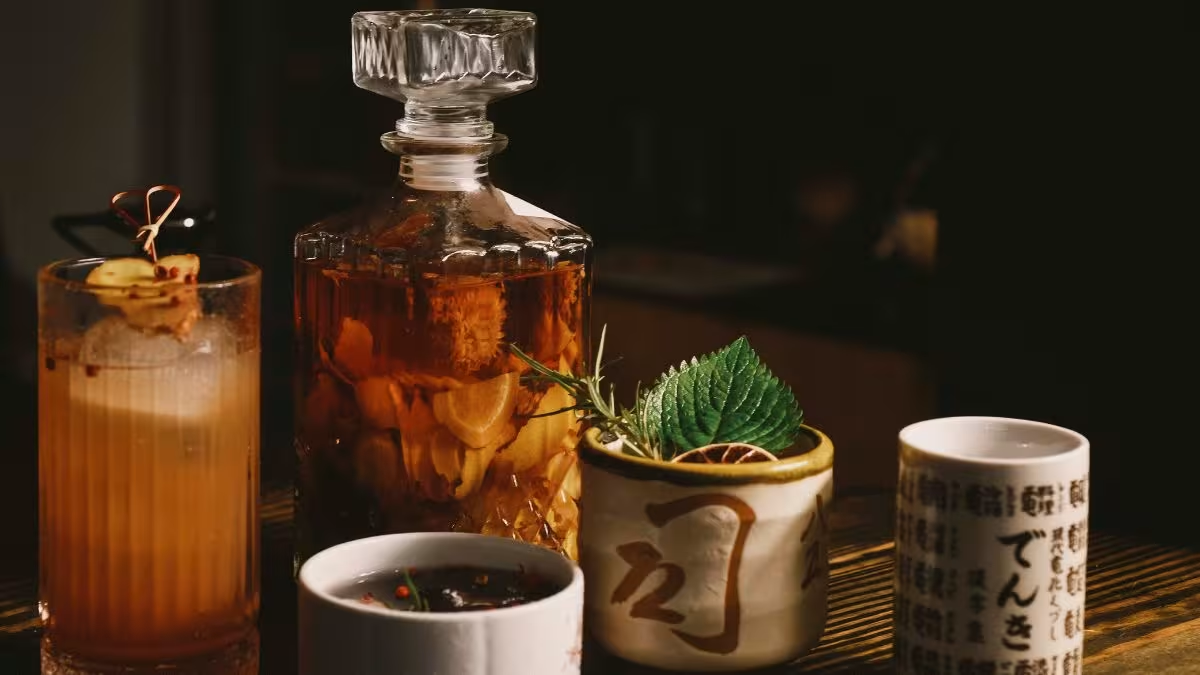
Once a novelty trick, fruit infusion is now popular among home cooks and cocktail enthusiasts. It’s no longer limited to flavoured water, and people are even exploring alcohol infusions with fruits. With summer bringing an entire bouquet of fruits, with varying tastes and textures, there is a chance to tap into fresh produce and use it for infusion.
Whether you’re new to the art of fruit infusion in liquors, need a unique base for your summer cocktails, or just want to get more information on the possible infusions that exist, you’ll find it all here. Read ahead!
Alcohol Infusion: Fruit Selection
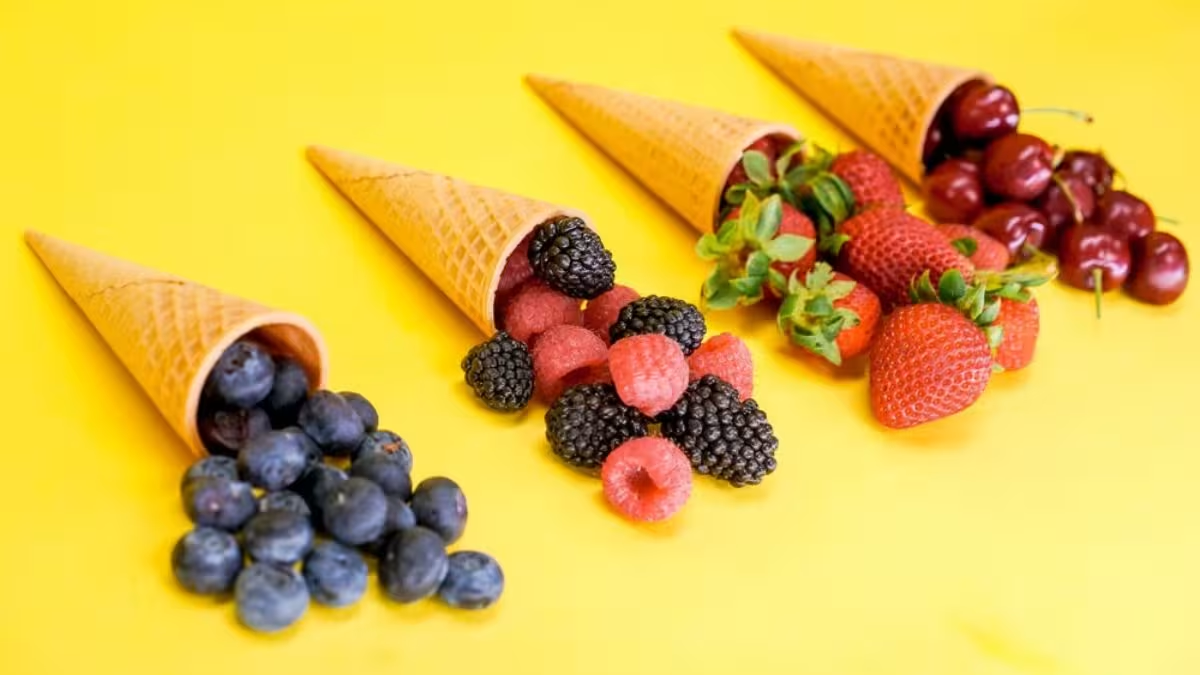
Crafting summer fruit-infused liquors involves picking peak-season fruit and pairing it with the right base spirit. Here’s a snapshot of how different fruits and spirits pair:
Berries (Strawberries, Blackberries, Raspberries): Best paired with gin or vodka. The bright acidity and delicate sweetness of berries complement gin's botanical notes, while vodka's neutral profile allows the fruit flavours to take centre stage. Watermelon (botanically classified as a berry), in particular, also works well with tequila thanks to its high water content and subtle sweetness.
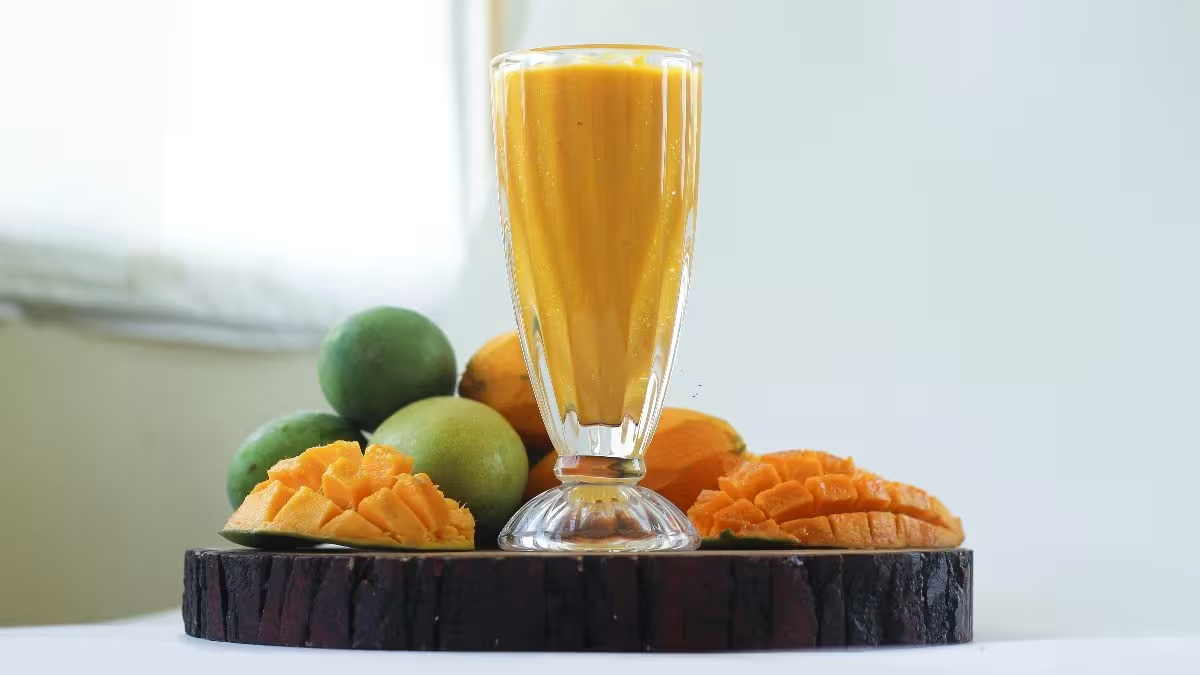
Tropicals (Mango, Pineapple, Passion Fruit): Perfect match for rum or tequila. Rum's natural notes of vanilla, caramel, and tropical fruit amplify these fruits, while tequila's earthy agave character creates contrast that prevents the infusion from becoming overly sweet.
Stone Fruits (Peaches, Cherries, Plums): Complements bourbon or whisky. Stone fruits share flavour compounds with whisky notes such as vanilla, caramel, honey, and oak, creating rich, rounded infusions with natural depth.
Citrus Fruits (Lemon/Limes, Oranges, Grapefruit): They are incredibly versatile and pair well with gin, vodka, rum, and tequila. Citrus contributes acidity, freshness, and aromatic oils that brighten spirits without overpowering their base character, making them among the most versatile infusion ingredients. However, certain citrus fruits like oranges are winter fruits, and you may not find the freshest produce during summer.
The Fruit Infusion Process
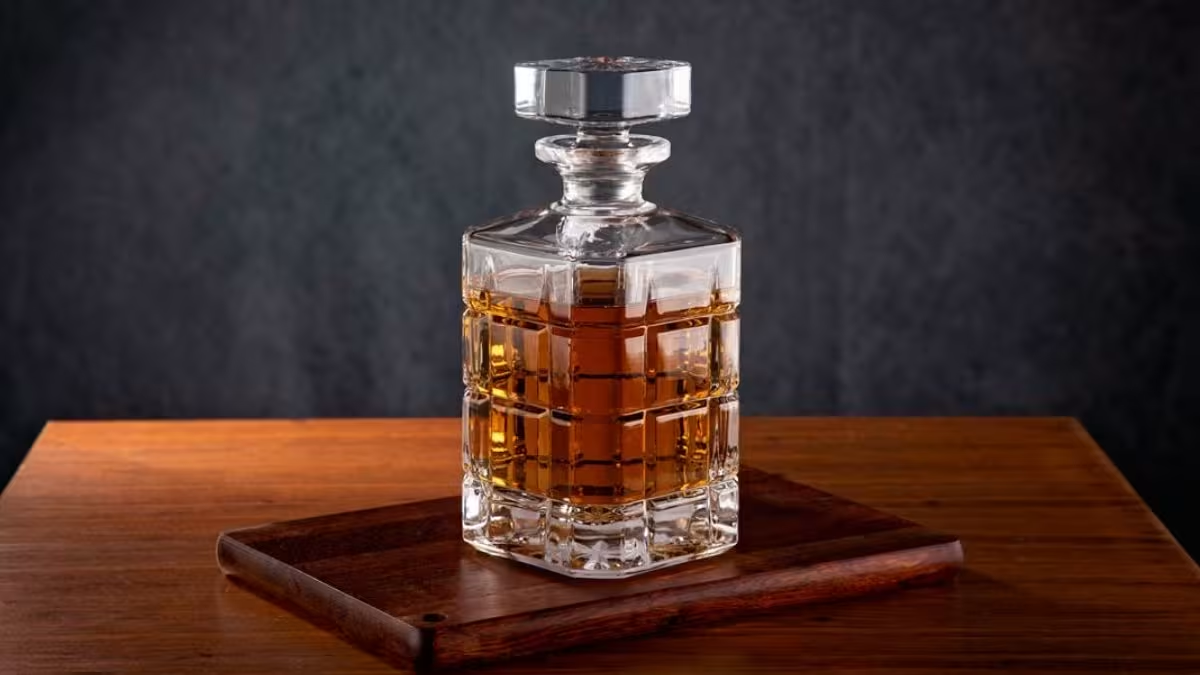
Fruit infusion in alcohol allows the liquor to absorb the flavours of the ingredients over time, creating a customised, uniquely flavoured alcoholic beverage. Here’s a brief look at the fruit infusion process:
Step 1 - Steeping: Flavorful ingredients are placed in a sealed jar or bottle with a spirit.
Step 2 - Extraction: Over hours, days, or weeks, the alcohol draws out the aromatic compounds and flavours. The fruit infusion takes different times, depending on the type of fruit:
Citrus Peel. Citrus peels are fast-acting because their aromatic oils extract quickly. Infuse for 1–3 days and taste regularly, as prolonged contact can introduce bitterness from the pith.
Berries and Melon: These take around 3-5 days. Make sure you taste test daily after the first 24 hours.
Stone Fruits and Apples: Stone fruits such as peaches, plums, and cherries typically take 5–10 days, while apples may require up to two weeks. Taste periodically to avoid over-extraction.
Step 3 - Straining: Once the desired flavour is reached, the solid ingredients are strained out, leaving a clean, flavoured liquid. To strain the liquid, pass the infused liquor through a fine-mesh strainer or cheesecloth into a clean bottle. A paper coffee filter can help you achieve that pristine, sediment-free finish.
The Fruit Infusion Checklist
Keep this checklist in mind when you infuse fruits into different liquors:
Equipment: Always use sanitised, airtight glass jars. If they are not airtight, the alcohol may evaporate or come in contact with airborne contaminants. Also, plastic, as it absorbs flavours and odours.
Preparation: Always wash the produce thoroughly before prepping it. Peel and chop fruit into even chunks to increase surface area for faster infusion.
Submersion: Ensure all fruit is completely submerged in the alcohol to prevent mould or spoilage.
Regular Test: Shake jars daily. Taste every 24-48 hours to gauge flavour and pull the fruit once the liquor tastes as per your preference.
Discard Solids: Always remove the spent (submerged) fruit after straining. It will rot or turn bitter when exposed to air after infusion.
Storage: Store your infused liquor in a cool, dark place. Most fruit-infused spirits keep for 6-12 months, but citrus variants are best consumed within a month.
Cocktails to Try with Fruit-Infused Liquor
When using fruit-infused alcohol as a base for any cocktail, avoid recipes that add so many ingredients that the infusion gets lost. These drinks showcase the infused spirit itself:
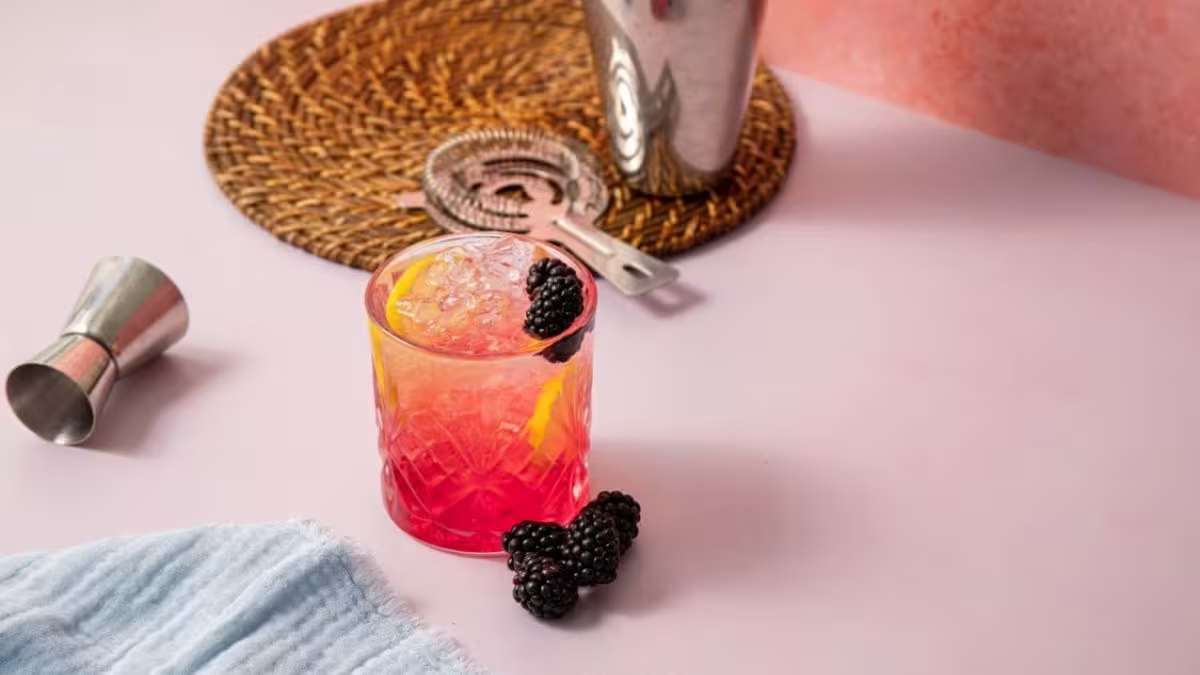
Bramble: A blackberry-infused gin works beautifully in a Bramble. The berry notes are amplified by the crème de mûre, while the lemon juice keeps the cocktail bright enough for a summer evening.
Moscow Mule: Strawberry, raspberry, or watermelon-infused vodka adds a fruity twist to the classic Moscow Mule cocktail. The spicy ginger beer further provides contrast without masking the fruit.
Margarita: Much like fruit-infused vodka in the Moscow Mule cocktail, fruit-infused tequila provides a flavourful base for the Margarita cocktail. Mango, pineapple, or watermelon-infused tequila are top choices because the fruit gets the spotlight while allowing the earthy agave notes to remain present.
Whisky Sour: Peach, plum, or muskmelon-infused whisky pairs naturally with a Whisky Sour cocktail. The fruit softens the spirit's richness while complementing the drink's sweet-sour balance.
Daiquiri: One of the most well-known rum cocktails is also a good adaptation for a fruit-infused base. You can opt for a mango or pineapple-infused rum. With just lime juice and sugar syrup alongside the rum, the infusion remains the star of the cocktail.
Conclusion
Fruit infusions may sound complex if you’re new to the technique, but once you get familiar with the process, you are likely to experiment with different bases, be it water, teas, or even milk! Because this is one of the best techniques to get a unique and completely customised liquid base. Just be sure of the pairing, thoroughly clean and prep the produce and equipment, and perform regular taste tests.
*Drink Responsibly. This communication is for audiences above the age of 25.
FAQs:
Fruit infusion is the process of steeping fresh fruit in alcohol to transfer its flavour, aroma, and colour into the spirit. The result is a naturally flavoured liquor that can be consumed neat or used in cocktails.
You May Also Like



Drink Responsibly. This communication is for audiences above the age of 25.

More from The Bar



Stay Inspired
Sign up to our newsletter for exclusive recipes, insider secrets and special offers - all delivered straight to your inbox.
