What Is The Difference Between Liqueur And Liquor? Here’s What You Need To Know
Introduction
Liquor and liqueur sound almost like the same word, and their near-identical spelling certainly does not help. It is easy to see why the two get swapped in conversation, especially when both refer to alcoholic drinks. But they are not interchangeable terms. Their differences come down to what is in the bottle, how it is made and how it is typically used. Once that distinction clicks, the bar vocabulary becomes considerably less confusing.
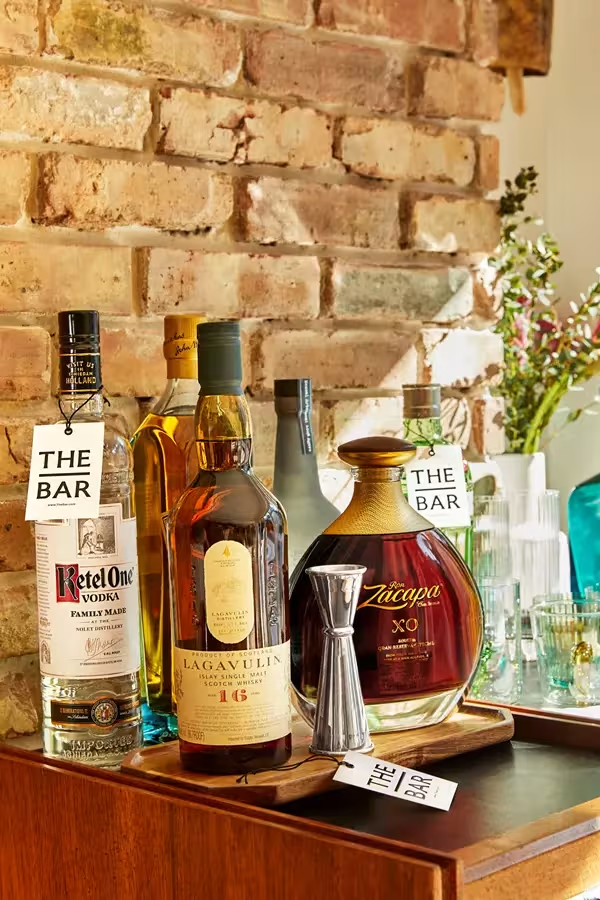
Brand references are indicative and can be changed as per preference.
Why Is the Liqueur Meaning Different From Liquor?
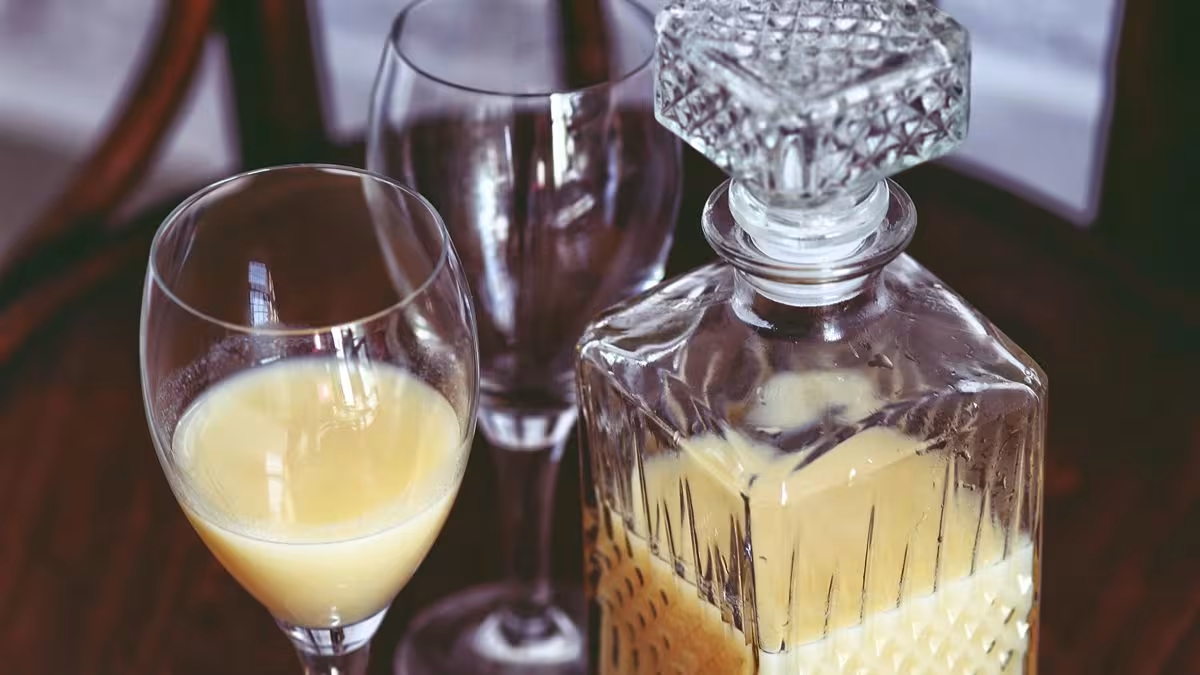
Understanding the liqueur meaning involves examining how the category is characterised. According to the regulation of the European Union, liqueurs are defined as alcoholic beverages with added sweetness and flavour. Among the sweetening ingredients in liqueurs, one may find fruits, herbs, spices, coffee, nuts and cream.
This is essentially what provides liqueurs with specific flavours (that distinguish them from liquor). For instance, while one product may exhibit the bitter taste of orange peel, others may taste like brewed coffee or vanilla.
So, What Does Liquor Mean?
The liquor meaning is a broader term. In everyday speech, liquor refers mainly to distilled spirits, such as whisky, vodka, rum, gin and tequila. These items are produced by distillation and used as foundational ingredients in cocktails.
Now here is where the terminology gets interesting. A bottle of whisky and a bottle of orange liqueur can both exist on the same counter but perform opposite functions. One usually gives the cocktail its prominent character, and the other gives sweetness and specific taste.
Why Can't Liqueur And Liquor Be Used Interchangeably?
Because they describe different traits. Liqueurs are different, as they are sweetened and flavoured, so to call every distilled drink a liqueur would be a misrepresentation. In contrast, the use of “liquor” to refer specifically to a liqueur can strip away an important part of the ingredient’s identity.
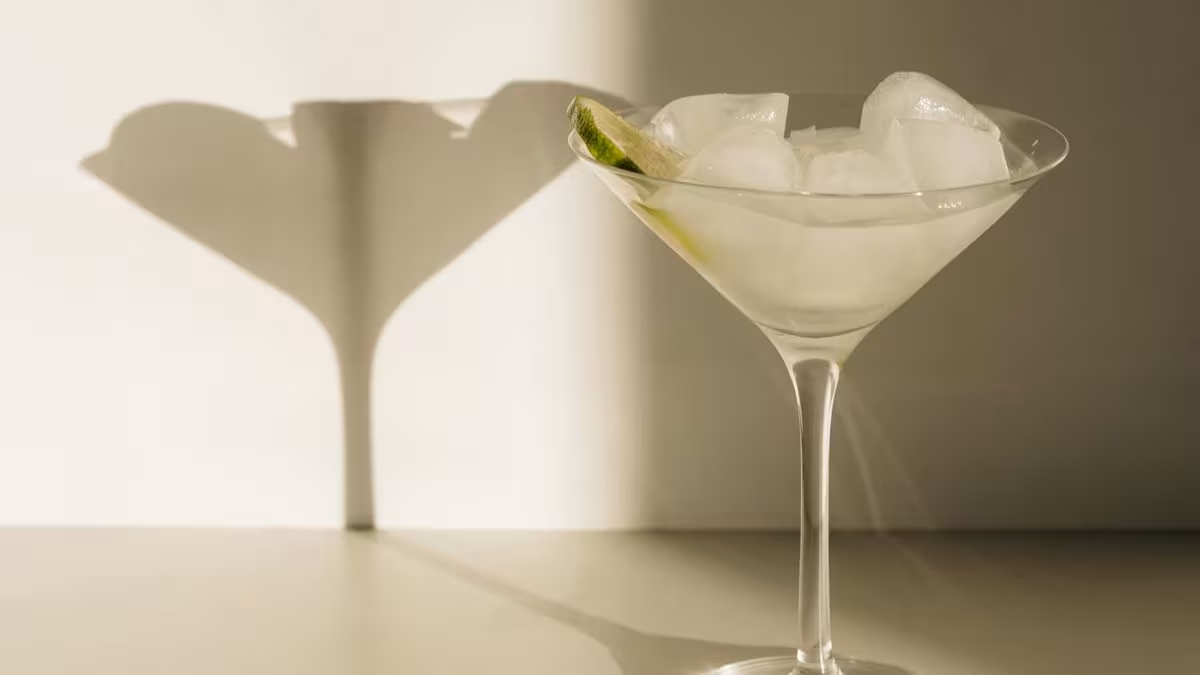
Think about a Margarita cocktail. Tequila provides the central agave character, while orange liqueur contributes citrus sweetness and aroma. Removing one and replacing it with an unrelated distilled spirit would change the cocktail's flavour structure rather than simply changing its terminology.
What Makes Liqueurs So Distinctive?
The liqueur meaning is particularly useful when exploring flavour because the category covers an enormous range of profiles. Sweetness is important, but it is not the whole story.
Some established styles lean towards:
Citrus: orange peel, lemon and other bright citrus notes
Coffee: roasted, dark and bittersweet flavours
Herbal: botanical, aromatic and sometimes bitter characteristics
Fruit: concentrated berry, cherry or other fruit flavours
Cream: richer profiles often combining dairy with vanilla, cocoa or other flavours
Spice: baking notes from ingredients such as cinnamon or other spices
This range is why two liqueurs can taste completely unrelated despite belonging to the same broad category.
Where Does Liquor Fit Into A Cocktail?
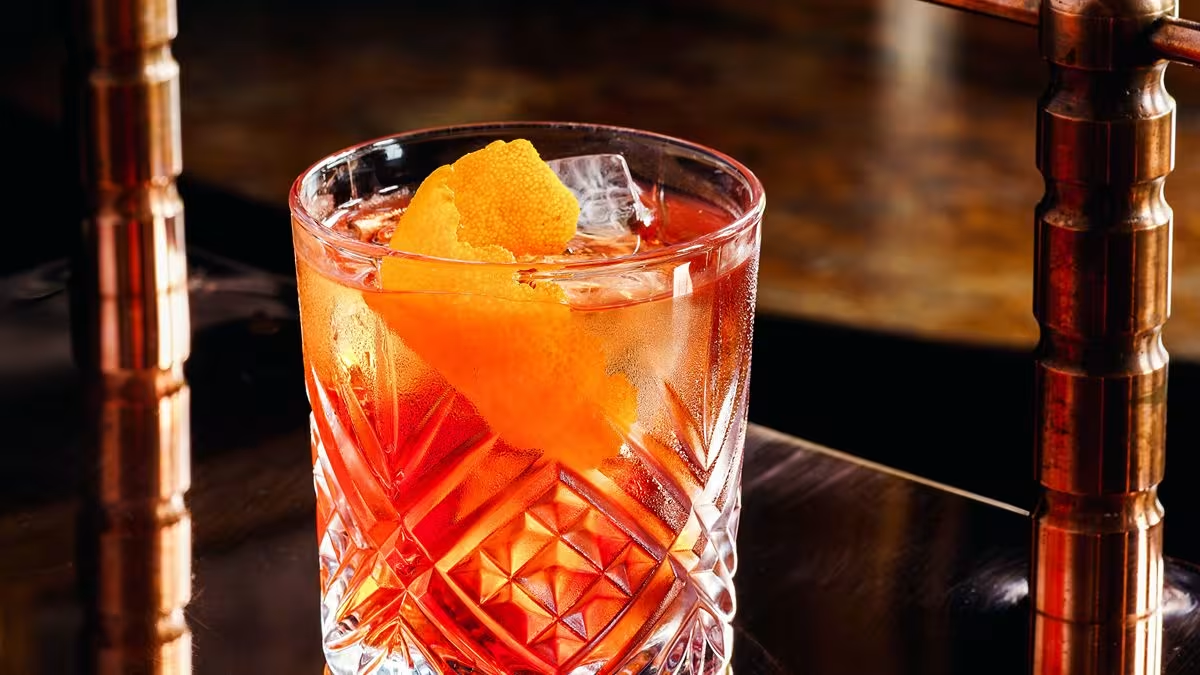
When you start discussing cocktail composition, the meaning of liquor becomes important. Different liquor types such as vodka, whisky, rum, gin and tequila bring their own unique flavours to the table.
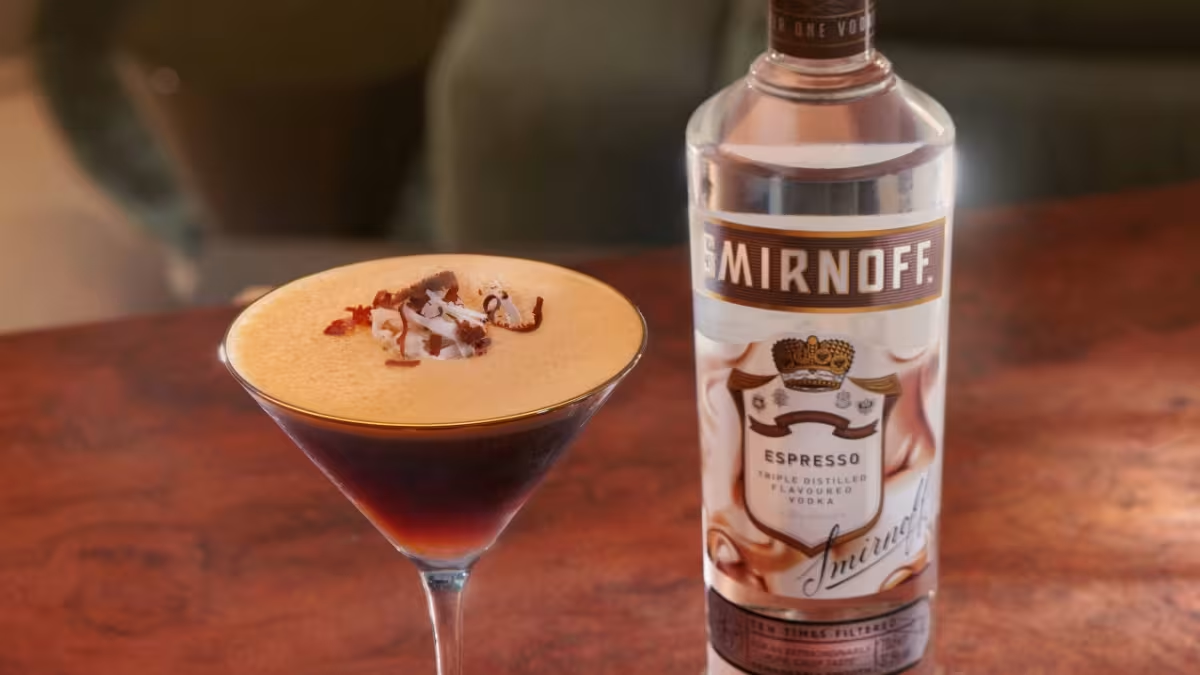
The cocktail might use a liqueur on top of the liquor. For instance, in the case of the famous Espresso Martini cocktail, the liquor is vodka, and the liqueur is a coffee liqueur. Here, it is crucial to understand that different ingredients are used for different purposes.
Does The Difference Affect How They Taste?
Definitely, a distilled spirit may show some of the characteristics from the raw materials, fermentation, distillation and sometimes maturation. On the other hand, a liqueur contains another level of flavour caused by the sweetening and flavouring process.
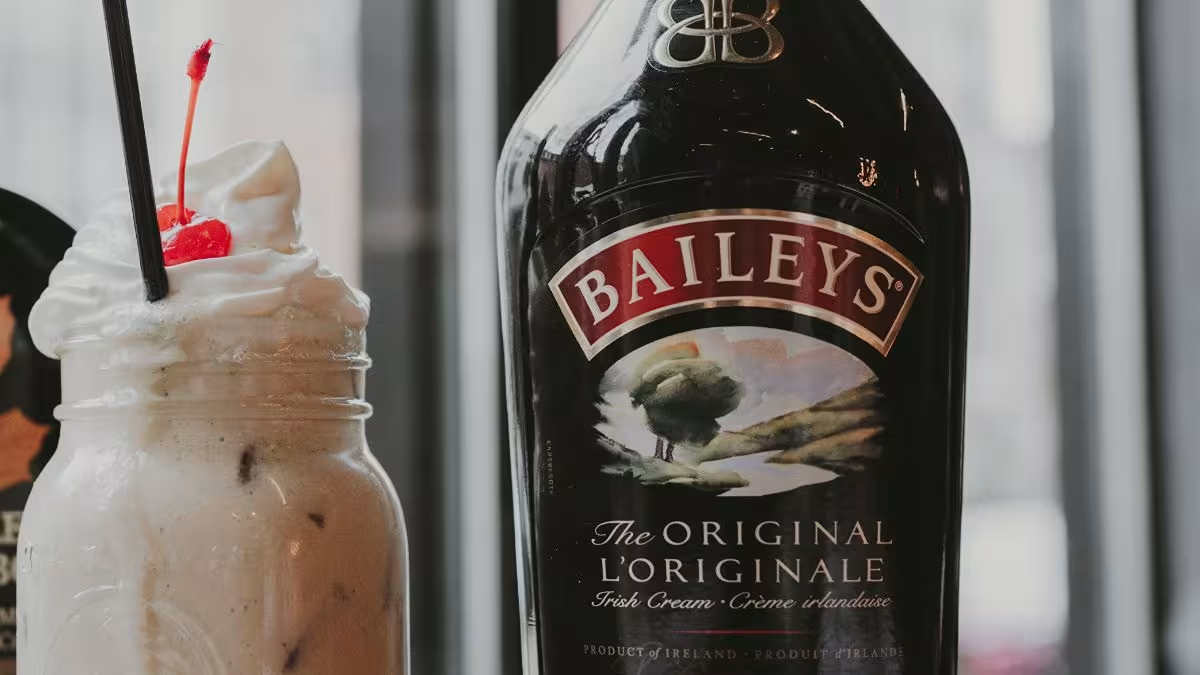
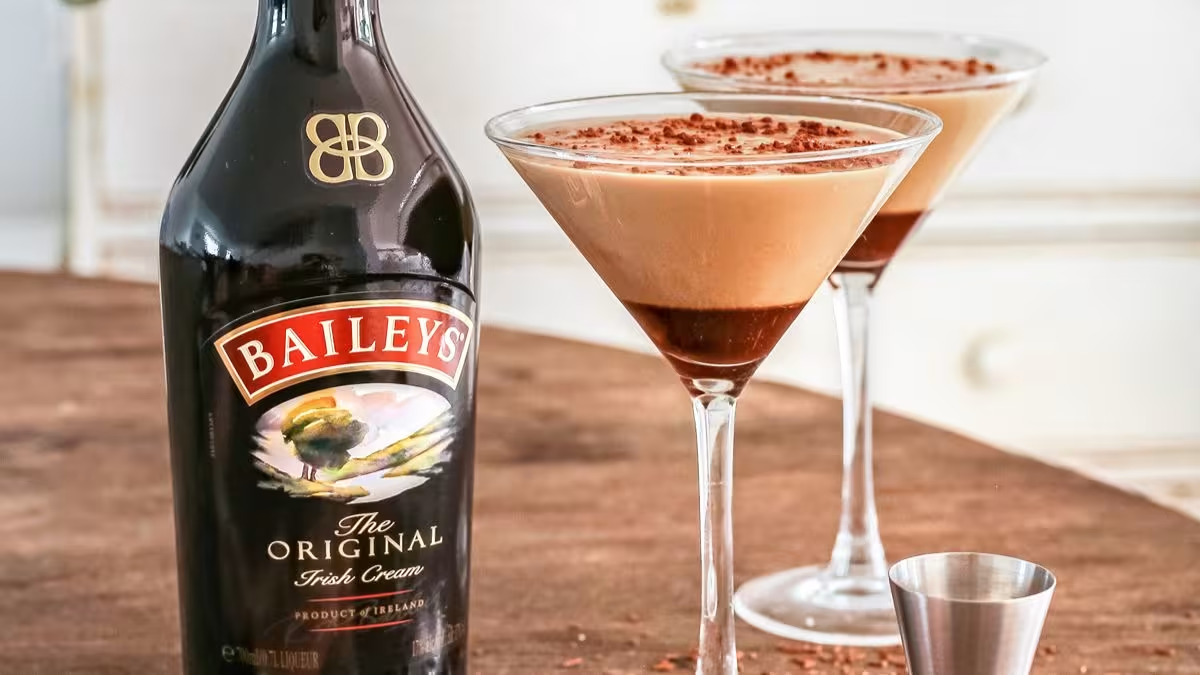
A good reference for this is Baileys Original, which mixes Irish whisky and cream along with added flavours like cocoa and vanilla. Therefore, Baileys Original has its own flavour profile, which is not the same as the whisky’s flavour profile. Thus, it is not just a "sweeter spirit"; rather, it is a component designed to meet the needs of a certain flavour profile.
Liqueur Vs Liquor: Simplest Way To Remember The Difference
If the words still look confusing, focus on their roles rather than their spelling:
Liquor: a broad everyday term for distilled alcoholic beverages.
Liqueur: a sweetened and flavoured spirit drink within a defined category.
Cocktails: can use both, with each contributing different flavour and structural elements.
The similar-looking names may confuse, but the ingredients tell a much clearer story.
Conclusion
Although the words liquor and liqueur look quite similar, in essence, they refer to two fundamentally different categories. The term liquor denotes a wide variety of distilled spirits, while the term liqueur stands for the sweetening and flavouring of distilled spirits. This distinction allows the reader to better understand cocktail menus, recipes and the language used in bars.
*Drink Responsibly. This communication is for audiences above the age of 25.
FAQs:
Because they are so close in both writing and pronunciation. However, the meanings refer to different categories. The word liqueur refers solely to sweetened and flavoured spirits.
You May Also Like





Drink Responsibly. This communication is for audiences above the age of 25.
Yash Lakhan


More from The Bar


Stay Inspired
Sign up to our newsletter for exclusive recipes, insider secrets and special offers - all delivered straight to your inbox.
