Tequila Vs Mezcal: Understanding The Difference Between Mexico's Agave Spirits

Introduction
Tequila is a distilled spirit from Mexico made primarily from blue Weber agave and is produced in designated areas under strict regulations. Mezcal is the general category of protected spirits produced from agave plants—tequila is a specific variety of agave spirit in that category. The differences between mezcal and tequila go beyond the ingredients. Such distinctions involve the varieties of agave used, the manufacturing process, the area of production, and their unique flavour profiles.
What Makes Tequila Different From Mezcal?
Both spirits are made from agave, but tequila has to be made from the blue Weber agave (Agave tequilana Weber Blue). Mezcal, in contrast, can be produced from dozens of approved varieties of agave, the most commonly grown being Espadín. Most tequila is produced in Jalisco and in selected municipalities in four other Mexican states, while mezcal has a wider denomination that covers nine states, with most of the production being in Oaxaca.
Agave And Production Shape The Final Spirit
Production approaches have a huge influence on the flavour. Tequila makers often steam or bake the agave piñas in the oven or in pressurised devices. Therefore, the final spirit has a clear and clean flavour. Mezcal is produced using completely different methods. For mezcal, the agave is roasted in underground earthen pits. This technique creates the distinct earthy and smoky flavour of mezcal.
Tequila Alcohol Percentage
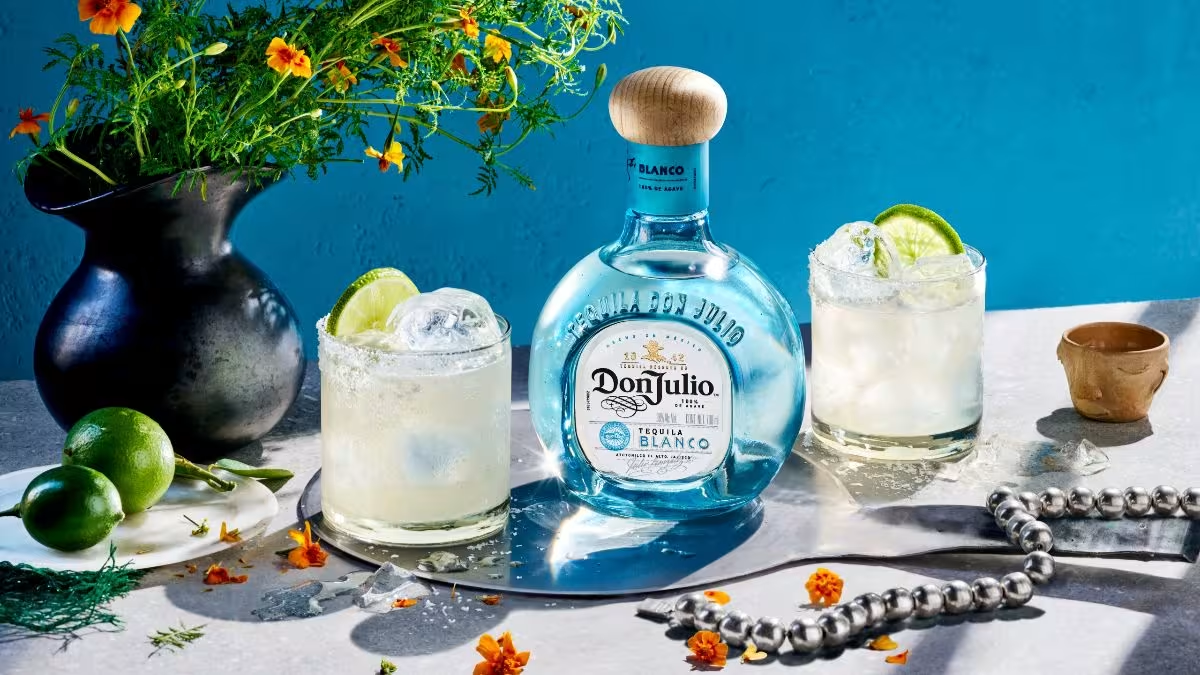
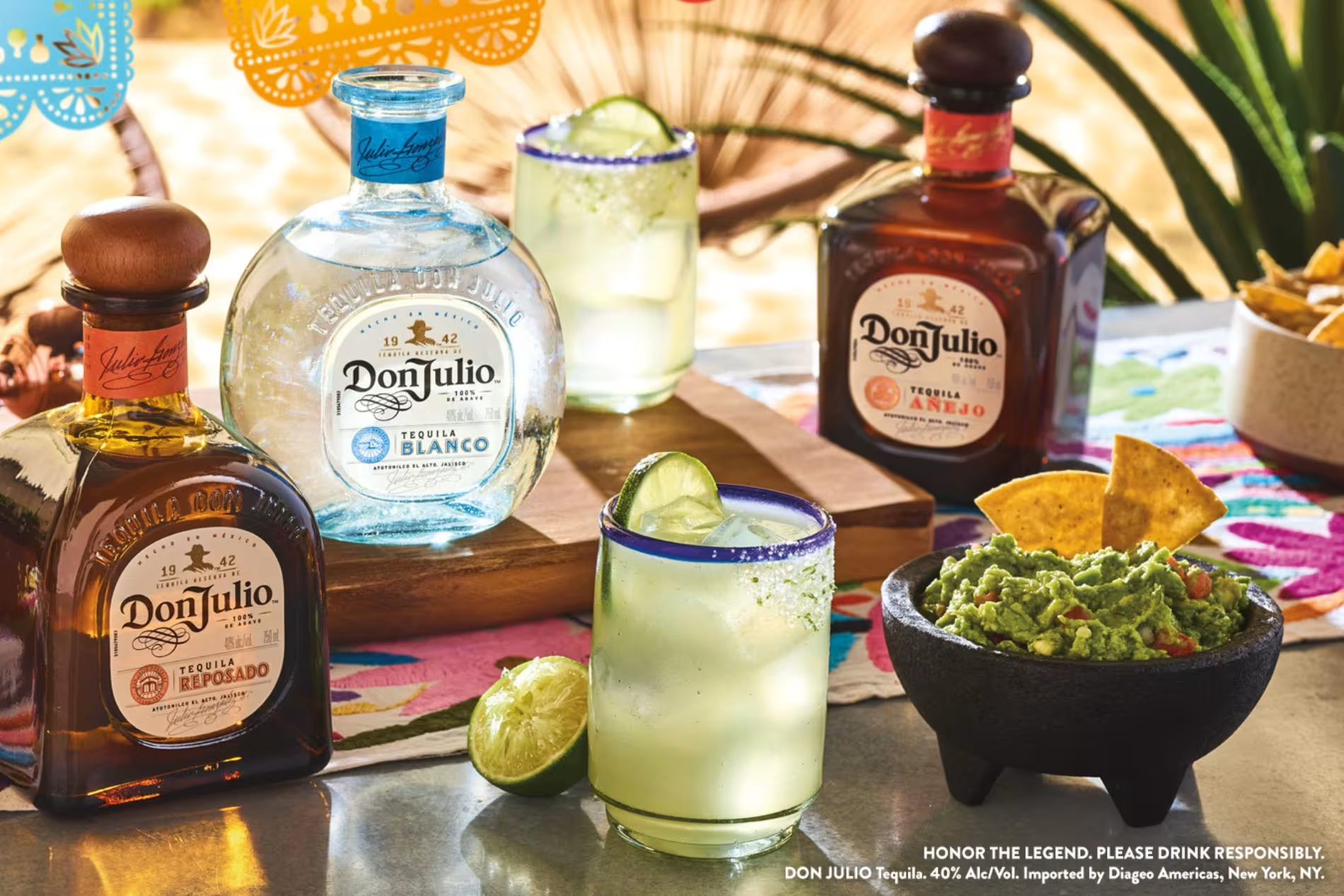
Many people frequently wonder about how much alcohol tequila has. According to Mexican law, tequila must contain alcohol between 35% and 55% ABV (Alcohol By Volume), though many variants available internationally contain 40% ABV. Premium brands of tequila like Don Julio prove that flavour depends on the production process and age, not merely the assertiveness of the alcohol.
Tequila vs Mezcal: Key Differences At A Glance
Agave: Tequila uses only the blue Weber variety; mezcal may use many species of agave.
Origin: Five states are authorised for the production of tequila and nine for the certification of mezcal.
Cooking: Agave is typically steamed or baked for tequila, but mezcal is traditionally roasted in earthen pits.
Flavour: Tequila usually has citrus, pepper, cooked agave and herbal notes, while mezcal generally has smoke, earth, roasted herbs and mineral complexity.
How To Choose Between Tequila And Mezcal
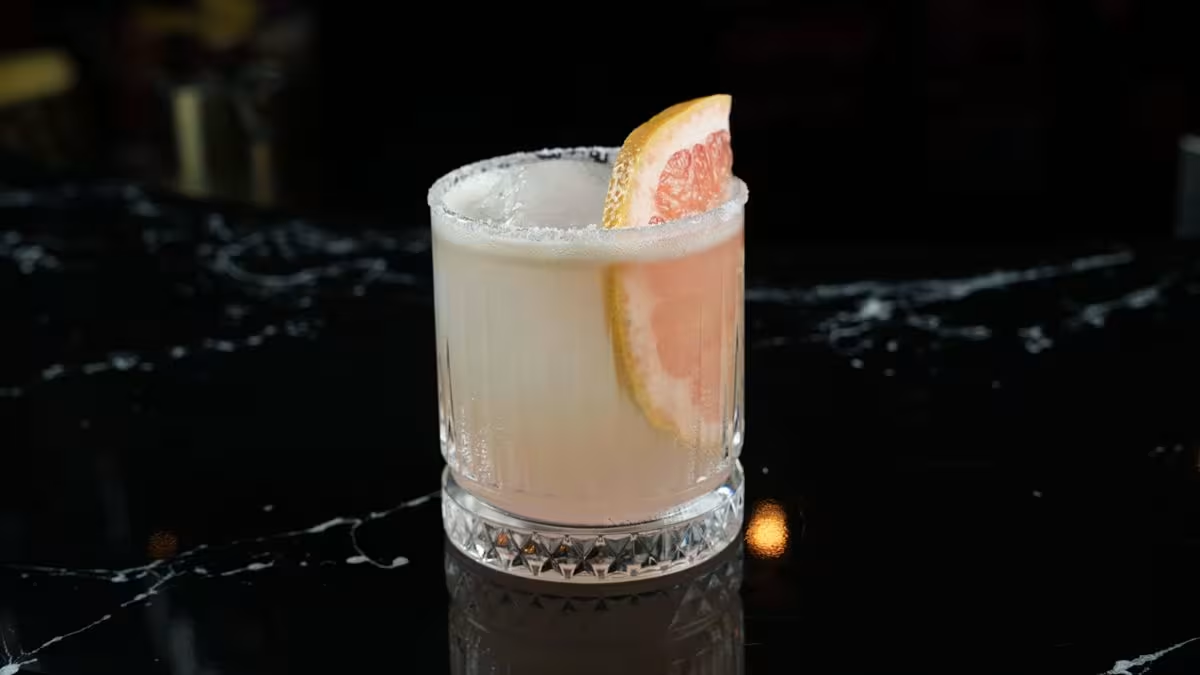
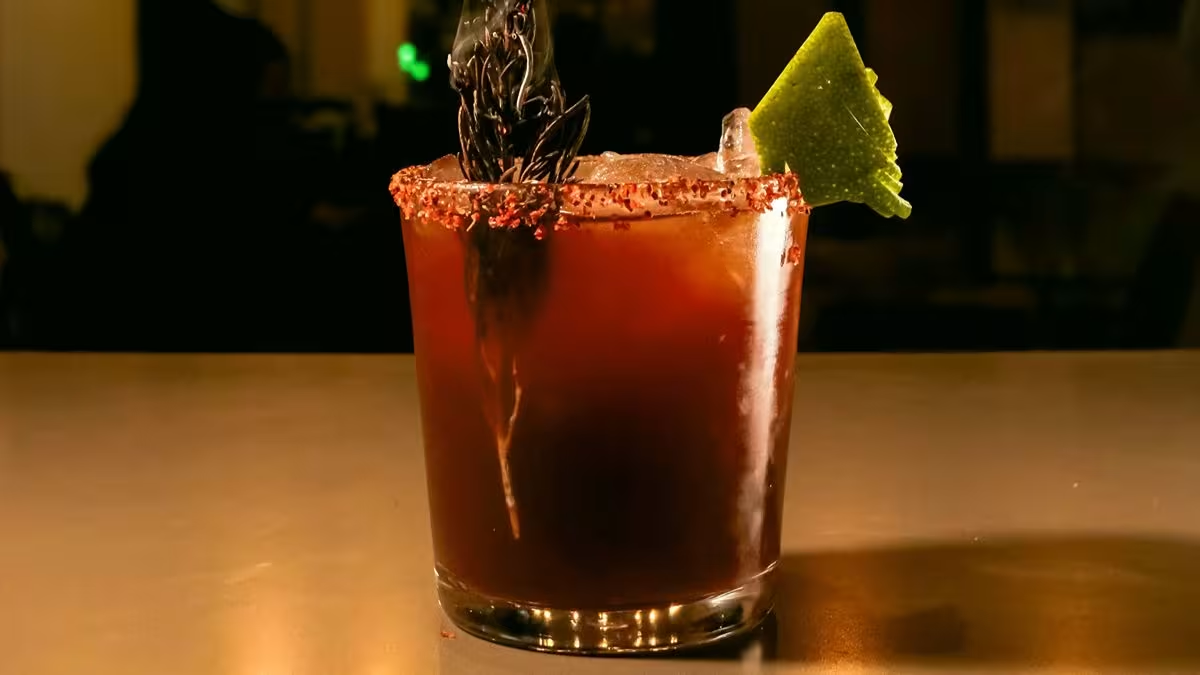
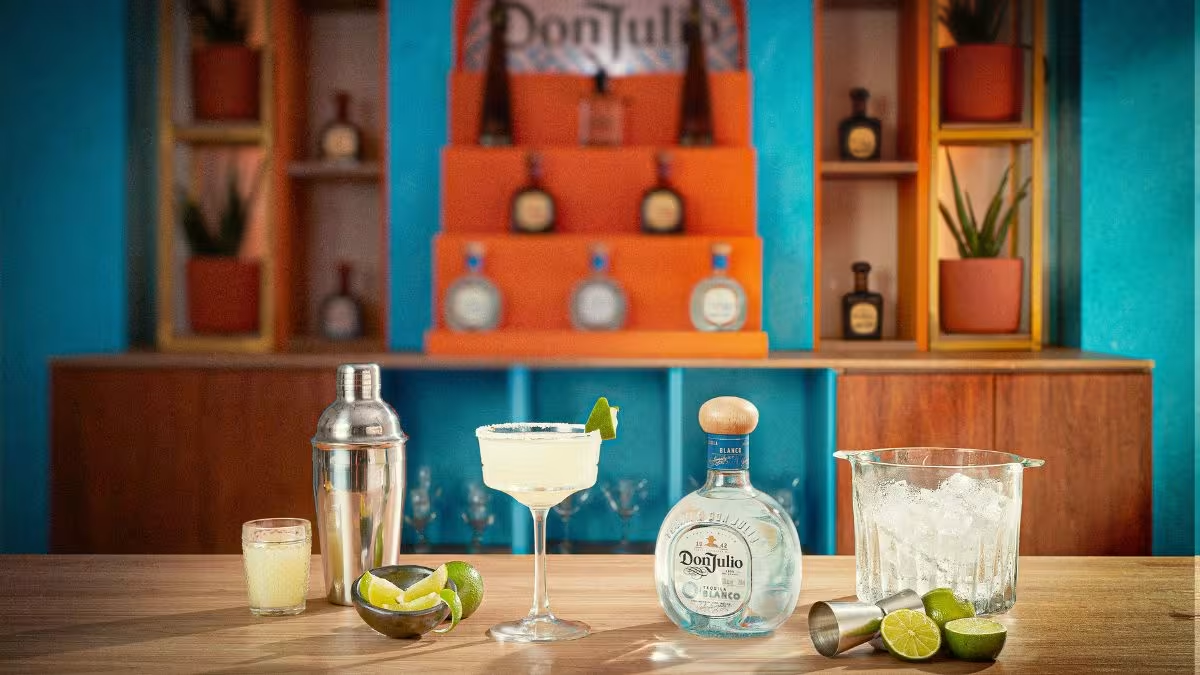
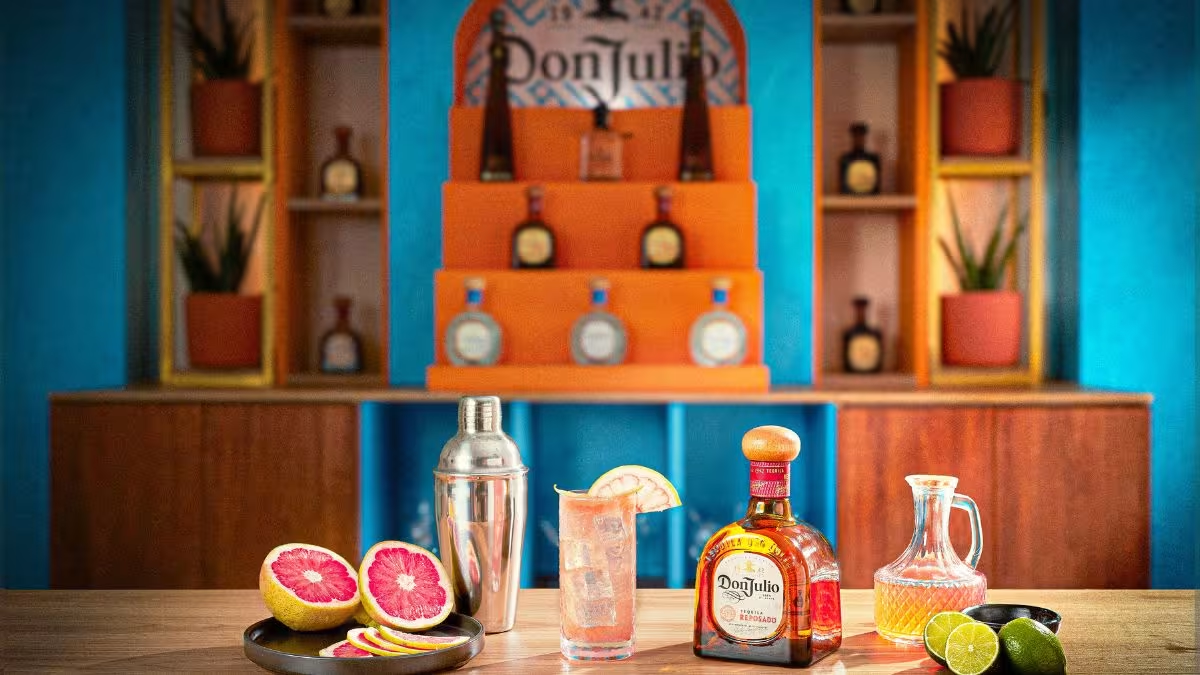
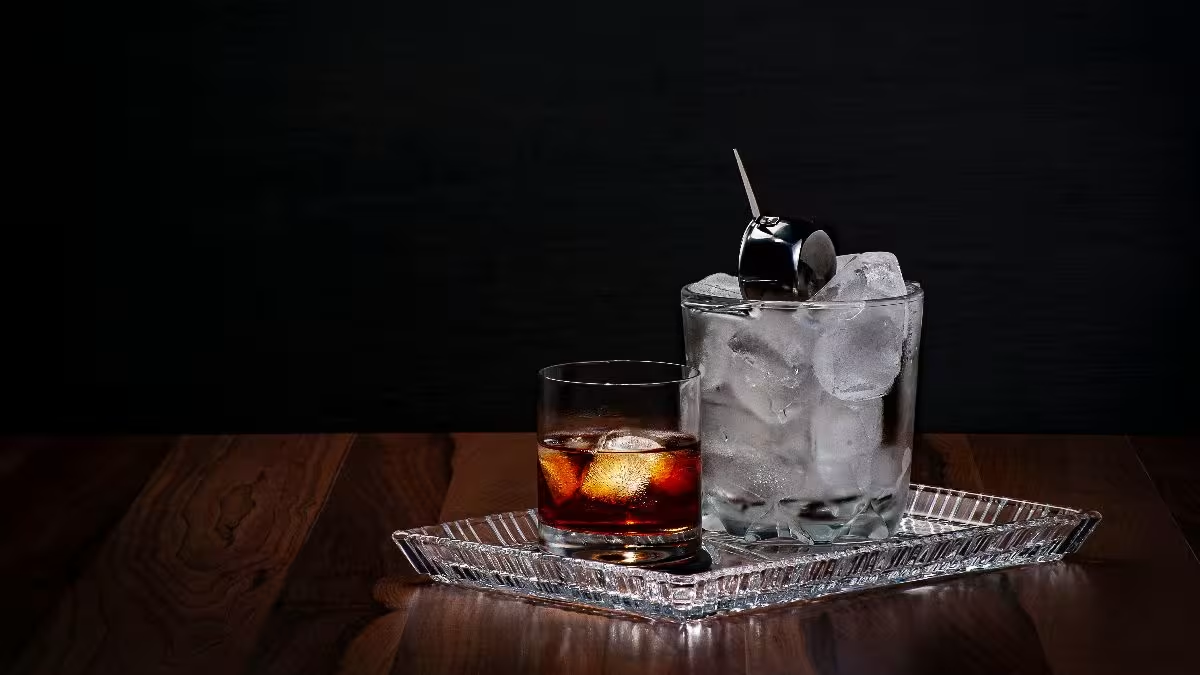
The difference lies in the character of the drinks and what flavours one wants in the drink. Tequila is the best choice when a bright agave aroma, citrus and piquant touch is needed, such as in the case of the Margarita cocktail and the Paloma cocktail. Mezcal is better used where a smoky, earthy taste is needed in drinks, such as the Mezcal Negroni cocktail and the Oaxaca Old Fashioned cocktail.
Conclusion
Tequila and mezcal are produced using the agave plant, but there are differences in terms of geography, allowed agave species, production method, and flavour notes. Knowing the difference between the two, in terms of production, alcohol percentage, etc., provides a better understanding of the flavour and texture of both spirits. Each spirit has its own individual characteristics that illustrate the diversity of distillation processes in Mexico.
*Drink Responsibly. This communication is for audiences above the age of 25.
FAQs:
Tequila is a distilled spirit from Mexico made primarily from blue Weber agave and is only produced in authorised regions under protected production regulations.
You May Also Like





Drink Responsibly. This communication is for audiences above the age of 25.
Yash Lakhan


More from The Bar


Stay Inspired
Sign up to our newsletter for exclusive recipes, insider secrets and special offers - all delivered straight to your inbox.
