Don Julio Blanco Vs Reposado Vs Añejo: Decoding The Key Types Of Tequila
Introduction
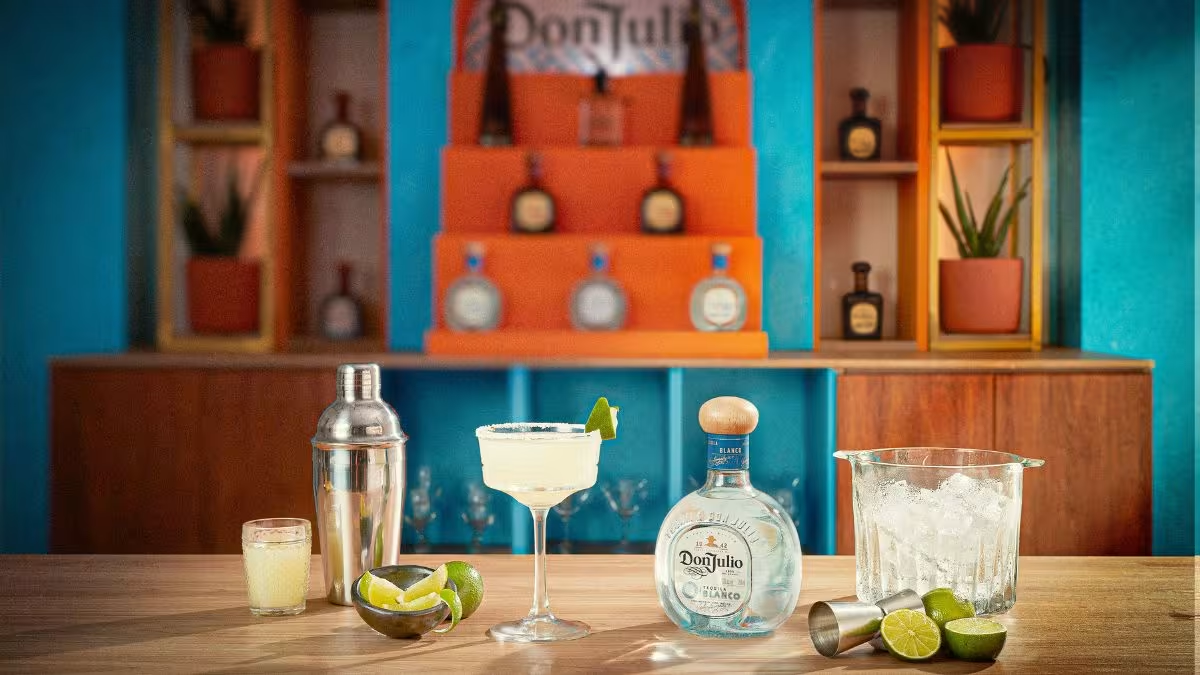
From the classic Margarita cocktails to neat pours in small glasses, tequila has long established its spot on the bar menu. However, is it the “silver” blanco that gets mixed into cocktails or the golden amber reposado? If this question confuses and intrigues you in equal measures, then here is a detailed guide on the different types of tequila.
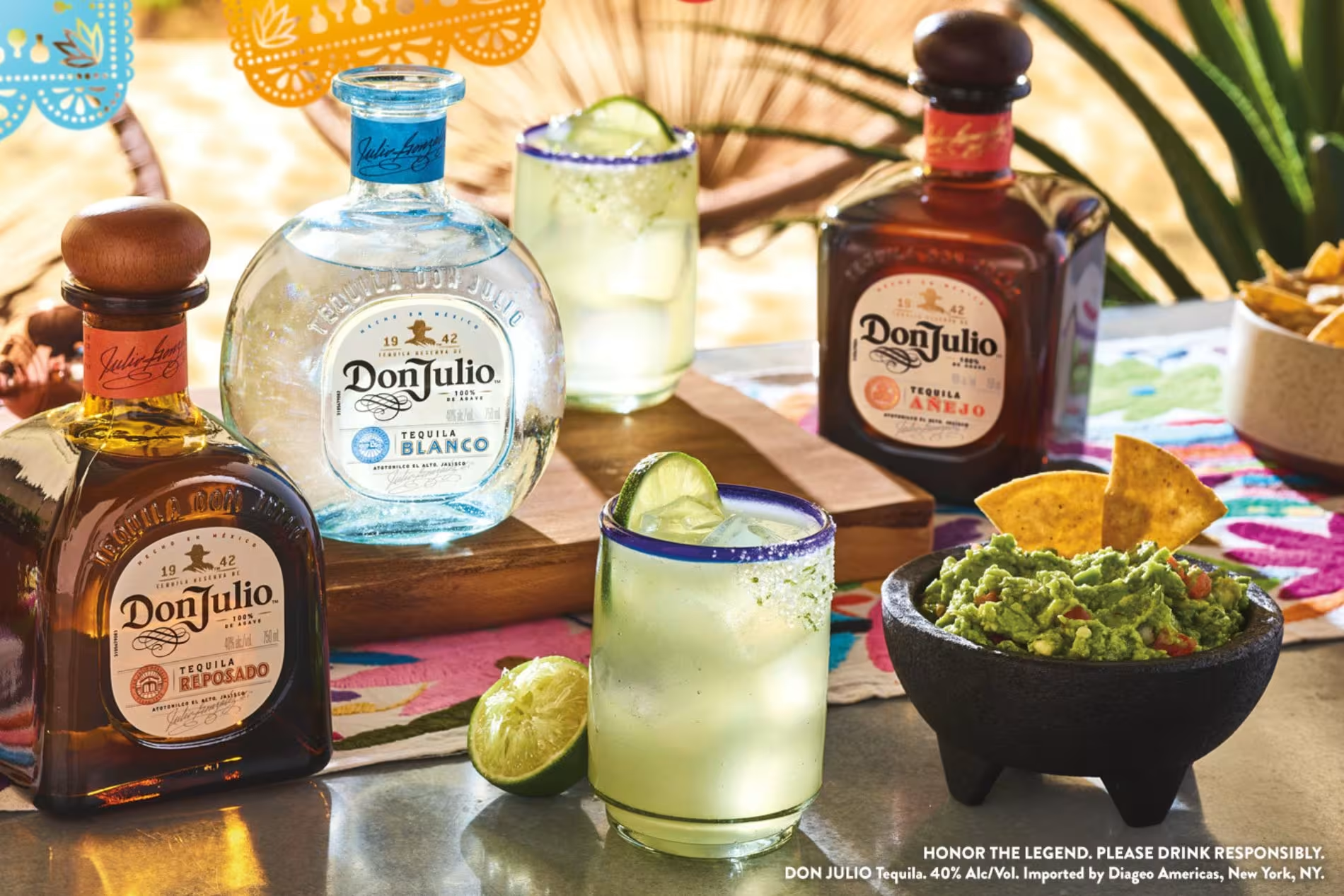
Tequila has multiple variants. Take, for example, the tequila brand Don Julio. It has the Don Julio Blanco, the Don Julio Reposado, the Don Julio Añejo, and the Don Julio 70 Cristalino, among others. However, the three types of tequila that are most common are the blanco, reposado, and añejo.
Read ahead to understand how the types of tequila differ in terms of ageing, flavour, colour, and uses, i.e., is it better suited for sipping or mixed into cocktails.
Production Process And Types Of Tequila
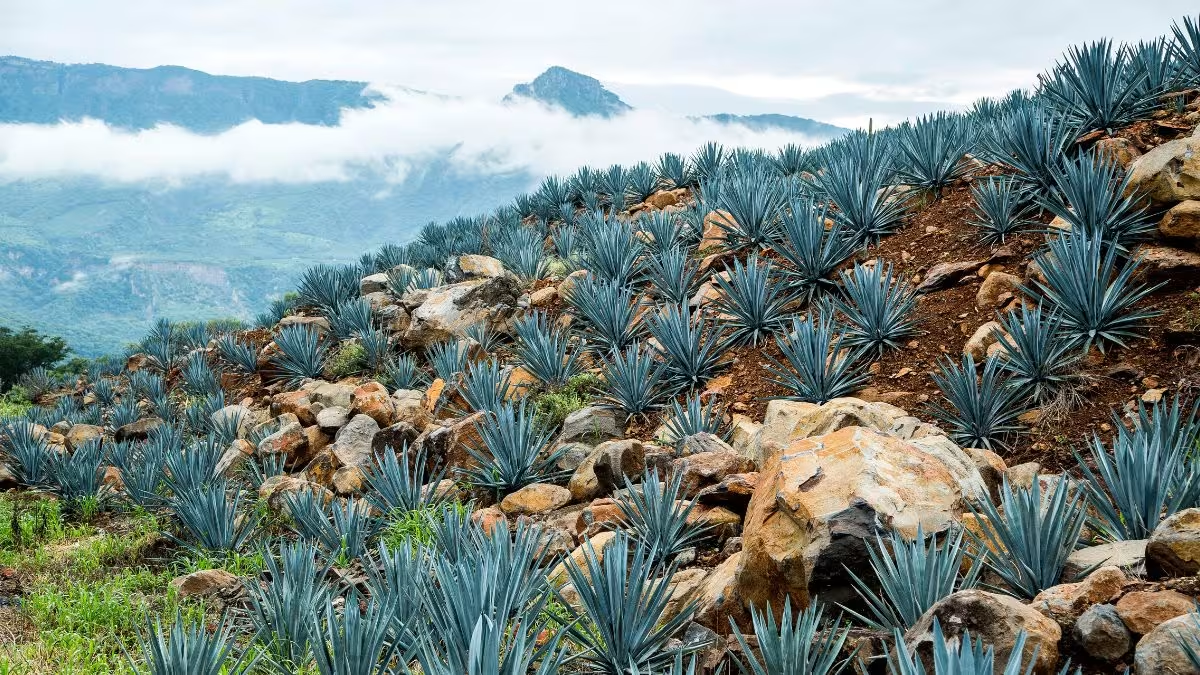
Before understanding the types of tequila, it’s important to understand how tequila is made. Tequila is made from steamed, fermented, and distilled blue agave plants.
Here’s the production process:
Harvesting: 7–10 year-old blue agave plants are harvested, leaving only the heart, or piña, which can weigh over 40 kg.
Cooking: The piñas are cooked in traditional brick ovens or modern autoclaves to convert starches into fermentable sugars. This step typically lasts 24–48 hours.
Crushing/Milling: Cooked agave is crushed—traditionally with a stone wheel (tahona) or mechanically with roller mills—to extract the sugary "honey water".
Fermentation: The juice is fermented in stainless steel or wood tanks, converting the sugars into alcohol.
Distillation: The fermented liquid is distilled twice, usually in copper pots. The first distillation produces ordinario (~20 per cent ABV), and the second results in the final tequila (~55 per cent ABV before dilution).
Ageing: The twice-distilled tequila is aged in oak barrels to create types like blanco, reposado, or añejo.
Blanco/Silver: Unaged or rested for less than 2 months.
Reposado ("Rested"): Aged for 2 months to 1 year in oak barrels.
Añejo ("Aged"): Aged for 1–3 years.
Extra Añejo: Aged for over 3 years.
Other Types of Tequila
There are two other types of tequila, not determined by ageing but by blend and distillation:
Joven: A blend of blanco and aged tequilas, this is typically smoother than blanco. It is typically golden and may even have added colour/flavour. This brings a more nuanced flavour to typical tequila cocktails like the paloma cocktail or a tequila-based Old Fashioned cocktail.
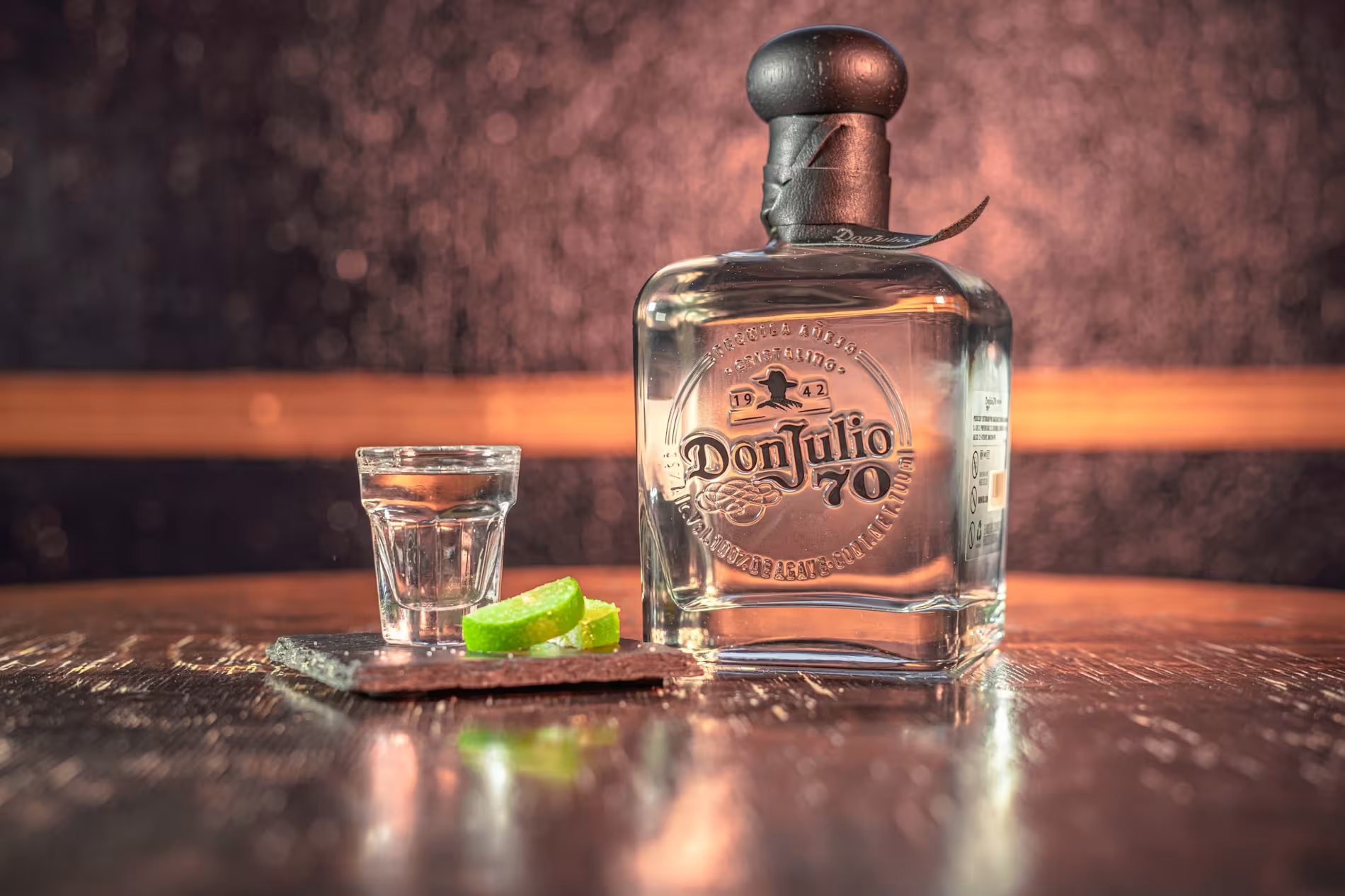
Cristalino: Reposado or añejo tequila that is charcoal-filtered to remove colour, offering the complexity of ageing with the crispness of a blanco. This tequila, like the Don Julio 70 Cristalino, is ideally consumed neat or on the rocks to highlight its refined, soft profile.
A tequila, irrespective of the ageing, must have the following:
Produced in designated regions of Mexico, primarily Jalisco.
To be labelled "100 per cent Blue Agave," it must contain no other sugars. "Mixto" tequila contains other sugars, but it must also contain at least 51% blue agave.
Tequila must have at least 38 per cent alcohol by volume (ABV)
Now, let’s take a look at the four key types of tequila (based on ageing).
Blanco
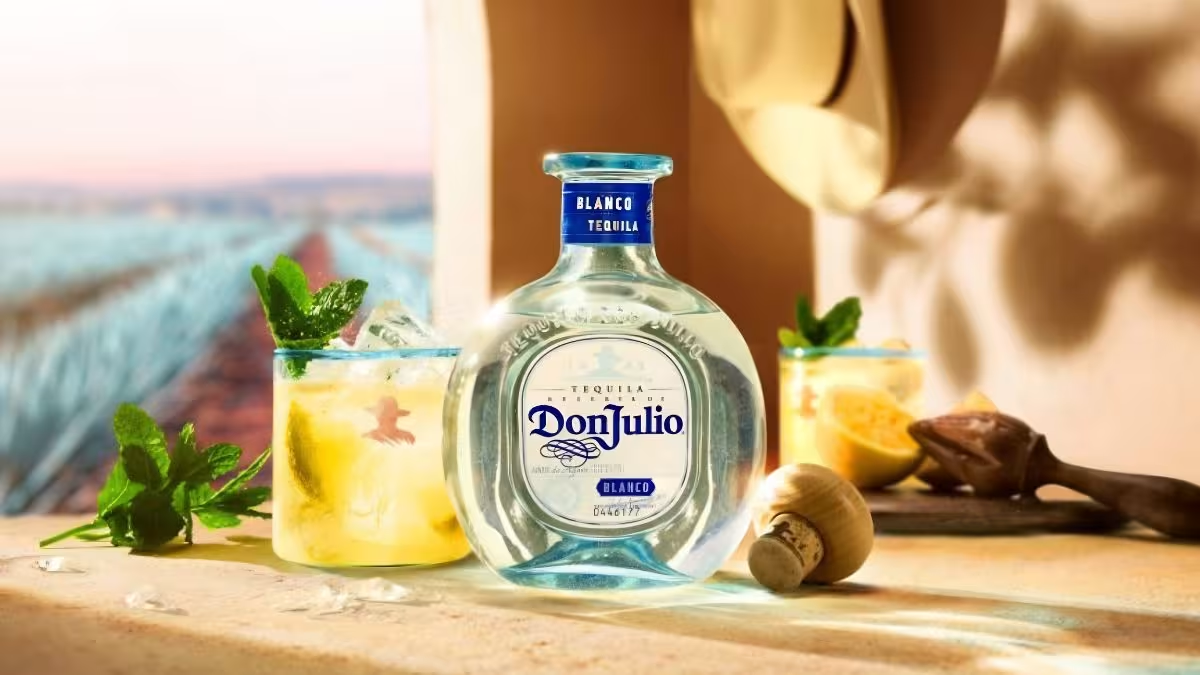
Blanco, which means white in Spanish, is the universal term for tequila that’s not aged. Blanco tequila, also known as silver tequila, is clear (or white) with no colour from wood ageing. It has crisp, earthy, or citrus notes, showcasing the purest agave flavour. Take the example of Don Julio Blanco. Listed around ₹7,000–₹7,500 in India, it is a crisp spirit with hints of citrus.
Best way to sip Blanco: Most common use is in cocktails (Margarita or Paloma cocktails, for example).
Reposado
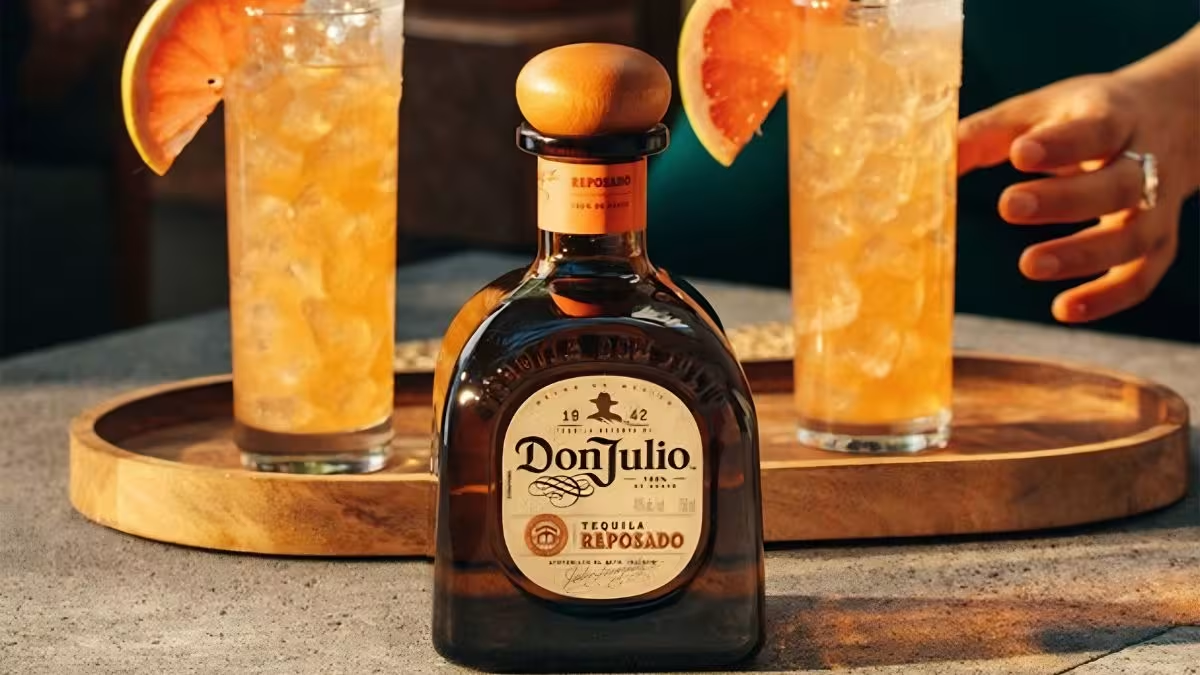
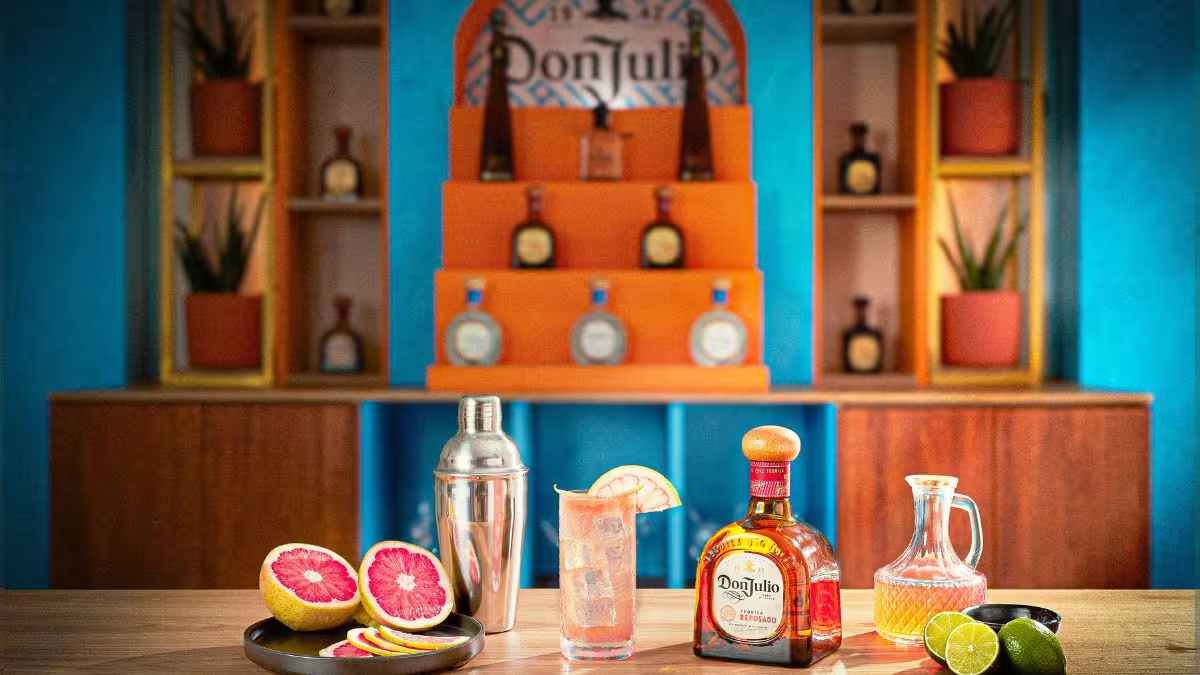
Reposado is Spanish for “rested”, and it perfectly describes this type of tequila. The reposado tequila is aged in oak barrels (American or French) for at least two months but less than one year. The 2-to-12 month window hits the sweet spot where oak impacts the flavour, without burying the agave – any longer and the oak begins running the show. A reposado, thus, bridges the gap between raw agave-forward blanco and woody añejo, offering a pale gold colour with smooth notes of vanilla, caramel, and oak while retaining agave flavour. As an example, take a look at Don Julio Reposado. Priced between ₹6,800 and ₹10,500 for a 750ml bottle, it is aged for eight months, is golden amber in colour, and has a mellow citrus flavour with hints of dark chocolate and cinnamon.
Best way to sip Reposado: It is ideal for sipping neat or consuming chilled on the rocks. A neat pour of Don Julio Reposado, for example, would evoke hints of orange, apple, chocolate and vanilla. In case of cocktails, it’s best used for speciality drinks or craft cocktails like the bittersweet and herbal Rosalita cocktail.
Añejo
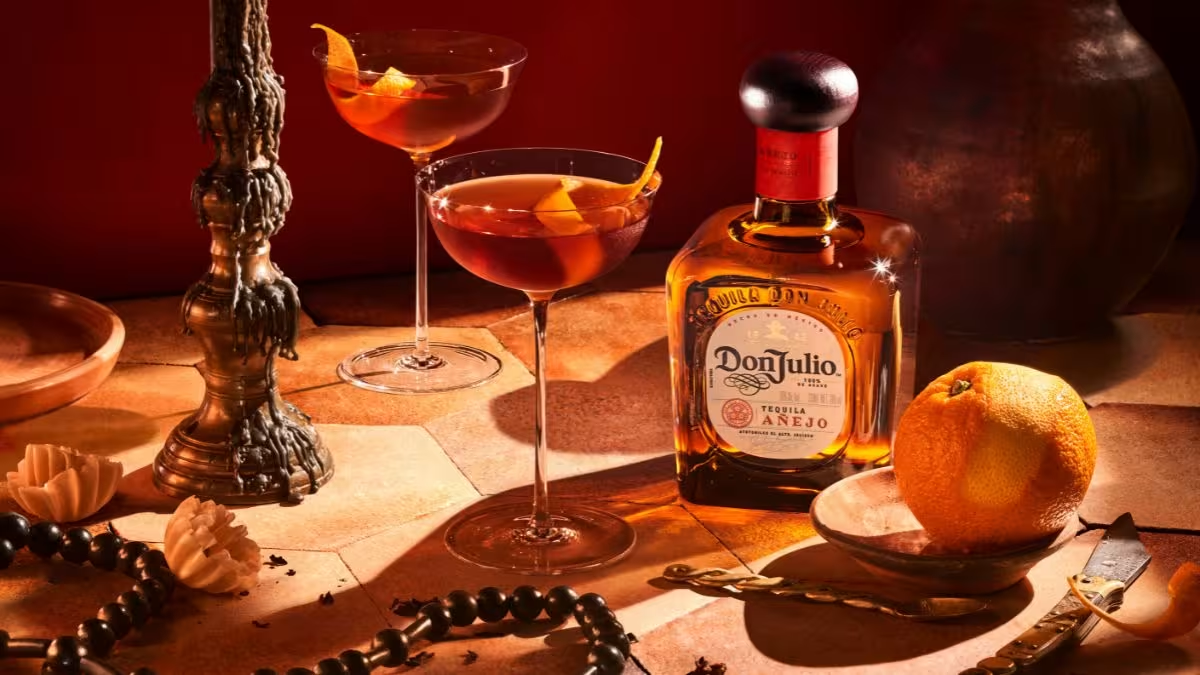
Añejo (aged in Spanish) tequila is an aged spirit, matured in oak barrels. The result is a dark amber coloured drink with smooth, complex flavours like vanilla, caramel, and baking spices. To understand this with an example, let’s consider Don Julio Añejo, which balances agave, wood and hints of vanilla. In India, it is priced between ₹9,000 and ₹11,500 and available in only select stores.
Best way to sip Añejo: Ideally designed for sipping neat, Añejo, particularly Don Julio Añejo, also works in whisky-inspired tequila cocktails like an Old-Fashioned or Manhattan cocktails, or a stiff, equal parts drink like the Negroni cocktail.
Extra Añejo
Extra Añejo tequila takes ageing a step further, with the spirit matured in oak barrels for more than three years. Introduced as an official category in 2006, this style is known for its deep amber colour and layered, complex profile. Over time, the influence of the wood becomes more pronounced, resulting in rich notes of dried fruit, toffee, dark chocolate, and warm spices, while the agave character becomes more subtle and rounded. For instance, Don Julio 1942, often priced upwards of ₹20,000 in India, is known for flavours of caramel, vanilla, and roasted agave.
Best way to sip Extra Añejo: Reserve this one for sipping neat, much like a fine whisky or cognac. Its depth and complexity are more pronounced when sipped neat, rather than in cocktails.
Añejo Tequila vs Reposado
Silver tequila, like the Don Julio Blanco, is clearly defined by its colour and taste, but the difference in añejo tequila vs reposado may seem less obvious. Here’s how the two compare:
Ageing Time: Reposado is aged 2–12 months. Añejo is aged 1–3 years.
Flavour Profile: Reposado features hints of vanilla, caramel, and light spice with strong agave notes. Añejo offers deeper, richer flavours of caramel, dried fruit, and heavy oak/wood influence.
Colour: Reposado is light gold, while añejo is a darker amber.
Best Usage: Reposado is more versatile than añejos, and can be used for both sipping or in craft cocktails. Añejo is consumed neat or on the rocks, similar to sipping whisky.
Price: Reposados are generally less expensive than añejos; the latter is more premium priced due to longer ageing.
The tequila variants make it clear that there’s more to this spirit than what meets the eye. And knowing more about the types of tequila can help you make the right choice when ordering at a bar or buying a spirit. Simply put, the next time you order a Picante cocktail or sip a tequila on rocks, you’ll know what actually goes into your drink!
*Drink Responsibly. This communication is for audiences above the age of 25.
FAQs:
The main types of tequila are blanco, reposado, añejo, and extra añejo. These categories are based on how long the tequila is aged, which directly affects its colour, flavour, and complexity.
You May Also Like


Drink Responsibly. This communication is for audiences above the age of 25.

More from The Bar


Stay Inspired
Sign up to our newsletter for exclusive recipes, insider secrets and special offers - all delivered straight to your inbox.
