How House-Made Cocktail Ingredients Are Becoming A Bar’s USP

Introduction
Ask any person who’s made more than five cocktails in a night, and they’ll tell you it all comes down to good mixers. Cocktail ingredients like mixers, syrups, and more can never be an afterthought in the art of cocktail making. Rather, they are integral to the art of mixology, helping shape how a drink tastes and appears. And in today’s day and age, when cocktail bars are everywhere, they are also becoming a differentiating factor. But not the commercial mixers that you can find across stores. These are home ingredients, i.e., syrups, cordials, bitters, tinctures, and more, made in-house.
Why are bars doing that and where can you find them? Read ahead to find out.
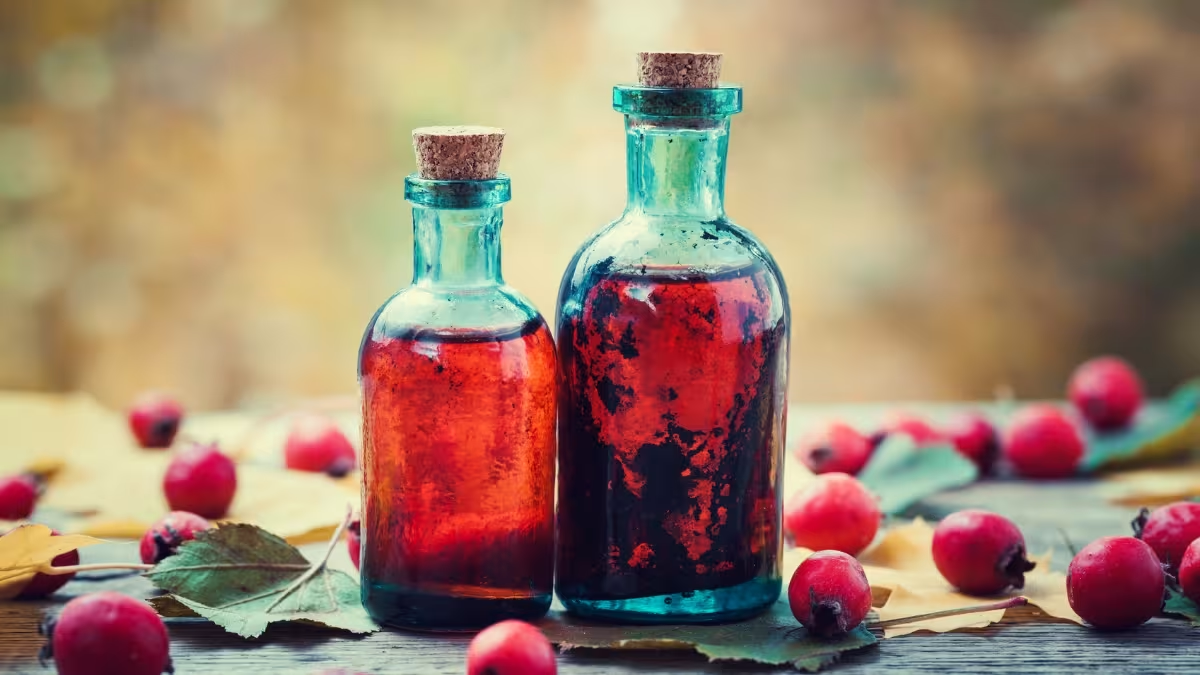
Why Do Bars Use Home Ingredients?
Making up any ingredient in-house is not exactly easy. While the complexity and time required may differ between the types of ingredients, there’s no denying the fact that it requires additional effort. Now, why would bartenders and mixologists go through that effort when there are premium commercial mixers available? Well, there is not one single reason for this. There are five.
Any bartender worth their salt will tell you that a substandard mixer is hard to control, and there’s no masking the imbalance once it’s part of the drink. For many people, thus, in-house ingredients offer complete control over quality. Commercial mixers are designed for consistency, but bartenders working with a specific cocktail may also want greater control over sweetness, acidity, dilution, texture or intensity. Red, in Vasant Vihar, Delhi, for example, uses in-house vermouth that allows them to serve the perfect martini cocktails.
Cocktail making has evolved from a simple mix of two to three ingredients into a lesson in gastronomy, theatrics, and whatnot. Amidst all this, cocktail mixers and infused spirits are a common route to experiment with tastes. Bartenders, thus, develop creative flavours in-house, repeating the process time after time, till they achieve the desired results. Cavity, in GK, Delhi, went down this route when they decided to develop mead in-house.
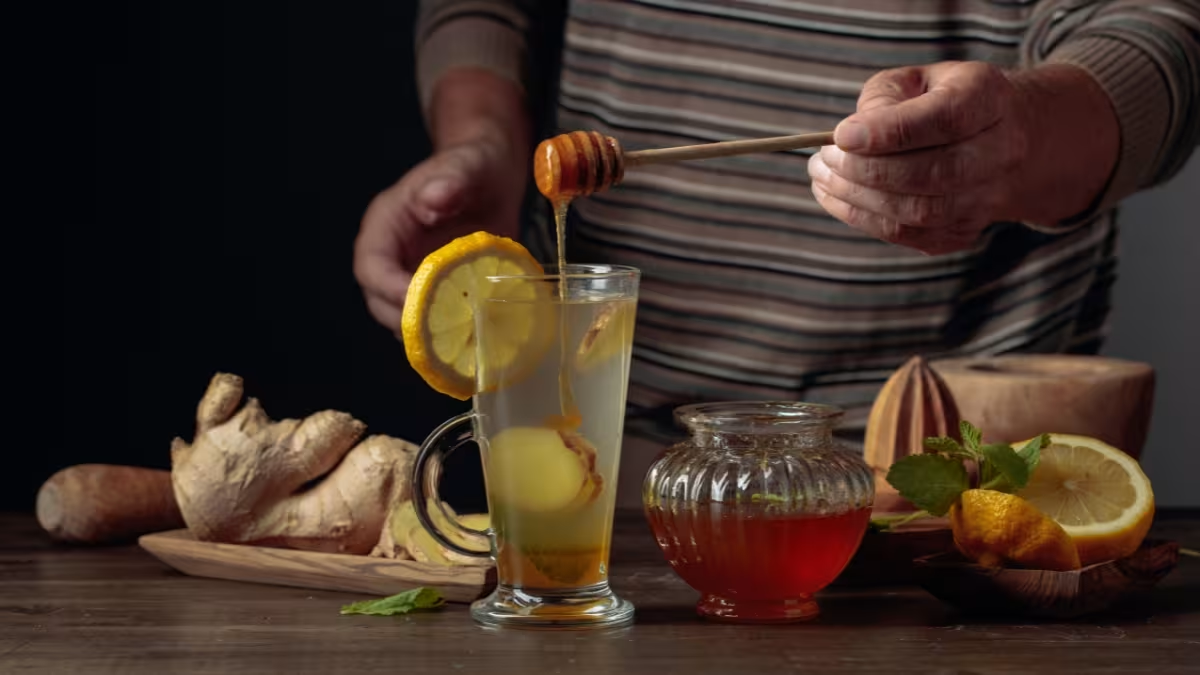
Sustainability is no longer a buzzword. Rather, it’s an essential element for bars and kitchens. Using a product in multiple ways allows bars to treat sustainability as a creative challenge. Americano, in Mumbai, employs this logic by using pineapple as a cordial and as a pizza topping. Citrus peels for infusion, watermelon for clarification, and ginger peels for in-house syrups are also common across kitchens and bars. O Pedro, Mumbai also has a bar that works with the kitchen to reuse ingredients: lemon rinds are pickled, pineapple skin is fermented into tepache, and potato peels are used in house-made liqueur.
One of the best ways to incorporate seasonal flavours into drinks is through fresh produce. Unlike dishes, however, cocktails often require ingredients to be processed first—whether pureed, turned into a syrup or cordial, or infused into alcohol. House-made preparations allow bars to capture these flavours and rotate seasonal offerings without overhauling the entire menu.
When house-made ingredients become a consistent part of a cocktail programme, they can become as recognisable as the bar's menu or design. A house cordial, fermentation, or infusion can give multiple drinks a common flavour language while making the programme harder to replicate elsewhere. Sidecar, in Delhi, has long been known for making all its syrups, bitters, tinctures, and grogs completely in-house. Conversation Room, in Kolkata, is another bar that makes all its whisky highballs with homemade soda. And Comorin in Gurugram is well-known for its specialised house-made infusions and regional ferments.
These are just a handful of examples of how bars are using in-house cocktail ingredients to develop both their signature bar menu and a unique identity.
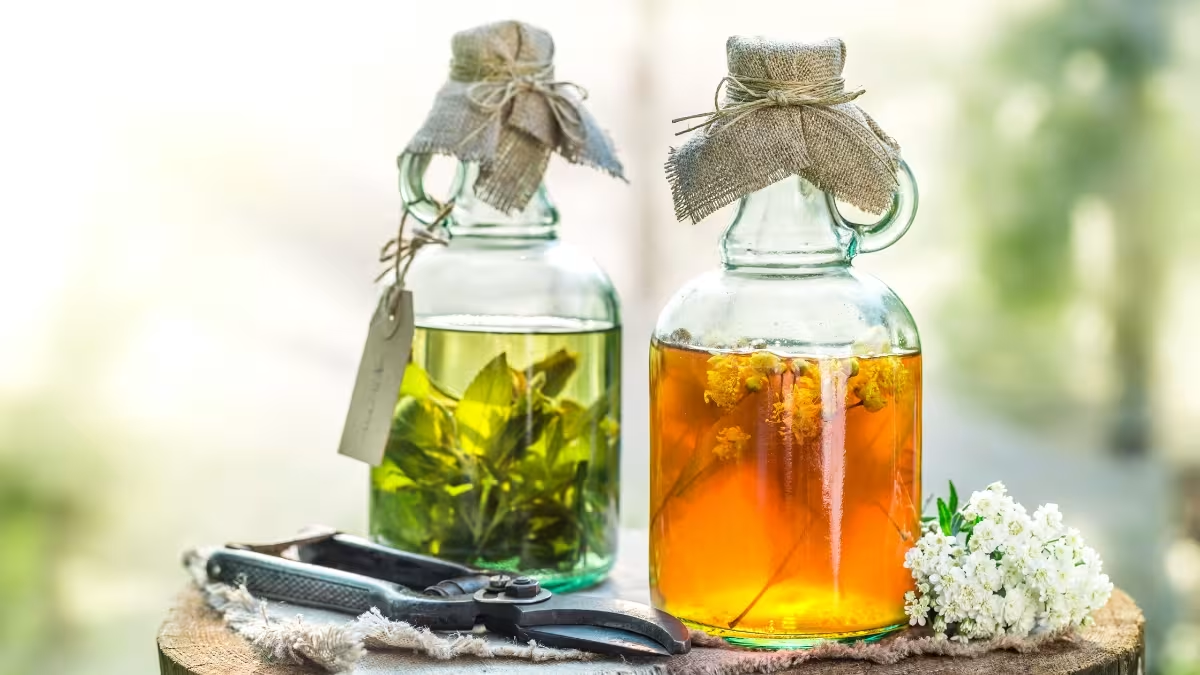
Common In-House Ingredients
Some of the more common home ingredients or cocktail mixers that you can find across bars in India are:
Cordials: Concentrated, usually sweetened and acidified fruit or botanical preparations used to add flavour, sweetness and acidity to cocktails.
Syrups: Sugar-based preparations flavoured with fruits, herbs, spices, tea or other ingredients; used primarily to add sweetness and flavour.
Tinctures: Highly concentrated flavour extracts, usually made by steeping ingredients in alcohol. They are typically used in very small quantities to add a specific aromatic or flavour note.
Infused spirits: Spirits that have been steeped with ingredients such as fruits, herbs, spices, coffee or tea to transfer their flavours and aromas.
House-made liqueurs: Sweetened, flavoured alcoholic preparations made by combining a spirit with ingredients such as fruit, herbs, spices or botanicals.
Shrubs: Fruit- or botanical-based preparations combining sugar and vinegar, used to add sweetness and acidity to drinks.
Bitters: Highly concentrated botanical extracts used in small quantities to add complexity, aroma and bitterness.
Ferments: Ingredients altered through controlled fermentation, such as kombucha, tepache or fermented fruit preparations, which can add acidity, funk, carbonation or depth.
Conclusion
House-made ingredients can give a cocktail a flavour that is difficult to replicate using off-the-shelf products. A particular cordial, infusion, tincture or fermented ingredient can therefore become the defining component of a signature serve, giving bartenders more scope to create drinks that aren't simply variations of existing classics. The philosophy isn’t new. Nor is it a gimmick. Rather, it’s slowly but surely becoming a defining principle for many new-age cocktail bars.
*Drink Responsibly. This communication is for audiences above the age of 25.
FAQs:
House-made cocktail ingredients are syrups, cordials, bitters, tinctures, infusions, liqueurs, shrubs and ferments prepared by a bar rather than bought ready-made. They allow bartenders to develop flavours specifically for their drinks.
You May Also Like






Drink Responsibly. This communication is for audiences above the age of 25.

More from The Bar


Stay Inspired
Sign up to our newsletter for exclusive recipes, insider secrets and special offers - all delivered straight to your inbox.
