From Daiquiri To Manhattan Cocktail, The 6 Essential Drinks That Define Classic Mixology

Introduction
David A. Embury’s The Fine Art of Mixing Drinks, published in 1948, identified six "basic drinks". These beverages do not share the same ingredients, but they all represent an essential cocktail structure. From citrus and sugar to vermouth and bitters, these six beverages–the Daiquiri, Manhattan, Old-Fashioned, Jack Rose, Sidecar, and Martini cocktails–show how a few carefully balanced components can create distinctly different flavour profiles.
Brand references are indicative and can be changed as per preference.
Why These Six Were Considered Essential
Embury’s choices can be divided into two categories based on the type of drink: sour cocktails and spirit-forward mixes. The Daiquiri, Jack Rose, and the Sidecar are sour drinks that showcase a balance of sweet and sour flavours. The Old-Fashioned, Manhattan, and Martini cocktails are spirit-forward cocktails; the only differences are the type of spirit and the use of vermouth. Together, they provide a foundation for understanding how classic cocktails are constructed.
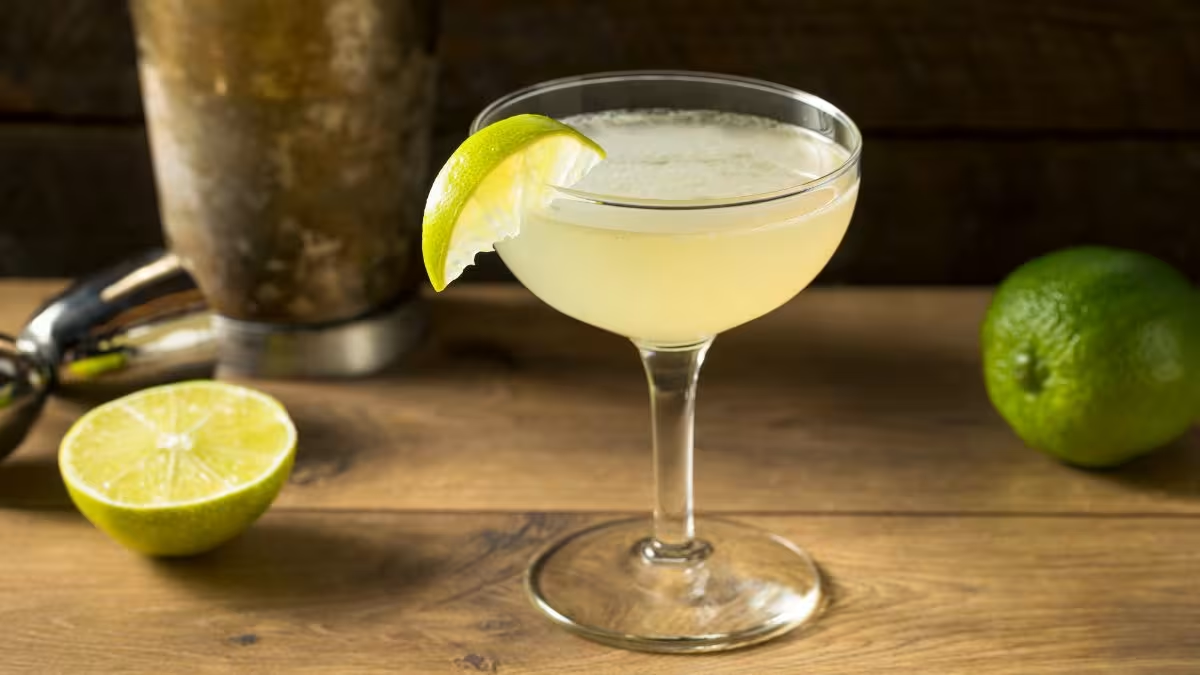
The Daiquiri cocktail’s origin is widely traced to Cuba in the late 19th century. This beverage consists of rum, lime juice and sugar. The inclusion of rum provides a clean, lightly grassy base, lime brings sharp acidity, and sugar rounds the edges. That structure has proved remarkably adaptable, giving rise to interpretations made with different rum styles and variations such as the Strawberry Daiquiri cocktail and the Hemingway Daiquiri cocktail, which uses grapefruit juice and maraschino liqueur.
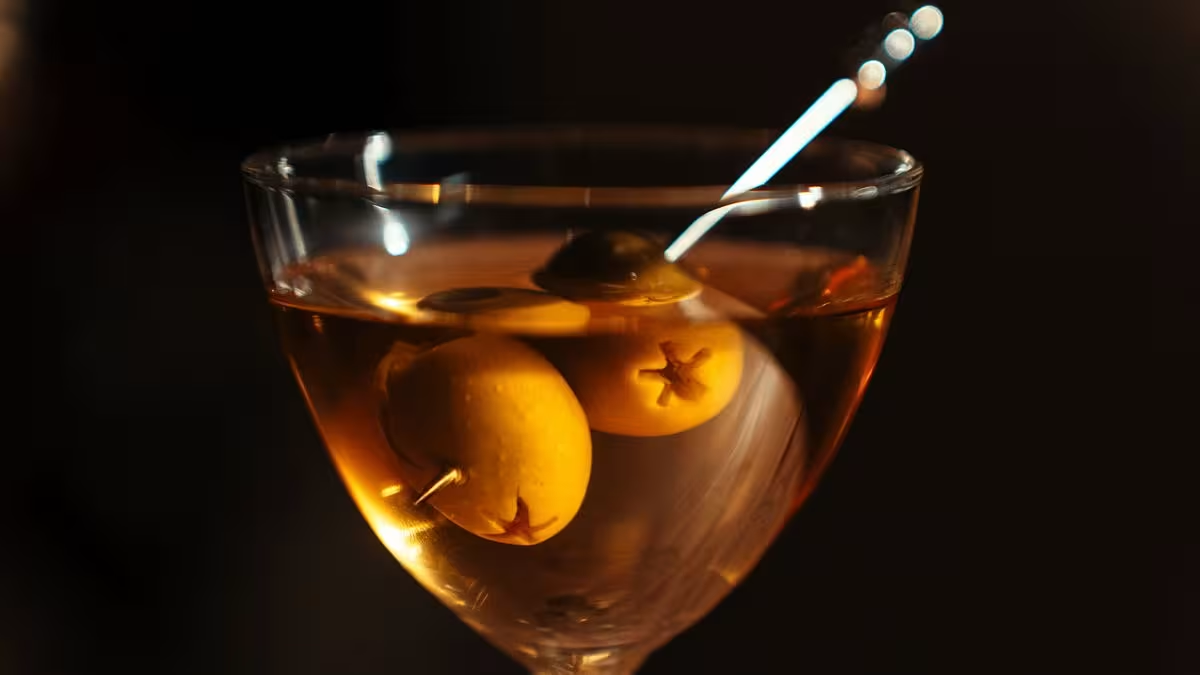
The story of the Martini cocktail is shrouded in mystery, with its creation rooted in older gin-and-vermouth drinks but with no definitive inventor. By the time Embury identified it as one of his six basic drinks, the format was widely accepted, with American bar menus of the 1880s featuring the original and its riffs.
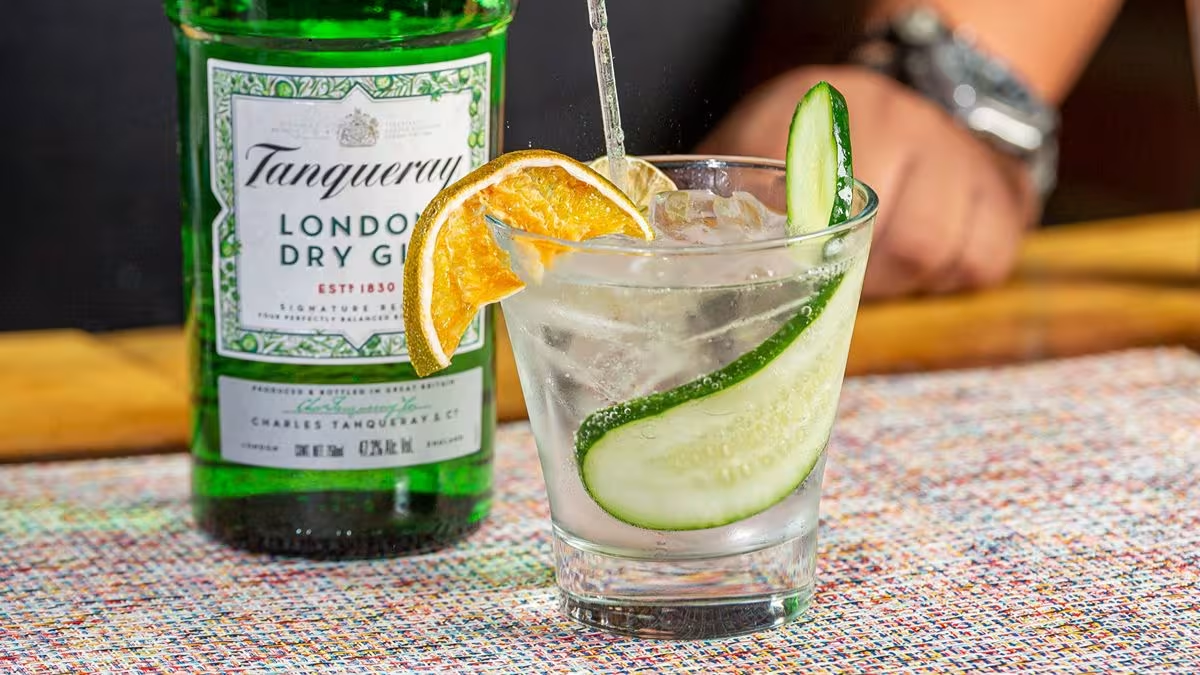
The classic Martini cocktail is made with gin and dry vermouth, where the juniper, citrus and botanical notes of the spirit, like Tanqueray No. TEN, are matched by the herbal character of the vermouth. The drink’s evolution has inspired styles like the Dry Martini cocktail, the Dirty Martini cocktail and the Perfect Martini cocktail, alongside coffee and vodka-based versions like the Espresso Martini cocktail.
The Manhattan cocktail is one of the first whisky and vermouth drinks, with the earliest documented references to it dating back to 1882, and the recipes being published as early as 1884. It is widely believed that its creation was done for a party at the Manhattan Club in New York, although the story remains disputed. What is certain is that the Manhattan cocktail was initially built with whisky, vermouth, and bitters. Today, rye and bourbon are usually used when preparing the Manhattan cocktail, while the Perfect Manhattan cocktail is made using both sweet and dry vermouth.
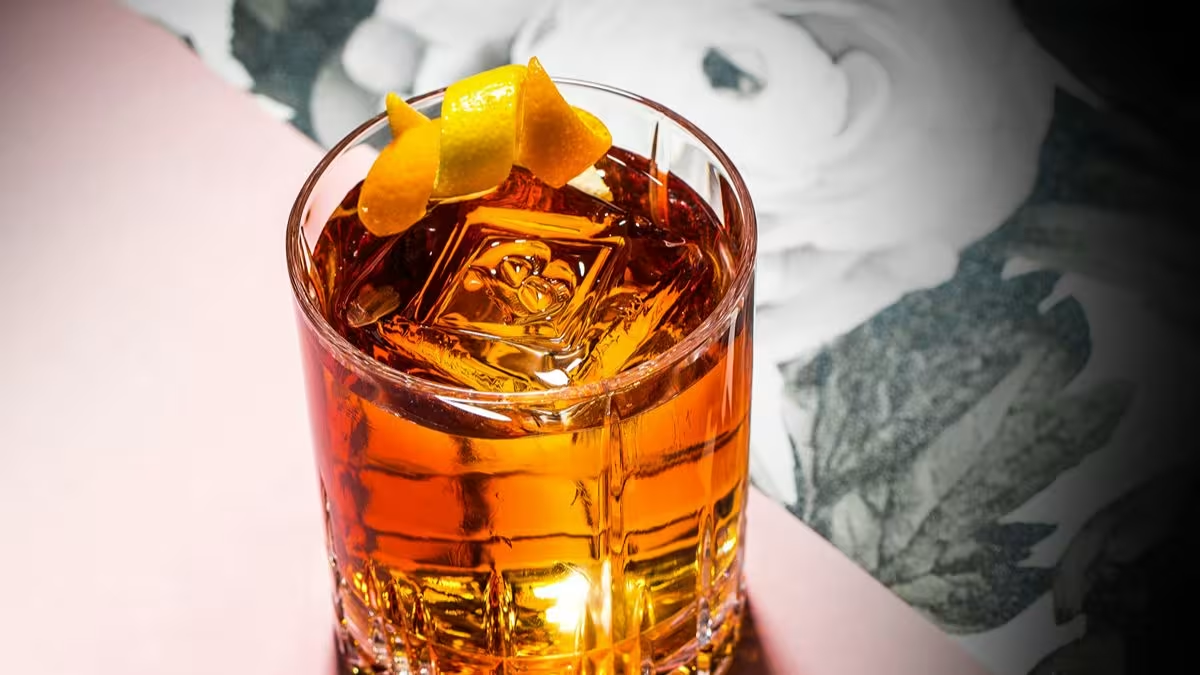
The Old Fashioned cocktail is one of the most direct links to the earliest definition of a drink. A newspaper in 1806 described a drink as "a mixture of spirit, sugar, water and bitters.” Similar mixtures appeared in later bartending books, such as Jerry Thomas's 1862 How to Mix Drinks. The name “Old Fashioned” came later, as drinkers began requesting beverages made in the older, simpler style, without the added liqueurs and modifiers that became popular in the late 19th century. Today, whisky is still the first choice for making this drink, with bourbon adding sweeter notes of vanilla and oak, while rye adds peppery spice.
The Jack Rose cocktail is the least documented among Embury's six classics, with references dating back to the early 20th century and conflicting accounts about its inventor and name. A 1905 account credited the creation of this drink to the New Jersey bartender Frank J. May, but there are several other claims about its origin. The Jack Rose cocktail is fruit-centric in its composition, where applejack or apple brandy brings the flavour of orchard fruits, lemon provides the acidity, and grenadine gives the sweetness and orange-pink colour to the drink. Modern recipes may differ in terms of the source of apple spirit used in the drink and the amount of grenadine employed.
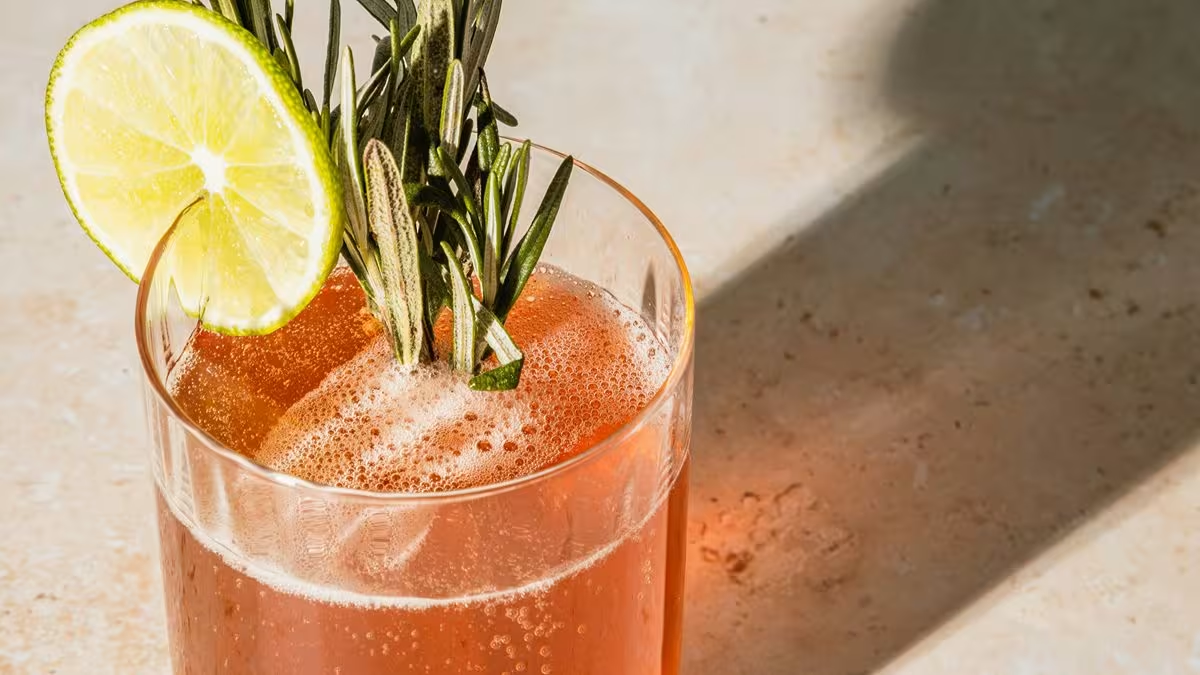
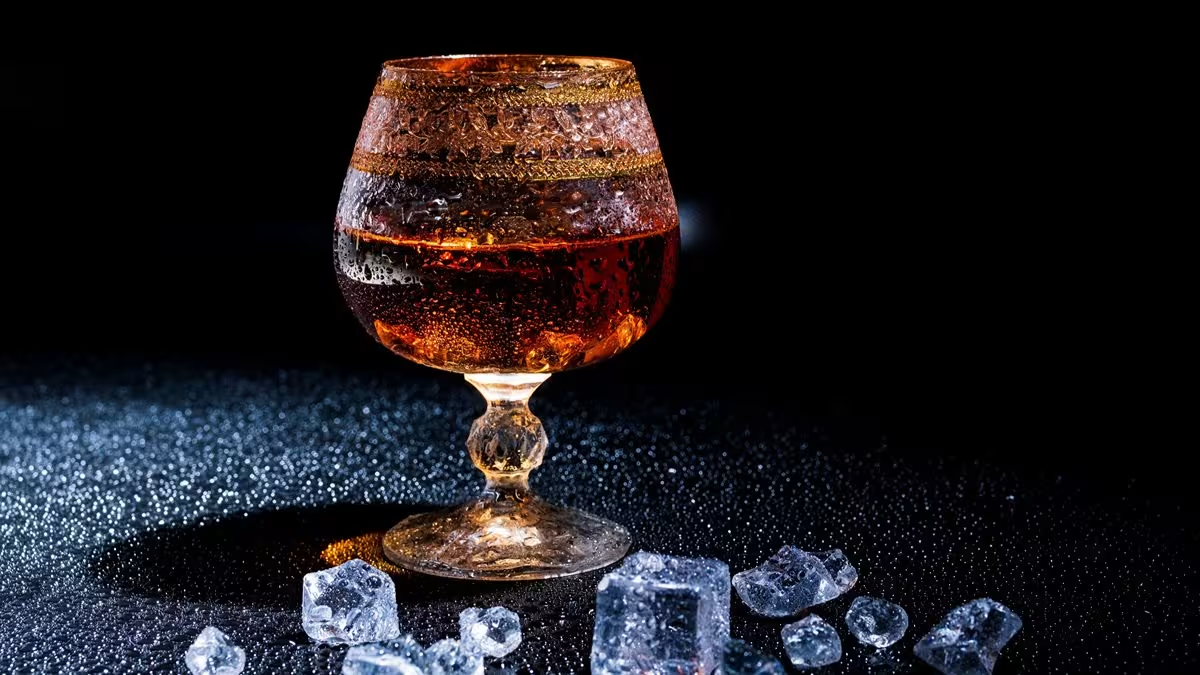
The origins of the Sidecar cocktail are generally thought to date to 1920 but are still open to debate, with varying claims linking its invention to two well-known bars —Harry’s New York Bar in Paris and Buck’s Club in London. The classic recipe utilises equal parts of cognac, orange liqueur, and lemon juice.
The role of cognac, a fruit brandy, is to provide nuanced notes of oak and dried fruit, while lemon makes the drink acidic, and orange liqueur adds sweetness along with a distinctly orange flavour. Early recipes called for the use of equal portions of the three ingredients, resulting in a sweet and citrusy drink. However, today’s recipes may alter the ratios, depending on the bartender or customer’s preferences. Cognac may also be replaced with a whisky. For example, a Johnnie Walker Black Label interpretation can introduce a subtle smoky dimension to the traditional cognac-and-orange combination.
Conclusion
The relevance of these classic cocktails lies in the simplicity of their constructions. Each represents a specific ratio between acids, spirits, and sugars, making their flavour profiles easy to analyse. From the sweet-and-sour Daiquiri cocktail to the smooth and slightly sweet Old Fashioned cocktail, they create a clear reference for traditional beverages and a base for contemporary reimaginations.
*Drink Responsibly. This communication is for audiences above the age of 25.
FAQs:
A Martini cocktail has undergone several changes over the years that led to variations in the ratio of ingredients, or even the type of ingredients. While the original recipe was closer to a wet Martini cocktail (higher ratio of vermouth), modern-day versions include drier or dirty variants as well.
You May Also Like




Drink Responsibly. This communication is for audiences above the age of 25.
Yash Lakhan


More from The Bar

Stay Inspired
Sign up to our newsletter for exclusive recipes, insider secrets and special offers - all delivered straight to your inbox.
