From Sours To Highballs, 5 Cocktail Types That Define Mixology

Introduction
Cocktails are not a static phenomenon. From being simply mixtures of spirits, sugar, water and bitters, cocktails have become an area of experimentation for bartenders, being constantly shaped by trends, innovative ingredients and techniques. In the 1800s, cocktail books appeared showing drink families, and the same structure has continued through the years, incorporating a wide range of spirits, from vodka to wine. And knowing the cocktail type is one of the key steps in understanding mixology.
Jerry Thomas’s 1862 Bartender’s Guide documented Sours, Smashes, Cobblers and Juleps. In the years to come, more spirits, tropical ingredients and modern methods were introduced. Today, types of cocktails can span different categories, but the top five are listed below. These categories are not absolute; they are families of preparations and flavour notes.
Brand references are indicative and can be changed as per preference.
1. Sours
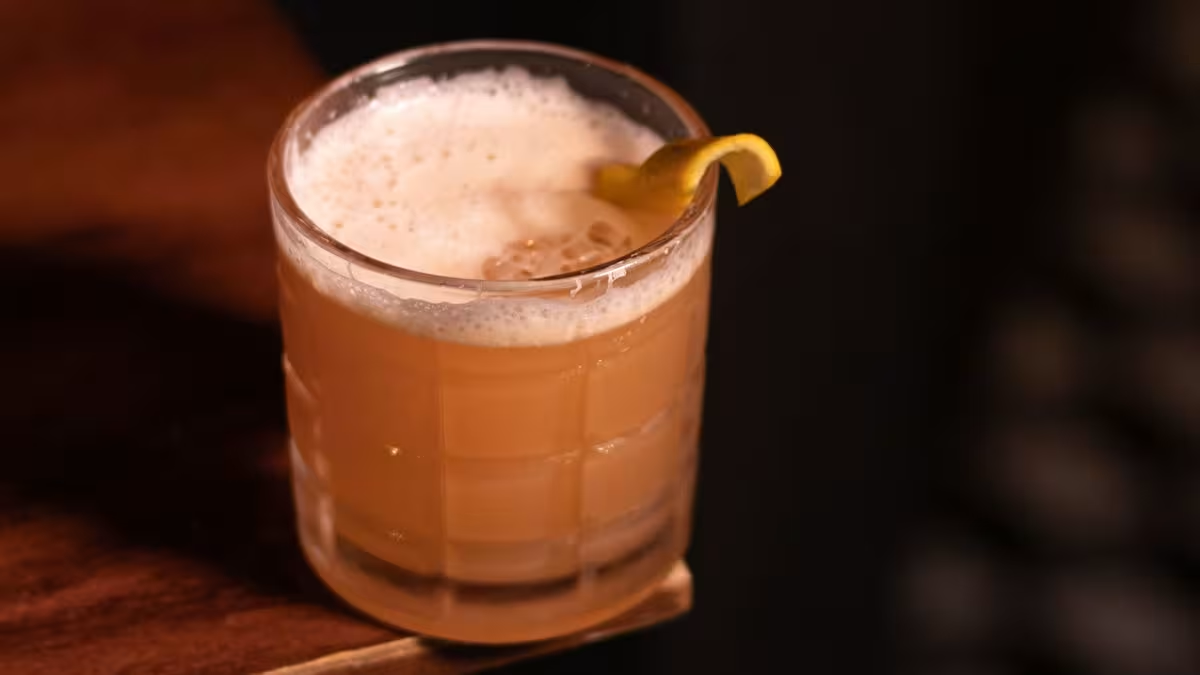
The sour cocktail category achieves an ideal balance of flavours where spirit, citrus, and sweetness all come together perfectly, with none overpowering the others. The role of citrus is to provide zest, while sweetness keeps the sharp taste in check. The sours family also features different types of liquor, from bourbon's woodsy tones and flavour of vanilla to fruity rum or earthy tequila. Some common examples are:
Whisky Sour cocktail: As the name suggests, whisky sour is a balanced blend of whisky, simple syrup, and lemon juice. Many recipes include egg white to achieve an airy texture and a signature, frothy top.
Daiquiri cocktail: A classic rum cocktail made with just three basic ingredients: white rum, fresh lime juice, and simple syrup
Margarita cocktail: Often served blended with ice, the Margarita is a tequila cocktail. Key ingredients include lime juice, orange liqueur, simple syrup, and crisp, blanco tequila.
2. Spirit-Forward Drinks
In this category, the spirit or alcoholic base takes centre stage in a drink. Typically, a smaller quantity of mixers is utilised, with drinks relying on vermouth, bitters, or liqueur for flavour. Contrary to popular belief, these aren’t just whisky drinks. Some of the most well-known types of cocktails in this category are:
Old Fashioned cocktail: A classic whisky cocktail which combines the spirit with sugar and bitters.
Manhattan cocktail: Similar to an Old Fashioned, Manhattan uses sweet vermouth instead of sugar, along with whisky and bitters.
Negroni cocktail: An equal-part cocktail featuring gin, vermouth and a bitter orange liqueur.
3. Highball Cocktails & Fizzes
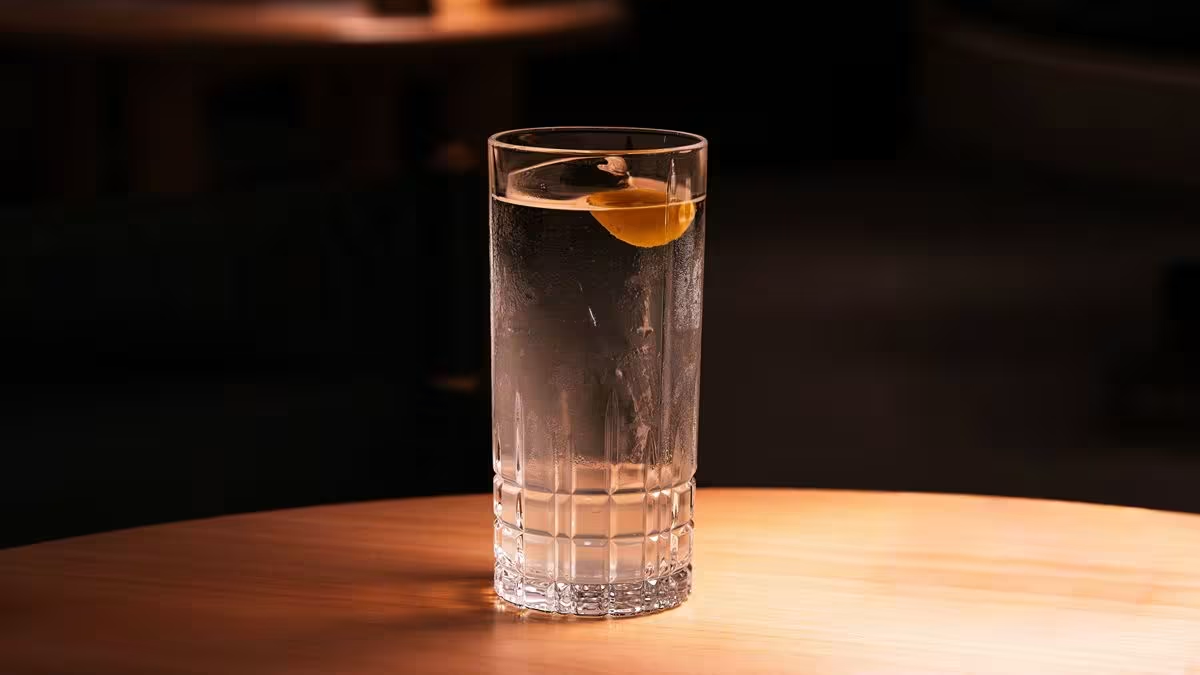
Highball cocktails and fizzes represent drinks where the presence of carbonation is an essential feature. Generally, highball beverages are typically drinks where the non-alcoholic portion is much larger than the spirit, creating a lower-ABV serve. Carbonated mixers are common, but carbonation is not what defines the category. Fizzes, on the other hand, include additional ingredients, such as citrus and sugar. Some examples of drinks in this category are:
Scotch Whisky Highball cocktail: A simple drink combining Scotch whisky with soda water, allowing the whisky’s malt, oak and subtle smoky notes to come through alongside carbonation.
Gin Fizz cocktail: Fresh lemon juice and sugar soften the botanical edge of gin, while soda water adds its characteristic fizz. Egg white is sometimes included for a creamy texture and frothy top.
Tom Collins cocktail: Gin, lemon juice and simple syrup form the flavour base, with soda water adding carbonation to the serve. The result brings together juniper, tart citrus and restrained sweetness.
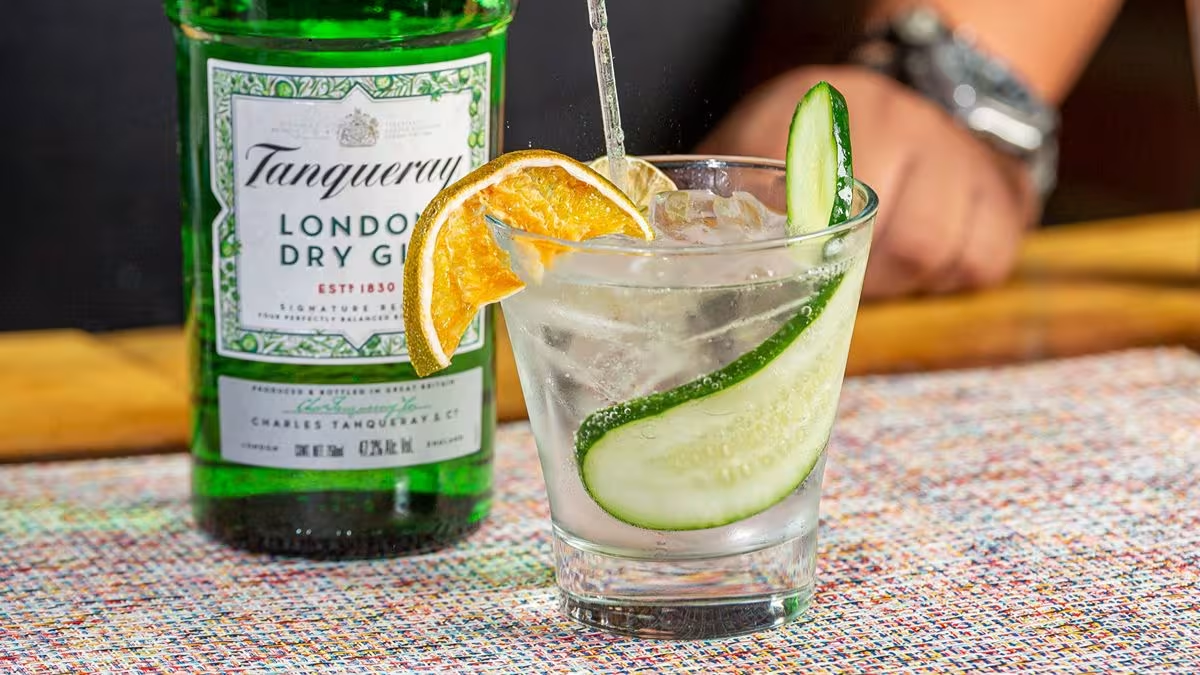
Highball cocktails are often cleaner, allowing the mixer to shape the drink. Fizzes have more citrus-driven character. Tanqueray London Dry Gin suits this family because its juniper profile stands up to citrus and carbonation.
4. Juleps & Smash Drinks
Juleps and smash drinks involve the use of herbs, crushed ice, and muddled ingredients. The most famous drink of this family is the classic Mint Julep cocktail, which consists of bourbon, mint, sugar, and crushed ice. Some other examples include:
Whisky Smash cocktail: Muddled mint and fresh lemon give whisky a bright, herbaceous counterpoint, while simple syrup rounds the sharper citrus notes and brings the spirit’s richer character into focus.
Gin Basil Smash cocktail: Fresh basil is the defining ingredient here, lending an aromatic, green character to gin, while lemon juice and sugar provide the acidity and sweetness needed for balance.
Southside cocktail: A gin-and-mint drink combining fresh lime juice and sugar with the spirit, creating a balanced profile where juniper, bright citrus and fresh mint work together.
5. Tiki & Tropical Beverages
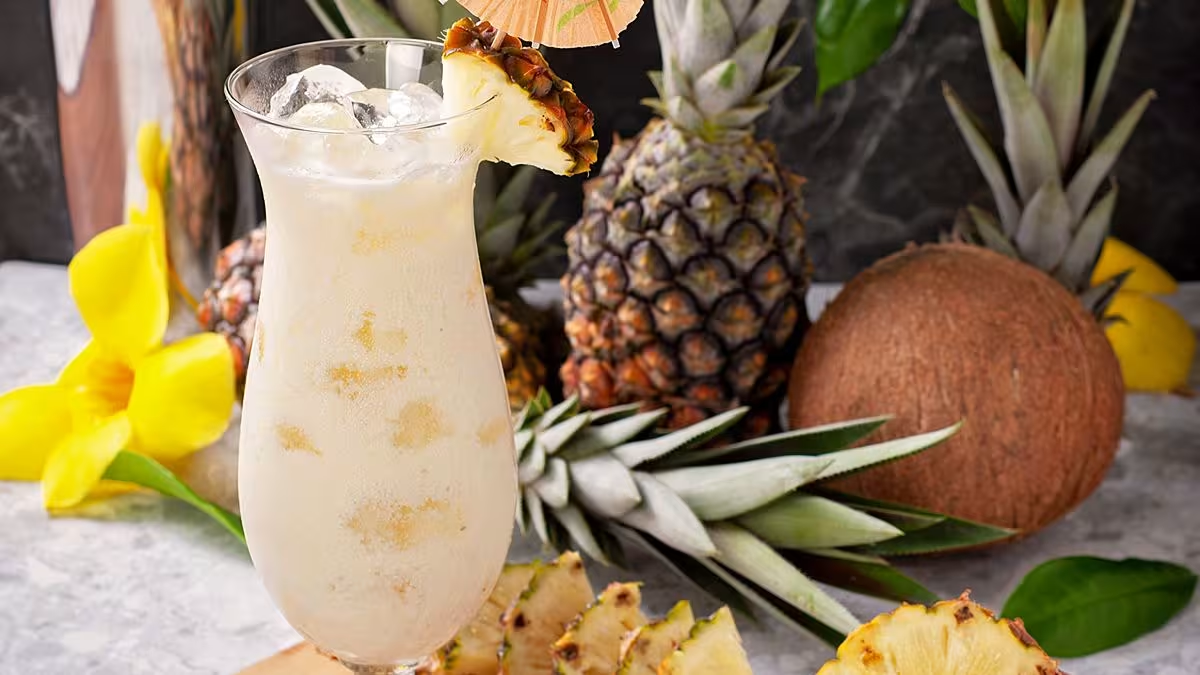
Tiki cocktails were created during the 1930s in the United States, mainly initiated by Donn Beach, who elaborated on rum cocktails, mixing them with fruit juices, syrups and spices. It is worth noting that tiki and tropical drinks cannot be considered the same. Tiki is a specific cocktail tradition with layered, often rum-led constructions and a prominent bar-culture history, whereas tropical cocktails are a general term used to describe drinks made with tropical elements, like coconut, pineapple, etc. Some examples of tiki and tropical cocktails are:
Mai Tai cocktail: Rum takes centre stage alongside lime, orange liqueur and orgeat, creating layers of tropical fruit, tart citrus and almond-like sweetness rather than relying on fruit juice alone.
Piña Colada cocktail: Often confused as a tiki cocktail, this is a tropical drink. Pineapple juice and coconut cream give this classic its unmistakable tropical character, with rum adding depth beneath the combination of ripe fruit, creamy coconut and gentle sweetness.
Navy Grog cocktail: Built around rum, grapefruit and lime, with honey adding sweetness, this Tiki classic has a distinctly citrus-led profile with bitter grapefruit, sharp lime and layered rum notes
How To Spot The Difference
In trying to figure out the types of cocktails, ask the following: Is the citrus important? Is it the liquor that is the main ingredient? Is the beverage made with bubbles, crushed ice or exotic fruits? The answers to these questions are great indicators to help identify the type of drink being made, even if it has been adapted to fit an unconventional recipe. Cocktail types act as guides, while bartenders continue to transform them to suit their creativity.
Conclusion
Understanding the types of cocktails makes choosing drinks from a long menu a much simpler process. More importantly, it helps you understand the rationale behind various drinks, allowing you to realise the basis of the ingredients in beverages like sour cocktails, highball drinks, and julep beverages. Once those patterns become familiar, cocktail types stop being intimidating labels and become useful clues for discovering flavours, techniques and new variations.
*Drink Responsibly. This communication is for audiences above the age of 25.
FAQs:
The five most commonly known types of cocktails in mixology are sour cocktails, spirit-forward drinks, highball beverages and fizzes, juleps and smash drinks, and tiki cocktails.
You May Also Like




Drink Responsibly. This communication is for audiences above the age of 25.
Yash Lakhan


More from The Bar



Stay Inspired
Sign up to our newsletter for exclusive recipes, insider secrets and special offers - all delivered straight to your inbox.
