Zero Proof Cocktails: How They’re Changing Modern Drink Menus
Introduction
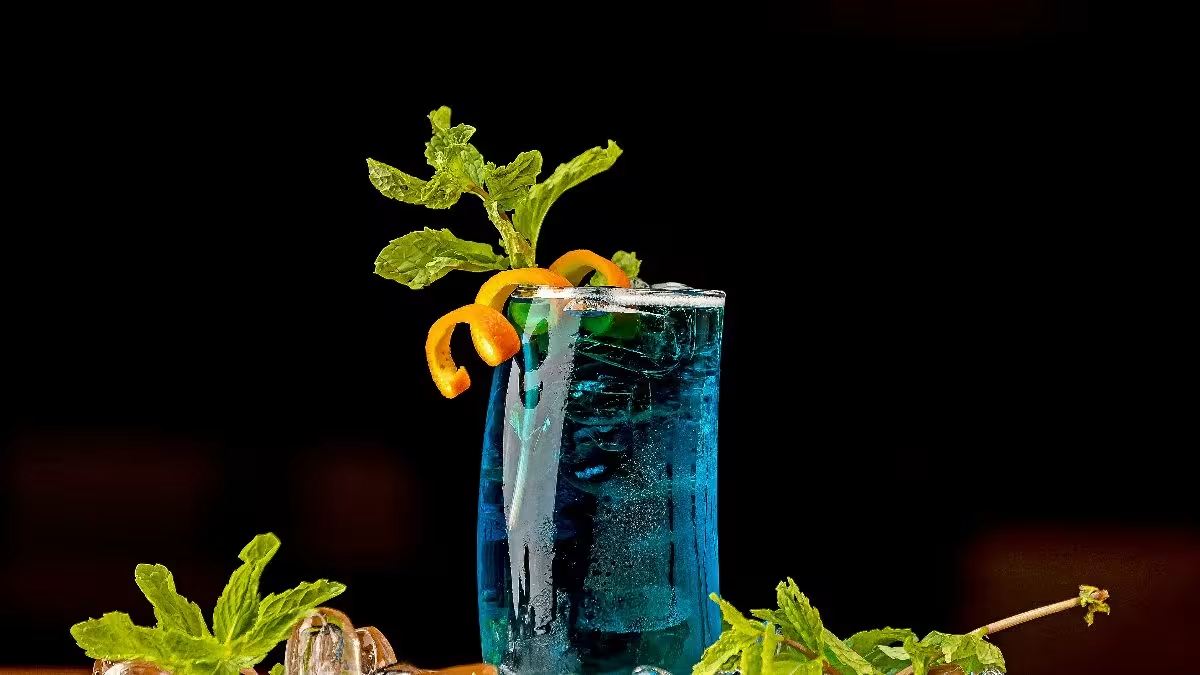
Zero-proof cocktails are coming up on beverage menus, incorporating elements of acidity, sweetness, and bitterness, along with a cocktail-like texture without adding any alcoholic ingredients. Zero-proof cocktails combine different ingredients (herbs, teas, spices, or fermented ingredients) in a way that mimics traditional mixology, creating depth and complexity in the beverage.
Historically, zero-proof cocktails were treated as alternatives to alcoholic beverages. However, with people increasingly trying non-alcoholic cocktails with experimental flavours and textures, they have made the transition from a secondary to a primary menu item for both consumers and operators.
Non Alcoholic Cocktails: The Rise of Low-ABV Culture and Its Influence
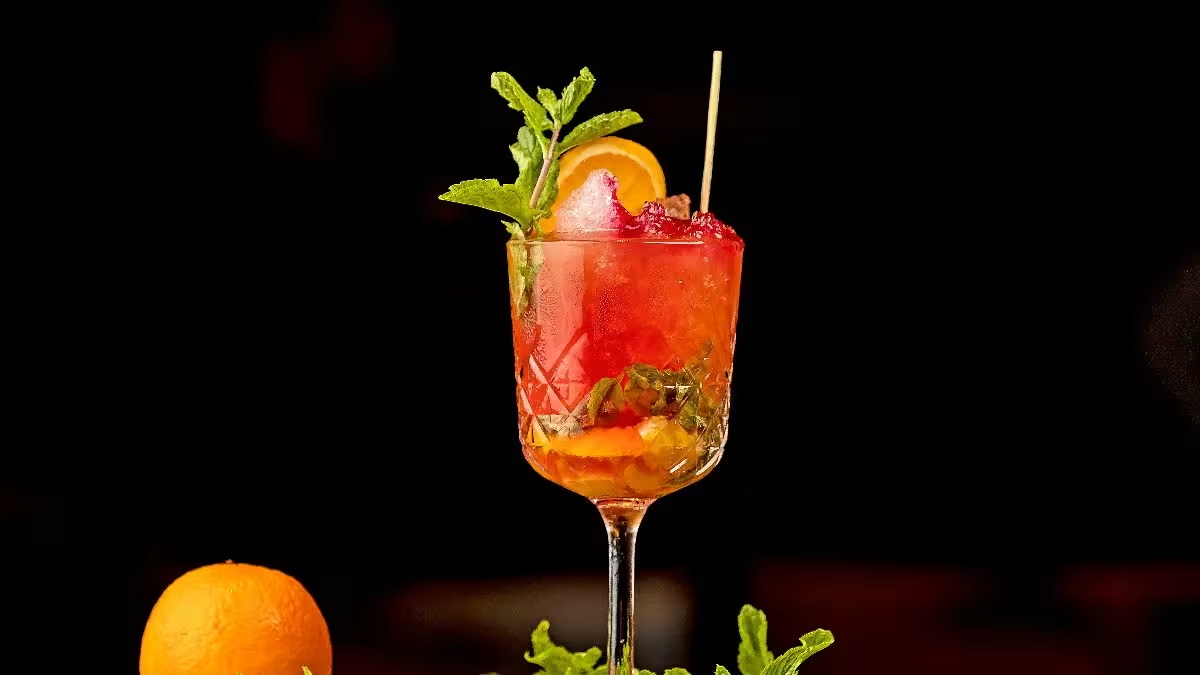
Low-ABV (low-alcohol by volume) cocktails have laid the groundwork for this new category of zero-proof cocktails. Bartenders began creating drinks with a lower alcohol content but a wide range of flavours by experimenting with fortified wines, vermouths, and juices. This transition was gradual, and it has encouraged bartenders to shift focus toward technique rather than spirit alone.
As the menus have evolved, this approach has also been applied to the development of zero-proof cocktails. Rather than removing alcohol as an afterthought, bartenders now build non-alcoholic cocktails from the ground up. By using ingredients such as kombucha, cold brew, and botanical distillates, bartenders don’t need to rely on alcohol to create structure in zero-proof cocktails.
What Defines a Zero-Proof Cocktail
A well-designed zero-proof cocktail will follow the basic design structure of a traditional cocktail. All of the elements in the drink should be pre-determined to maintain balance and consistency throughout. The major identifying factors of a zero-proof cocktail include the following:
Acidity: Citrus juices, verjus (also known as verjuice), or fermented liquids provide sharpness, or lift.
Sweetness: Controlled use of syrups or fruit puree provides a way to control the flavour and avoid flatness.
Bitterness: The use of gentian root, tonic water, or bitter herbs provides the drink structure and complexity.
Texture: Egg white, its alternatives (e.g., aquafaba) or the use of carbonation will provide texture to the overall beverage.
Aroma: Fresh herbs, spices, or citrus peels will begin creating the first aromatic layer of the drink.
By following these guidelines when creating a zero-proof cocktail, you'll create an independent drink that won't be confused with a diluted version of a classic cocktail.
Common Zero-Proof Cocktail Builds
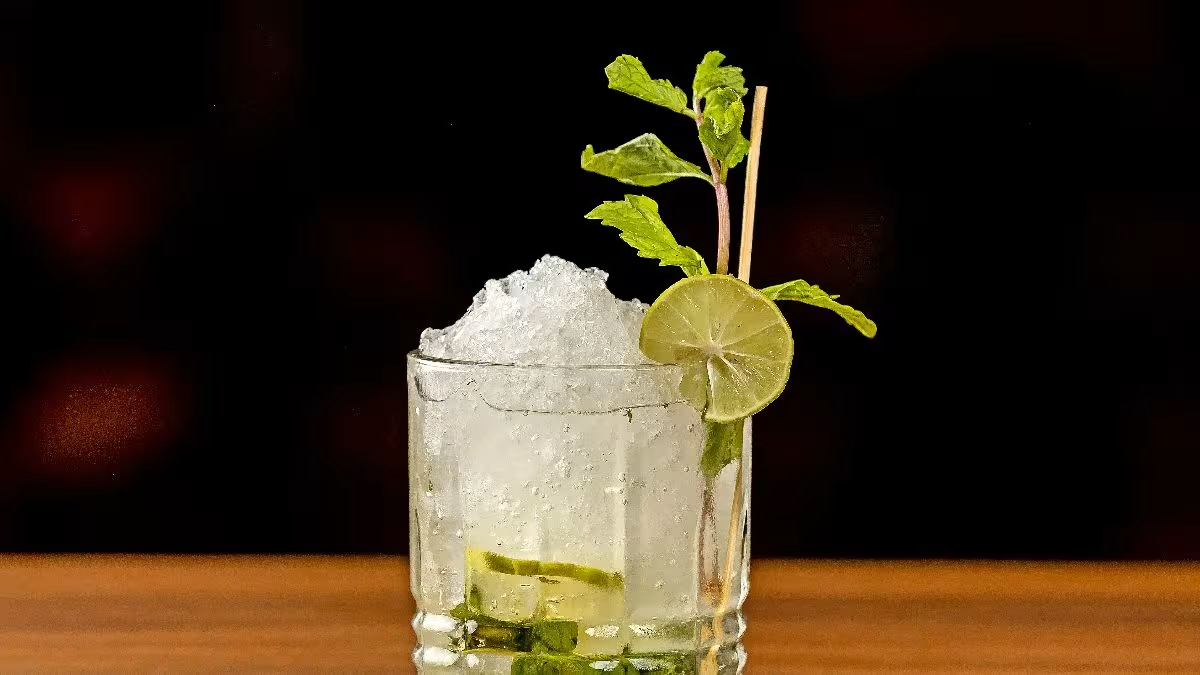
Many traditional drinks have been reinterpreted with the use of non alcoholic ingredients to create zero-proof cocktails like these:
Nojito: Prominent citrus-herbal profile with a finish that comes from the combination of lime, mint and sugar.
Shirley Temple: The mix of ginger ale, grenadine, and citrus gives a sweet and tart drink with a light spiciness.
Cucumber Collins: Light structure with crisp cucumber and citrus, topped with soda. This is a non-alcoholic cocktail inspired by the gin-based Tom Collins cocktail.
Technique Over Spirits in Non Alcoholic Cocktails: The Shift in Approach
In today’s modern menu, one of the biggest changes that has occurred is prioritising techniques. Techniques that had previously only been used in alcohol-based drinks, such as clarification, fat-washing (which has been modified to work with non-alcoholic bases), and controlled dilution, are now being used in all zero-proof cocktails.
Consider, for example, infusion. Cold infusions allow for the preservation of more delicate aromatics, whereas heated extractions provide depth of flavour from spices and herbs. Carbonation, meanwhile, adds texture to a drink, most notably in highball-style drinks. In a zero-proof cocktail, the requirement for precision in the making of the drink increases as any type of imbalance is amplified without the presence of an alcoholic base.
Zero Proof Cocktails vs Low-ABV Beverages: What’s The Difference?
Aspect - Zero Proof Cocktails - Low-ABV Cocktails
Alcohol Content - 0% - Typically under 10% ABV Base Structure - Built without spirits - Uses liqueurs, vermouths, or light spirits Flavour Drivers - Teas, herbs, ferments, botanicals - Fortified wines and diluted spirits Texture & Body - Derived from technique and ingredients - Partly influenced by alcohol Menu Position - Standalone category - Transitional or lighter alternatives
This distinction highlights how zero-proof cocktails are no longer substitutes but a parallel category with a distinct creative direction.
The Role of Presentation and Menu Design in Non Alcoholic Cocktails
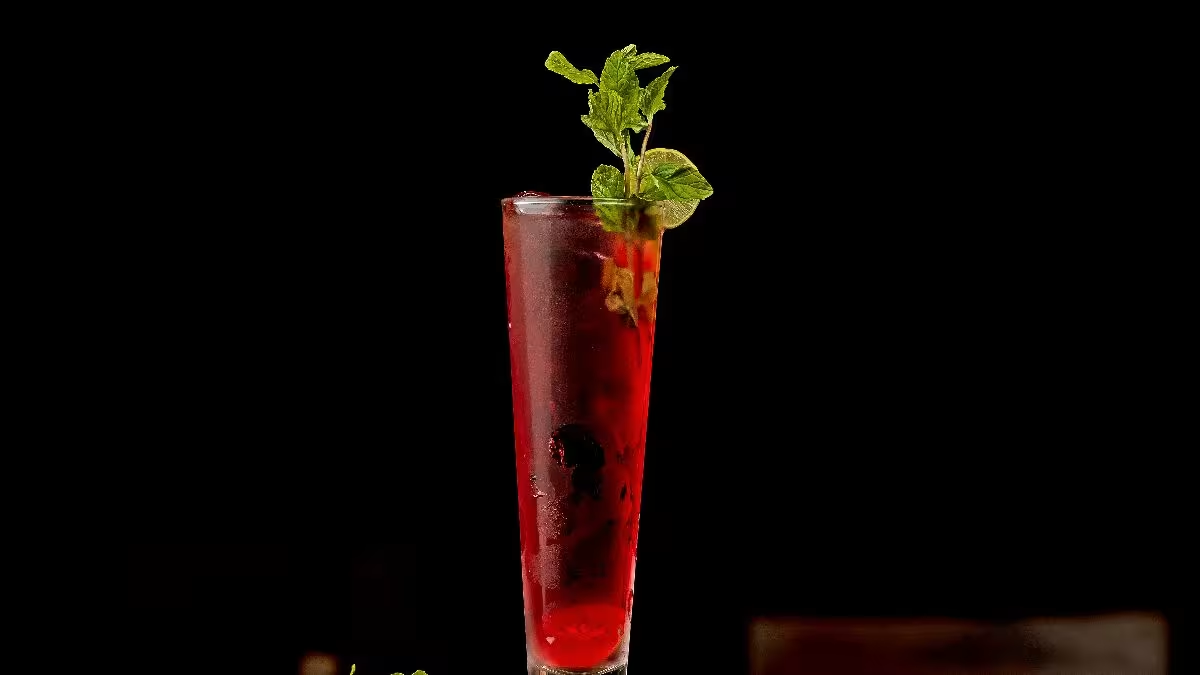
Today, zero-proof cocktails and traditional cocktail offerings find equal position on a menu. Glass choice, garnishing, and naming convention also reflect traditional cocktail presentation, providing validation to zero-proof cocktails.
When creating these zero-proof cocktails, bartenders and hosts must also take into account how they would complement food selections. For example, herbaceous cocktails would complement grilled items, while citrus cocktails cut through the richness of full-bodied foods.
Conclusion
Zero-proof cocktails have transitioned from an afterthought to a focal point of the menu. The evolution of zero-proof cocktails continues to follow the growth of low-ABV cocktails and flavour-based design. Bartenders are pushing the bounds of modern-day mixology by finding balance without the use of alcohol. As menus evolve, zero-proof cocktails remain a separate, distinct category defined by specific details, artistry, and layered flavour profiles.
*Drink Responsibly. This communication is for audiences above the age of 25.
FAQs:
Zero-proof cocktails are drinks made using mixology principles that contain no alcohol. They are created using ingredients such as herbs, teas, fruit purees, sodas, or citric elements for flavour and structure.
You May Also Like




Drink Responsibly. This communication is for audiences above the age of 25.
Yash Lakhan


More from The Bar

Stay Inspired
Sign up to our newsletter for exclusive recipes, insider secrets and special offers - all delivered straight to your inbox.
