From London Dry Gin To Plymouth, Decoding The Different Types Of Gin
Introduction
World Gin Day presents a great opportunity to understand more about the different types of gin. Every type of gin (flavoured or neutral) features some combination of three broad elements: the method of distillation, the balance of botanicals used during that process, and the degree of the presence of juniper. The complete blending process influences the choice of other mixed ingredients (and thus the overall flavour) for a variety of classic cocktails like the Martini cocktail, Gimlet cocktail, or Gin Rickey cocktail. Consequently, gin selection has an impact on the finish, texture, aroma and garnish of a cocktail.
Here are the major types of gin decoded.
London Dry Gin
London Dry Gin is the most recognised gin and has spawned multiple variations over the years.
While London Dry Gin has the name `London' in it, it does not mean that it is required to be made in London. All that is required for a gin to be classified as a London Dry Gin is to be produced using 100% natural flavouring ingredients through the distillation process, and there should be no adding of flavours after the gin is distilled. The juniper must also be the primary flavour.
Apart from defined notes of juniper, the gin uses flavours derived from coriander, angelica root, and citrus peel. This combination results in a defined, crisp finishing drink, giving London dry gin extensive cocktail compatibility, particularly for those drinks that emphasise definition and dryness.
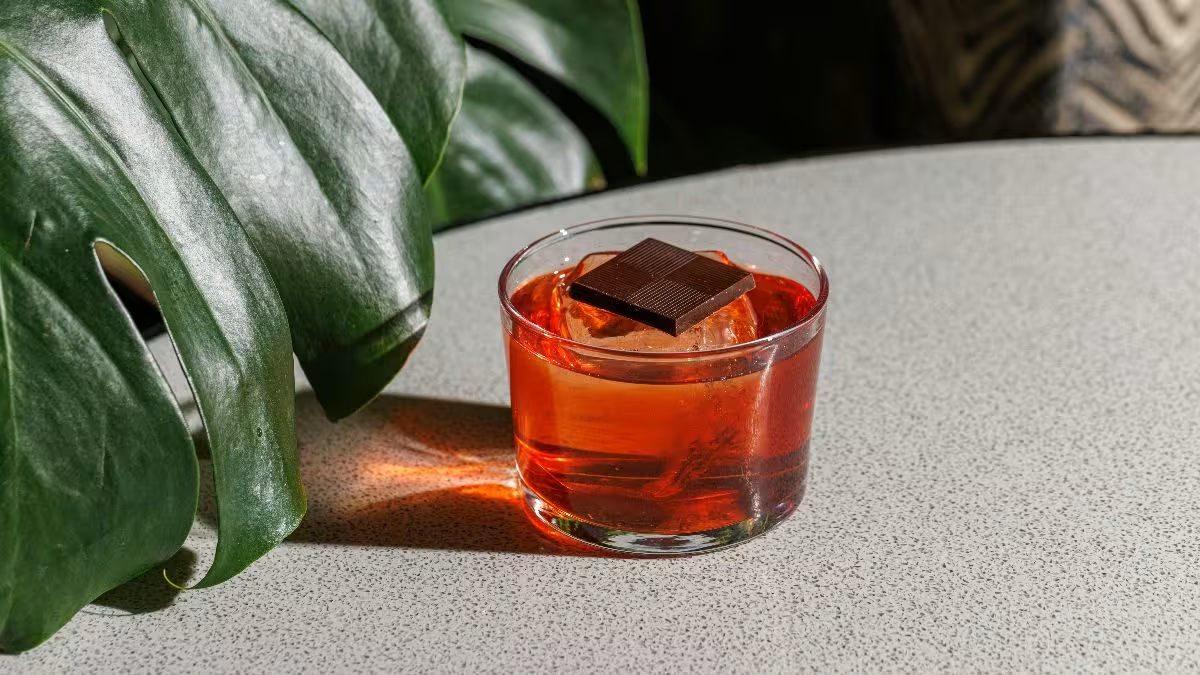
For example, in drinks such as a Negroni cocktail or Dry Martini cocktail, London dry gin maintains its structure even when grouped with a bitter liqueur or fortified wine. Even when mixed into simple tonic-based highballs, the mixer does not significantly change the defined botanical flavours of the gin.
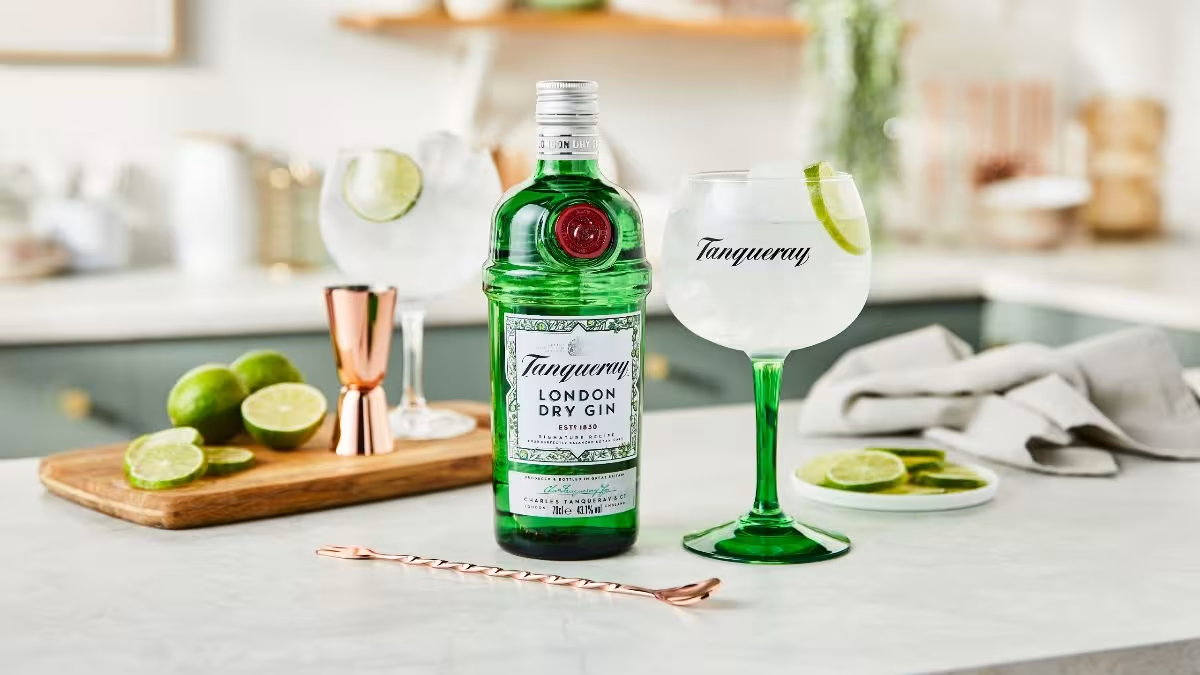
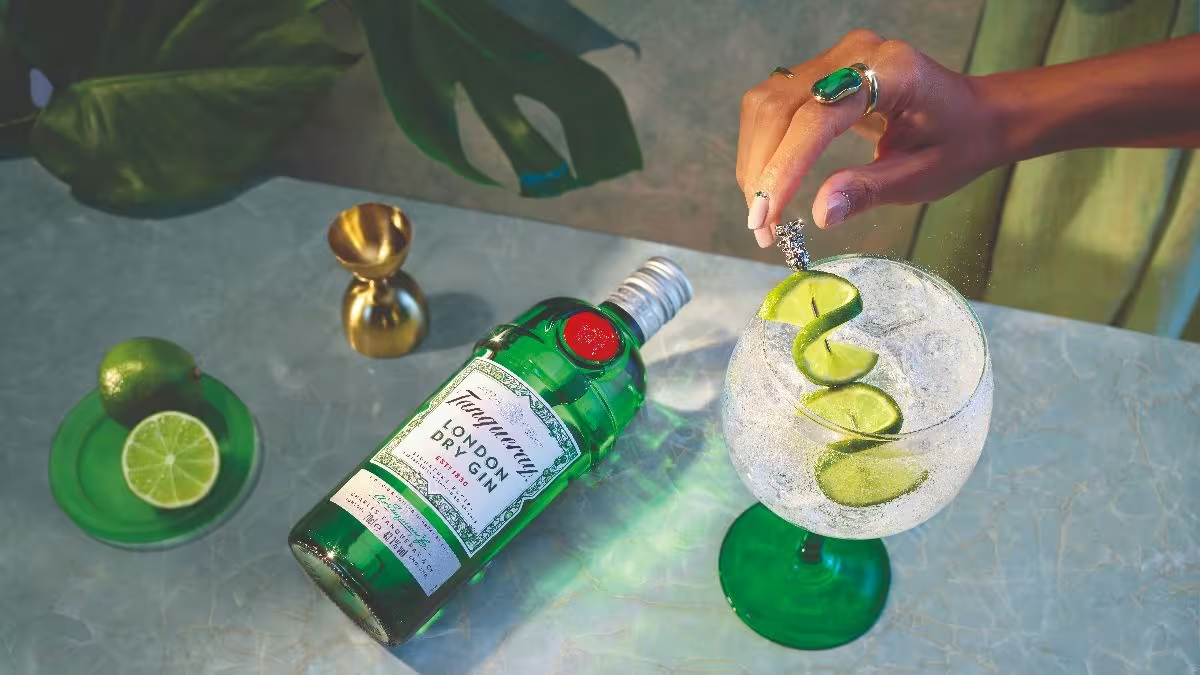
London Dry Gin to try: Tanqueray London Dry (also known simply as “Tanqueray”), or Tanqueray No Ten, which is a more modern take on London Dry Gin.
Plymouth Gin
Plymouth gin has a unique identity that is distinct from London dry gin, even though they are often grouped. This style of gin was created in Plymouth in 1793 and has earned a reputation for using earthier botanicals for its flavour profile, with softer juniper and rounded citrus notes.
The most significant difference between Plymouth gin and London dry gin is the use of root botanicals, which contribute to the gin being more full-bodied, but less assertive in its pine notes than London dry gin. Because of this, Plymouth gin is particularly successful in cocktails where the primary flavours are citrus or saline.
Bartenders frequently pair Plymouth-style gin with:
Grapefruit tonic water
Dry vermouth
Green olive brine
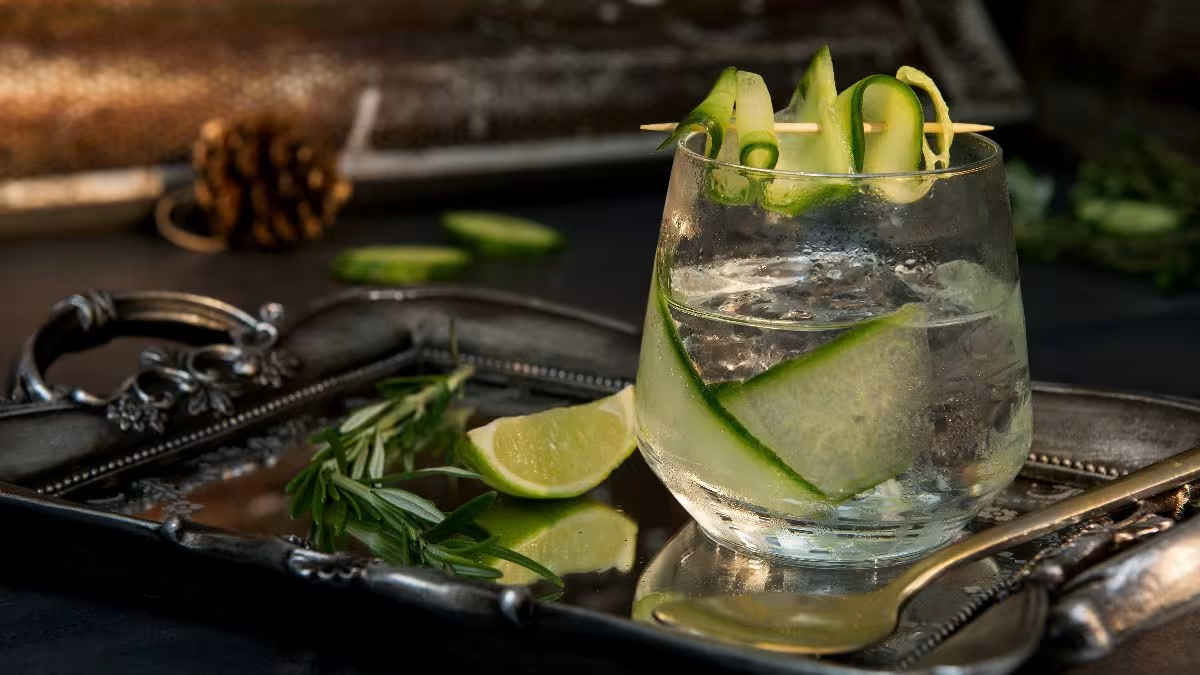
Herbal garnishes like rosemary or thyme
The combination of these flavours allows the softer structure of the gin to be present as part of the cocktail, rather than being masked by mixers.
Genever
Genever is the Dutch ancestor of modern gin, made from a malt wine base distilled from grains such as barley, rye, and corn. It is more maltier, more grain-forward and richer, often compared to whisky, than the modern gin. Juniper is still there, but has to compete with earthy, bready, and slightly sweet cereal characters.
Old Tom Gin
Old Tom Gin is a lighter version of gin that falls somewhere between London Dry and Genever. It was popular in England during the 1700s and early 1800s. Generally, it has rounded juniper characteristics, mild sweetness, and a somewhat thicker texture than either of those gins. Some Old Toms are barrel-aged, while others get their sweetness from sugar added during production or from sweet botanicals incorporated throughout the process. Additionally, it is prominently associated with classic cocktails such as the Martinez cocktail and the Tom Collins cocktail.
Flavoured Gin
Flavoured Gin is a gin that has been created with a traditional gin base and then flavoured with fruit, spices, herbs, or any combination of these additional items, which create the flavour profile of the finished product. Examples of flavourings include: citrus, berries, rhubarb, flowers (violets), and elderflower. Juniper is still present in flavoured gins; however, the added flavours are often much more pronounced than juniper, therefore producing styles that are easy to use in modern cocktails.
Navy-Proof Gin
Navy-Proof Gin originates from the British Royal Navy, which required spirits to be of a certain proof. The term does not refer to a different style of gin, but rather a traditional ABV (Alcohol by Volume) rating. These gins tend to provide a more concentrated expression of their botanicals, meaning that juniper, citrus, spices, and other ingredients remain well defined in mixed drinks and classic cocktails.
New Western (Contemporary/Modern Gin Styles)
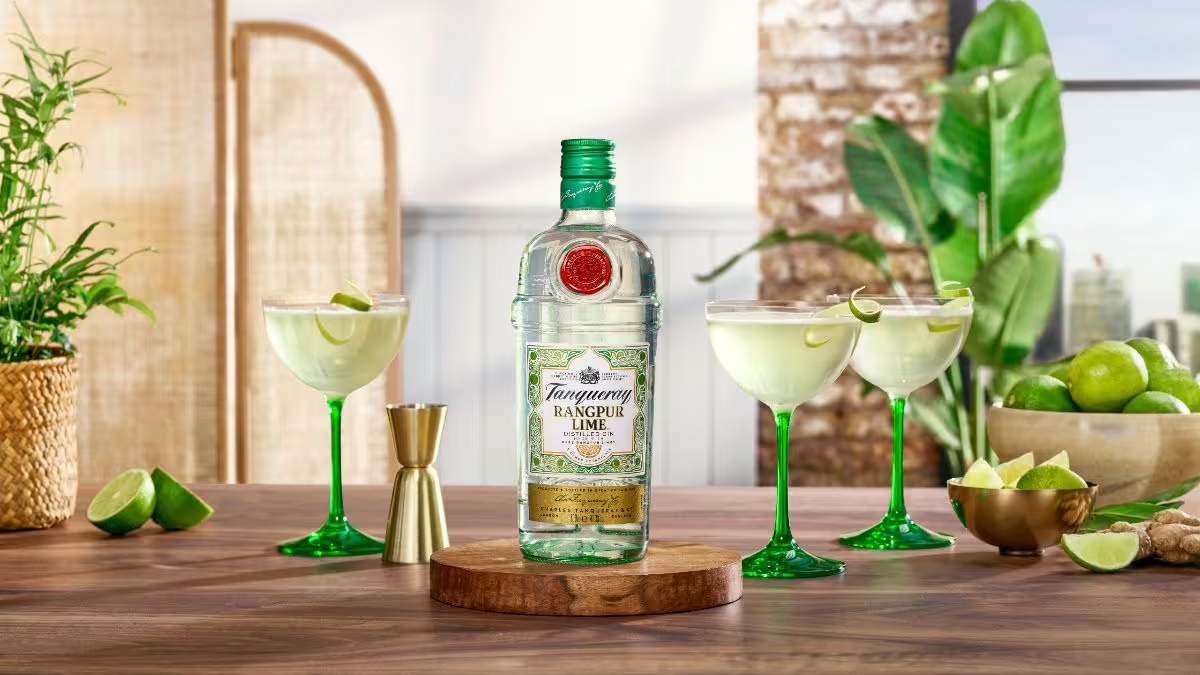
It is fair to say that gin has undergone a revolution in terms of its variety of brands in the last ten years, with a shift away from classic juniper-led style gins to more modern interpretations of gin, and a wider variety of botanicals being used. Modern distillers are now beginning to promote the use of citrus, floral, tea, or spice botanicals as the primary flavour profile of their gins. New Western is one such modern category that shifts the focus away from intense juniper, highlighting localised or non-traditional botanicals like floral, citrus, or spice notes. Aviation Gin is an excellent example of this new direction, with its restrained use of juniper and floral undertones that complement lighter citrus-based cocktails. Tanqueray Rangpur Lime is another example of a modern gin; it starts with a London Dry but steps into the modern/flavoured category due to the infusion of Rangpur lime, ginger, and bay leaves.
Why Gin Styles Matter In Cocktails
Different styles of gin behave differently when they are chilled, diluted, or used with modifiers. For example, a juniper-forward London dry style can mask the more delicate flavours of the fruit, and some softer styles may actually become nonexistent when mixed with bitter liqueurs.
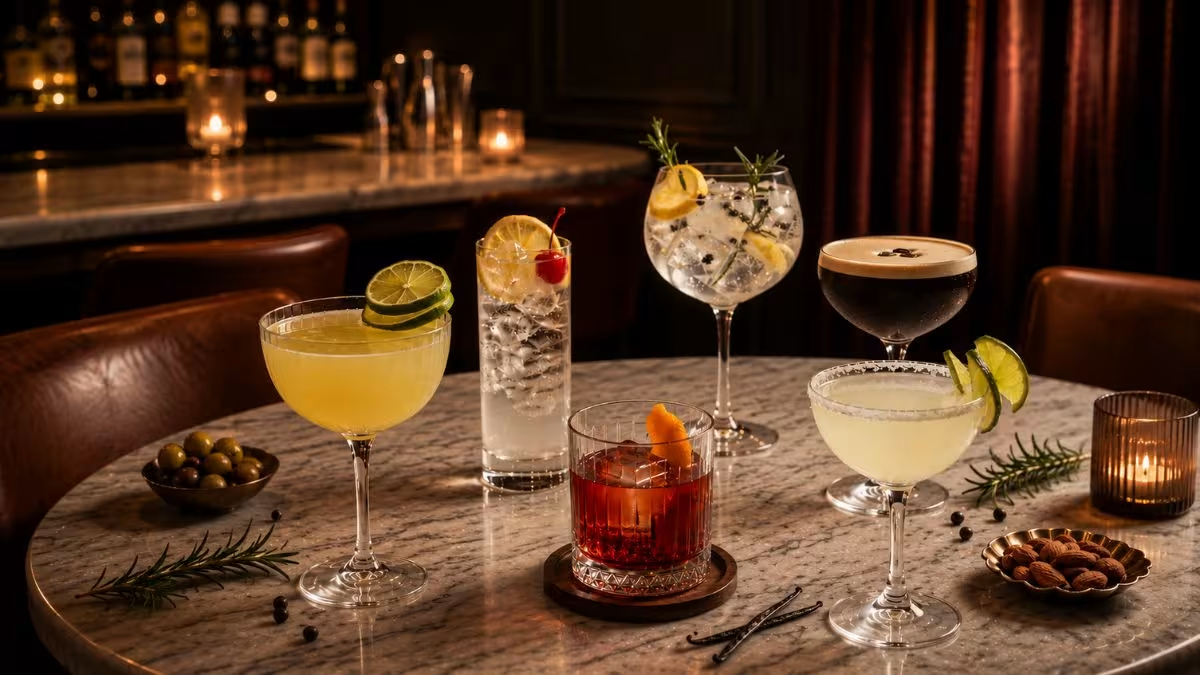
This is why cocktail structure matters. Here’s a look at popular gin cocktails and the flavour and structure that they rely on:
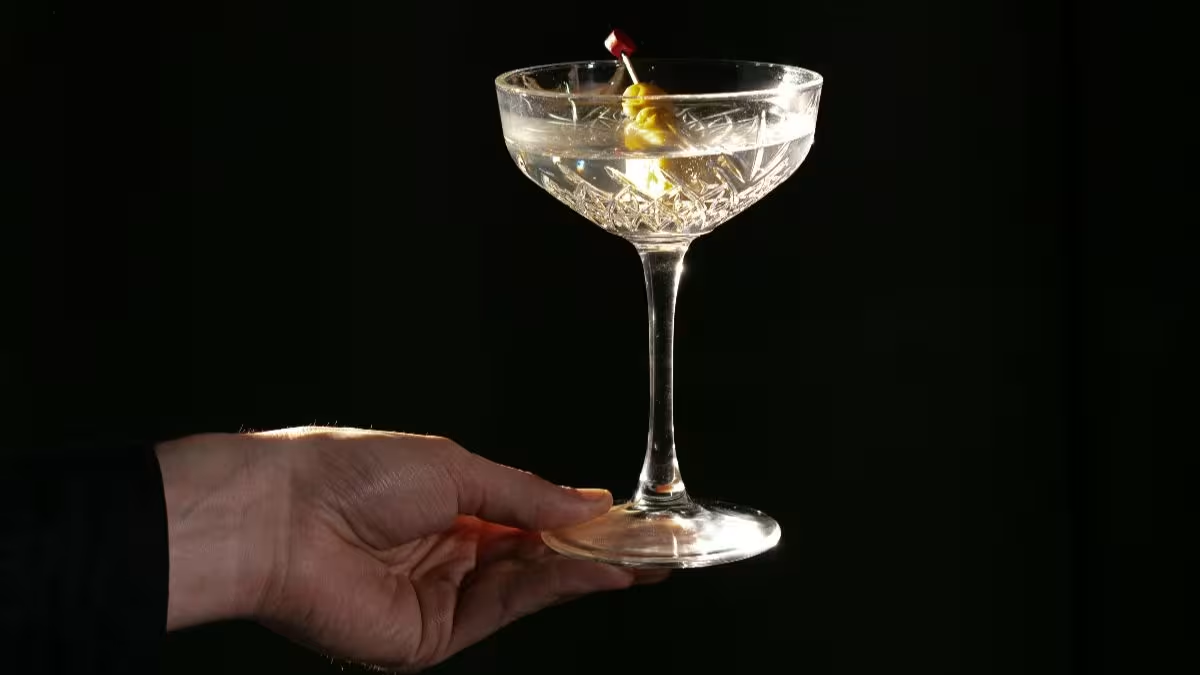
Martini cocktails favour crisp botanical definition
The Gimlet cocktail requires citrus integration
Collins cocktail variations benefit from softer floral styles
Gin Rickey cocktails rely on sharp carbonation and dry finishes
Conclusion
While lots of different types of gins are available, there are key differences between styles. A London dry style gin emphasises an overall dryness and juniper-based clarity, while a Plymouth style gin has more pronounced earthiness and roundedness. Some gin brands now produce gins through the use of floral, herbal or fresh fruit distilling methods, which are creating new ways to drink traditional gin cocktails. Understanding the structure and flavour notes allows you to experiment and improvise cocktail recipes as per your taste.
*Drink Responsibly. This communication is for audiences above the age of 25.
FAQs:
There are many different kinds of gin, but the most commonly recognised types include London Dry, Plymouth, and New Western. Apart from these, Genever and Old Tom are also well-known types of gin.
You May Also Like

Drink Responsibly. This communication is for audiences above the age of 25.
Yash Lakhan


More from The Bar


Stay Inspired
Sign up to our newsletter for exclusive recipes, insider secrets and special offers - all delivered straight to your inbox.
