Sips Of Spring, Gin Cocktails That Celebrate Botanical Flavours
Introduction
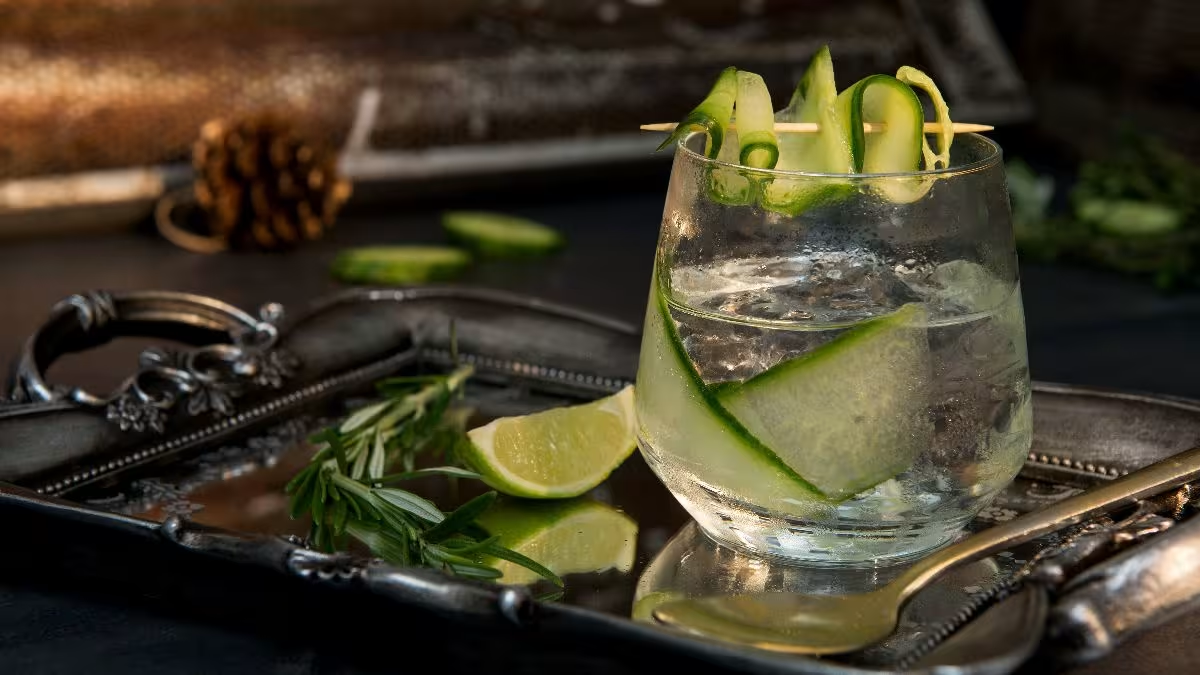
From crisp classics like gimlet to fruity and floral concoctions, gin cocktails are often found on springtime menus. The seasonal flavours and floral and herbal ingredients highlight the botanicals used to create the gin itself. Some examples are elderflower, hibiscus, and lavender; each of these contributes to the overall structure of the gin cocktail recipes by providing a primary flavour component. Tanqueray London Dry Gin, with its herbal aroma and floral finish, is the perfect base for these florals and herbs to blend. The gin allows the botanicals to express themselves, giving the drink a nice balance of each component.
Gin cocktails made for the spring season are typically more focused on the way botanicals work together than they are on creating a high concentration of flavour. It is important that the herbaceous elements of each beverage mix well with the floral and citrus notes.
Gin Cocktail Recipes For Spring
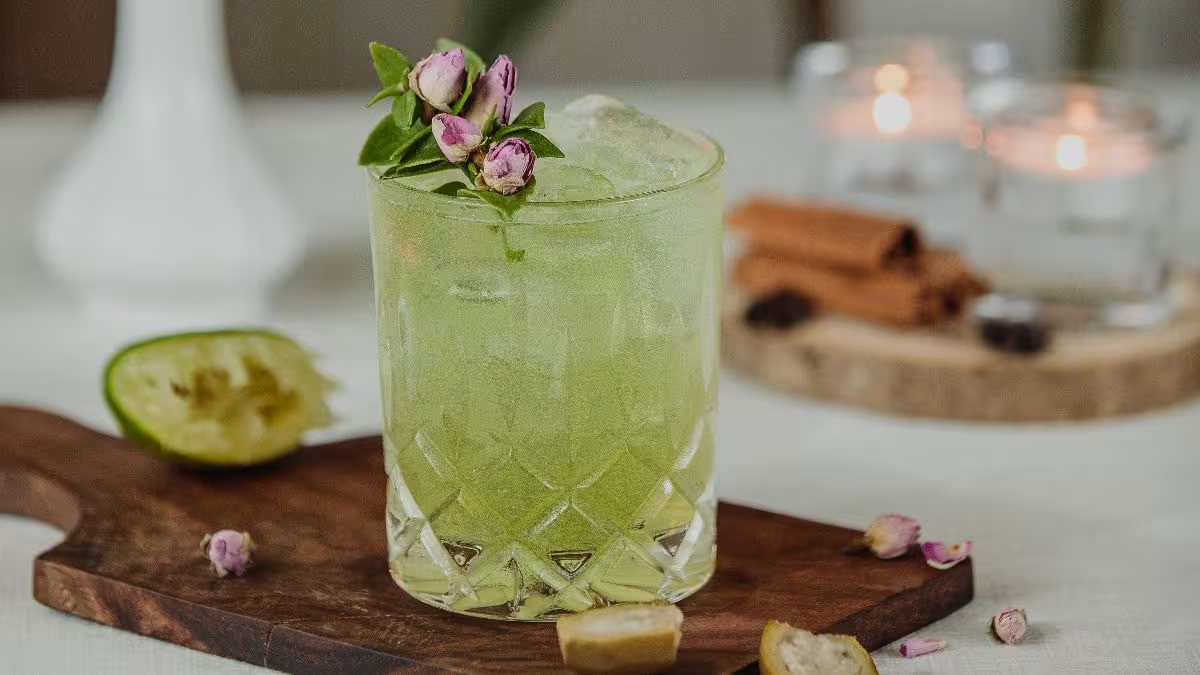
Elderflower Collins Cocktail: Structured Floral Lift
The Elderflower Collins cocktail shows how a floral note can be utilised, incorporating elderflower liqueur in addition to the Tanqueray London Dry Gin base, providing a soft floral component to the overall beverage.
Elderflower acts as a connection between the citrus and spirit, softening the edge from the lemon with a smoother, floral touch.. This allows gradual dilution and opening of the botanicals instead of flattening them out.
Lavender French 75 Cocktail: Aromatic Precision
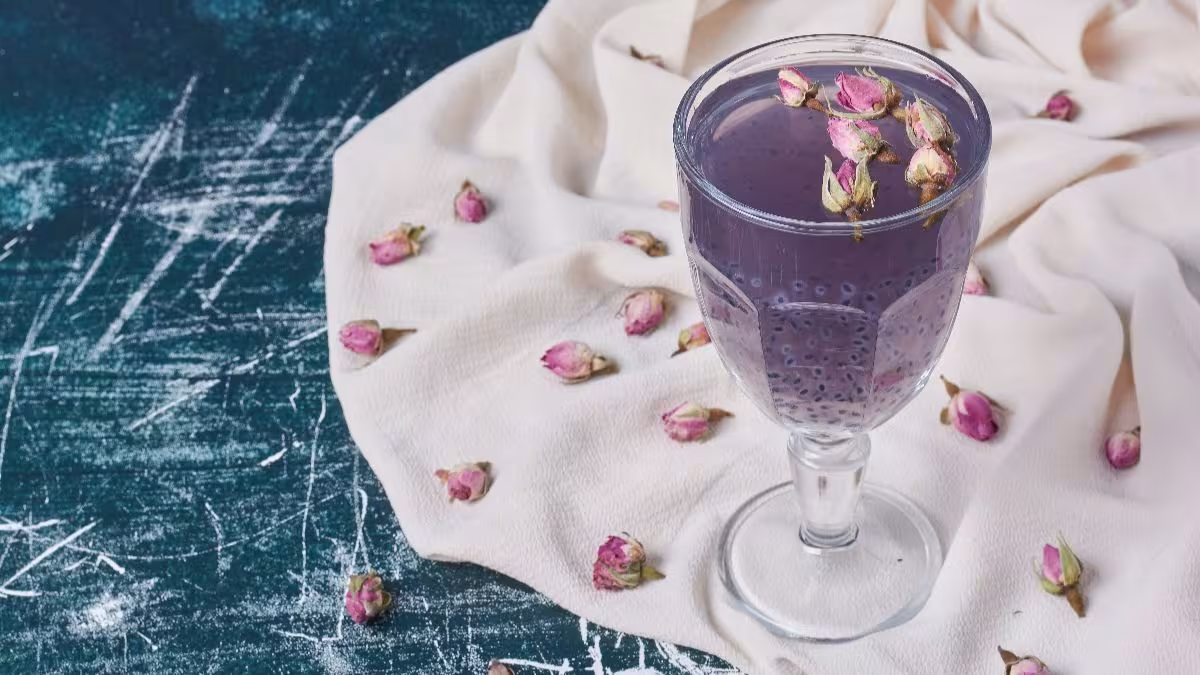
The Lavender French 75 cocktail is a refined version of the traditional French 75 cocktail, as lavender is used to provide a subtle but controlled aromatic quality. When appropriately applied to this gin cocktail recipe, lavender acts as a dry floral accent that suits the heavily juniper-based Tanqueray London Dry Gin.
The key aspect of this variation is restraint, as lavender can mask other flavours if used excessively. However, when used correctly, it produces a structured and aromatic top note, above the citrus and carbonation components of the drink. Thus, aroma becomes the highlight quality of this drink without masking any of the other components.
Hibiscus Gin Sour Cocktail: Depth Through Tart Florals
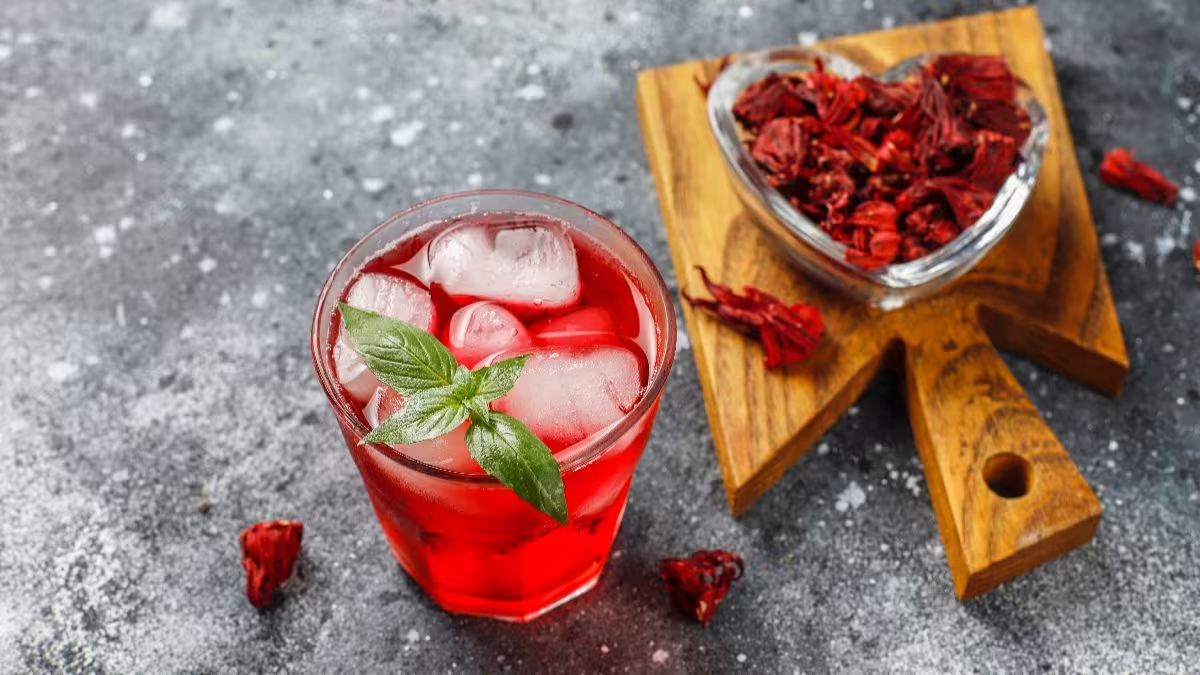
Hibiscus gin cocktails add another layer to the flavour profile of gin cocktails with their tartness instead of sweetness. In the Hibiscus Gin Sour cocktail, the floral aspect serves as both a flavour and colour component, adding a tartness reminiscent of cranberries. Because of this contribution of tartness, the drink is able to keep clarity. This drink showcases how floral components can provide flavour structure in gin cocktails, not just aroma.
Spring Garden Gimlet Cocktail: Herbaceous Integration
Gin cocktails can have more than a citrus component and also offer varied profiles that are herbaceous and local. The Spring Garden Gimlet cocktail has an emphasis on herbaceous green layers and understated floral notes. Fresh herbs like basil or mint, which are added as the herbaceous component, combine with lime and floral syrups to create a drink that’s not overtly sweet but layered. When using Tanqueray London Dry Gin, the botanicals of the gin allow the herbs and floral components to combine without competing.
Chamomile Gin Highball Cocktail: Subtle Infusion Technique
The Chamomile Gin Highball cocktail is a drink for those who prefer chamomile as their primary floral flavour. It has a more delicate flavour than an elderflower or hibiscus highball. Chamomile can be steeped into the spirit by using dried flowers (takes longer) or quick-steeping tea bags. Infusion lets its delicate flavours come through without masking the base spirit. Additionally, the use of infusion allows the chamomile to integrate into the overall flavour profile of the highball more smoothly. It is essential since the bitter flavour and floral notes from the chamomile will gradually start to interact with the gin after the highball gets diluted.
As the overall flavour of the highball develops through dilution, the chamomile will become much more apparent as the highball develops, giving a very gradual infusion of flavour into the overall highball.
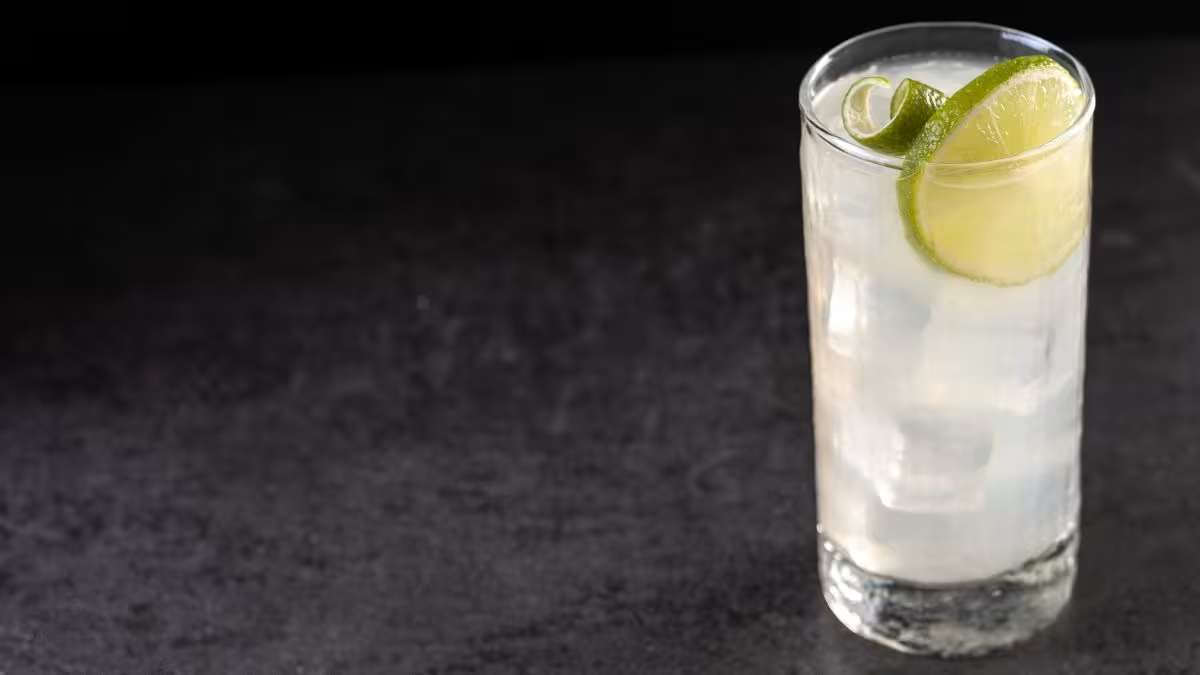
The floral component must be carefully placed with the gin so as not to mask the gin's innate flavour.
The use of citrus in the gin cocktail will help with the overall balance of the botanical prominence of the gin.
Significant dilution is critical to the development of complementary flavours with highball cocktails.
The herbal element in the gin cocktails allows for the combination of floral and citrus-flavoured drinks.
Drink Name - Key Botanical - Structural Role - Style of Drink
Elderflower Collins Cocktail - Elderflower - Connects citrus and spirit - Long, diluted Lavender French 75 Cocktail - Lavender - Aromatic top note - Sparkling Hibiscus Gin Sour Cocktail - Hibiscus - Adds tart depth - Shaken, structured Spring Garden Gimlet Cocktail - Basil/Mint + Floral - Herbaceous layering - Citrus-forward Chamomile Gin Highball Cocktail - Chamomile - Slow infusion - Highball
Gin cocktail recipes demonstrate how botanical flavours can be layered in such a way to highlight their quality, rather than as an excess. They effectively use botanical floral flavours (such as elderflower, hibiscus, and lavender) in conjunction with citrusy and herbaceous elements in order to achieve balanced layered compositions. The balance is created from the use of the gin's base principal ingredients together, allowing various elements to layer or evolve, while still creating a clarity of flavour between all of the ingredients.
FAQs:
Elderflower Collins cocktail, Lavender French 75 cocktail, Hibiscus Gin Sour cocktail, and Spring Garden Gimlet cocktail all focus on floral or botanical combinations rather than sweetness.
You May Also Like



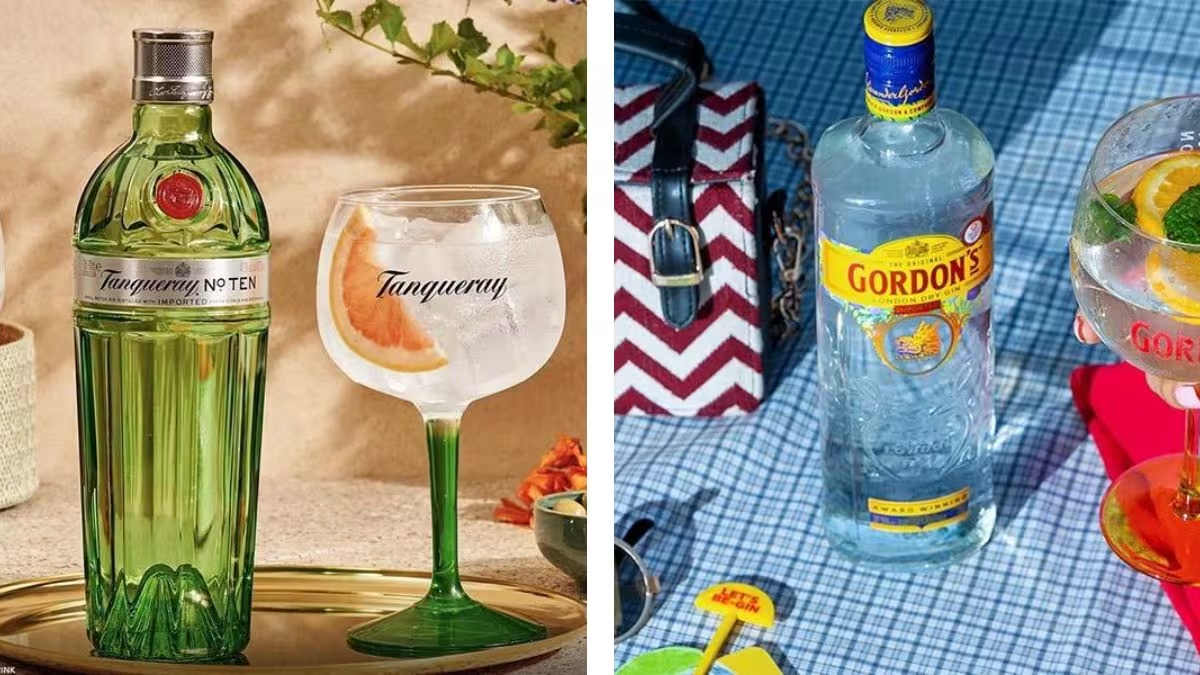
Tanqueray Or Gordon’s? Picking The Right London Dry Gin
Comparing the two most popular London Dry Gin brands.

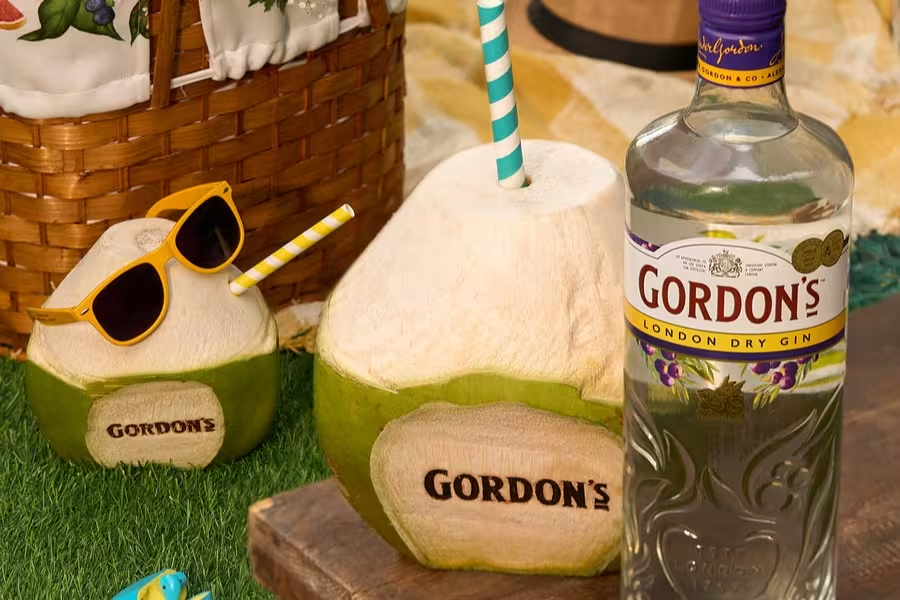
Celebrate World Coconut Day With A Splash Of Gordon’s Cocktails
It’s World Coconut Day, how about celebrating it with refreshing gin cocktails? Here are two cocktail recipes that will leave your taste buds in joy!

Drink Responsibly. This communication is for audiences above the age of 25.
Yash Lakhan


More from The Bar


Stay Inspired
Sign up to our newsletter for exclusive recipes, insider secrets and special offers - all delivered straight to your inbox.
