Gin Cocktails For Those Who Are New To The Botanical Flavours
Introduction
Traditional gin cocktails highlight aromatic botanicals, which cover a range of flavours, but can feel unapproachable or harsh if you’re new to the taste. But if you’re in the market to try this botanical-forward spirit, then you should focus on both the selection of gin and the cocktails that employ it. The right gin brand, like the zesty, juniper-led Tanqueray No Ten, has a more citrusy, floral, and layered acidity rather than assertive pine notes. This makes it much easier to taste the gin through balanced, ingredient-driven combinations rather than through a heavy concentration of botanicals.
Here are some gin cocktails that bring a medley of flavours, from tart to sweet and textures, from dry and crisp to carbonated. These gin drinks can help you determine the flavours you’d like to try the next time you order the drink.
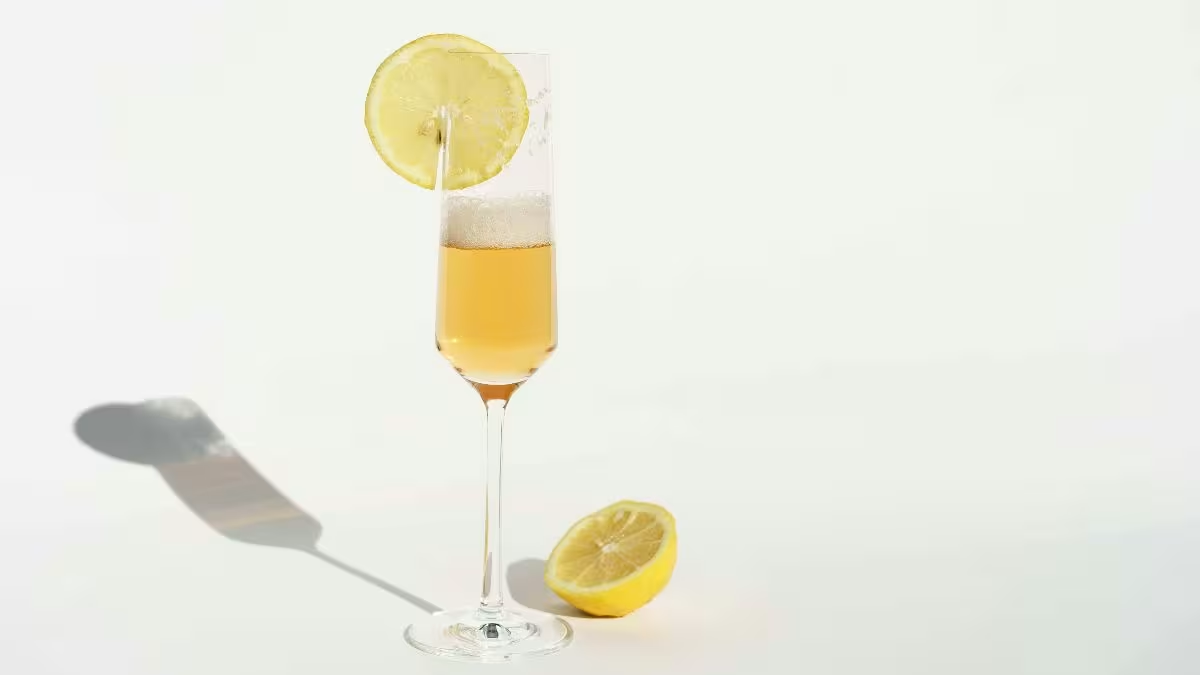
The French 75 is a reimagining of gin with citrus and bubbles, where lemon acidity and sparkling wine combine to create a linear structure. Use a citrus-forward gin like Tanqueray No. Ten to move the profile toward grapefruit peel and orange blossom, while softening the juniper presence.
Prepare this cocktail by shaking 15 ml gin with 5-7 ml lemon juice and 7-8 ml sugar syrup. Top it up with 15 ml chilled sparkling wine. The flavour notes work like this:
Lemon adds a sharp, clean acidity that cuts through botanicals.
Sparkling wine stretches the texture, adding a lighter texture.
Sugar rounds off the edges, so that the finish doesn’t become astringent.
This cocktail works because the gin becomes part of the citrus architecture rather than the defining note.
The flavour of the clover club cocktail is based upon the idea of berries, particularly raspberries, and offers an alternative perspective of gin. The raspberries offer, in addition to their sweetness, a small amount of tartness, while complementing the traditional mixture of botanicals used in gin.
Prepare this cocktail by shaking 30 ml gin with 10 ml lemon juice, 10–15 ml raspberry syrup, and 1 tbsp of egg white until frothy. Strain into a chilled glass. Here’s what every ingredient contributes:
Raspberries provide a mild acidity with just a hint of tannins' grip on the texture.
Egg white creates an airy foam atop the drink, ensuring a smooth texture when sipped.
Citrus adds a degree of structure through its acidity.
For the clover club cocktail, gin plays a structural aspect of the drink while fruit occupies the flavour notes.
The southside cocktail features citrus and mint, similar to those that can be found in a classic mojito cocktail. However, the Southside cocktail uses much drier and (more) botanical gin as opposed to what is typically seen in a mojito cocktail.
For a Southside, begin by muddling 6–8 mint leaves with 10–12 ml lime juice and 8–10 ml sugar syrup. Shake this with 30 ml gin and strain into a glass. The following notes should be apparent in the drink:
Mint adds an aromatic lift that complements the gin without overpowering it.
Lime brings acidity and brightness, balancing the botanicals and keeping the drink crisp.
Sugar rounds off the sharp edges, ensuring the drink stays balanced rather than overly tart.
This drink is an example of how gin can add to the fruity nature of a cocktail without being assertive.
Elderflower Collins Cocktail
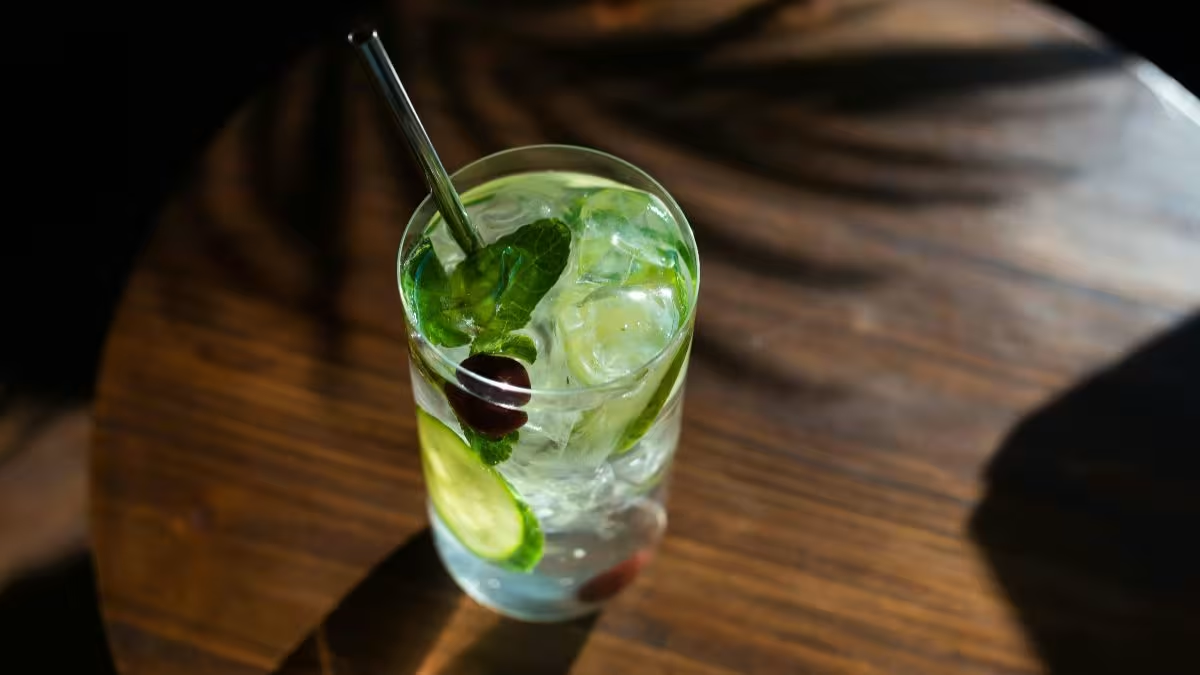
The elderflower Collins cocktail has a sweet, floral flavour that complements the bitterness of gin. Elderflower provides a smooth, rounded honey-like taste in combination with soda and citric acid. To make this version of Collins, start by shaking 30 ml Tanqueray No. Ten gin with 10 ml lemon juice and 10–15 ml elderflower syrup. Top with 60–90 ml soda water.
The elderflower bridges the floral and citrus elements.
Soda creates a gradual transition of texture.
Lemon provides a constant, smooth and structured acidic flavour.
In this drink, gin is part of a layered floral/citrus system. People who usually don't like the prominent botanical taste of gin but still want to try the drink can opt for flavours.
Bramble Cocktail
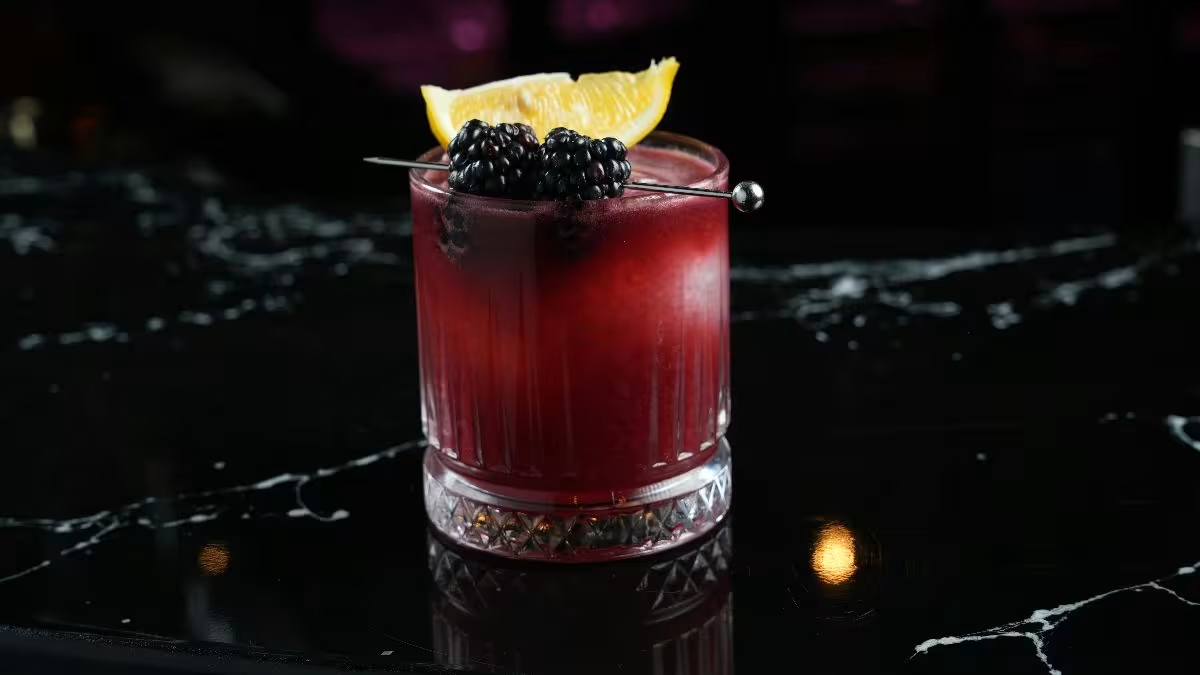
The bramble cocktail adds depth with blackberry, a darker fruit profile to balance out the dryness of the gin. The berry component provides sweetness and a slight earthiness. To make this cocktail, add 30 ml gin with 10–12 ml lemon juice and 8–10 ml sugar syrup to a shaker. After shaking, pour over ice, and finish with 10 ml blackberry syrup on top.
Blackberry adds a rich, slightly tart fruit note.
Lemon cuts into the drink, making the finish fruity.
Crushed ice modifies dilution dynamics, softening the assertiveness with time
It’s a drink that proves gin can do well with deeper, fruit-forward builds without tasting too herbal.
Cocktail - Prominent Notes - Texture Style - How Gin Integrates
French 75 cocktail - Citrus, sparkling wine - Light, effervescent - Citrus-led, botanicals softened Clover Club cocktail - Raspberry, citrus - Silky, foamy - Fruit-forward masking botanicals Southside cocktail - Mint, lime - Crisp, direct - Herbal balance with citrus Elderflower Collins cocktail - Floral, citrus - Light, extended - The floral bridge reduces sharpness Bramble cocktail - Blackberry, citrus - Gradual dilution - Fruit depth offsets dryness
Gin cocktails that highlight citrus, floral, and fruity flavours provide a more approachable beverage for those who may not be familiar with the flavours of botanicals when mixing cocktails with gin. These drinks demonstrate an alternative approach to how gin is perceived, through their focus on balance and integration. By incorporating brands such as Tanqueray No. Ten in their menu, bars are changing the way consumers view gin by making it part of a layered composition, versus an assertive ingredient in the drink itself.
*Drink Responsibly. This communication is for audiences above the age of 25.
FAQs:
Clover Club cocktail, Elderflower Collins cocktail, and Bramble cocktail are all good options as they mainly feature fruity or floral flavours, thus diminishing juniper's bitterness.
You May Also Like


Drink Responsibly. This communication is for audiences above the age of 25.
Yash Lakhan


More from The Bar


Stay Inspired
Sign up to our newsletter for exclusive recipes, insider secrets and special offers - all delivered straight to your inbox.
