Rose Flavour In Cocktails: The Science Behind Rose’s Unique Profile In Mixology
Introduction
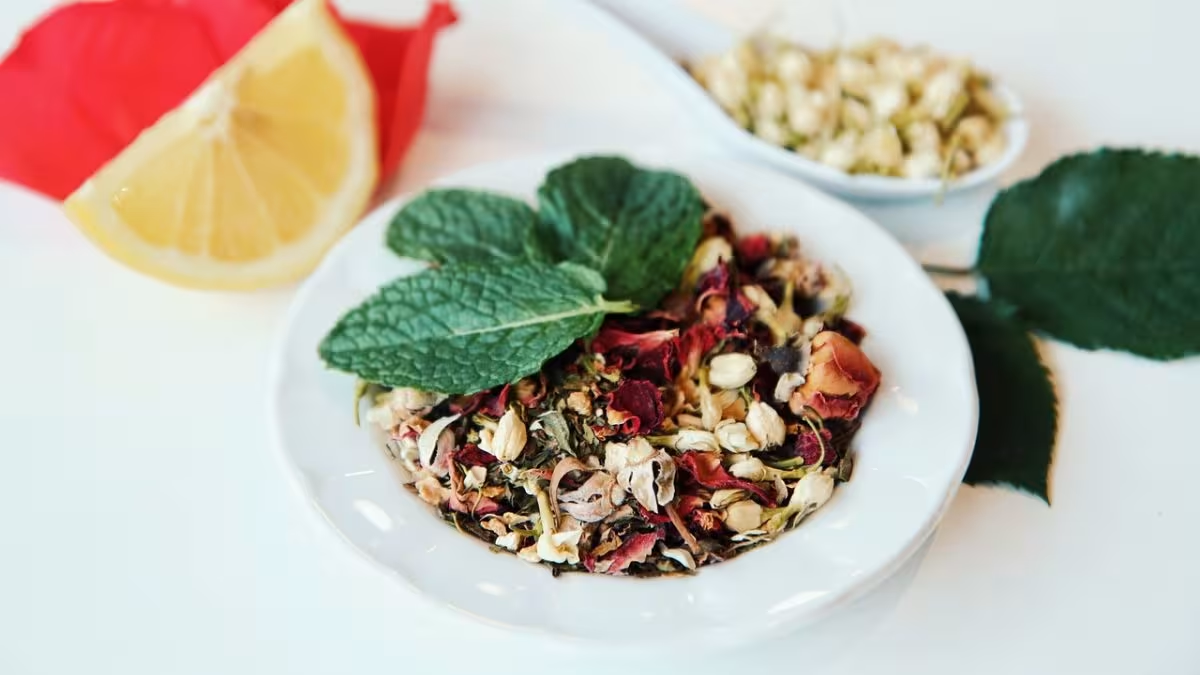
Mixologists have often experimented with rose flavour in cocktails as an interesting way to introduce florals in summer and spring blends. Such elegant floral elements have always held a graceful spot in cocktail cultures, with everything from lavender to elderflower to jasmine making an appearance in versatile drinks. The essence of dried or fresh rose petals is often brewed and extracted to make syrups and infusions, which are in turn used for blending drinks. Known for its sweet flavour and an equally arresting aroma, rose is a recurring ingredient in cocktails with versatile uses.
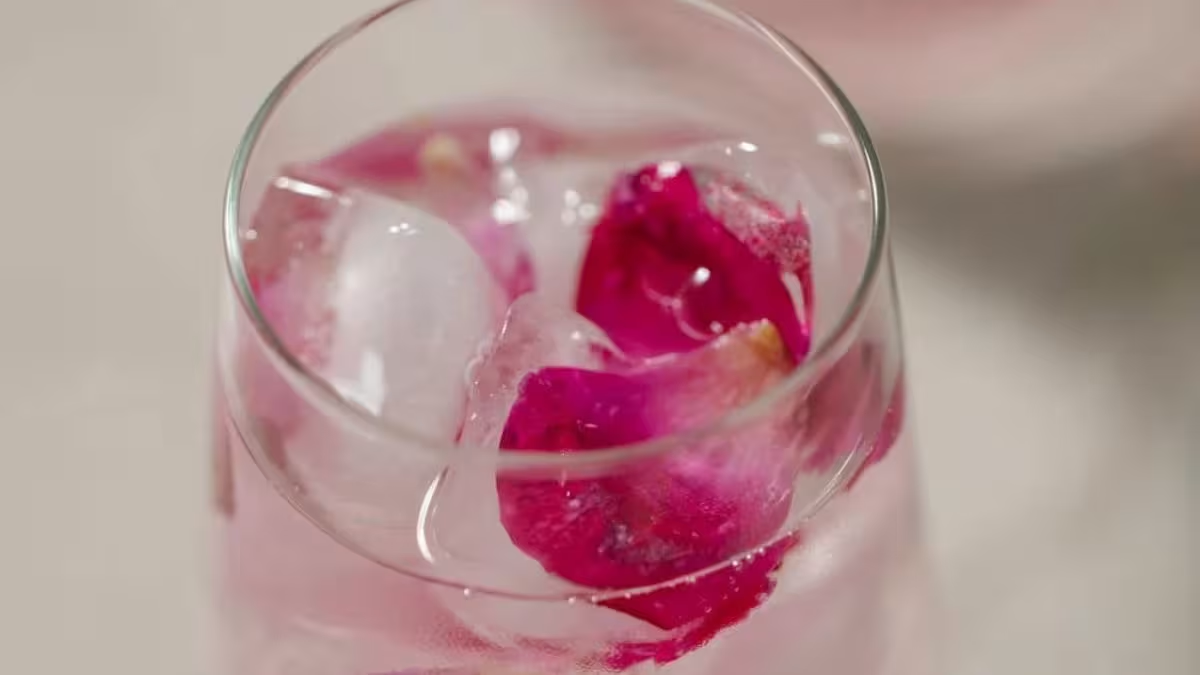
From turning it into a fresh and dried garnish, to harnessing it into rose syrup or rose milk syrup, there are numerous ways of incorporating rose flavour in cocktails. It is often blended with sugar to bring complexity, fragrance and a densely aromatic note in both alcoholic and non-alcoholic blends. Understanding the different textural and flavour compositions of the floral element and their interplay with other cocktail ingredients makes it easy for an amateur mixologist to craft drinks complete with the luxury that a rose’s hues, fragrance and appearance bring into blends.
The most striking effect of introducing rose flavour in drinks – from a gulkand lassi to a simple rose and gin fizz – is its aroma. And what brings this unmissable fragrance into cocktails is an essential oil that seeps into floral infusions and syrups. The slightly citrusy yet sweet smell of the flower contained in this flavour accent brings a very soft fragrance, a sweet touch and a light clove-like spice into relatively straightforward drinks. By adding rose flavour in cocktails, simple beverages turn into chic numbers carrying depth and complexity upon the addition of this floral element.
Tannins are also an important characteristic of this floral ingredient. It is an element present in flowers and barks that lends them an astringent taste, distinctly discernible as it adds a flavour layer to any cocktail. Bright red roses are full of this sweet yet subtly deep note akin to the one found in certain potent teas or wines. Infusing this astringency into syrups or infusions lends them a more full-bodied flavour and envelops a blend in their floral taste. The rose flavour in cocktails and other drinks becomes that much more pronounced due to this astringent effect, without becoming too diluted or seeming too delicate.
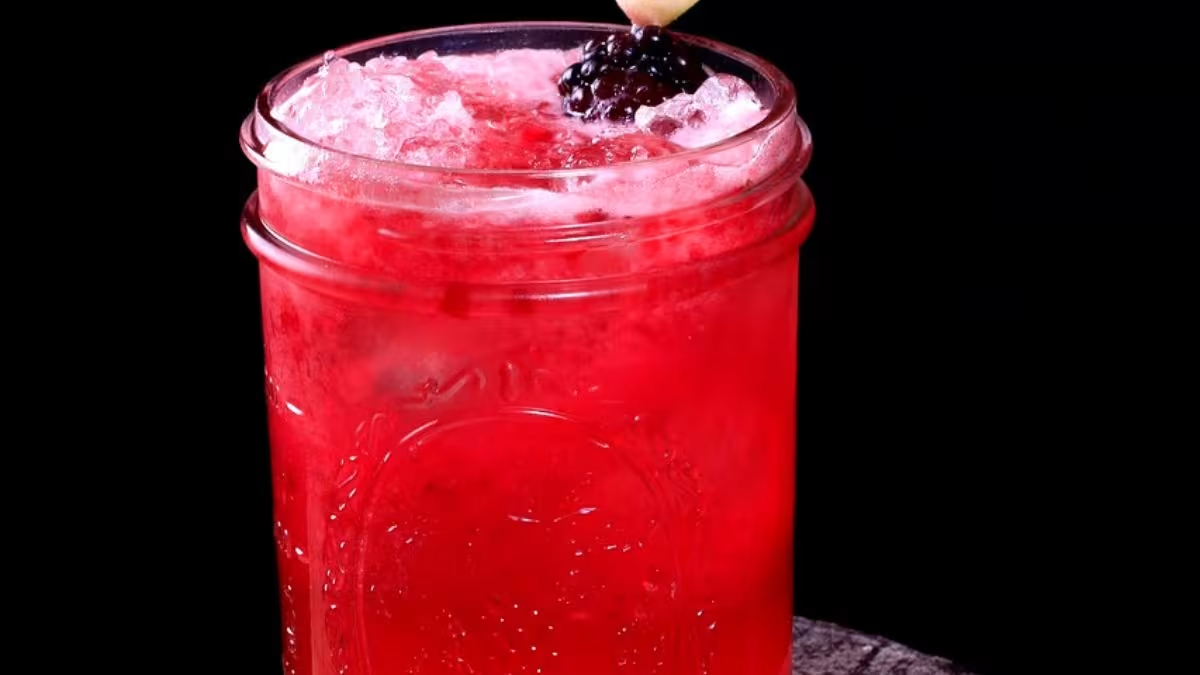
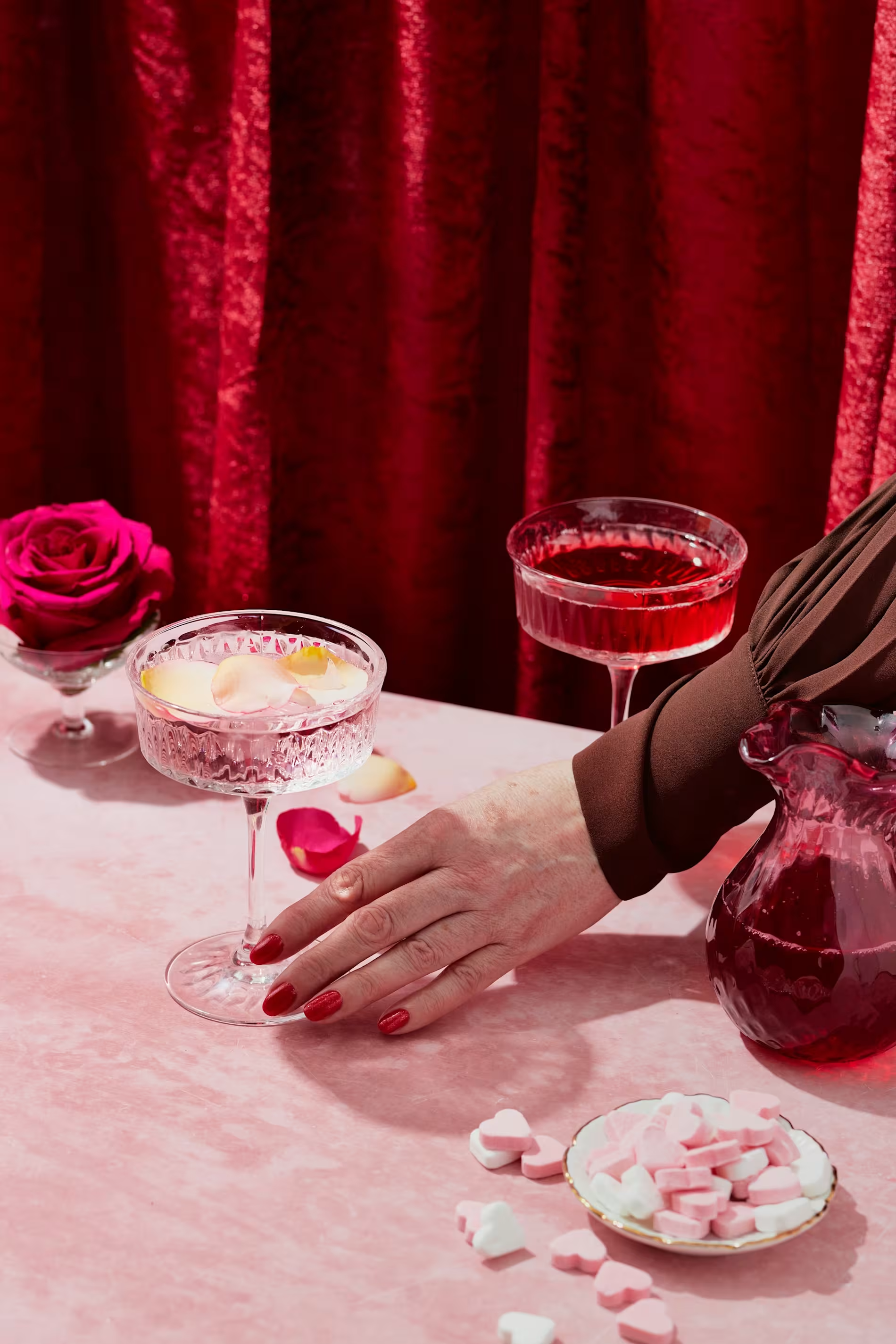
Cocktail appearance is one of the key features in premium mixology. Roses are an essential ingredient while making visually striking blends because they imbue cocktails and mocktails with a deep red and a subtle but welcoming pink hue. For instance, a simple gulkand milkshake made using a rose syrup, blended with a hint of cream, acquires a light pink colour that pops in a glass to exude a very summery vibe. Often, simple syrups are infused with the flower to not only add scent to a drink but also to release this very pinkish, reddish colour that becomes one of the highlights of any floral blend. A pro mixology tip involves pairing ingredients with low acidic qualities, such as tonic water with roses to maintain their colour in a blend.
Along with aroma and colour, rose syrup and rose water build taste in different cocktail and mocktail concoctions. So, one essential contribution of the floral element in drinks is inevitably, flavour. Syrups are often used for balancing the rose flavour in cocktails. Syrups imbue light floral flavours into them and rose liqueurs are incorporated into drinks to enrich them with a sweet, rich floral essence and a subtle fruit-like ripe quality. Rose petals steeped in alcohol infusions or sugar syrups contain more pronounced flavours of this floral ingredient, whereas rose tea carries a subtler note that can simply introduce floral hints into lighter blends.
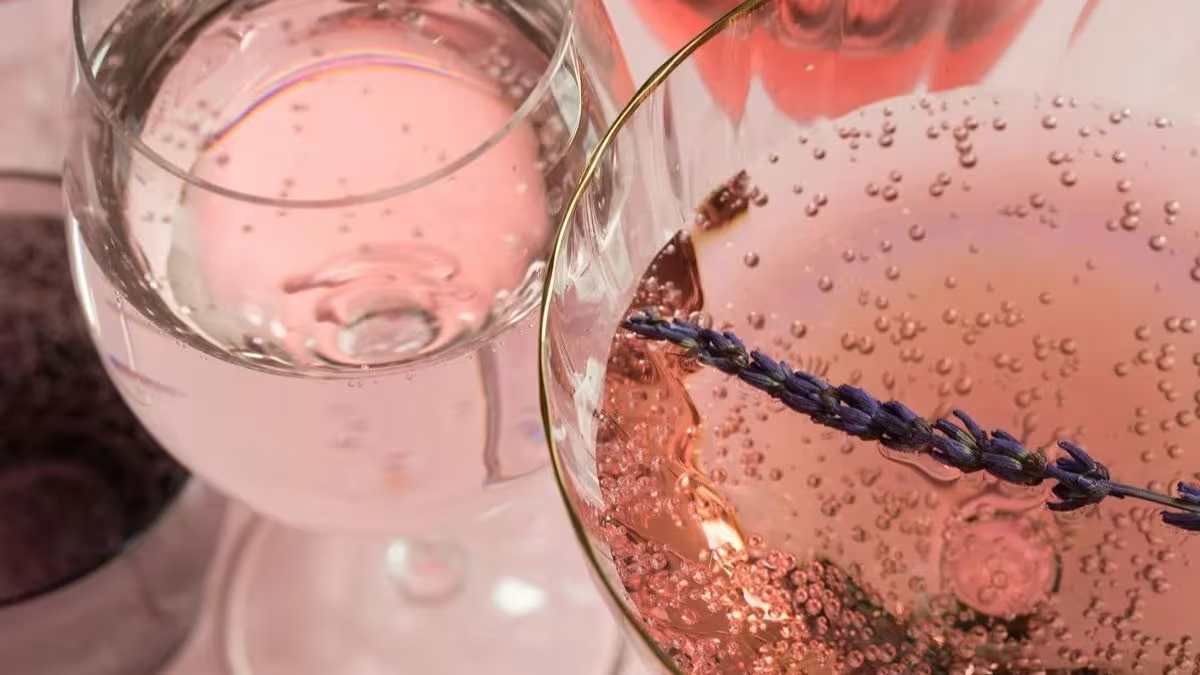
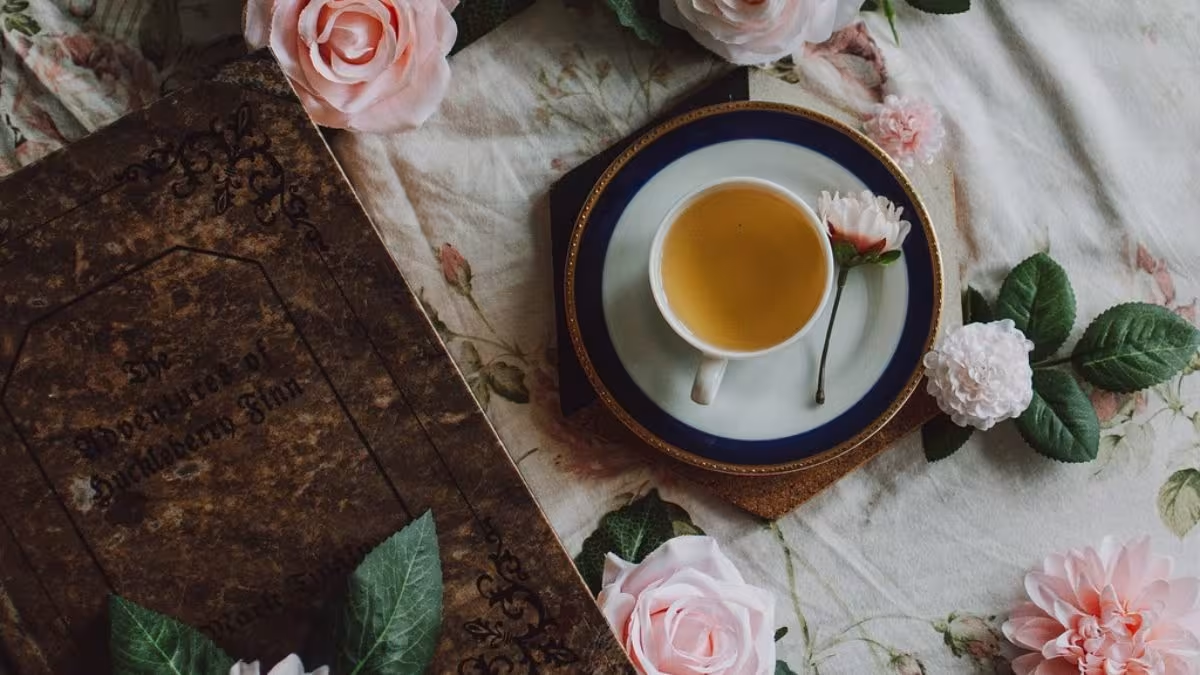
Think rose flavour in cocktails as a way to blend versatile flavours. Rose liqueur or rose petals can be paired with strawberries and lychees to build on their sweetness while making simple rose-infused cocktail and mocktail blends. Roses can also be paired with citrusy ingredients like lime for an acidity that balances the overtly floral and sweet notes of the drink. Spices such as cinnamon and saffron are also excellent additions to rose-forward cocktails because they complement the deep and warm notes of this flower. Finally, roses are also an interesting pairing with teas for a coupling of earthy, tart and floral flavours.
Drink Responsibly. This communication is for audiences above the age of 25.
FAQs:
Along with their sweet flavours, roses also bring aroma, depth and a visually striking appearance into drinks. That’s why they are used widely in mixology.
You May Also Like




Drink Responsibly. This communication is for audiences above the age of 25.
Aishwarya S

More from The Bar



Stay Inspired
Sign up to our newsletter for exclusive recipes, insider secrets and special offers - all delivered straight to your inbox.
