The Ultimate Summer Drink For World Gin Day: A Basil-Cucumber Gin & Tonic
Introduction
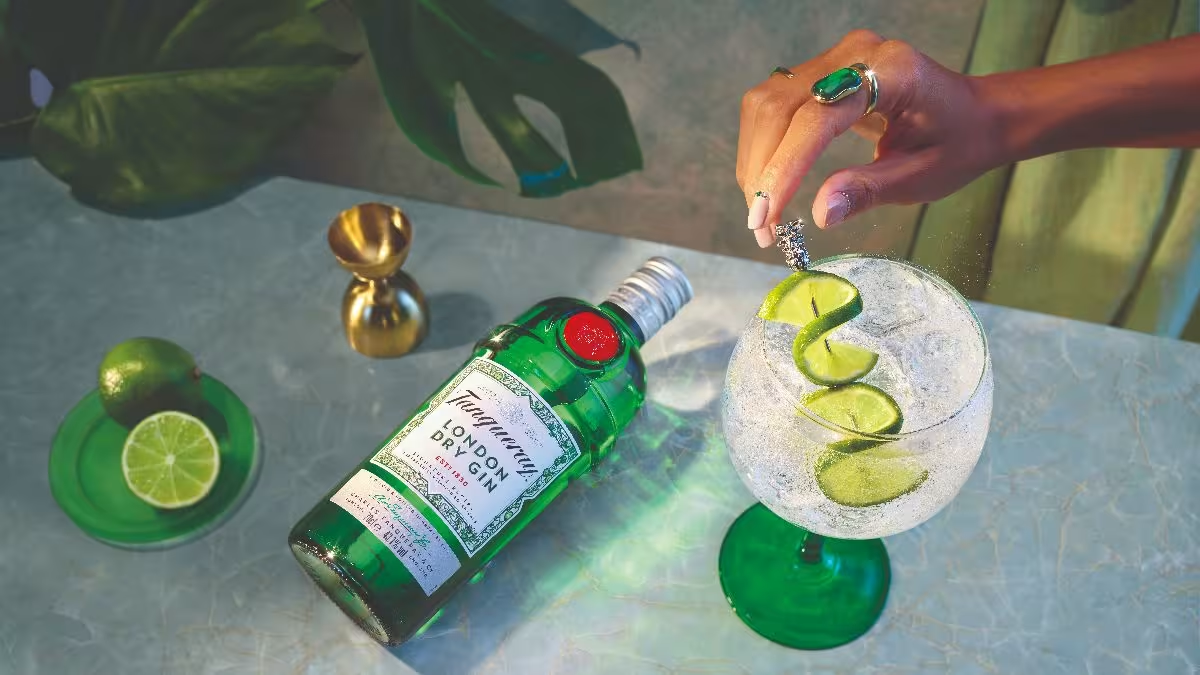
Summer drinks tend to use seasonal produce and a straightforward recipe approach. And if you are making summer cocktails at home, for World Gin Day or otherwise, then try the classic gin and tonic with a twist of basil and cucumber. The four ingredients work together to create a complex yet balanced beverage that’s easy to make at home, highly customisable, and has an inherent botanical harmony.
One of the best summer cocktails to serve, whether hosting at home or ordering out at a bar, here’s what makes this combination work.
Basil And Cucumber: A Prominent Pairing
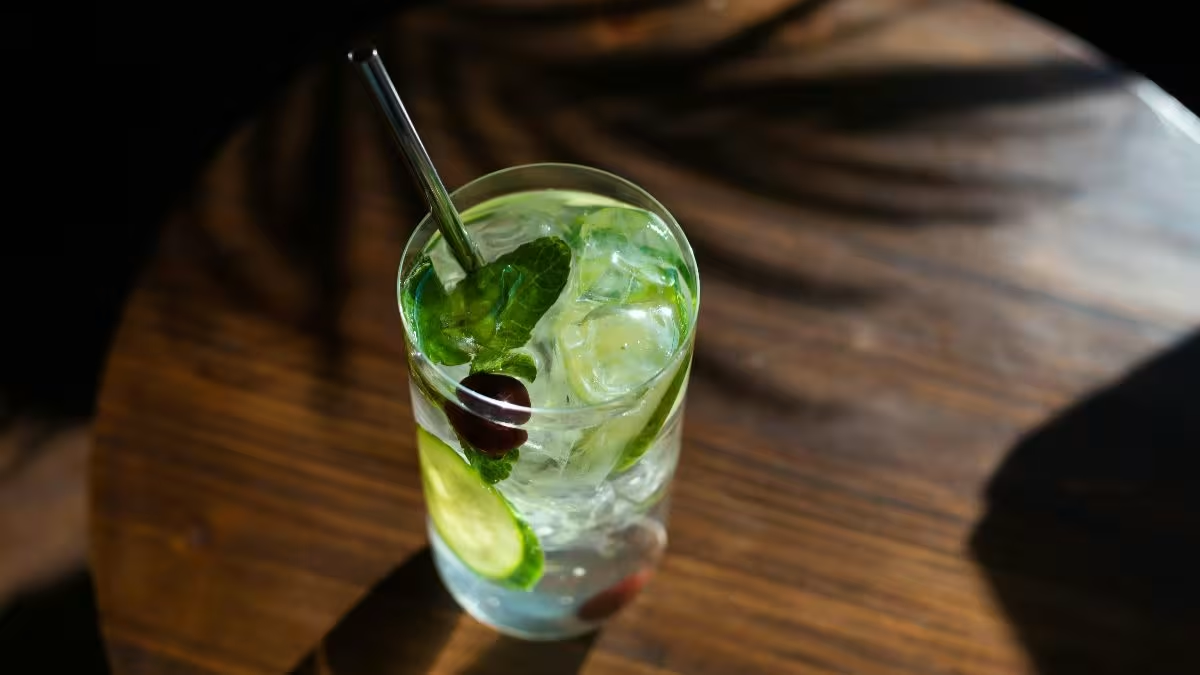
There are a few reasons why cucumber and basil make a great pair. Firstly, it is to do with their respective flavours. Cucumber has a light flavour profile with notes of grassiness, melon, and slight earthiness. In contrast, basil has a herb-like flavour profile, characterised by peppery notes and a hint of anise.
When used together, their unique but complementary flavours create a multi-layered profile; the basil creates aromatic concentration, and the cucumber creates a smooth effect for the aromatic notes. Additionally, the lack of sweetness in the basil and cucumber, as compared to other cocktail ingredients like tropical fruits and syrups, differentiates it from other summer drinks.
The Role Of Gin In The Cocktail
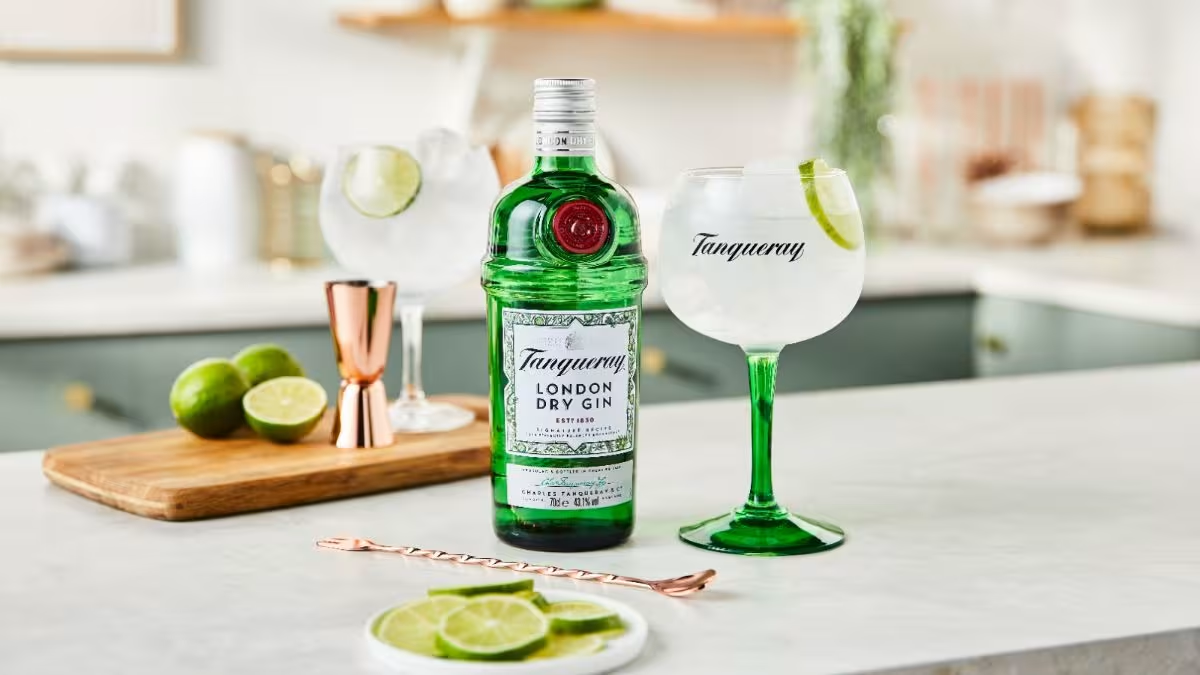
If you’re making this drink for World Gin Day, it’s best to understand the basic nature of the spirit and why it works in this combination. Gin has a botanical base. This allows basil and cucumber to work well together when mixed in a cocktail with gin. A London Dry Gin like Tanqueray London Dry, or any other, usually has a prominent juniper note with components of lemon peel, coriander, and different types of spices. These flavours work well with fresh herbs and vegetables.
Basil has a very herbal nature, connecting with the botanical nature of gin, and cucumber tends to complement gin's lighter citrus and floral qualities. The cucumber also smooths out the overly bitter edges in a cocktail. The combination of these herbs and vegetables with gin provides a drink that produces multiple flavour characteristics that don't compete with one another.
Why Tonic Is Essential
In addition to providing carbonation, tonic water contains quinine, which is the source of its bitterness. This bitterness counterbalances the gentler flavours of cucumber and basil. Without tonic, the mixture can be weighted down by the herbal and vegetable flavour aspects of the drink. Tonic provides a structure for these flavours to work together, while the carbonation distributes the aroma of the drink throughout the serving glass.
What Makes It A Popular Summer Drink
This combination is very popular during the summer months, mainly because it uses fresh ingredients, such as basil, cucumber, and gin, rather than sugary ingredients that are usually associated with summer components (syrups, liqueurs, or fruit-based products). Considering that World Gin Day falls in June, a month characterised by peak summer weather in India, the drink fits the occasion.
The ingredients are also easily available and fairly simple to work with. Lastly, even though there are only four ingredients, they produce a complex drink. Key characteristics of the drink include:
Herbaceous basil notes
Crisp cucumber character
Botanical gin complexity
Bitterness from tonic water
Effervescence from carbonation
Small Details That Influence The Final Drink
The techniques used in creating the various components of this drink are responsible for its final success or failure.
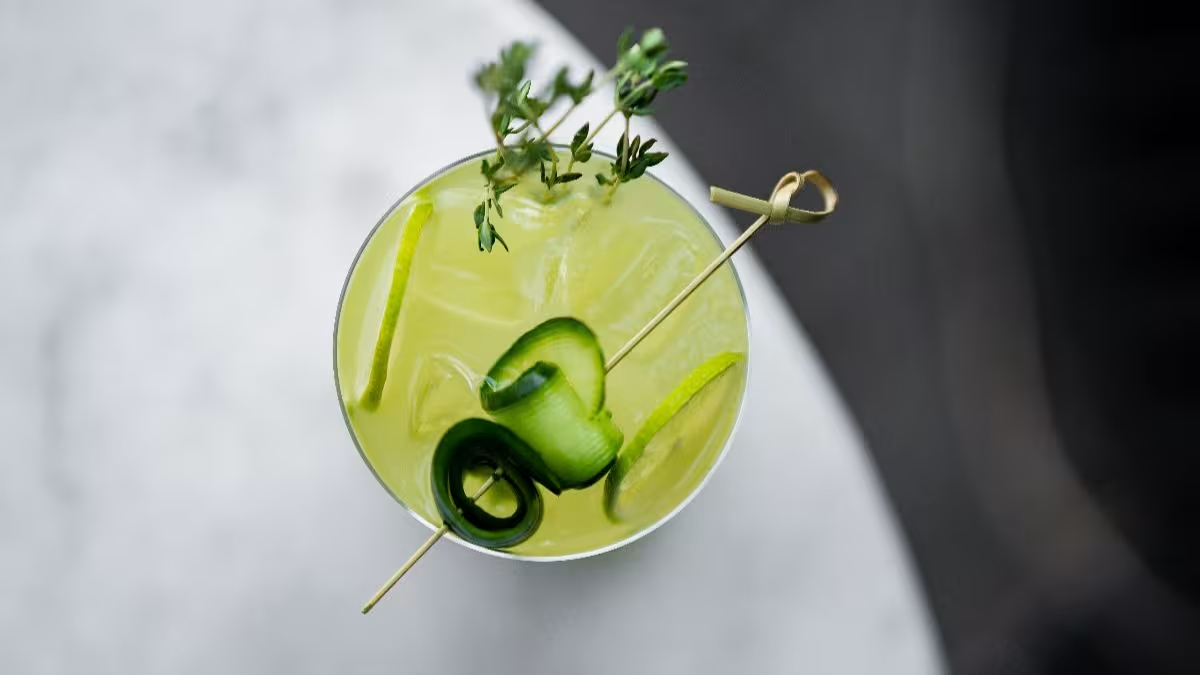
Instead of vigorously muddling basil when preparing this cocktail, you want to bruise the basil gently so as not to create a bitter flavour.
Thinly sliced cucumbers provide a more even release of flavour than thickly cut pieces.
The carbonation and body of the tonic will be preserved by chilling it well before preparing the drink.
When adding citrus ingredients to this cocktail, it’s important that they complement the overall flavour profile and not mask the botanical quality of the drink.
While many of these variations may seem like small details, they will ultimately affect the aroma, balance, and texture of the finished cocktail.
Conclusion
Because of the way they are used, basil, cucumber, gin, and tonic are commonly found in summer drinks. They combine simplicity and sophistication, with cucumber providing light vegetal notes, basil providing herbal depth, gin providing a unique and broad botanical backbone, and tonic providing both bitterness and carbonation. When combined, they offer an incredibly well-balanced summer drink with minimal effort. Very few modern summer drinks are able to provide the same combination of aromas, flavours, and textures while still maintaining an approachable and easy-to-build format.
*Drink Responsibly. This communication is for audiences above the age of 25.
FAQs:
Basil has an herbal and peppery taste, whereas cucumber has more of a subtle vegetable flavour. Both ingredients add flavour complexity to the drink without unnecessary amounts of sweetness.
You May Also Like





Drink Responsibly. This communication is for audiences above the age of 25.
Yash Lakhan


More from The Bar




Stay Inspired
Sign up to our newsletter for exclusive recipes, insider secrets and special offers - all delivered straight to your inbox.
