Why Is London Dry the Best Gin For Beginners To Try?
Introduction
Does it ever feel like the world of cocktails and spirits collectively got on the gin train and never looked behind to see who they left behind? Maybe someone like you who is still struggling to understand which gin works best for a beginner. Or perhaps you always preferred whisky, but now want to sample the botanicals to understand what everyone’s talking about.
Whatever the reason, if your gin knowledge is lower than the letters in the spirit’s name, this guide can come in handy.
Brand references are indicative and can be changed as per preference.
The Gin Basics
Before you understand the version of gin that’s most common and easily available to try, it’s important to understand the spirit itself. Gin is a clear-coloured, distilled beverage that derives its primary flavour and aroma from juniper berries (and other plant botanicals).
How is it produced? The first step is to arrive at the base spirit. It’s distilled from fermented grains like wheat, barley, rye, or corn. This is a neutral spirit. The flavour is infused into the neutral spirit using juniper berries along with herbs, spices, flowers, and citrus peels. Botanicals are steeped in the liquid or placed in a vapour basket during redistillation to extract complex flavours.
Legally, all gin must have a minimum alcohol by volume (ABV) of 37.5% in Europe and 40% in the United States. As far as variations go, there are four main gin types:
London Dry: A crisp, very dry style where no artificial flavours or sweeteners are added after distillation.
Old Tom: A slightly sweeter historical style of gin that often includes added sugar or botanical sweetening.
Plymouth Gin: An earthy, softer style traditionally produced only in Plymouth, England.
Genever: The Dutch ancestor to modern gin, made from a malted grain mash and often aged in barrels.
Choosing The Right Type
London Dry is one of the best gin types to go for if you’re new to the spirit. It is the most common and widely consumed style of gin in the world.
Unlike tequila and despite the name, it does not have to be made in London to be considered London Dry; it defines a production method and can be distilled anywhere in the world. Simply put, if you’re trying a new gin, this is the type you won’t have to struggle hard to source.
Now, when it comes to choosing the exact London Dry, here are a few quick pointers to keep in mind:
Juniper-Forward Profile: The main flavour must be juniper, which gives gin its classic pine and herbal taste.
Alcohol by Volume (ABV): Choose a bottle with at least 40% ABV. Anything lower can taste weak or watery when mixed.
Supporting Botanicals: Check the label for secondary notes like citrus peel (lemon or orange) for brightness, coriander for earthy spice, or angelica root for smoothness.
Pure Production Rules: True London Dry means all flavours come strictly from natural distillation with virtually no added sugar or artificial ingredients after distillation.
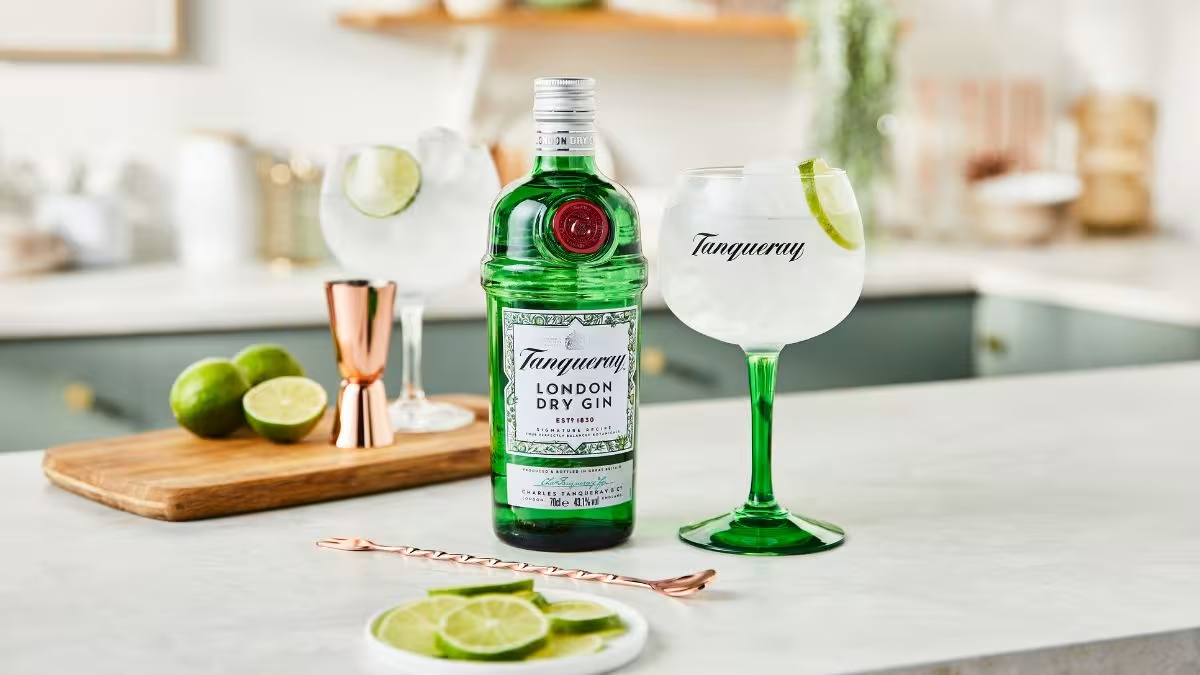
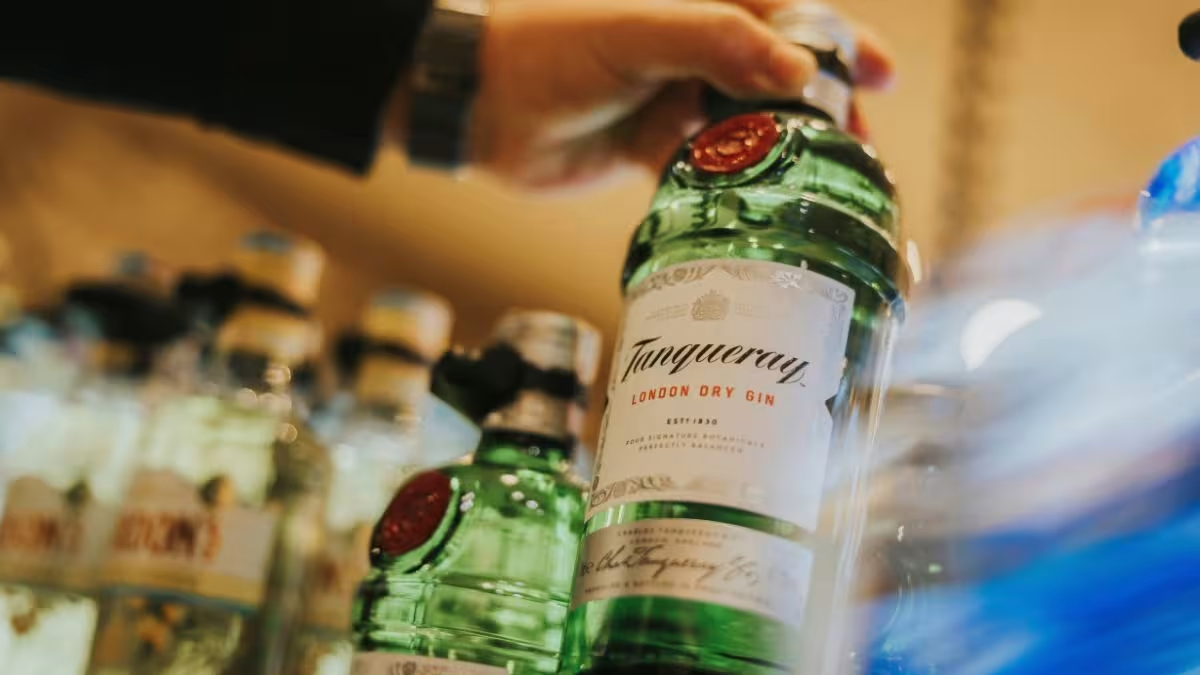
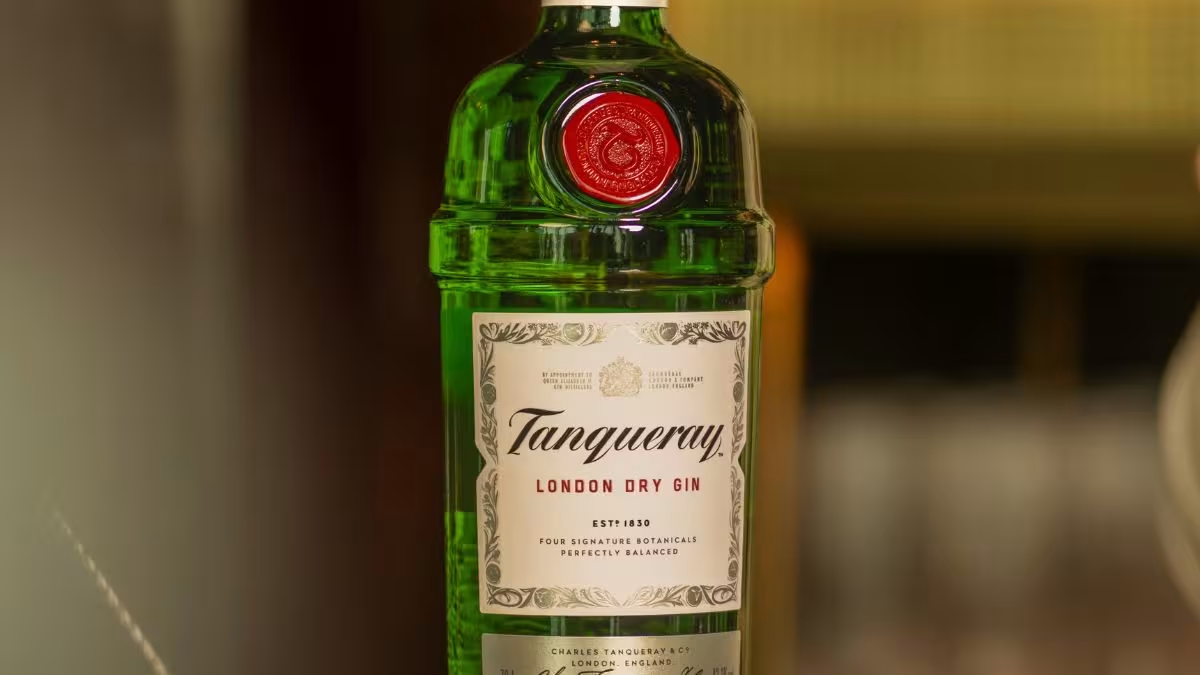
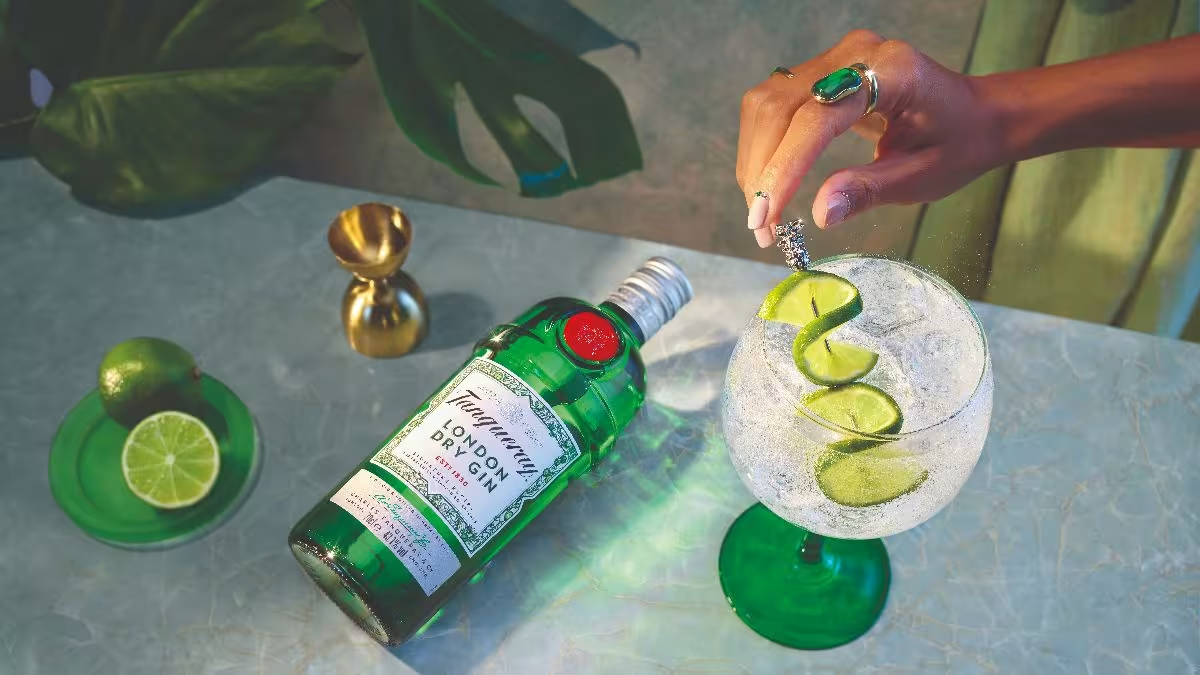
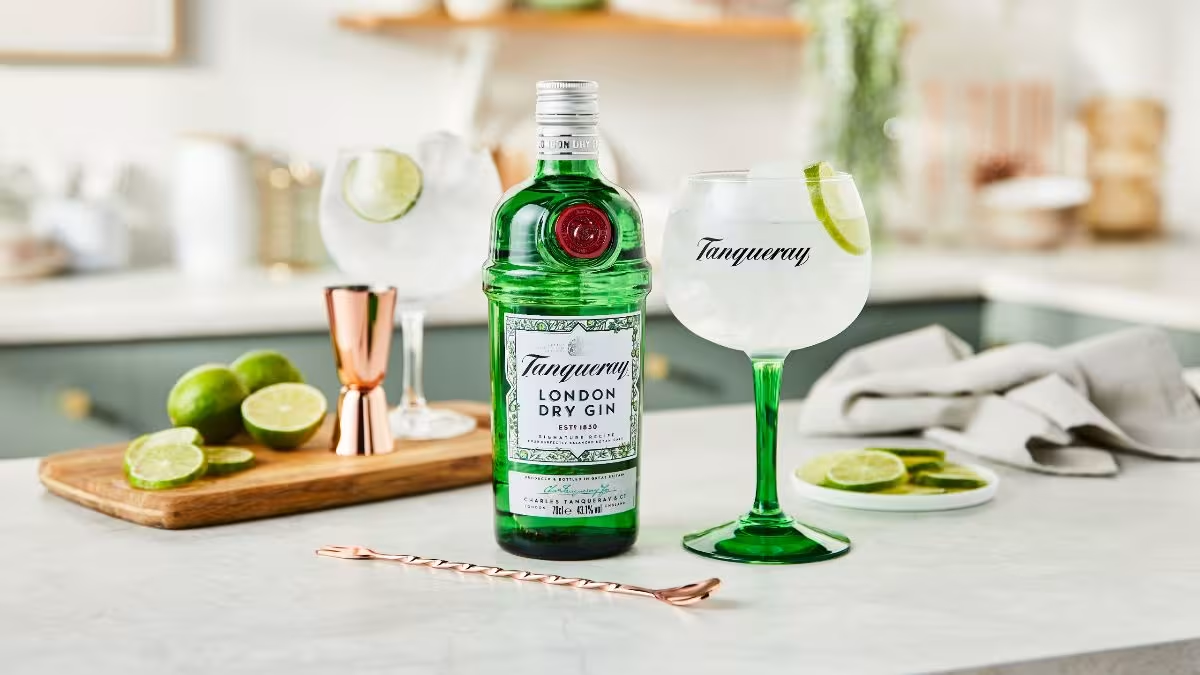
Trusted Starter Brands: Classic benchmarks like Tanqueray London Dry offer a reliable, smooth baseline for standard gin cocktails, like the Gin and Tonic.
Things To Keep In Mind
Now that you’re clear on what makes London Dry a favoured choice and how to pick one, here are a few things to keep in mind.
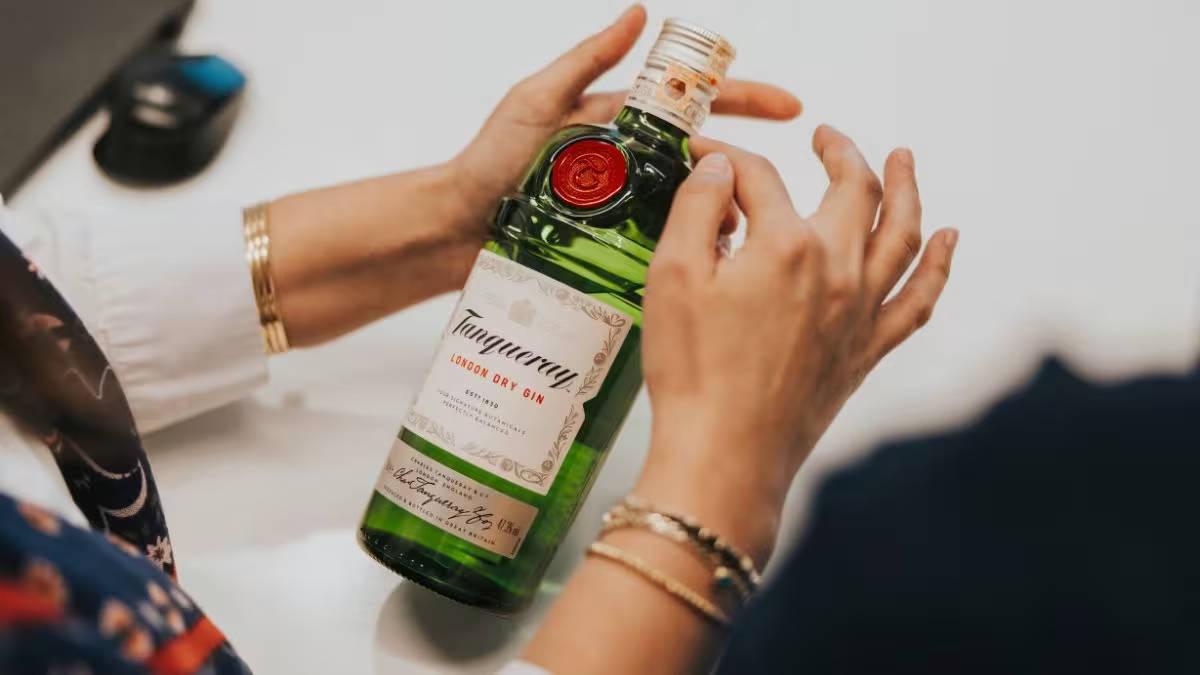
Pricing: A gin can come in various price points. Set a budget in mind before buying. A 750ml bottle of Tanqueray London Dry Gin, for example, is priced like this across India:
Bengaluru: INR 3,000
Gurugram: INR 1,800
Mumbai: INR 2,900
Cocktail vs On The Rocks: While you may want to taste the botanical-forward profile of a gin, a London Dry works best when in a simple mixed drink or cocktail rather than straight on the rocks, especially if you are new to it. Drinking it completely on the rocks can also feel harsh to a beginner.
Here are some simple gin cocktails to try:
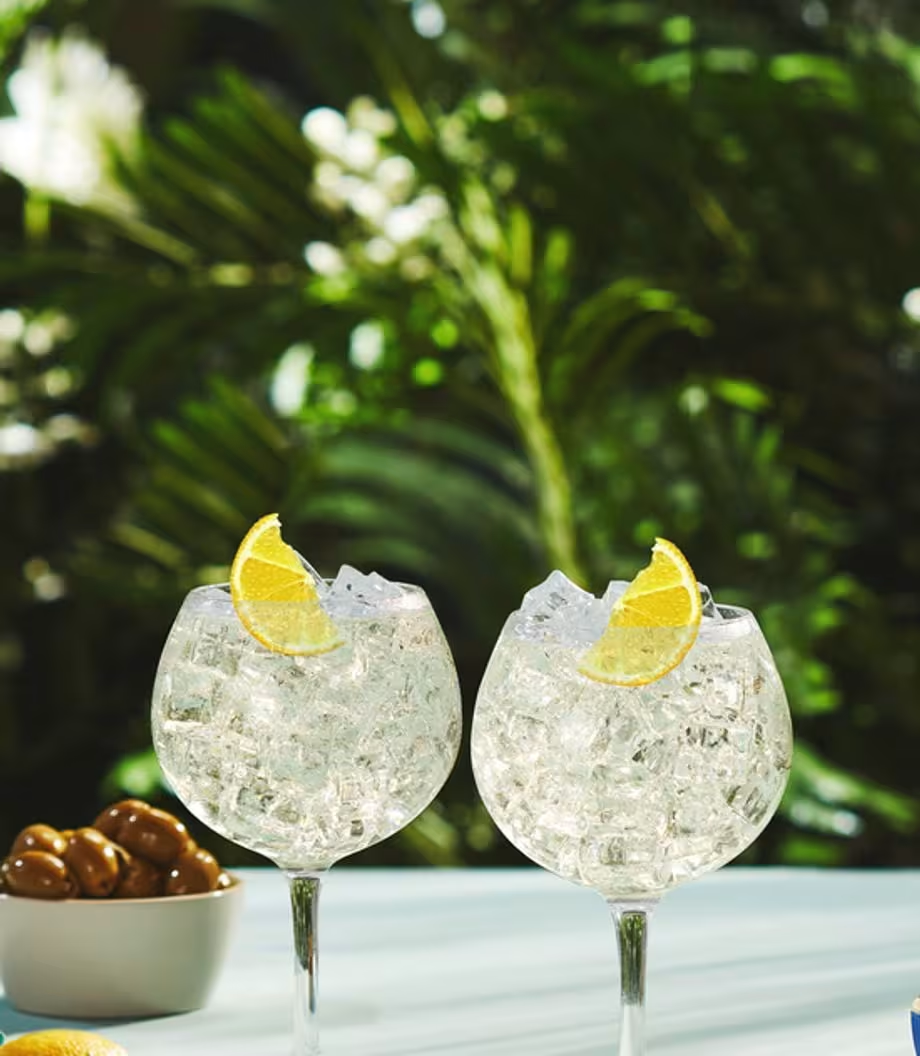
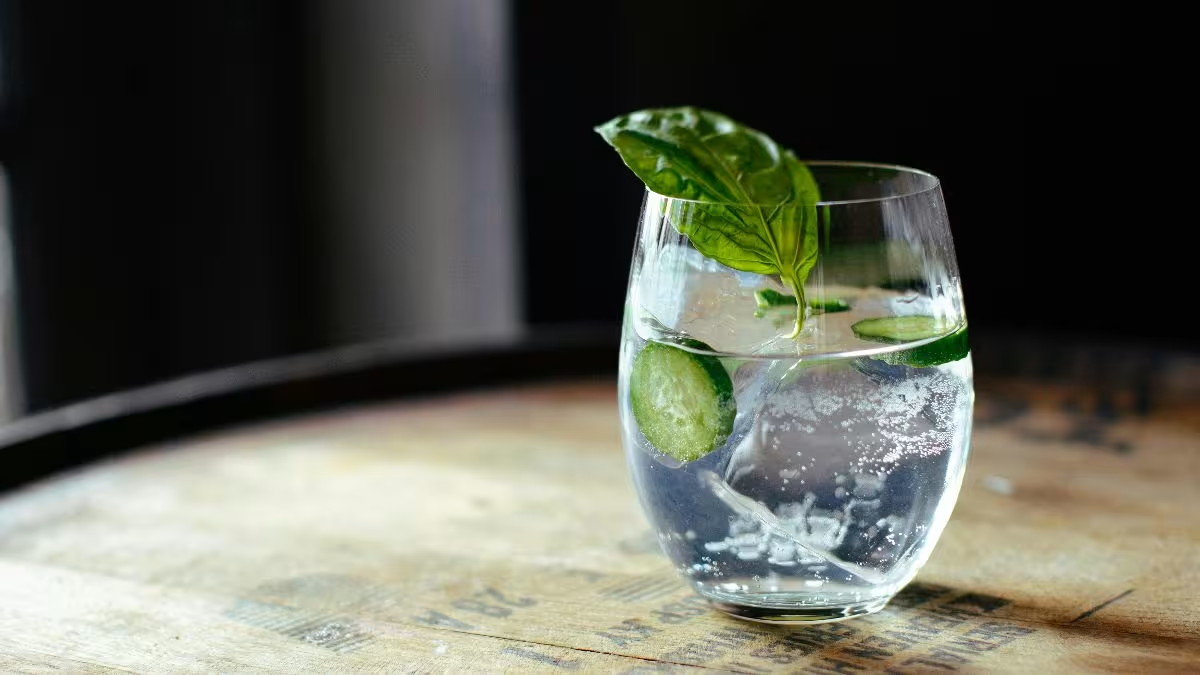
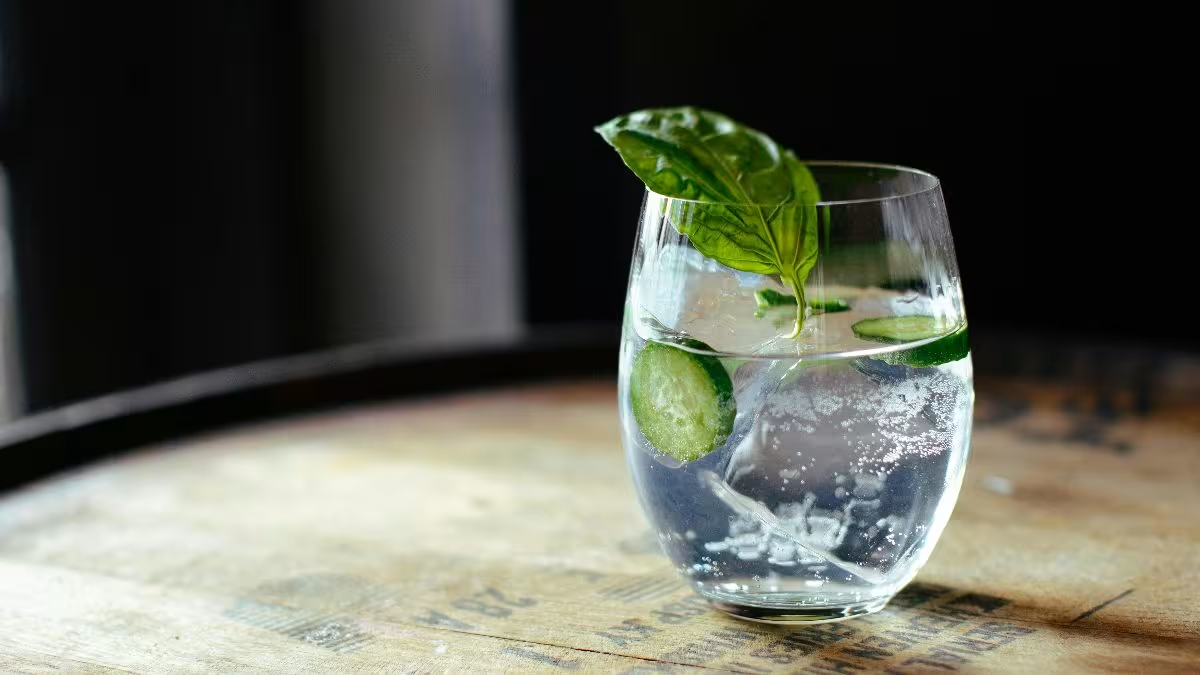
Gin and Tonic (G&T): Pour 30 ml of London Dry gin over a glass packed with plenty of ice, top with 120 ml of good tonic water, and garnish with a lime wedge. This is one of the most classic ways to serve gin.
Tom Collins: Mix gin with fresh lemon juice, simple syrup, and club soda for a tall, fresh, and tart drink. This has a little more layered flavour than the G&T.
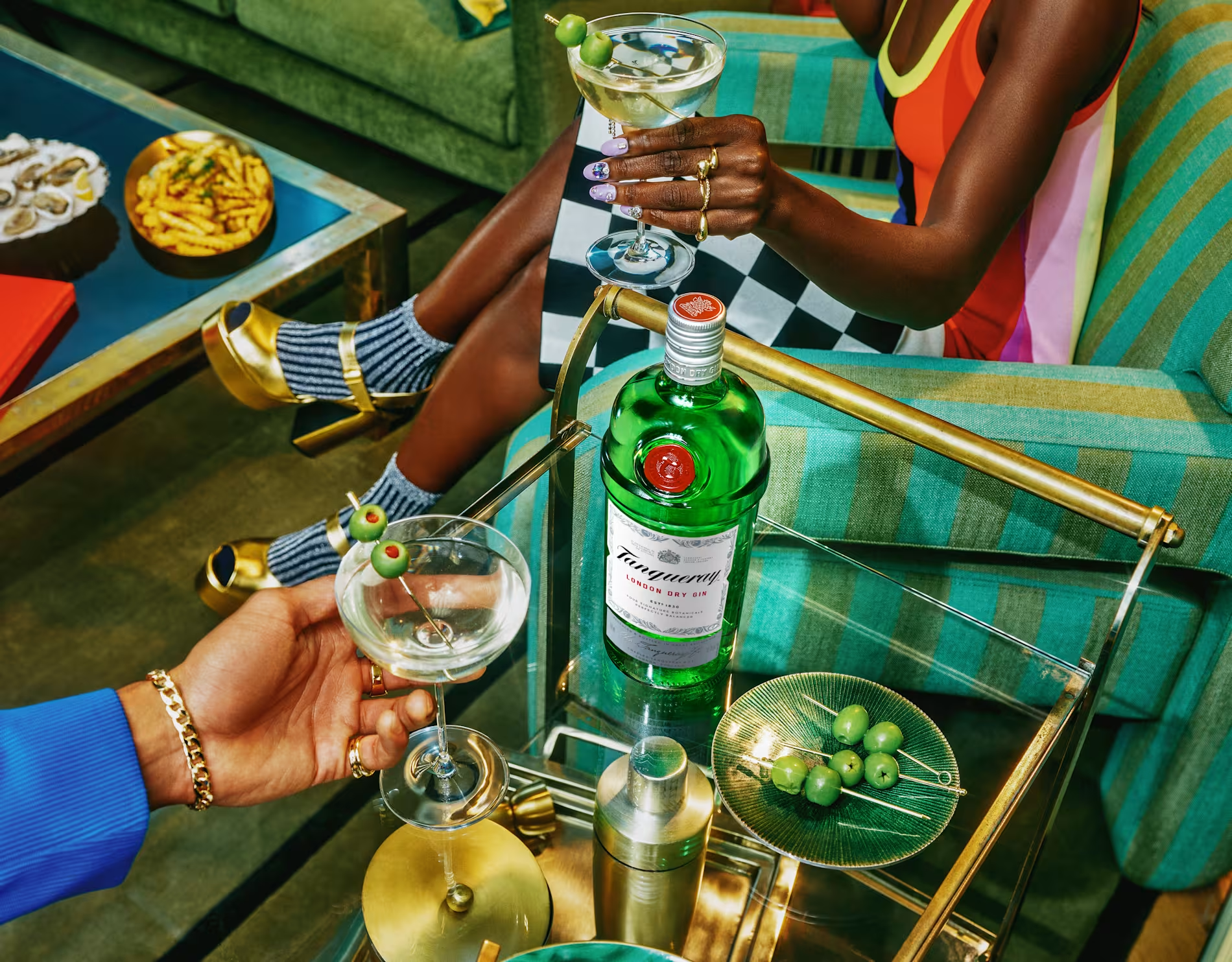
Martini cocktail: If you want something spirit-forward, a classic stirred martini cocktail with dry vermouth and a lemon twist lets the clean structure of a London Dry shine without being overly complex.
What Next After London Dry? Once you feel confident enough with the classic flavours of a London Dry, you can explore more premium or flavoured variations. For example, Tanqueray No Ten or Tanqueray Rangpur Lime. Both are citrus expressions, though the dominant notes differ.
Conclusion
Understanding anything new, especially something like gin that’s common to bar menus, can feel daunting. But knowing the basics means you can actually pick a drink that suits your taste rather than get an unpleasant experience at the first sip. With gins, try the London Dry to start with and slowly experiment with other variations to find your preferred brand.
*Drink Responsibly. This communication is for audiences above the age of 25.
FAQs:
London Dry Gin is a style of gin known for its prominent juniper character and botanical flavours. It typically has a crisp, dry profile with notes of citrus, herbs and spices, making it versatile for cocktails.
You May Also Like




Drink Responsibly. This communication is for audiences above the age of 25.

More from The Bar



Stay Inspired
Sign up to our newsletter for exclusive recipes, insider secrets and special offers - all delivered straight to your inbox.
