Why Does Your G&T Not Work? It's Not Just The Gin!
Introduction
Think your G&T needs a better gin? Before upgrading the bottle, look at the glass. This famously uncomplicated drink can change character dramatically even with a modest shift in the ingredient ratio. A little more tonic can soften the gin’s botanical aspect, while a heavier spirit pour can make bitterness more prominent. The magic is in the middle: enough tonic to open up the gin, without letting the mixer steal the spotlight. Gin and Tonic Day, marked on October 19, offers a fitting excuse to look at what actually makes the classic tick.
Brand references are indicative and can be changed as per preference.
Why Does Ratio Matter So Much In A Gin And Tonic Cocktail?
When the drink has such a simple ingredient list, there is little room for imbalances to go unnoticed. Gin provides herbs, juniper flavour, and notes of spices and botanicals, while tonic adds sweetness, carbonation, and quinine bitterness.
The classic ratio is generally one part gin and two parts tonic, so the gin remains highlighted enough to be recognisable in the drink, but still allows ice and tonic to offer dilution. This is used as a starting guideline rather than a hard rule.
The point of this is: changing these ratios will not only alter the prominence of the drink but its flavour as well.
What Happens When You Pour Too Much Tonic?
Tonic accounts for nearly 75% of the drink in terms of volume, so the kind of tonic matters. Tonic that is either poorly produced or overly sweet could mask the flavours of the botanicals, or even produce a result that makes an expensive gin taste light, muddled, and heavy in the mouth.
While it seems that pouring too much tonic is mostly harmless, it actually alters the flavour profile of the drink tremendously. Subtle notes of juniper and citrus that usually characterise gin taste more muted due to the sweeping flavour profile of tonic, marked by sweetness, bitterness from quinine, and carbonation.
Consequently, the Gin and Tonic cocktail will taste less interesting than it could with different ratios of tonic and gin. The problem lies not in the tonic but rather in the excess use of it. In a perfectly composed Gin and Tonic recipe, the tonic should be an accessory to the drink, providing different layers of flavour instead of taking over the gin's taste.
Can Too Much Gin Also Throw Off The Balance?
Definitely. Simply adding more gin won’t create a better drink. A larger quantity of gin will emphasise the presence of juniper, citrus, spices, and spirit but will not equalise the level of tonic.
Gin is responsible for the flavour imprint of the drink, and it includes the classic aromas of juniper, citrus, herbs, and spices. A gin of poor quality will impart an unwanted burn to the drink, no matter how expensive or sophisticated the tonic is.
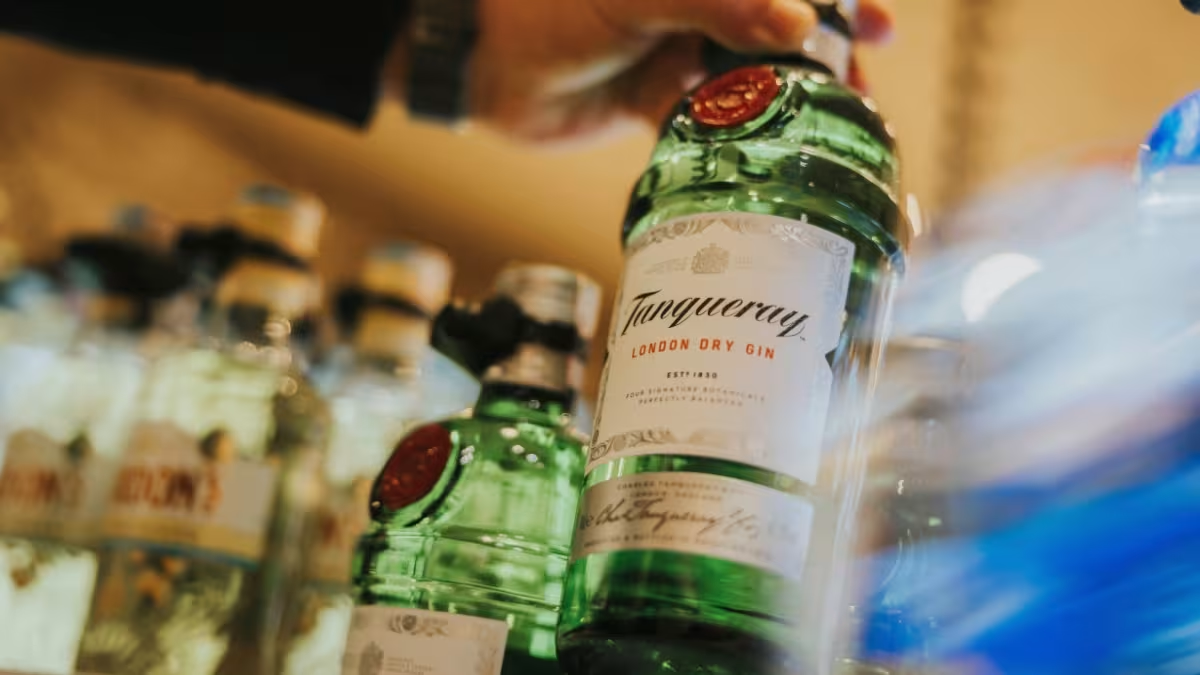
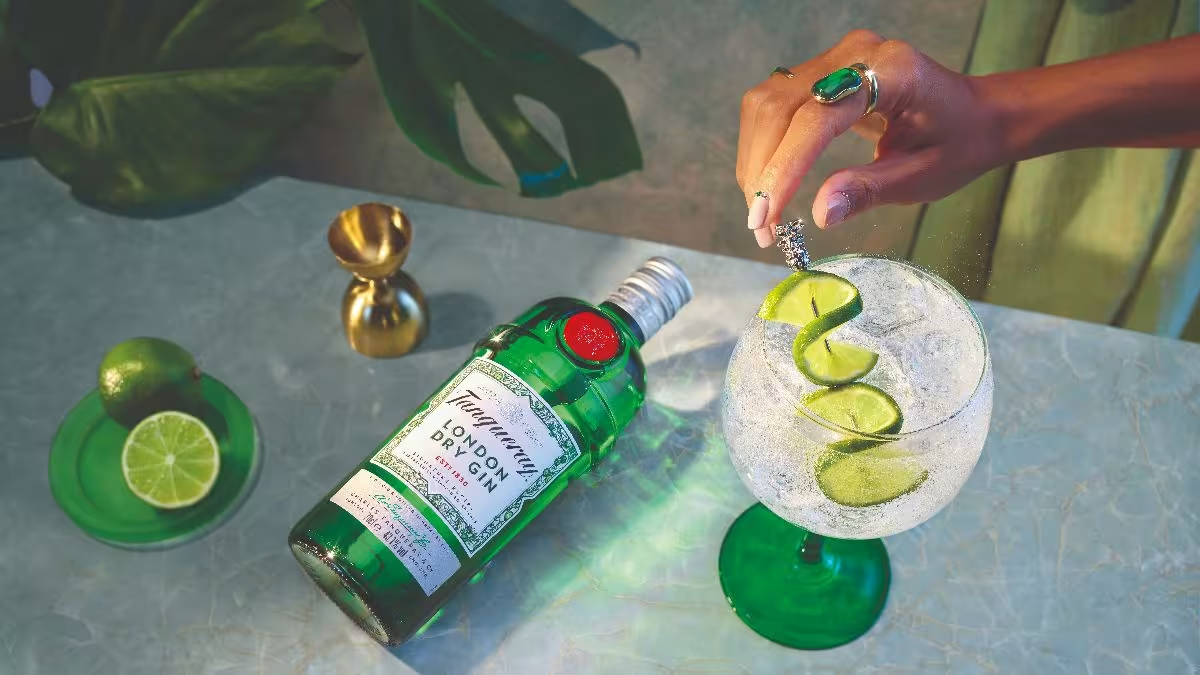
This might be effective when a spirit-forward drink is desired, but it will alter the character of the beverage. If the gin has particularly assertive botanicals, adding it more than usual can make those flavours feel sharp rather than layered. Therefore, make a good gin choice, such as Tanqueray London Dry Gin, or any other that suits your preference.
It is far better to choose the role of the tonic first and then measure.
How Does Ice Change The Ratio?
There is a catch: the ratio is not final after the drink is put in a glass.
Ice will begin to melt over time, producing water. That dilution will change the mixture of the Gin and Tonic recipe after a while, and the temperature will also make some tastes more prominent than others. A big chunk of ice will result in less melting than a small piece of ice, allowing for the original mixture to be maintained longer.
This matters as an accurate Gin and Tonic recipe can have a different effect when served using insufficient or excessive ice.
Is 1:2 The Perfect Gin And Tonic Ratio?
Although there is no single ideal ratio, the ratio of 1:2 is a good starting point as it allows enough tonic to dilute the gin without compromising the gin's character. Other ratios contain more or less tonic, depending on the desired effect of the drink.
The key is to understand how moving away from the reference point affects the drink.
More tonic makes for a much gentler drink, with greater sweetness and bubbles.
Less tonic makes for a more pronounced gin flavour with less dilution.
More gin makes for more botanic and assertive flavours.
More dilution makes for milder flavours over time.
Once these shifts are understood, one could create a Gin and Tonic cocktail deliberately rather than out of guesswork.

What Is The Real Secret To A Better G&T?
The ideal ratio will ultimately depend on the specific Gin and Tonic recipe being employed without either side taking over. More delicate gin may require less tonic to not assert itself over any subtle botanicals, while those with prominent botanical profiles can handle being served longer.
This same principle holds true when it comes to garnishing Gin and Tonic cocktails. For instance, citrus peels can be used in the case of gins containing citrus botanicals, while herbs and spices can make particular notes more pronounced within the gin itself. The garnish should work together with the flavours of the gin rather than acting as a counter to an improperly balanced drink.
Conclusion
The key to making the perfect Gin and Tonic cocktail is not looking for the most expensive spirit there is but rather understanding the connection between the tonic and the gin and what effect it produces on the flavour of the drink. The ratio dictates which tastes are most pronounced, the bitterness of the drink, and the speed of dilution. Start with a specific ratio, carefully monitor the use of ice and amend as needed. It takes precision to make sure all the ingredients are working for you and not against you.
*Drink Responsibly. This communication is for audiences above the age of 25.
FAQs:
A gin-to-tonic ratio of 1:2 will provide you with a good guideline. Nonetheless, the exact percentage might differ based on the botanicals used in gin and the sweetness of tonic.
You May Also Like




Drink Responsibly. This communication is for audiences above the age of 25.
Yash Lakhan


More from The Bar



Stay Inspired
Sign up to our newsletter for exclusive recipes, insider secrets and special offers - all delivered straight to your inbox.
