How To Adapt The Gin And Tonic Cocktail With Flavoured Gin?
Introduction
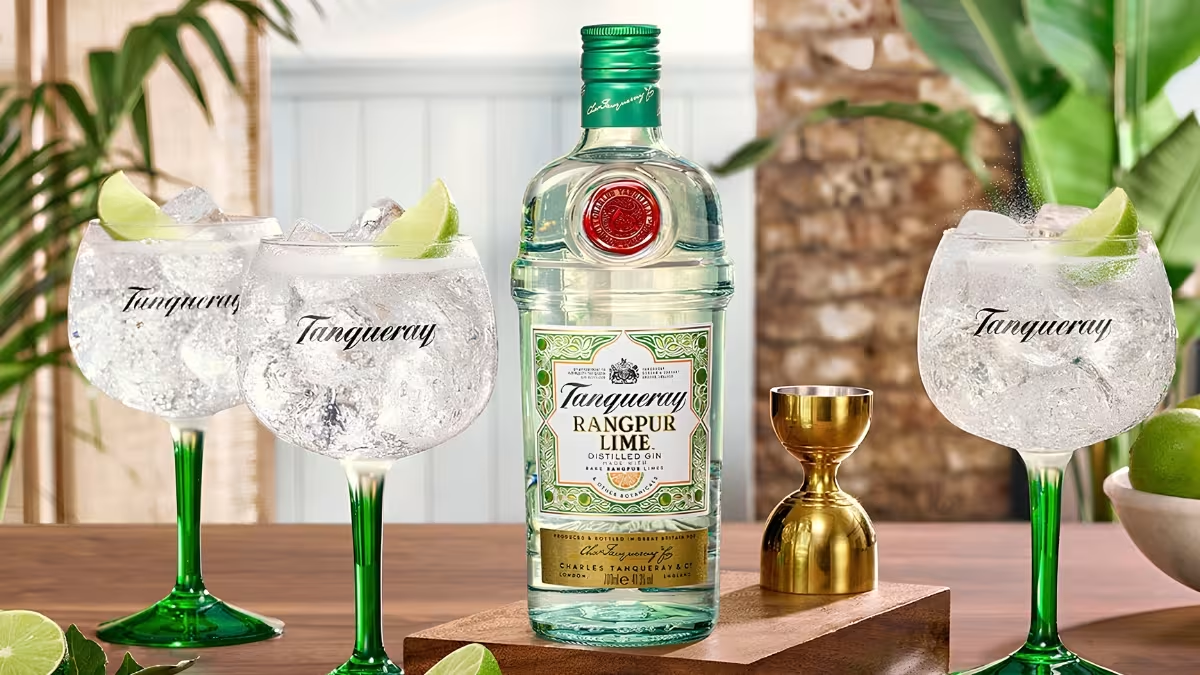
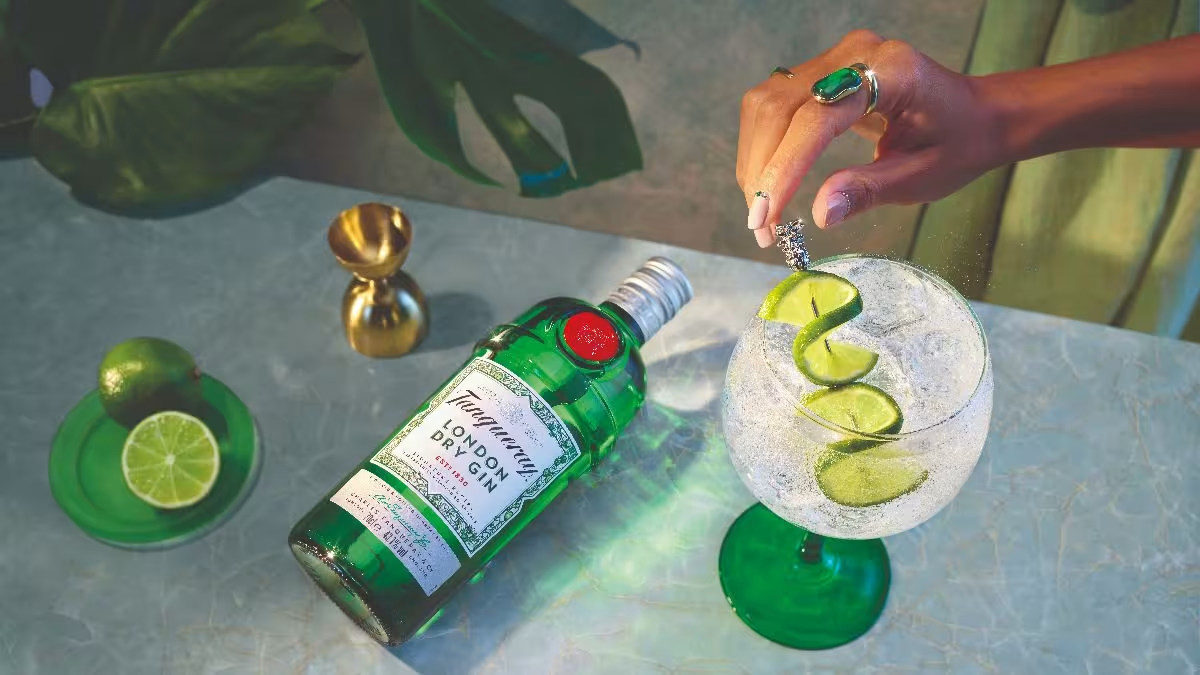
The International Gin and Tonic Day, celebrated on October 19, is all about gin tonics, the backbone of gin drinks— simple enough to make at home and easy enough to adapt. Especially when you bring flavoured gin to the equation. Flavoured vodka already commands a place in the cocktail culture, but flavoured gin deserves just as much attention, if not more. And nothing proves that better than these riffs on the classic gin and tonic recipe, made with flavoured gin.
Brand references are indicative and can be changed as per preference.
How To Make A Flavoured Gin & Tonic?
The flavoured gin and tonic recipe isn’t all that different from the standard recipe, but you need to be careful with the ratios, or you may drown the flavour of the gin.
Here are a few things to remember:
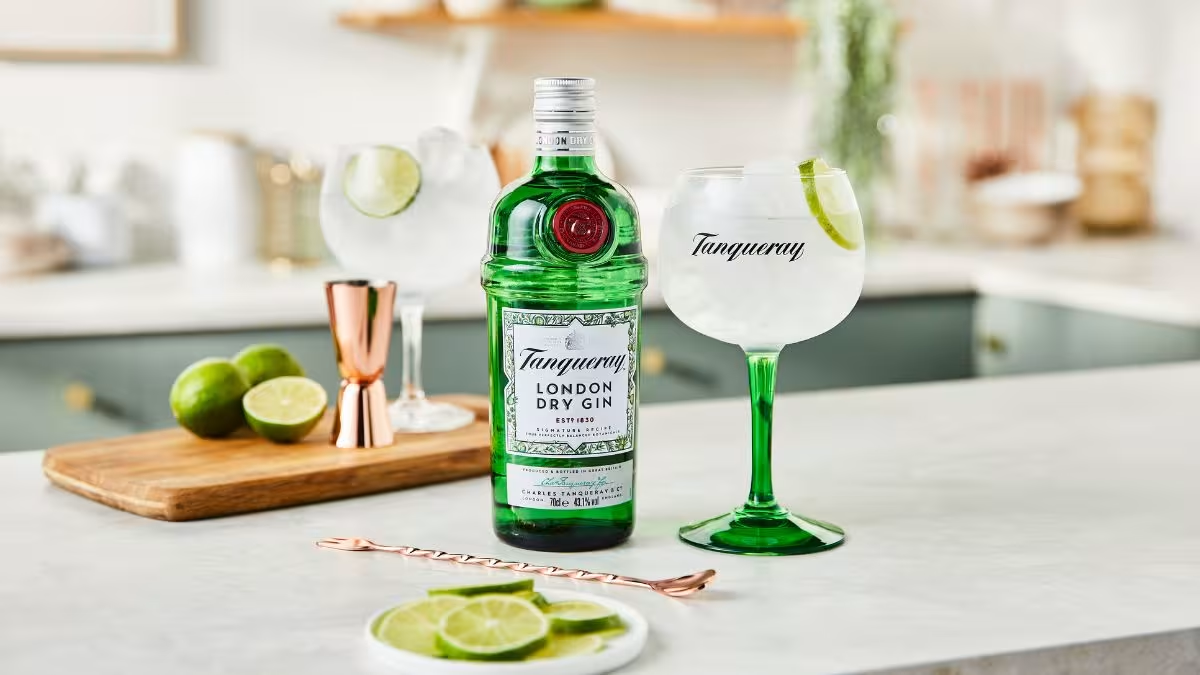
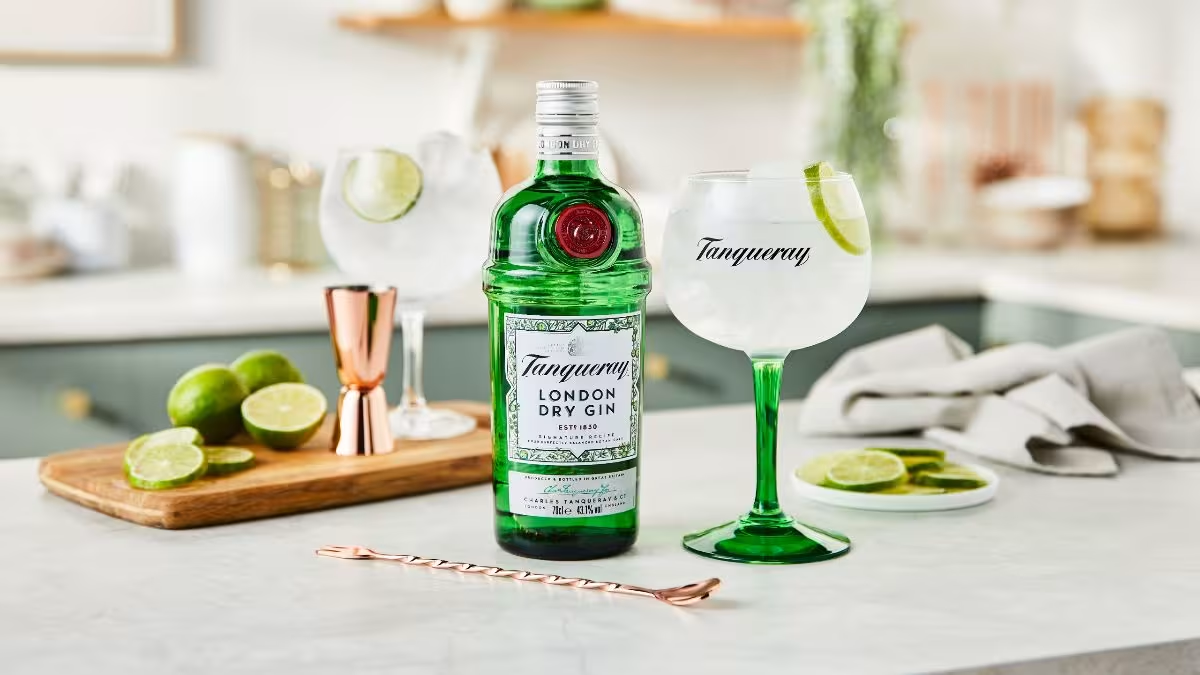
Method: Fill the glass with large, solid ice cubes so the drink stays ice-cold and melts slowly, preventing unwanted dilution. Pour 50ml of gin and 100ml of tonic (a 1:2 ratio) to avoid drowning the subtle sweetness or fruit notes of the spirit.
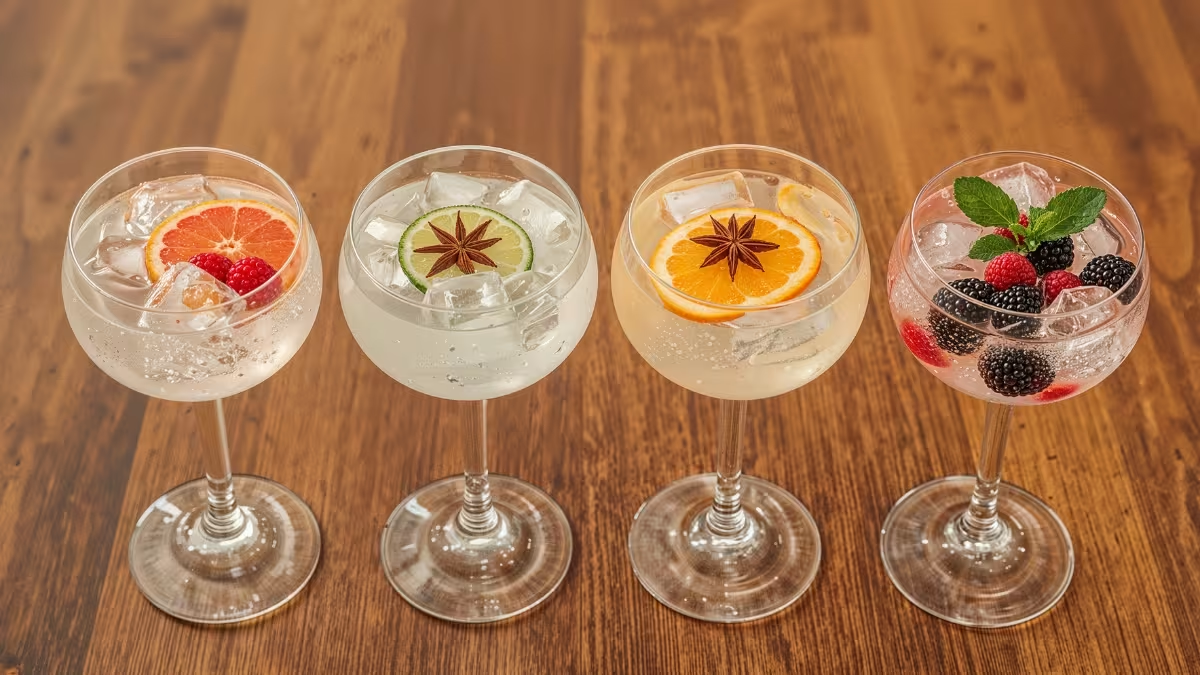
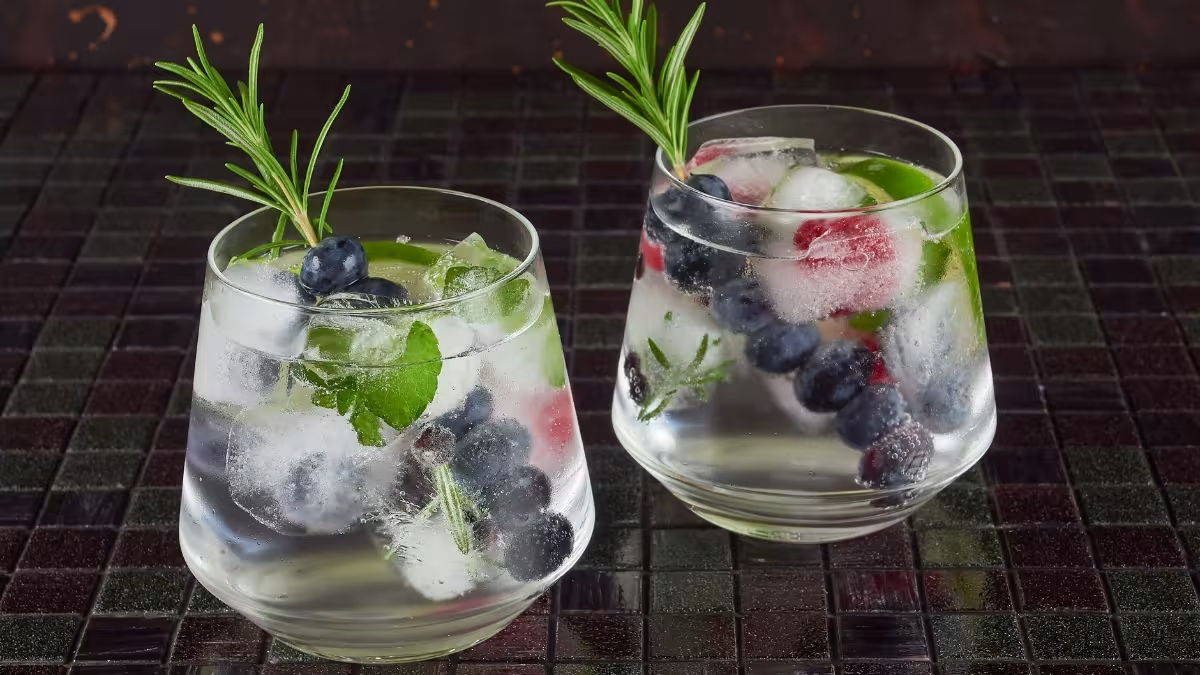
Garnish: Add a fresh garnish that directly reflects the infusion. For example, fresh berries for a pink gin, a slice of grapefruit for citrus (like Tanqueray No Ten), or a sprig of rosemary for herbal notes.
Tonic choice: Pair sweet or berry gins with a clean, standard Indian tonic or a light botanical tonic, and use citrus or floral tonics (like elderflower or lemon) to complement matching flavour profiles.
Recommended Flavoured Gins
There are several flavoured gins available commercially that you can use to make a riff on the G&T. Or, you can even infuse gin with a flavour of your choice. Here are some gin flavours that work particularly well:
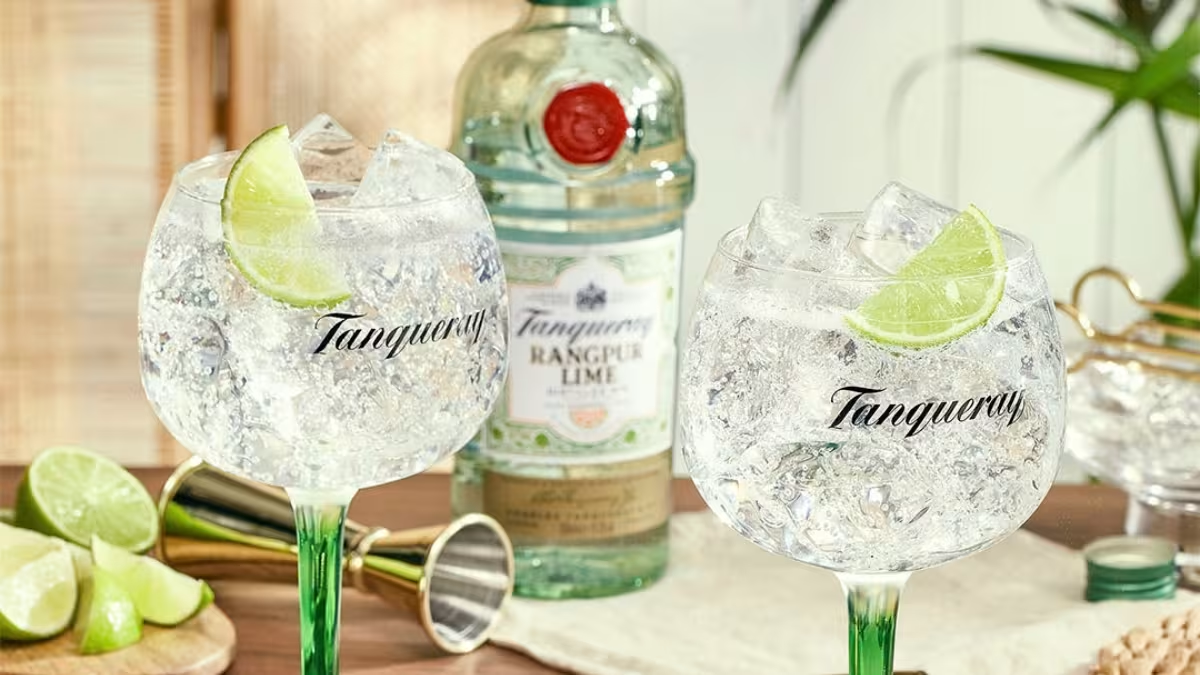
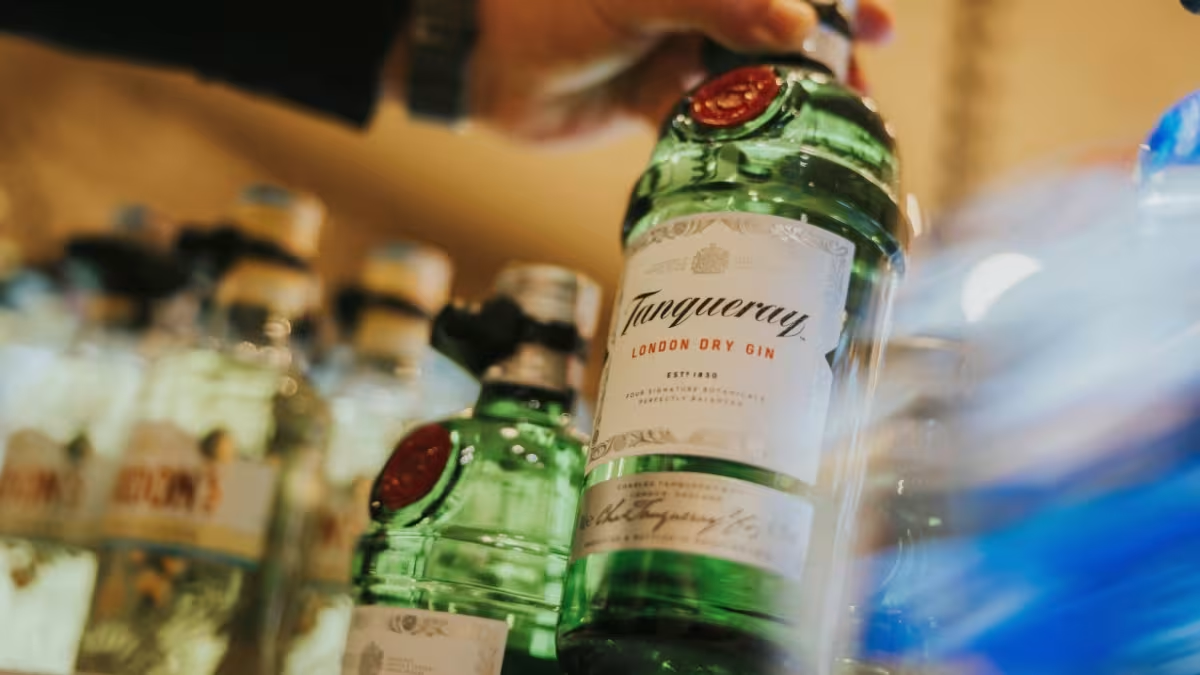
Citrus Flavours: A citrus-forward gin, like the Tanqueray Rangpur Lime, is an excellent choice here. The lime-and-mandarin character works naturally with tonic, while ginger and bay leaf found in the gin offer a more savoury, botanical complexity.
Berry Flavours: Think blackcurrant, blackberries, or raspberries that add a tart sweetness, complementing the piney backbone from juniper berries while contrasting against the bitter tonic.
Floral Flavours: Floral-forward gins featuring botanicals such as lavender, rose, or elderflower can work well with tonic, adding delicate aromatic notes without overpowering the gin's juniper character. Keep the tonic relatively neutral so the floral notes remain distinct rather than becoming overly perfumed.
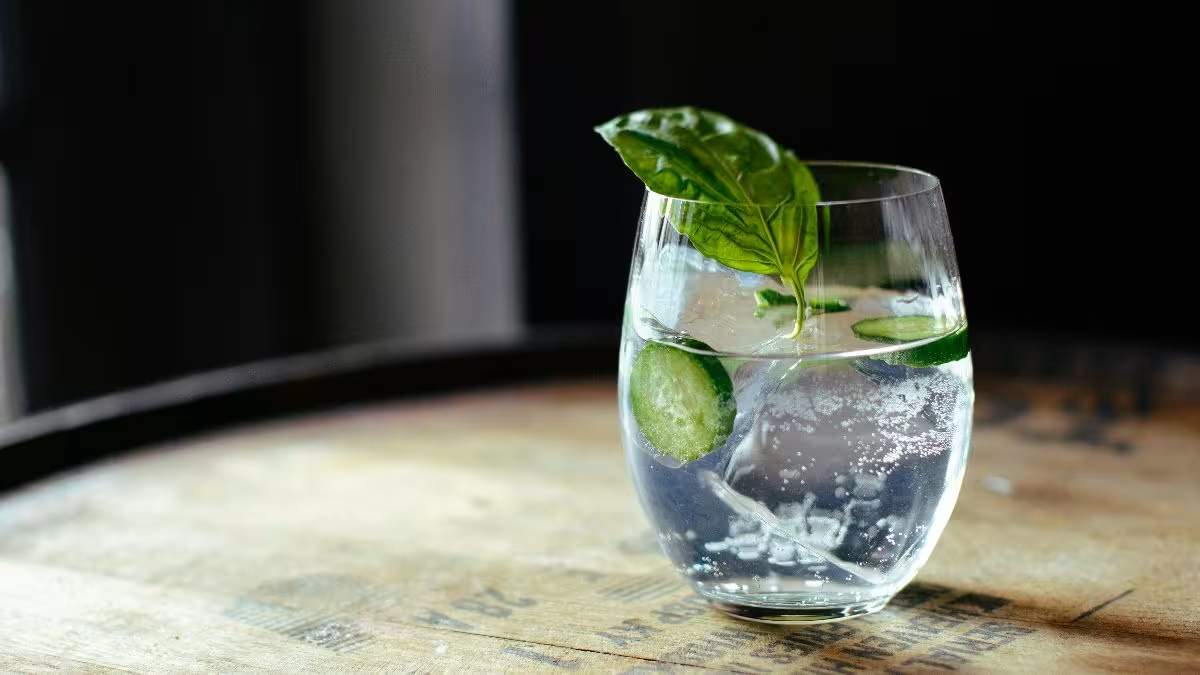
Herbal & Spiced Flavours: Gins featuring botanicals such as basil, rosemary, ginger, or pepper can add a touch of spice to a G&T and help it tilt slightly to the savoury category. These flavours work particularly well with tonic because they complement the bitterness of quinine while adding complexity to the gin's botanical profile.
Key Tips For Flavoured Gin G&Ts
While the aforementioned flavours work well, certain flavoured gins can throw off the balance of a well-made gin and tonic.
Though coffee and tonic is an established pairing, coffee-flavoured gin can compete with tonic's bitterness and obscure the gin's botanicals. Similarly, strongly dessert-led profiles, like vanilla or candy, can make the drink feel cloying when the signature of a good gin and tonic is the crisp, balanced flavour.
Additionally, when making a gin and tonic with flavoured gin, you should match your mixers and garnishes to the gin's specific taste profile to avoid overwhelming or clashing flavours. And keep a lookout for the sweetness. Flavoured gins often contain added sugars or heavy fruit infusions, so opt for low-sugar or standard Indian tonic water rather than heavy or extra-sweet mixers.
Lastly, fill your glass entirely with solid ice cubes to keep the drink crisp and cold, which slows down dilution and preserves the distinct fruit notes.
Conclusion
It can seem scary to experiment with a classic, but it’s only with experimentation that the cocktail world arrived at modern-day classics like the Picante. So this International Gin and Tonic Day, turn creative with a classic cocktail, bring flavoured gin to the mix, and let the tasting notes guide your mixology.
*Drink Responsibly. This communication is for audiences above the age of 25.
FAQs:
Yes. Flavoured gin can add citrus, berry, floral, herbal or spiced notes to the classic cocktail. Choose a tonic that complements the gin's dominant flavours without overpowering them.
You May Also Like



Drink Responsibly. This communication is for audiences above the age of 25.

More from The Bar




Stay Inspired
Sign up to our newsletter for exclusive recipes, insider secrets and special offers - all delivered straight to your inbox.
