Summer Cocktail Recipes: 7 Staples Worth Returning To This Year
Introduction
High-acidity, moderated sweetness, and layered aromatics characterise summer fruits, which, when used in cocktail drinks, lead to a blend of seasonal flavours and classic textures. Cocktail recipes change with the seasons because the perception of flavour and structure, in food and beverages alike, changes. In winter, drinks with rich flavour, that utilise dark spirits, come up on menus. And in summer, it is fruit cocktails that are light, citrusy, and crisp.
Here are seven cocktail recipes based on summer ingredients (in India), like mango, achaar, lychee, pineapple, and herbs, that yield consistent clarity in taste and texture.
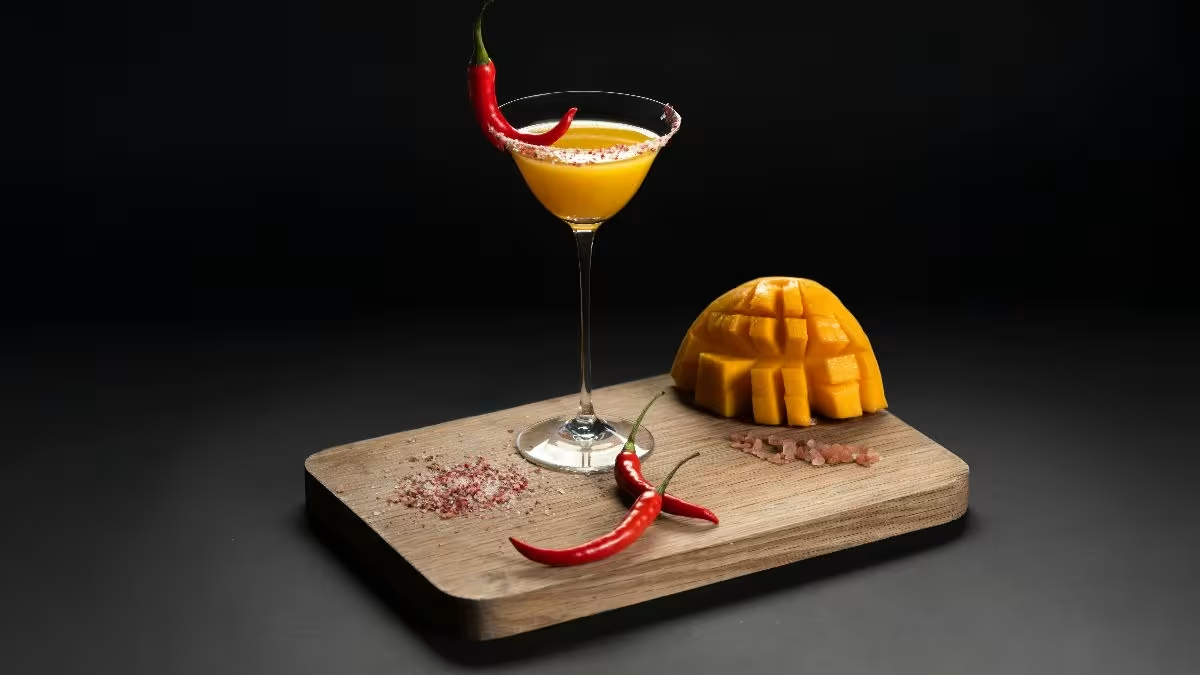
The mango is dense in sweetness and requires a contrasting structure. In this drink, the ripened mango pulp is combined with soda and whisky, such as Johnnie Walker Black Label. The drink relies on light tannins from the whisky, subtle spices like black pepper or chilli salt around the rim of the glass, and an effervescence (from soda) to add texture to the overall drink. The flavour of the drink is not predominantly sweet; it has a rounded fruity body and a dry, slightly spicy finish.
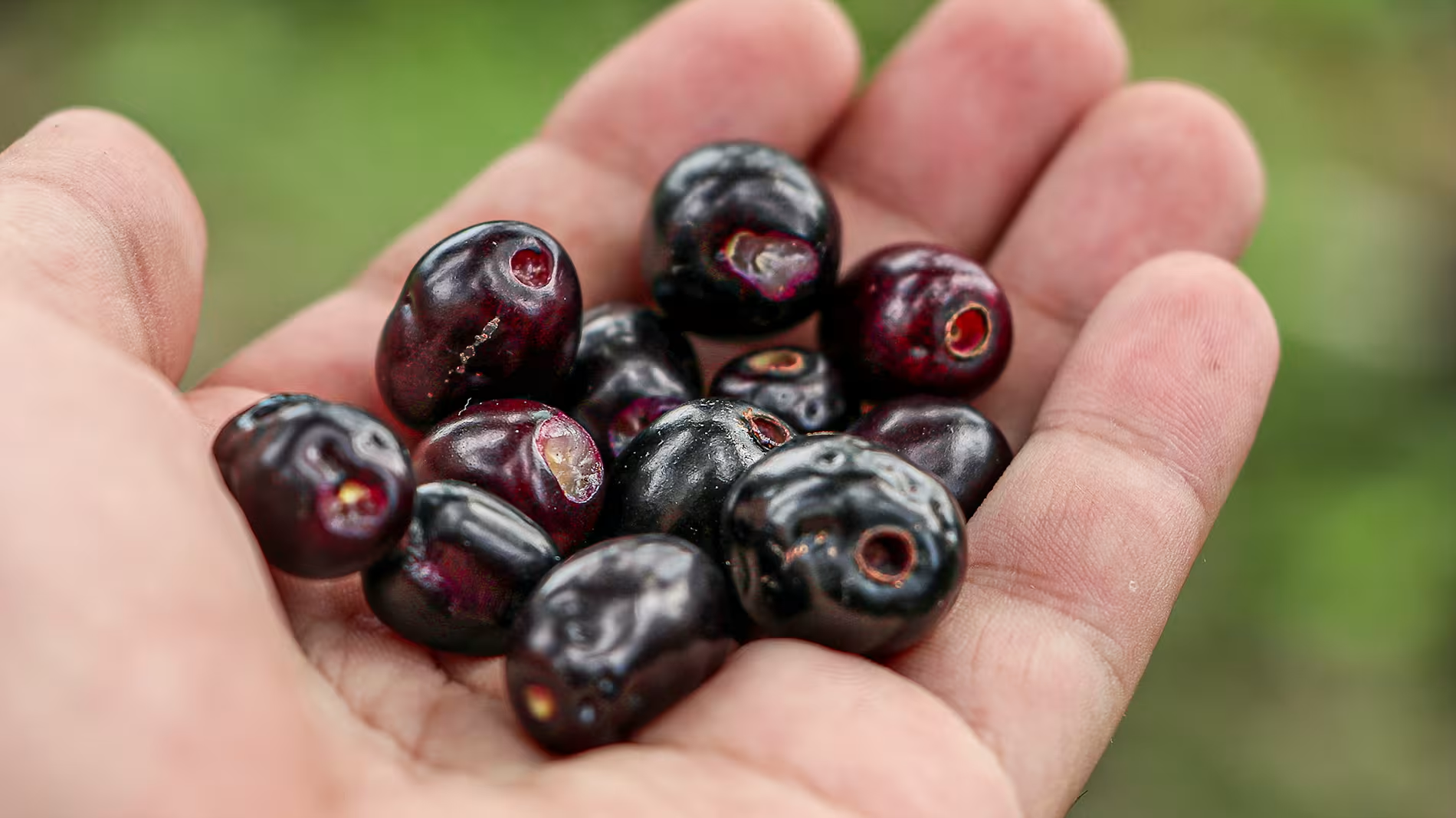
When jamun is mixed with a base like Smirnoff Vodka, the fruit is at the forefront of the drink, providing layered tartness that continues to develop through the different sips of the cocktail. The jamun adds a tannic sharpness and a slight astringency that make this drink a structurally sound recipe that fits perfectly with sour-style cocktails. The other flavour elements are deep berry flavours, lemon juice (for linear acidity), and sugar for balancing the flavours without masking the fruity taste.
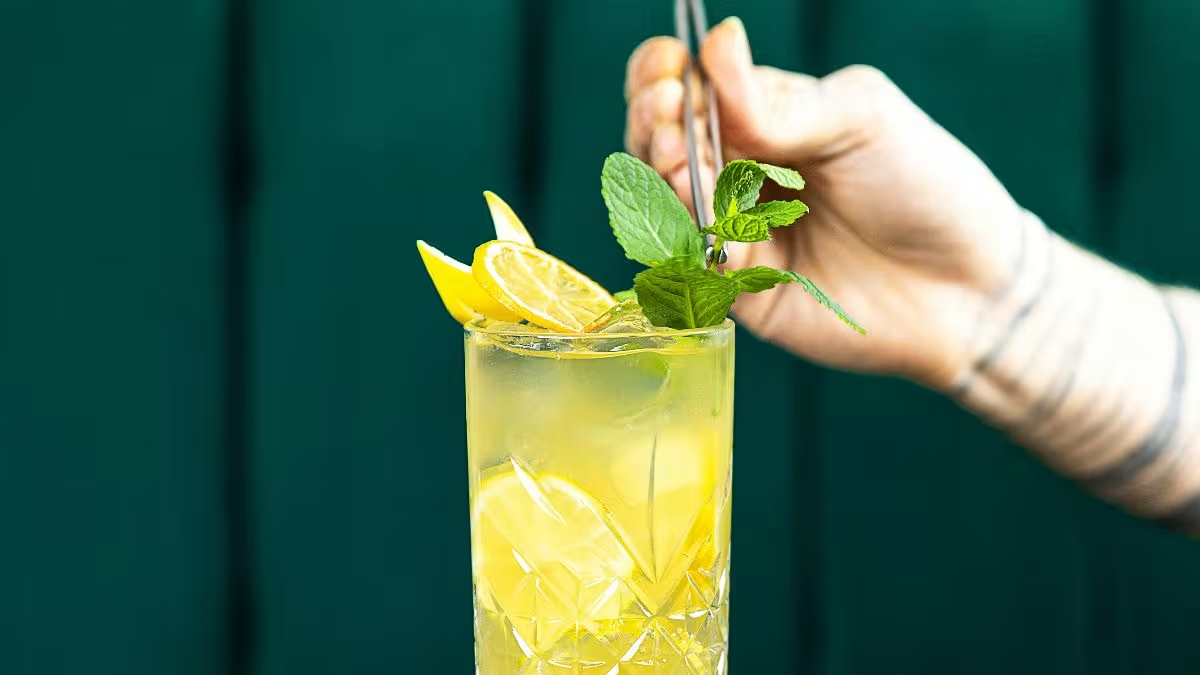
Lychee is a beautiful, aromatic fruit that has a floral and musky aroma. Lychee would have a soft note with a slight lift from the dilution of the Collins-style cocktail. Using a light-bodied gin like Tanqueray London Dry gives the drink a prominent juniper backbone, and lychee gives the drink a floral quality with a gentle sweetness. Fresh citrus fruit helps the drink maintain its structure and prevents a flat taste. Each sip has a light floral, aromatic beginning with citrus at the finish.
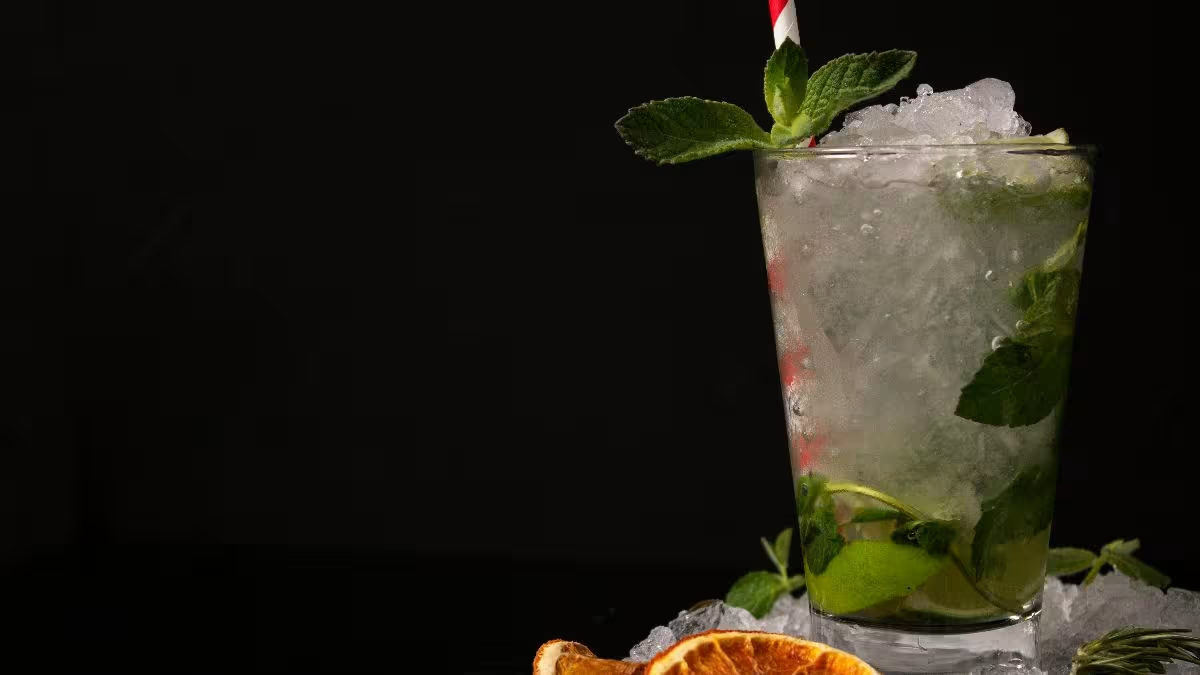
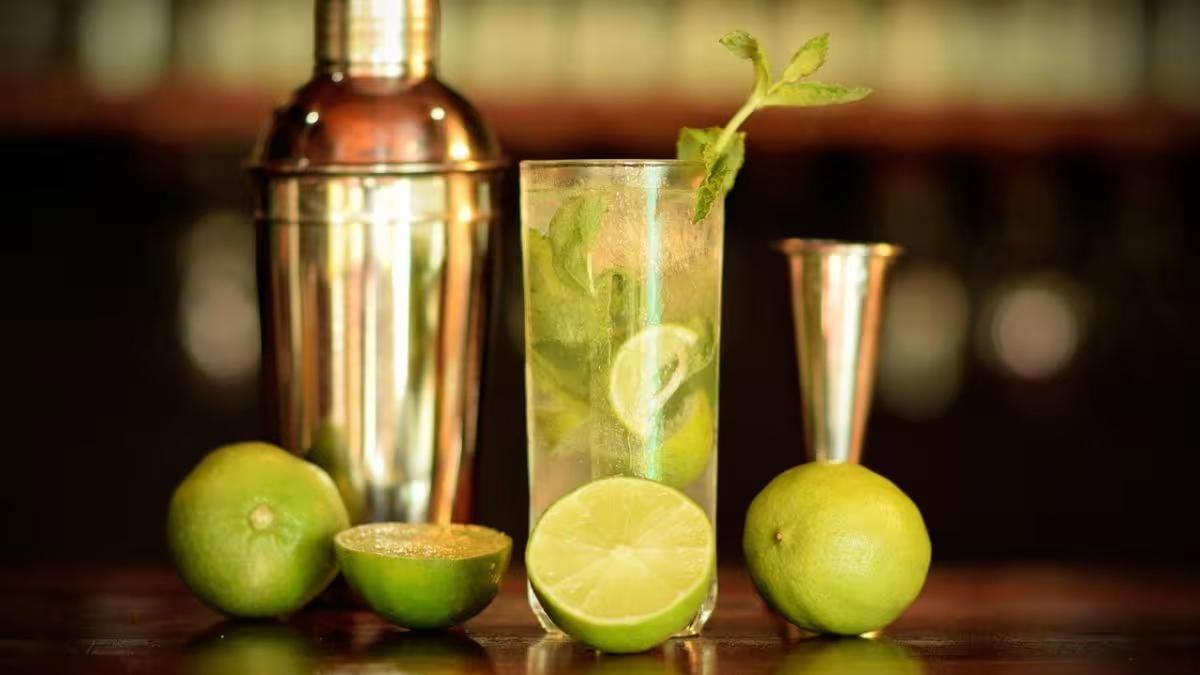
The Mojito is one of the most recognised cocktail drinks, and the variation of using pudina instead of standard mint is a large change in structure. Using pudina in the Mojito adds earthy, slightly spicy notes, while lime provides acidity to a typically sweet drink. Using white rum gives the drink an initial clean taste. The resulting Mojito is more herbal and has a long finish.
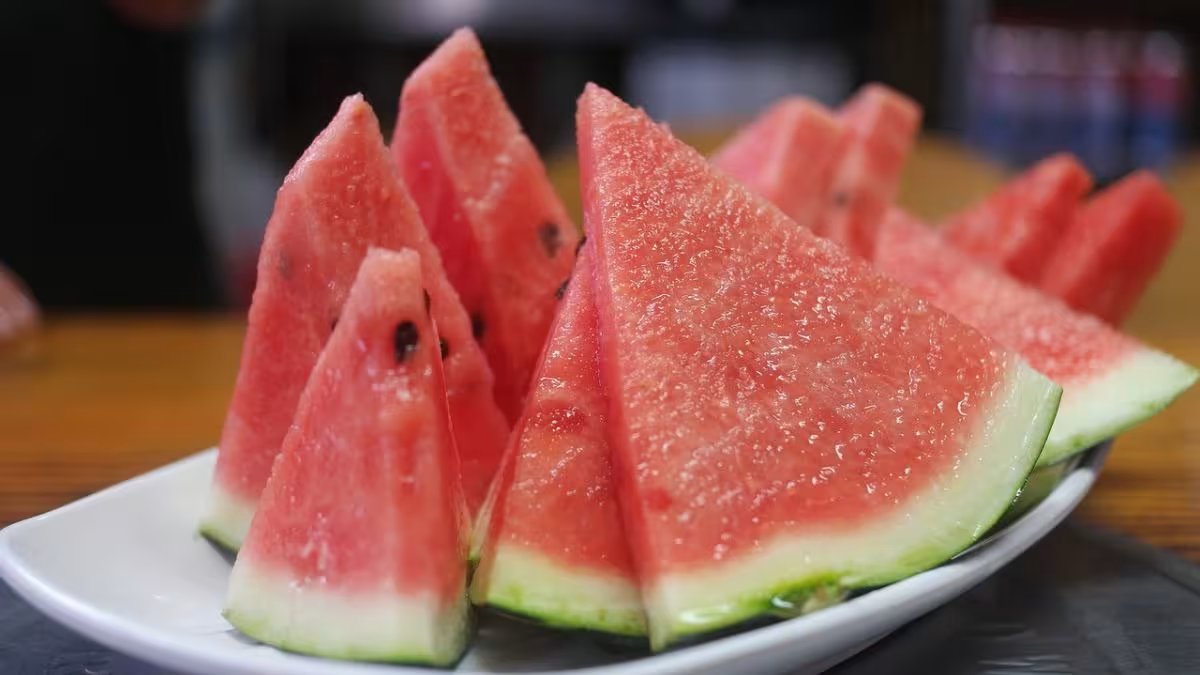
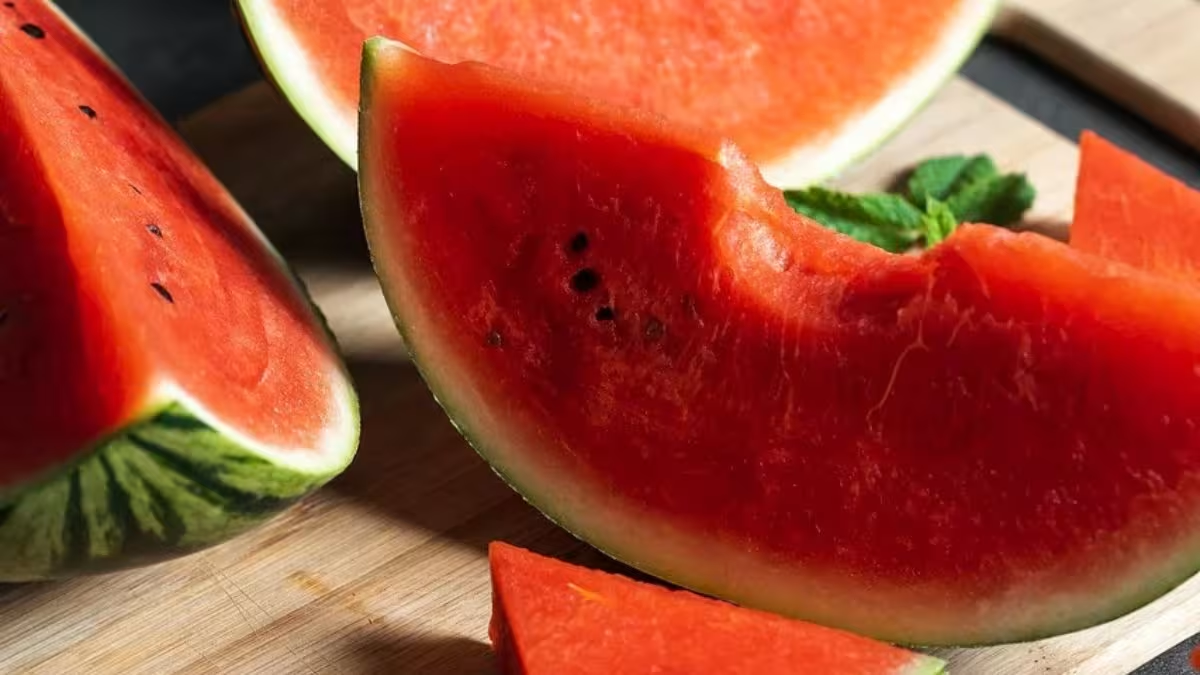
With its natural abundance of water content, watermelon drinks can feel a bit thin or watery in the absence of a balancing component. This watermelon and basil spritz cocktail, thus, requires a few structural elements, like fresh watermelon, basil, and soda water (or sparkling wine). Fresh watermelon juice provides natural sweetness with no added sugar, basil adds a herbaceous and mildly spicy scent, and sparkling wine or soda water provides carbonation along with texture. It gives the drink more body while also helping unite the ingredients into a complex beverage.
In addition to providing sweetness, the tropical acidity of the pineapple complements the addition of spices in this variation of the classic mule cocktail. A vodka base, such as Ketel One Vodka, allows for a base of clean structure, while the ginger beer adds nuance and texture. A salt rim, although not traditionally a part of the Moscow Mule cocktail, with smoked salt creates depth and allows the drink to go beyond the normal profile of a fruit-juice-based beverage.
Kokum is a uniquely Indian ingredient that works well in a summer base. It has an unusual tangy flavour and a touch of saltiness. In a kokum and gin fizz cocktail, the base spirit is gin, which adds complexity with its botanical nature. Kokum, meanwhile, adds tartness and has a slight umami taste. The soda ties the two together while also providing volume to the drink.
Cocktail - Priority Fruit - Base Spirit - Key Structural Element - Finish
Mango Highball cocktail - Mango - Whisky - Effervescence - Spiced, dry Jamun Sour cocktail - Jamun - Vodka - Citrus acidity - Tart, earthy Lychee Collins cocktail - Lychee - Gin - Dilution & citrus - Floral, clean Mojito Cocktail (Pudina) - Lime - Rum - Herbaceous - Peppery, grassy Watermelon Spritz cocktail - Watermelon - Sparkling base - Herbal contrast - Light, airy Pineapple Mule cocktail - Pineapple - Vodka - Ginger spice - Tropical Kokum Fizz cocktail - Kokum - Gin - Tangy acidity - Saline, crisp
Cocktail drinks that are made for specific seasons depend on simplicity, examining the relationships between temperature, flavour, and dilution. Fruits such as mango and lychee add rich texture to cocktails, while jamun and kokum offer a contrasting tannic or tangy element.
Overall, these cocktails have three key elements to their construction:
Citrus provides structure for the drink.
Fresh herbs add aromatic complexity to the drink instead of sweetness.
Bubbles in the drink create texture and amplify flavour through dilution.
The primary focus of these summer cocktails remains finding balance within the ingredients by utilising the three components of balanced cocktails (acidity, dilution and aroma) to work together rather than having one component work against another.
*Drink Responsibly. This communication is for audiences above the age of 25.
FAQs:
Summer-friendly cocktail styles usually involve highball cocktails, sour cocktails, or spritz cocktails made from seasonal fruits like mango, jamun and lychee, all with balanced amounts of acidity and sweetness.
You May Also Like



Drink Responsibly. This communication is for audiences above the age of 25.
Yash Lakhan


More from The Bar




Stay Inspired
Sign up to our newsletter for exclusive recipes, insider secrets and special offers - all delivered straight to your inbox.
