The Martini Cocktail Recipe Has A Vermouth Backbone, And It Matters More Than You Think

Introduction
A Martini cocktail can look almost comically simple: spirit, vermouth, ice and a garnish. Yet that little touch of aromatised wine is doing far more than taking up space in the mixing glass. The Martini cocktail owes much of its familiar character to vermouth, which brings herbal, floral, citrus and gently bitter notes while rounding the spirit. The real question, then, is not whether vermouth belongs, but which style gives the best balance.
Brand references are indicative and can be changed as per preference.
Why Does Vermouth Matter?
Vermouth is a fortified wine to which various botanicals have been added, thereby making its role in a Martini cocktail akin to that of seasoning rather than sweetening. It connects the botanical element of the spirit with bitterness and flavouring, which creates depth in the drink.
If the amount of vermouth is proper, it will ensure the coexistence of the ingredients rather than competition. If it is done away with, the base spirit will take over the cocktail, creating a drink that’s a lot more spirit-forward than intended. And every cocktail enthusiast and bartender knows a balance is what defines a Martini cocktail.
For the original Martini cocktail, dry vermouth is traditionally considered the right choice. Its characteristics are generally lighter, herbal, and fresher due to floral, citrus, and bitter notes. However, the type of vermouth used ultimately depends on the bartender and the consumer.
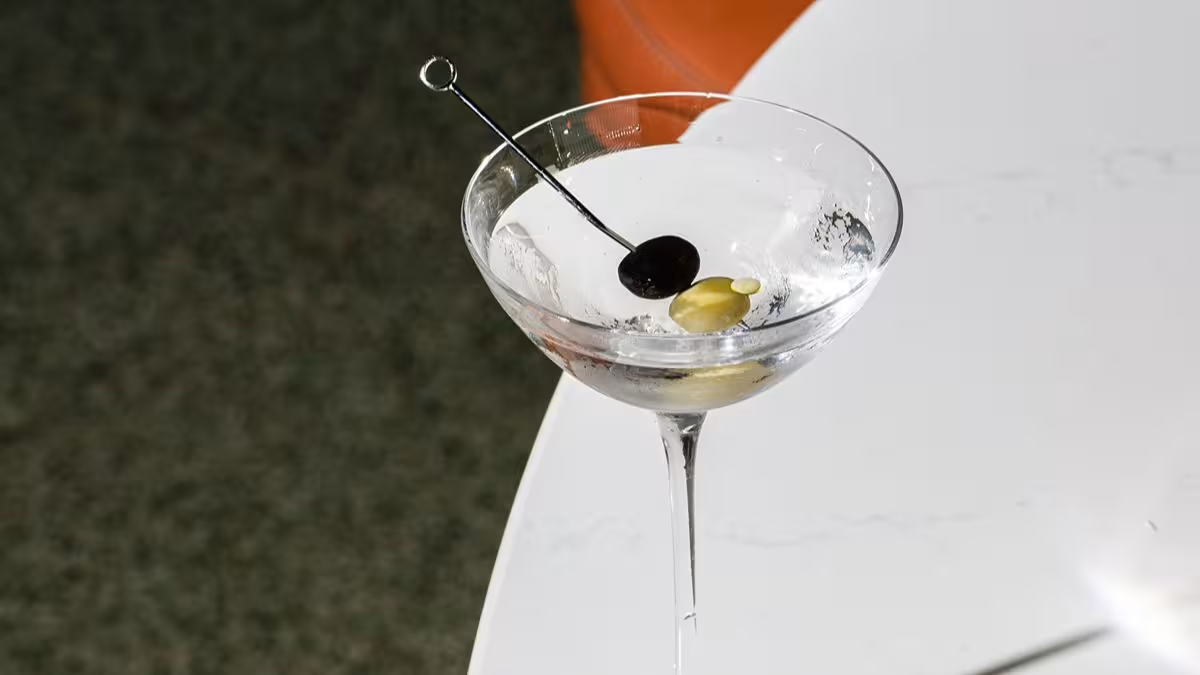
When it first appeared, Martini cocktails were not the dry mix that they are regarded today. It was initially characterised by sweetness, with sweet vermouth being primarily used. It was only during the late nineteenth century that the cocktail began transitioning to the cleaner and sharper version that is common today.
The transition explains why vermouth is considered an essential part of the drink even though modern recipes use it in lower amounts. The product has adapted with the drink instead of being eliminated from it.
Vermouth: Type And Ratios
If you want to create a herbaceous and earthy Martini cocktail, dry vermouth needs to be your choice. Blanc or bianco vermouth, on the contrary, works with sweetness along with other flavours of vanilla, honey, and citrus.
When comparing the two, one should clearly remember that dry vermouth allows a leaner and herbier cocktail and using blanc vermouth will make the end product milder and softer.

The amount of vermouth can completely change the personality of a Martini cocktail. A generous pour gives the aromatised wine a more noticeable role, bringing its botanical and wine-like character forward, while a smaller measure keeps the spirit at the centre. That is why the same combination can produce remarkably different results simply by shifting the balance.
Match The Vermouth To The Gin
There isn’t any single type of vermouth that is the “best,” because the gin is equally important. A London dry gin that has a prominent juniper flavour can work beautifully with a dry vermouth that has enough herbal and citrus characteristics. On the other hand, a lighter gin would be better off with a gentler vermouth that would not drown its botanicals in flavour.
A good case in point is Tanqueray London Dry Gin, which has an assertive juniper flavour and combines it with citrus and botanical notes. This helps make dry vermouth an obvious choice in this instance. The main concept here is to balance the two ingredients, making sure there is enough flavour of vermouth without it completely taking over the gin.

Stir, Garnish, Then Taste The Difference
Technique also permits vermouth to make its proper appearance. Stirring chills and dilutes the mixture while keeping it clear and silky. The garnish then shifts the aromatic focus: lemon peel adds bright citrus oils, while an olive adds a savoury, briny note.
That is why the Martini cocktail can be endlessly debatable, with so few ingredients. Little changes to the vermouth style, the ratio or the garnish can swing the drink from citrus-led and botanical to savoury, or distinctly softer.
Conclusion
Vermouth is not merely an ingredient in a Martini cocktail; it plays a role in the drink’s structure. Dry vermouth is the best representative of a classic Martini cocktail profile, since its herbal, floral, and slightly bitter characteristics seem to go perfectly with gin rather than obscure it. Blanc vermouth may be used in a rounder version of the drink, but the real concept of the beverage is balance, with vermouth contributing enough to be easily recognisable.
*Drink Responsibly. This communication is for audiences above the age of 25.
FAQs:
Vermouth contributes botanical, floral, citrus and bitter notes while softening the spirit’s edges, giving the Martini cocktail greater aromatic depth and a more integrated finish.
You May Also Like




Drink Responsibly. This communication is for audiences above the age of 25.
Yash Lakhan


More from The Bar




Stay Inspired
Sign up to our newsletter for exclusive recipes, insider secrets and special offers - all delivered straight to your inbox.
