Why Classics Like Margarita, Mojito, And Martini Cocktails Are Still In The Spotlight
Introduction
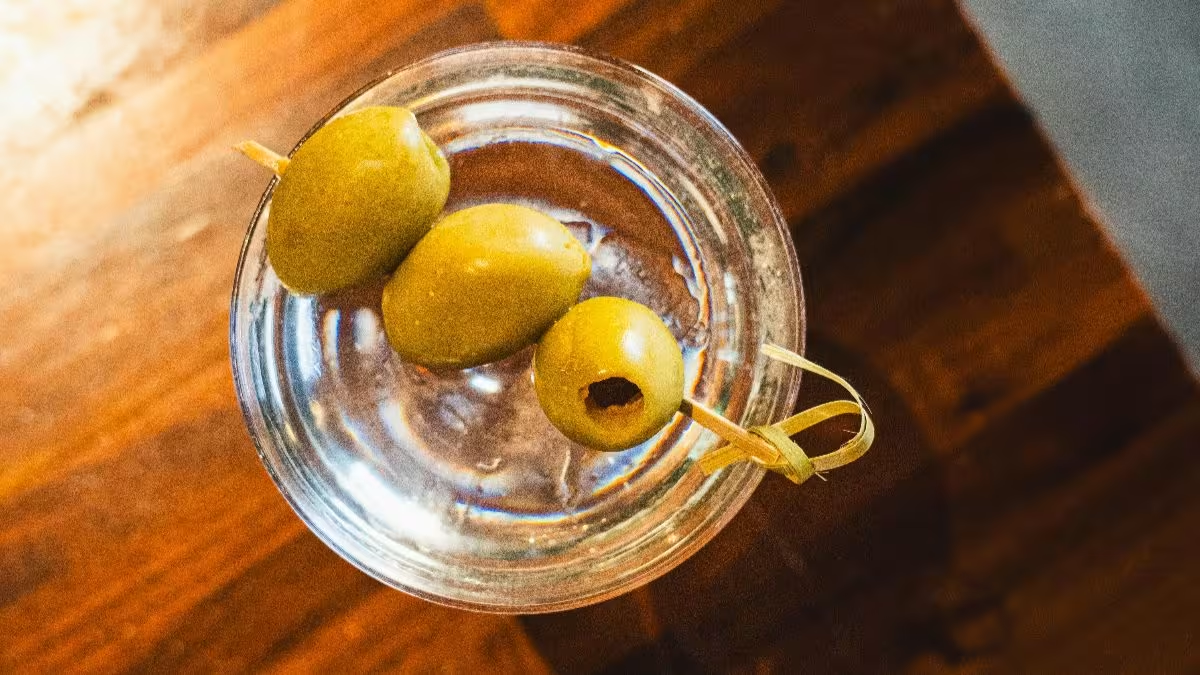
Classic cocktails still have the highest demand because they offer both familiar flavour combinations and flexibility. Examples of this are the three M’s of classic cocktails — the Margarita cocktail, the Martini cocktail, and the Mojito cocktail. These classic cocktails persist because they can be reintroduced in new ways while maintaining their traditional characteristics and ingredients. It’s fair to say these cocktails will continue to be significant contributors to the global cocktail culture for years to come.
Why Classic Cocktails Continue To Matter
The continued relevance of classic cocktails has more to do with how they were created than with nostalgia. These cocktails balance depth and diversity of ingredients, crossing boundaries of time, geographies, and even serving styles across bars. Unlike contemporary cocktails, which favour complex infusions or showmanship, classic cocktails such as the Margarita cocktail, Mojito cocktail, and Martini cocktail are based on clearly identifiable flavour profiles – the kind that users find familiar even today.
Classic cocktails also provide several benchmarks for bar culture. If a bar makes a precise Margarita cocktail or Martini cocktail, it is likely that the rest of the drinks on the menu will also meet those same quality standards. Thus, many people who go to bars often subconsciously evaluate the overall cocktail programme of a bar based on how well they are able to produce these classic cocktails prior to trying out the other experimental options on the menu.
Additionally, bartenders continue to use classic cocktails as learning tools. By learning how to balance citrus against spirits in a Margarita cocktail, how to extract flavours from herbs for a Mojito cocktail, or how to properly dilute a Martini cocktail, bartenders develop the technical skills they need before they can create contemporary cocktails that use lots of different ingredients and have a variety of flavours. Many modern cocktails still rely on these same principles, making classic cocktails less of a historical category and more of a guidebook for creating modern cocktails.
The Mojito Cocktail’s Place In Global Mixology Culture
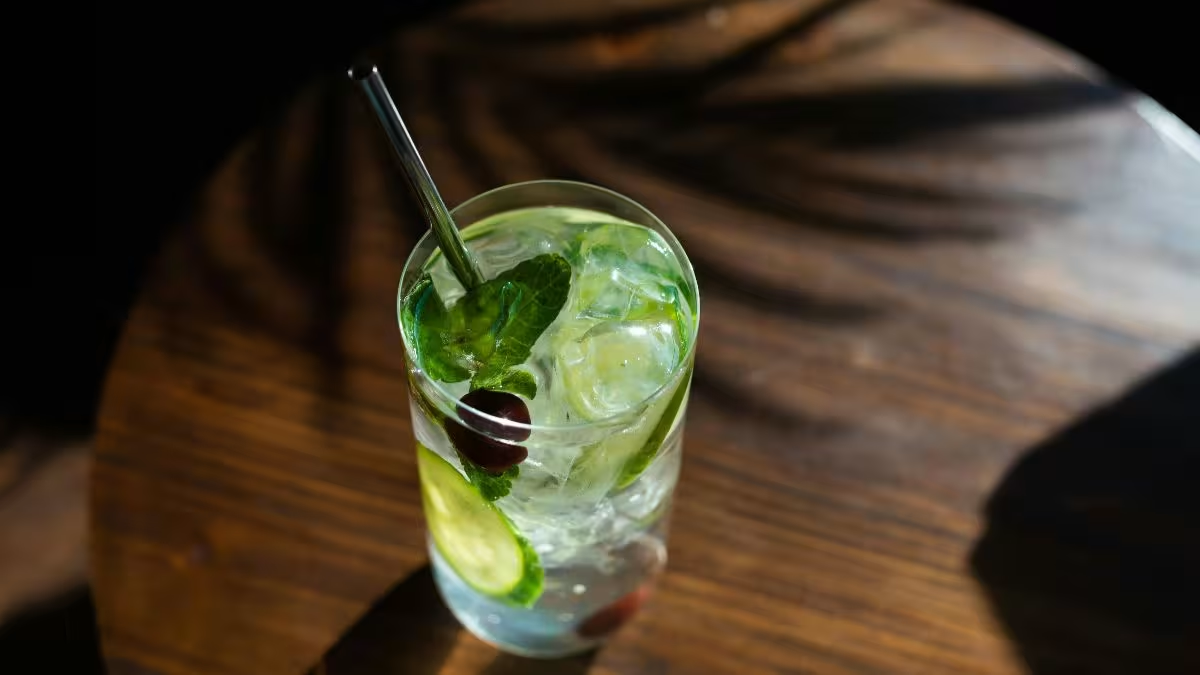
Among the classic cocktails, the mojito cocktail has a special place due to its format and its herb-forward profile. The Mojito cocktail was born in Cuba and is made with white rum, mint, lime, sugar, and soda.
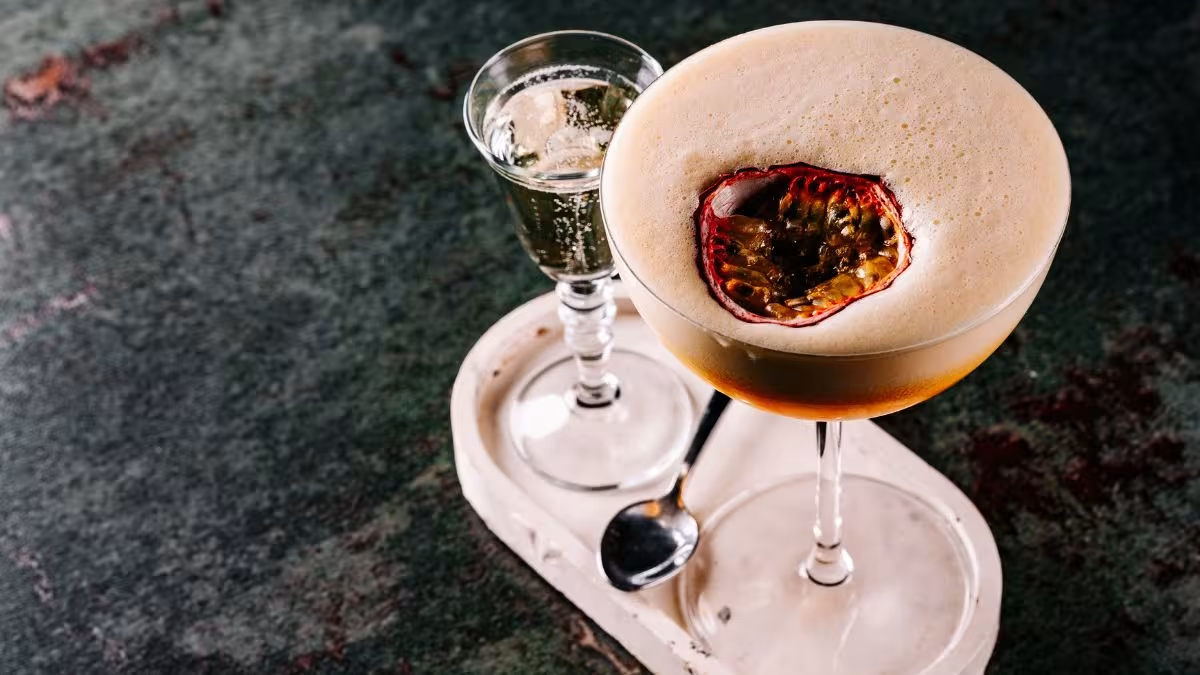
The Mojito cocktail, unlike many cocktails that have a prominent spirit presence, relies on the quality and freshness of its ingredients and proper dilution. If the mint is overmuddled, then the Mojito cocktail will have a bitter taste. If there is too much sugar, it will lose some of the complexity of the herb. It is this balance that continues to keep the Mojito cocktail on menus around the globe. Although many bartenders take liberties when creating a Mojito by substituting different flavours for the traditional ingredients (for example, using green apple syrup, fresh green apple juice, passion fruit purée, or passion fruit syrup and/or basil instead of mint), the base ingredients remain the same, and the overall look of the drink is identical to that of the Mojito cocktail.
As a result, the Mojito cocktail is very adaptable to many different flavour profiles that are based on tropical, citrus, and spicy flavours, without losing the integrity of the original drink.
How The Margarita Cocktail Became Universally Recognisable
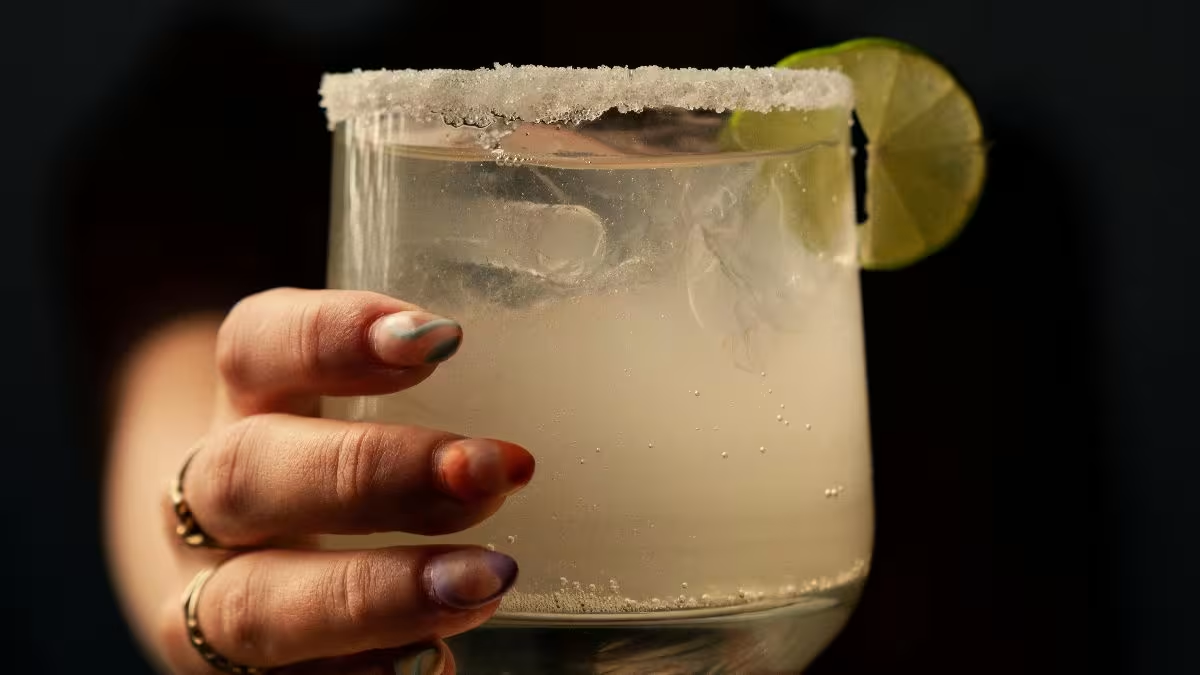
The Margarita cocktail is thought to have originated in Mexico in the 1930s or 1940s, and became a worldwide phenomenon due to the combination of tequila's earthy sharpness with citrus acidity (from the lime) and salty finish. A classic cocktail, it has spawned modern variations with fruity additions, such as watermelon or mango-chilli.
The Margarita cocktail achieved international prominence because it translated regional tequila traditions into an accessible format. Tequila, like the Don Julio Blanco, has an earthy, peppery, crisp, and vegetal flavour, derived from agave, that separates its cocktails from gin and rum-based drinks. A Margarita cocktail mixes tequila with orange liqueur, lime juice, and agave syrup. The lime adds a citrus flavour (a level of acid to the drink) while the orange liqueur sharpens the drink, preventing it from being overly sweet or syrupy.
Today, many bars continue to make their interpretations of the Margarita cocktail (such as with smoked salt, chillies, or fruity flavours). However, the original form of the Margarita cocktail is still the most popular, partly because it has a lot of variations in structure — frozen, shaken, spicy, and even clarified.
The lime and tequila combination creates a highly recognisable flavour structure
Salt introduces contrast rather than simple seasoning
Fruit additions work without masking the base spirit entirely
The cocktail adapts equally well to frozen and shaken formats
Tequila’s earthy profile supports spice-forward variations naturally
Why The Martini Cocktail Still Represents Precision
Due to its minimalist construction, the Martini cocktail continues to hold a significant place within mixology culture today. Unlike cocktails containing multiple layers of syrups, juices, and other modifiers, the Martini cocktail showcases its ingredients and techniques in their finest form.
The Martini cocktail originated in the late 1800s in the United States. Gin and vermouth are the two basic ingredients used to make the Martini cocktail. The drink focuses on texture, the distinct botanical sharpness of the ingredients, and the temperature at the time of serving. A London dry gin, such as the Tanqueray London Dry Gin, is the traditional and default base for the drink.
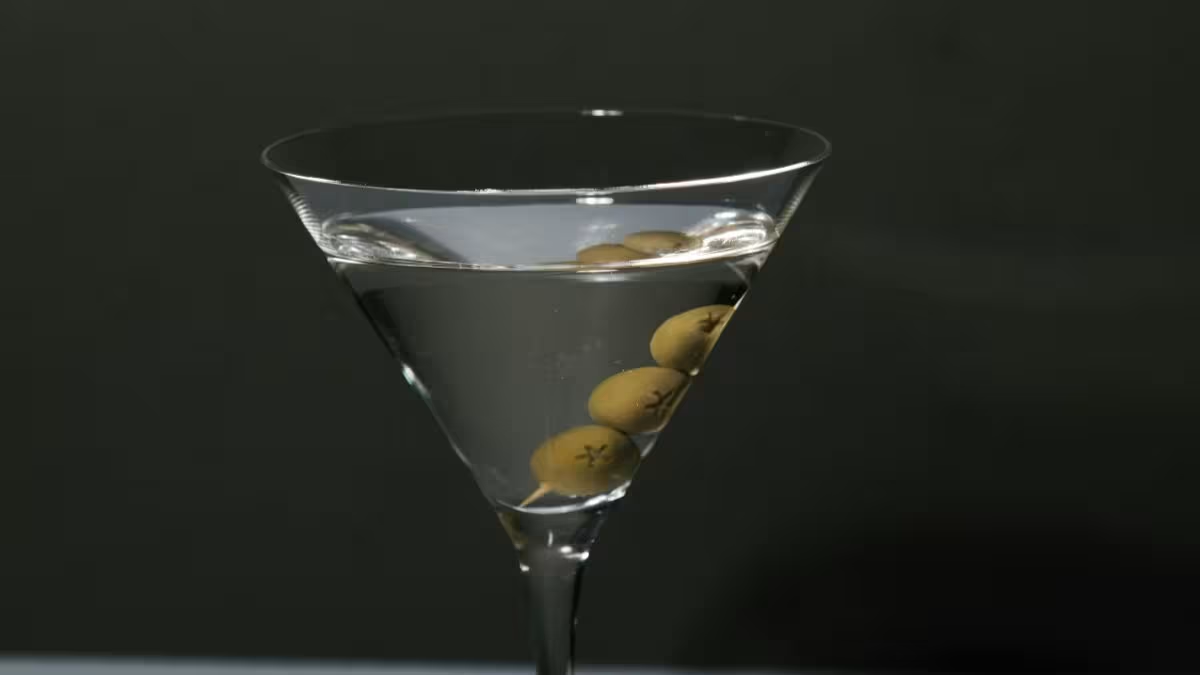
A gin-based Martini cocktail has prominent flavour notes associated with botanicals such as juniper berries, citrus peels, coriander seeds, and aromatic flowers, while a vodka Martini cocktail is smoother. The garnish can also have a great deal of influence on the overall flavour profile. For example, the addition of olive brine provides salinity and savoury flavour depth, while the use of a lemon twist accentuates the aromatic qualities of the citrus oils in the Martini cocktail.
The Martini cocktail’s visual identity has allowed it to maintain its position as a significant classic cocktail in drink culture. The use of stemmed glassware, transparent colour, and a relatively simple garnish makes the Martini cocktail a classic.
Other Classic Cocktails That Continue To Shape Bar Culture
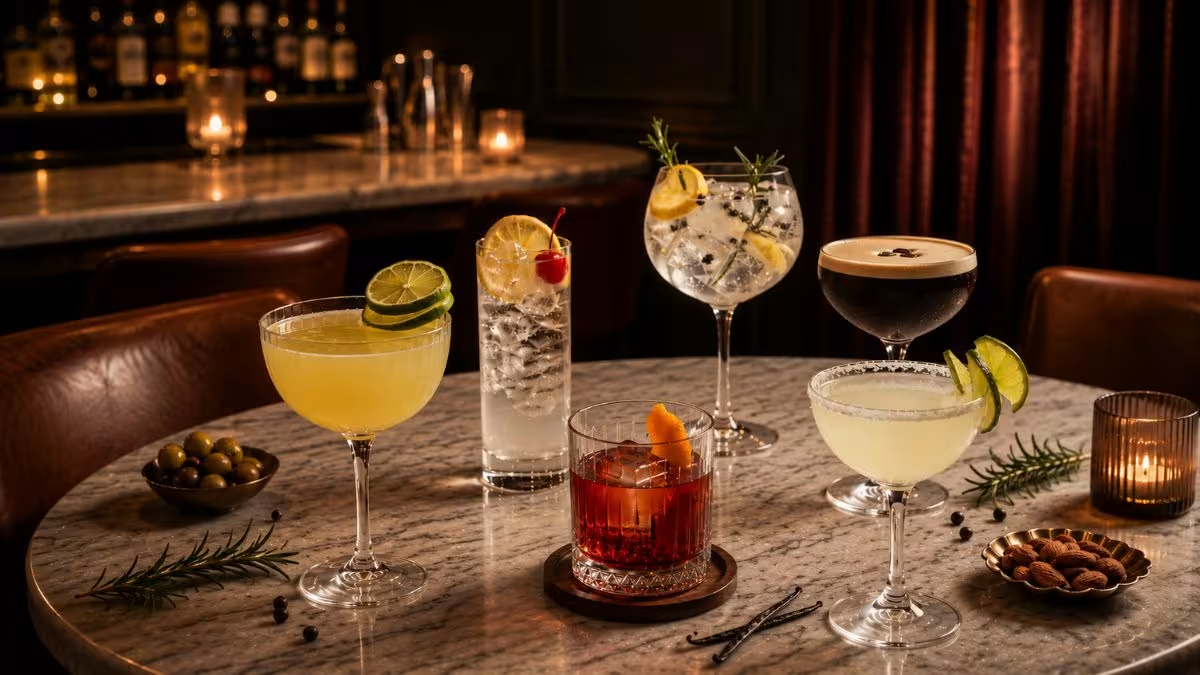
While the Margarita cocktail, Mojito cocktail, and Martini cocktail are the most talked-about classic cocktails, many other classic cocktails have been recognised globally. For example, the Old Fashioned cocktail continues to have a significant influence on modern-day cocktail menus due to its spirit-forward design of whisky, bitters, sugar, and citrus oil combined to create a drink characterised by depth and texture.
In addition to the Old Fashioned cocktail, the Negroni cocktail is also a classic drink made from a combination of gin, vermouth, and orange liqueur. The Daiquiri cocktail contains all the elements necessary for a perfect drink, with rum, lime, and sugar defining the measurement, and the Manhattan cocktail focuses on spice from whisky and the richness of vermouth.
These cocktails reappear throughout today’s contemporary cocktail menus because they represent foundational templates of balance, dilution, and contrast of flavours within the cocktail.
Conclusion
Classic cocktails are a foundational element of modern cocktail culture, as their structures continue to provide flexibility of presentation without losing the element of identity of each cocktail. Each of the three Ms creates their own individual approach to flavour, texture, and balance, yet continues to be present in current versions of cocktail menus globally. Their longevity is not only due to nostalgia but also due to the simplicity in constructing each of the cocktails, working with a few key identifiable taste profiles.
*Drink Responsibly. This communication is for audiences above the age of 25.
FAQs:
Classic cocktails remain popular because their flavour structures are balanced and adaptable. Their recognisable profiles allow bartenders to reinterpret them while maintaining familiarity and consistency across menus.
You May Also Like


Drink Responsibly. This communication is for audiences above the age of 25.
Yash Lakhan


More from The Bar



Stay Inspired
Sign up to our newsletter for exclusive recipes, insider secrets and special offers - all delivered straight to your inbox.
