On International Coffee Day, Discover The Best Form Of Coffee To Use In Cocktails
Introduction
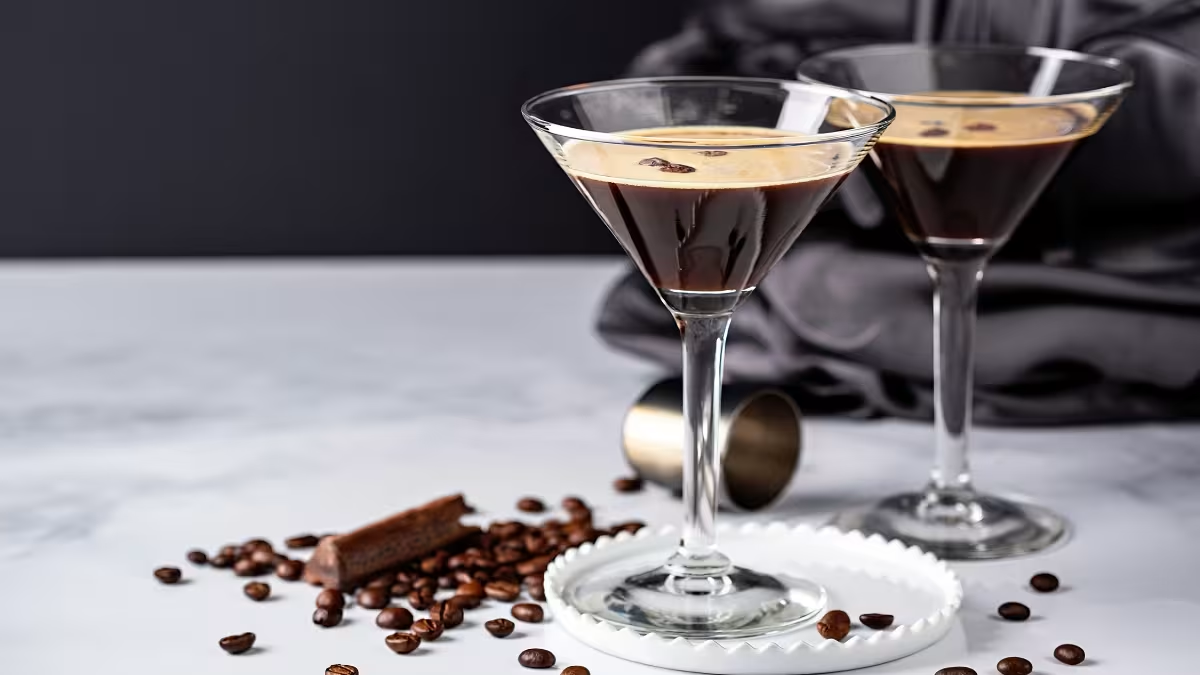
When a coffee cocktail arrives in front of you at the bar, it’s perfectly balanced (or so you hope) with the coffee, spirit, syrup, liqueur, or any other ingredient occupying its designated space in the glass. Recreate the same drink at home, and you may find yourself stumbling on one core step – the coffee. Or more accurately, the type of coffee.
Is an iced Americano the best fit for a cocktail, or does an espresso shot work better? Do you follow the recipe to the T, or is there room to experiment with coffee’s many types? Well, if there was ever a day and a blog to find these answers, it’s here, on International Coffee Day!
Coffee In Cocktails: Things To Consider
Before you understand the type of coffee to use, it’s best to understand things that can impact the cocktail’s flavour. In the case of coffee, it’s not just the type but also the roast.
Firstly, while you can introduce coffee in cocktails in many ways, from bitters to liqueurs, the focus here is on brewed coffee.
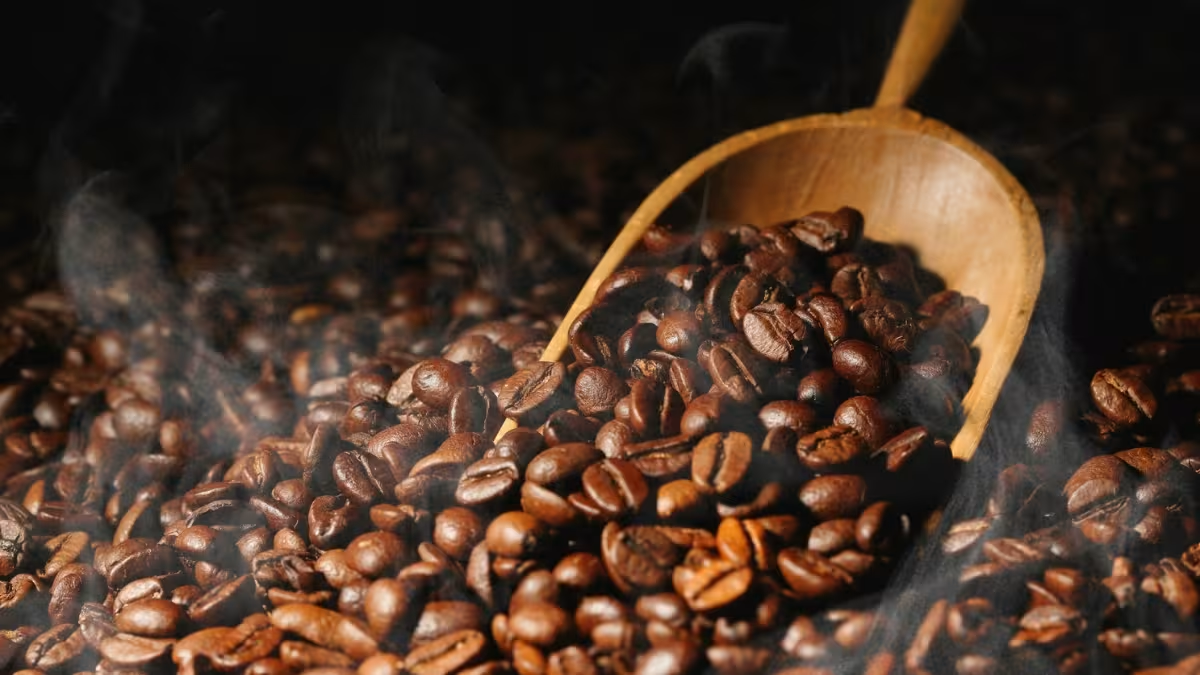
Secondly, coffee roasts also impact the final flavour. Coffee roasts range from light to dark, each changing the bean's flavour, acidity, and body.
Light Roast: Light brown with a dry, matte surface, the light roast is bright, floral, and fruity with high acidity and a light body. It retains the original, bean-forward characteristics.
Medium Roast: It offers a slightly shiny surface and balanced sweetness with nutty or chocolate notes and moderate acidity. It is a smooth middle ground between the bean's origin flavours and the roast taste.
Dark Roast: Dark brown to black with a shiny, oily surface, the dark roast has a strong, smoky, and bittersweet flavour with low acidity and a heavy body. Its taste is driven by the roasting process rather than the bean's original origin traits.
Thirdly, the type of bean also has a role to play. The four main types of coffee beans are Arabica, Robusta, Liberica, and Excelsa, with Arabica and Robusta making up about 98% of all coffee produced globally.
Arabica: This is smooth, complex, and mild with higher acidity and sweet, fruity, or chocolaty notes. It is low in caffeine.
Robusta: This is strong, bitter, and earthy with low acidity, and contains about 50% to 60% more caffeine than Arabica.
Liberica: These are large, asymmetrical beans with a smoky, woody, and floral taste.
Excelsa: Tart, fruity, and tangy with dark, mysterious flavour notes that add complexity to blends.
The Best Coffee for Cocktails
The popular consensus is that freshly brewed espresso or concentrated cold brew made from medium-dark or dark roast 100% Arabica beans is best for cocktails. As per reports, beans with chocolate, nutty, or caramel tasting notes complement spirits like bourbon, rum, and tequila much better than overly acidic light roasts.
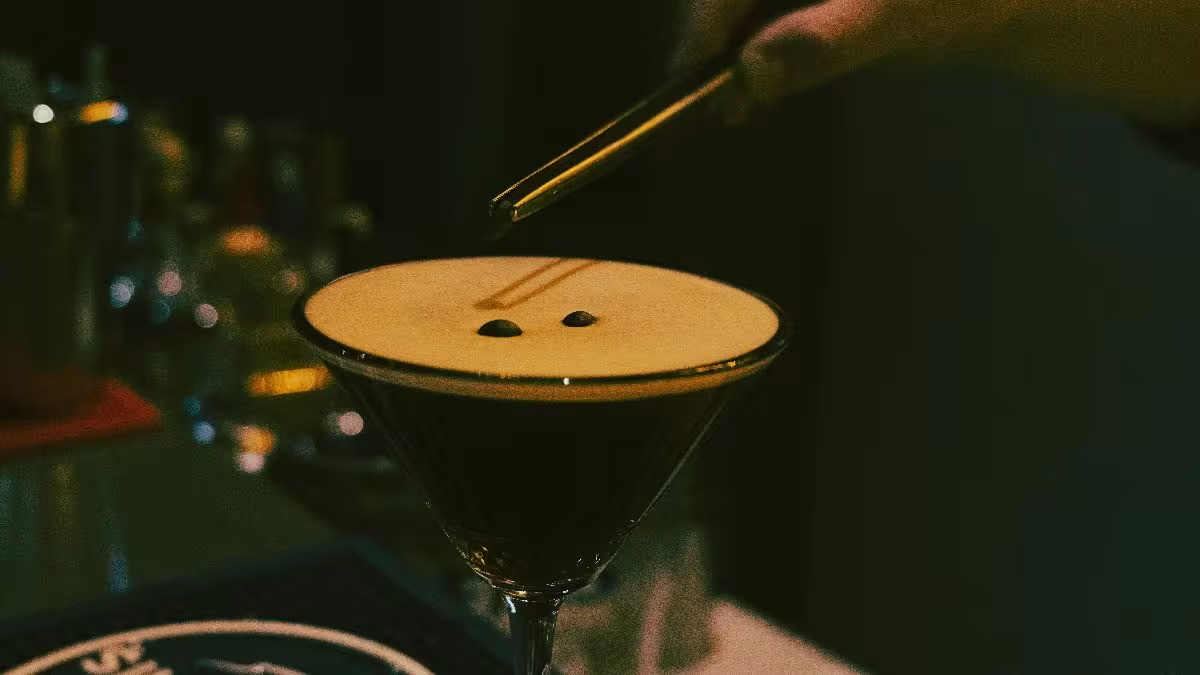
However, the choice also depends on the type of cocktail. Espresso is best for drinks like the Espresso Martini cocktail (it’s in the name, after all) or Carajillo. It delivers a strong, concentrated punch with low liquid volume, meaning it won't water down your cocktail.
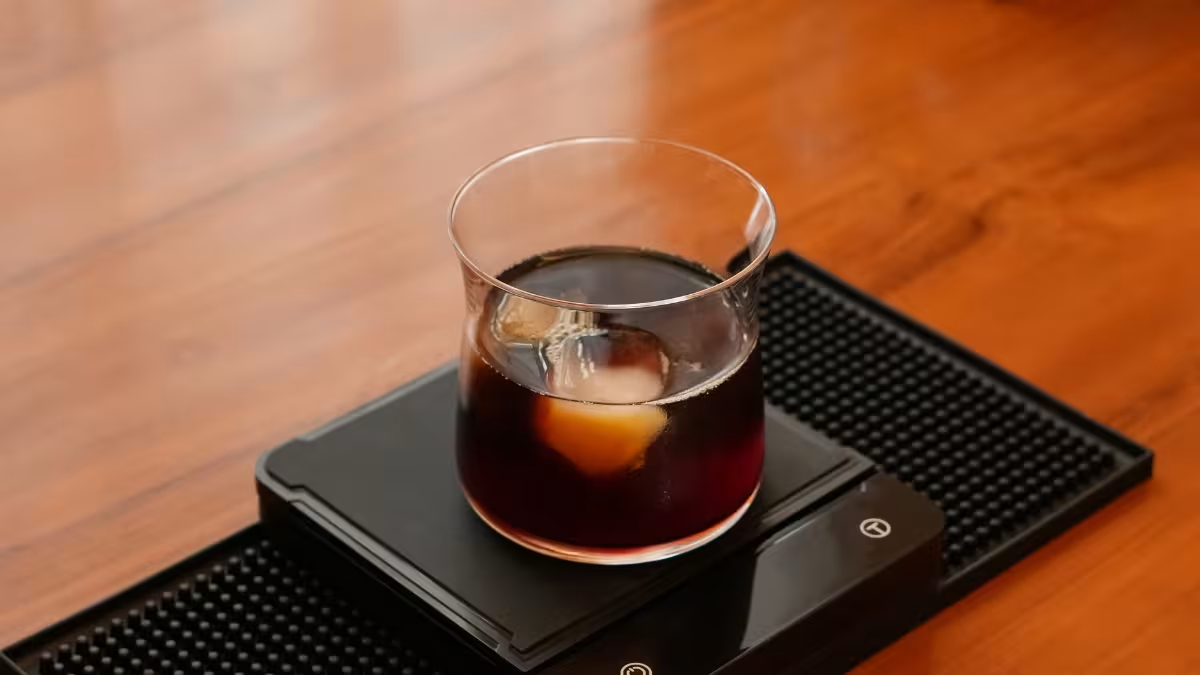
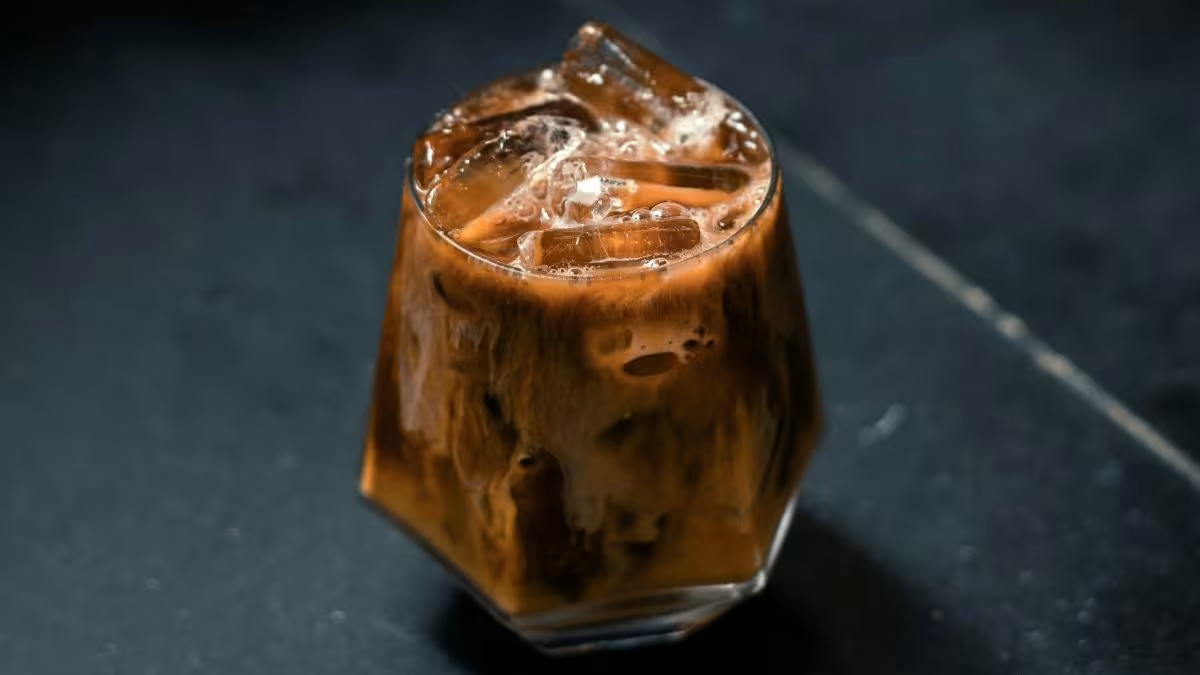
Cold Brew, on the other hand, is best for tall, tiki, or long-format cocktails (like a coffee-infused Old Fashioned). It provides a smooth, naturally sweet, and less acidic flavour profile that mixes easily with spirits without harsh bitterness.
Brewing Coffee For Cocktails: Tips To Remember
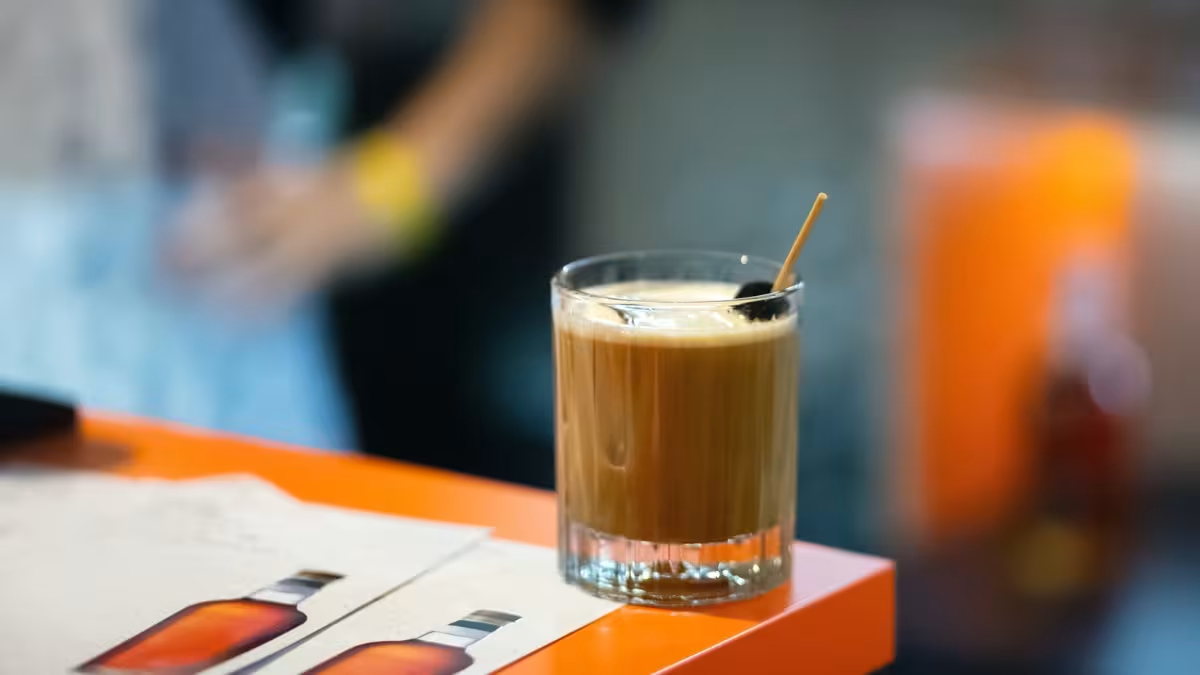
Here are a few simple tips that you can keep in mind when brewing coffee for cocktails:
Adjust your brewing ratio: Use a more concentrated ratio (such as a smaller water yield or higher coffee amount) than you would for a standard morning cup to maintain flavour intensity after ice dilution.
Control your temperature: Keep hot brewing water between 90°C and 96°C. Boiling water scorches the coffee grounds and creates harsh bitterness.
Opt for cold brew for low acidity: Steeping coarse grounds in cold water for 12 to 24 hours yields a mellow, sweet, and low-acidity base that works wonderfully in stirred or long drinks.
Stick to espresso for foam: Use fresh espresso when crafting classic shaken drinks like an Espresso Martini cocktail to guarantee that rich, velvety crema layer.
Avoid regular drip black coffee: Standard drip coffee is too thin and will easily dilute the alcohol and weaken the overall profile of your cocktail.
Balance the bitterness: Balance coffee’s bitterness with sweetness, acidity or suitable mixers. Adjust the coffee’s concentration and quantity, and consider using sugar syrup, liqueurs or dairy alternatives where appropriate.
Conclusion
It’s not that you can't make coffee cocktails at home. It’s just that if you’re looking to experiment, it’s best to get the basics in place and then begin exploring. After all, cappuccino may be your “cup of tea” on an evening, but it can’t be your secret ingredient for a cocktail… or can it? Why not give it a try and see!
*Drink Responsibly. This communication is for audiences above the age of 25.
FAQs:
The best coffee depends on the cocktail. Espresso and cold brew coffee are popular choices, with each adding a different level of intensity, bitterness and aroma.
You May Also Like



7 Classic Drinks That Belong On Every Monsoon Cocktail Menu
These monsoon beverages showcase spices, citrus, coffee, and dark spirits. These traditional cocktails, with layers of aroma, are perfect to sip when it rains.


Drink Responsibly. This communication is for audiences above the age of 25.

More from The Bar


Stay Inspired
Sign up to our newsletter for exclusive recipes, insider secrets and special offers - all delivered straight to your inbox.
