If You're New To Whisky, Then This Is The Whisky To Try
Introduction
Everyone, from your food critics to exasperated mothers, talks about certain food and beverages being an “acquired taste”. No one talks about how to acquire that taste! And if the particular dish or drink is well-known, it can seem almost daunting to say, “I am new to this.” At least, that’s the assumption among people who are new to whisky. If you find yourself nodding yes to this, then this handy guide on whisky for new users is for you.

Understanding Whisky
Whisky, one of the primary alcohols along with gin, vodka, tequila, rum, and brandy, is not an exotic or obscure product. However, it can be tricky for first-time users to understand the taste, texture, and nuances of this liquor. Especially because unlike the botanical-forward gin, clean vodka, or earthy, vegetal tequila, whisky is not just one broad flavour category. Every type has its own characteristics.
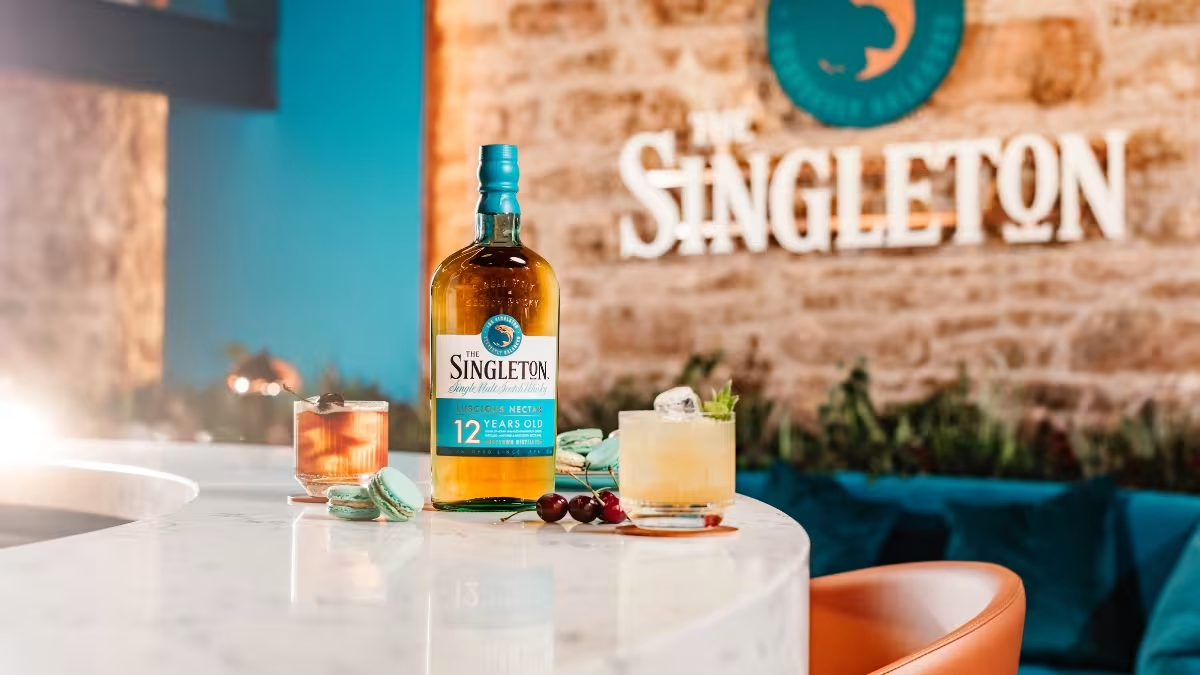
In the interest of keeping things simple and minimal, let’s look at the two broad pillars of whisky: Single (from a single distillery) and Blended (combined from multiple distilleries). Variations exist within each category depending on production regions and styles. For example, The Singleton 12 is a Speyside Single Malt while the Johnnie Walker Red Label is a Blended Scotch Whisky.

What Influences A Whisky’s Flavour?
Whisky is made by malting, mashing, fermenting, and distilling cereal grains. The distilled grains are then matured in wooden casks. From the choice of grain to the type of distiller, cask, and production region’s climate, every part of whisky production impacts the final flavour.
Here are five key influences on a whisky’s flavour:
Ingredients & Peat: The choice of cereal grain (malted barley, corn, rye, or wheat) dictates the foundation flavour (corn is sweet, rye has spice, etc.) In some cases, certain whisky grains may be dried over burning peat (a traditional, organic Scottish fuel of grass, moss, etc.) to introduce further distinct flavour notes.
Fermentation: During fermentation, yeast converts the grain sugars into alcohol. The duration of fermentation (longer cycles tend to build deeper flavours) impacts the flavour.
Distillation: Whisky is distilled in copper stills (or steel-copper column stills) to strip away the impurities and concentrate the flavour (fruity, smoky, floral, etc.). The size, shape, and height of the stills impact the flavour.
Maturation: Apart from the ingredients, this is one of the core factors impacting flavour. Whisky is matured in wooden casks, and it imparts tannins, caramel, spice notes, etc. (depending on the type of cask) into the whisky over time.
Climate & Environment: Warehouse temperatures and humidity dictate how the wood expands and contracts. This can speed up or slow down the interaction between the ageing liquid and the cask. For example, hot Indian climates support faster maturation; Indian whiskies don’t need to be aged for as long as their counterparts.

Which Is The Whisky To Try?
Now you know what influences a whisky's flavour. But which is the one to try and how should you consume it, i.e. mixed, with water, or a small, straight serve?
Well, when you’re new to any dish or drink, it’s always a good thing to start with subtle flavours that don’t shock your palate. In the case of whisky, here’s what you can do:
Choose The Right Style: Approach whisky by mapping it to your preferred flavours. If you like balanced flavours (not too sweet, smoky, or spicy), for example, then a balanced blend like the Black & White Blended Whisky works well. A smooth whisky with gentle notes of honey and oak, this has a softer flavour profile than heavy, smoky single malts or high-proof ryes.
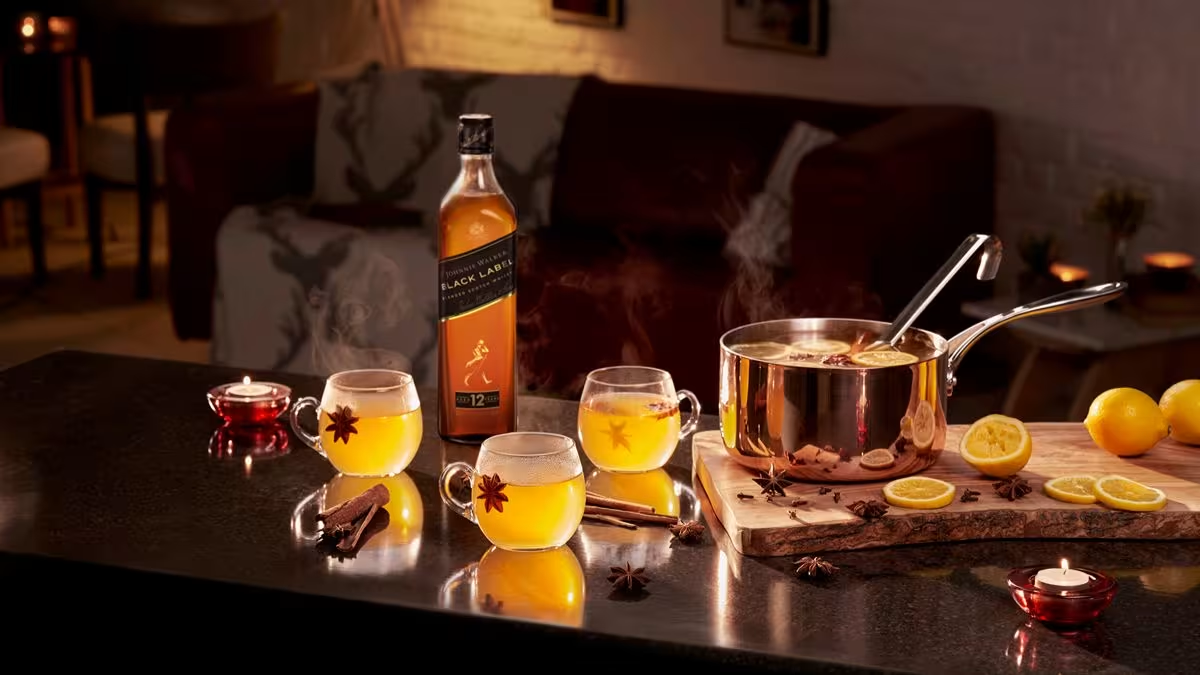
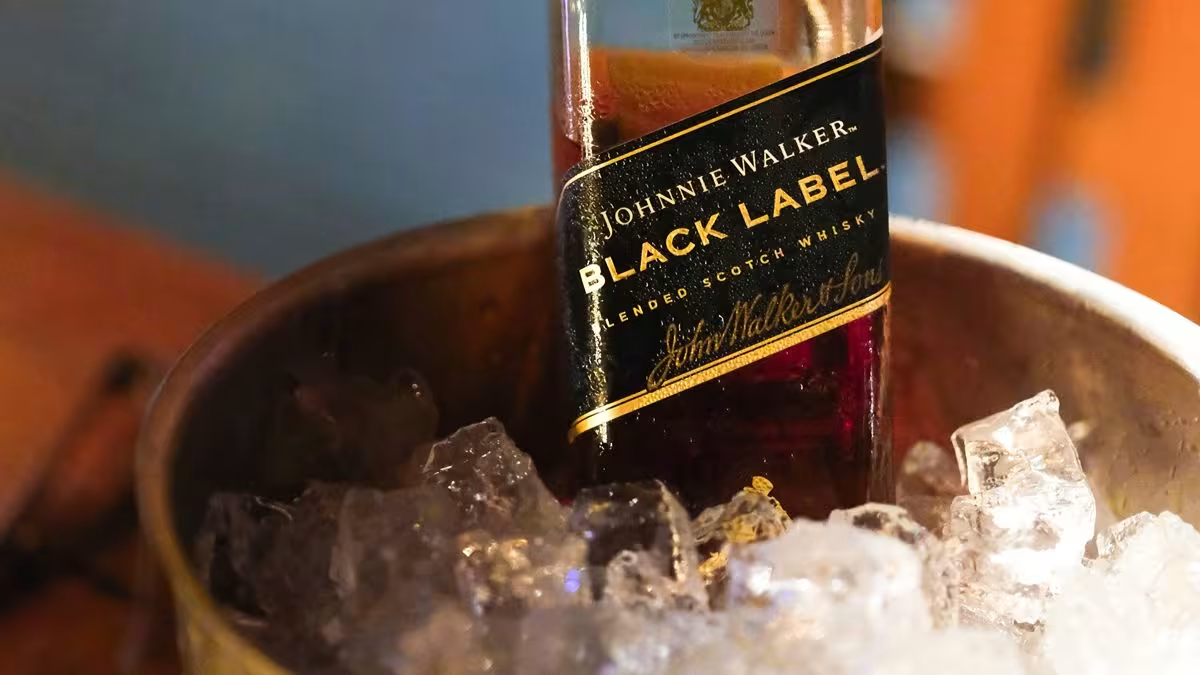
Smell Before You Sip: Aroma is a defining trait of any good whisky. Before you sip or mix the whisky, pour a small portion in the glass, bring it close to your nose, and take short, gentle sniffs (not a deep breath, as the alcohol vapour can overwhelm your senses). With a Johnnie Walker Black Label, for example, you would smell sweetness wrapped in smoke, with a hint of pepper.
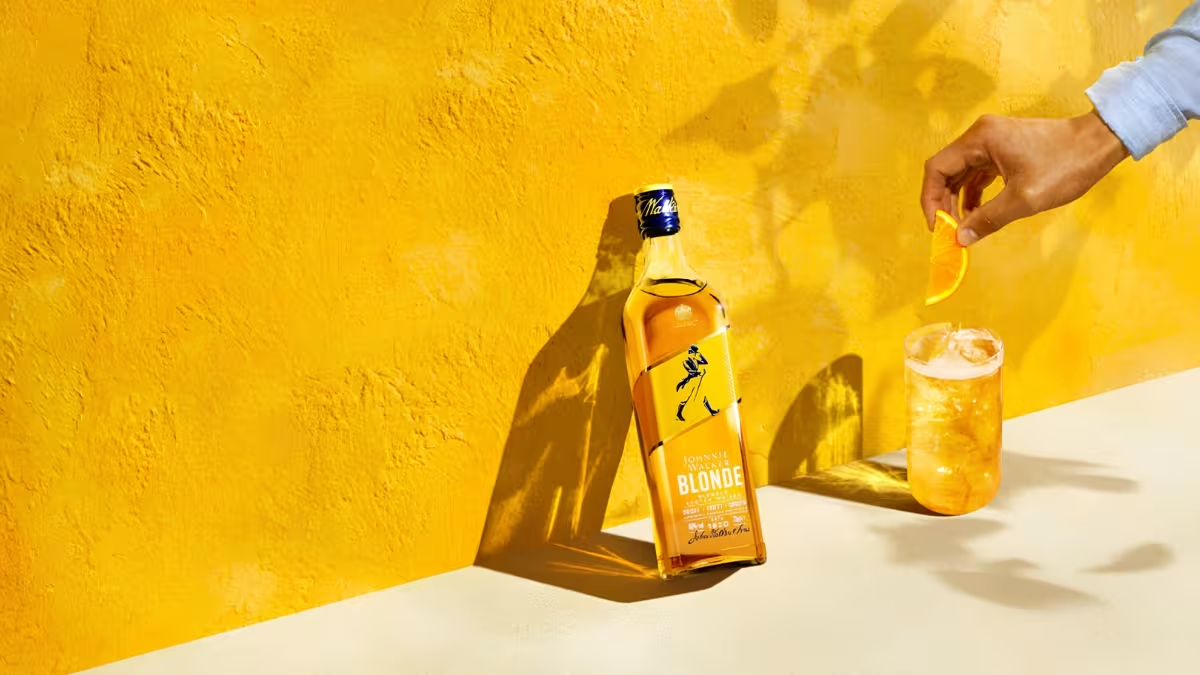
Take Tiny Sips And Dilute, If Required: Never take a big gulp of whisky. Take tiny sips and let the flavour develop on your palate. Also, there is no restriction on diluting the whisky. If you want to preserve the original flavour, add only a few drops of room-temperature water; it can even release hidden flavours. If you add ice, it drops the temperature of the liquor and softens the sharp mouthfeel. Alternatively, dilute it with soda or a splash of your preferred mixer. A Johnnie Walker Blonde suits this scenario well since it was designed for mixing.
Here’s a quick snapshot of whiskies to try based on your flavour preferences.
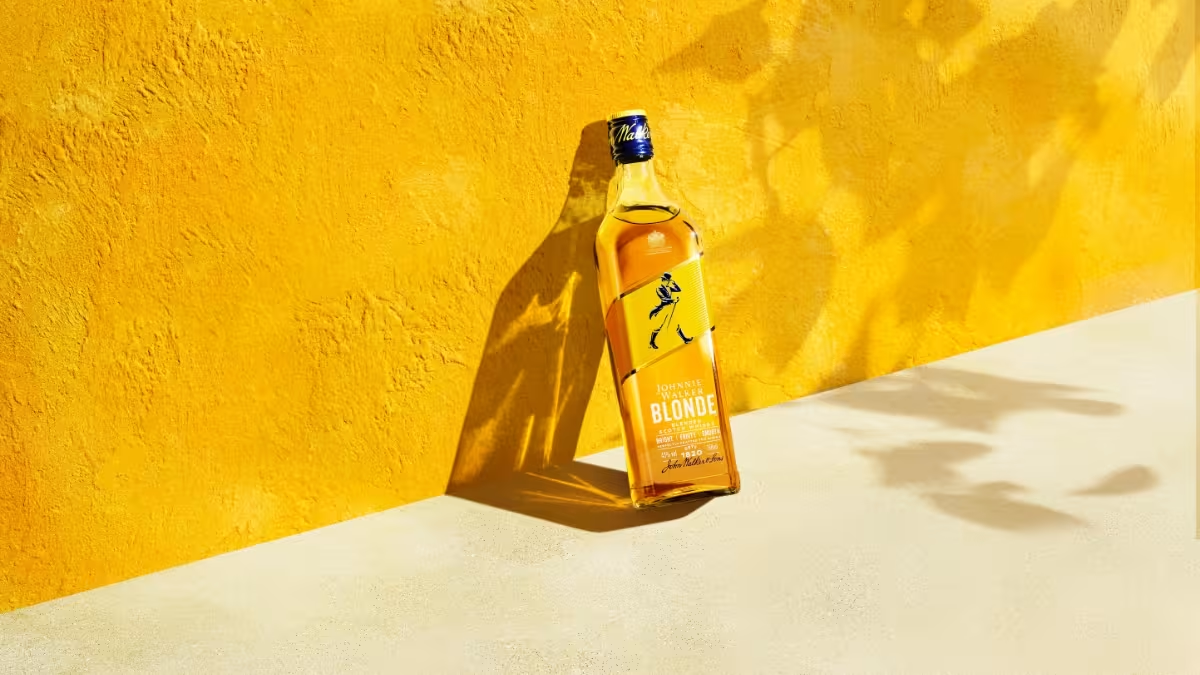
The Johnnie Walker Blonde is a smoother, lighter blend with notes of vanilla, apple, spices, and caramel that mixes seamlessly in cocktails like highballs. It’s recommended to start with this if you’re new to the spirit.
For a balanced, uncomplicated flavour profile with a short finish of caramel sweetness, try the Black and White Blended Whisky.
If you like a little complexity, try Johnnie Walker Black Label. The vanilla and sweet fruit dominate, with smoke serving as a gentle background note. This is for when you want to progress to whiskies with more depth.
Single malts usually command a premium because more time and effort go into making these blends. However, if you feel you are ready to try this style of whisky, go for Speyside single malts at the start, like The Singleton 12. They are generally smoother and sweeter than other malts.
Conclusion
Ideally, start with a single, simple type of whisky and only experiment with wider styles once you’re clear on what different production types and flavours constitute. Whether you’re choosing a bottle for gifting, hosting, or experimenting, knowing the flavour notes can go a long way in helping you make the right choice.
*Drink Responsibly. This communication is for audiences above the age of 25.
FAQs:
Look for whiskies with a smooth flavour profile rather than heavily smoky or peaty expressions. Blended Scotch whiskies like Black & White and Johnnie Walker Blonde are often recommended because of their lighter character.
You May Also Like





Drink Responsibly. This communication is for audiences above the age of 25.

More from The Bar


Stay Inspired
Sign up to our newsletter for exclusive recipes, insider secrets and special offers - all delivered straight to your inbox.
