How To Fat Wash Spirits At Home: The Bartender Secret That Makes Whisky Taste Like Butter
Introduction
There was a time when only fresh fruits, spices, and herbs were used for infusing alcohol. But, through continuous experimentation in the world of spirits and cocktails, there came fat-washing. Once a novelty trick, it’s now becoming more and more common across bars and even home setups.
Fat washing spirits at home begins by mixing a spirit, usually whisky, with rendered fat, then chilling the mixture until the fat hardens so that it can be easily separated. This technique creates a layer of complexity; the whisky will have added savoury characteristics and will be fuller with a smooth, non-greasy finish.
Fat-washing is a fast-growing cocktail trend in 2026, influencing aromas, texture, and structural characteristics of spirits. Read ahead to better understand the process, its compatibility with whisky, and the steps to do it at home.
What Is Fat Washing?
Fat washing is a way of infusing alcohol to introduce savoury flavours, aromas, and a creamy mouthfeel without leaving the spirit greasy. Here, melted fats are combined with alcohol, cooled and strained to create an infused spirit. Since alcohol absorbs odour-related compounds very well, the alcohol will take up flavour compounds from the fat. With the solid contents separated through cooling, the result will be a spirit with an altered (smoother) texture, added savoury complexity, and a softer aromatic profile.
The goal of fat-washing whisky is to create a richer base that does not make the drink dense. Some commonly used fat wash ingredients are butter, coconut oil, sesame oil, and bacon fat.
Beverages made from whiskies that have been fat-washed with butter can have an aroma or flavour that is reminiscent of toasted caramel, warm baked goods, roasted nuts, and light butterscotch.
In contrast, when bacon fat is used to wash whiskies, the end results will often have a smokier, more salty character.
When a whisky is fat-washed with coconut oil, the flavour will be mellow and tropical in character, with a creamy texture.
Why Whisky Works Particularly Well
Whisky has layered, complex flavour notes resulting from mixing grain, ageing in oak barrels, using smoke, using spices, and from the caramelisation of sugars. Fat-washing smoothens the taste, highlights the spice in the whisky, and overall, lends a more rounded flavour to whisky.
For example, butter washing a blended Scotch whisky like Johnnie Walker Black Label creates more rounded vanilla and toasted oatmeal flavours, while bourbon whisky gains even deeper notes of maple syrup and baked spices. The altered texture also impacts whisky cocktails.
Butter-washed whisky gets a velvety texture as it flows over the tongue, which works well with classic stirred cocktails like the Old Fashioned cocktail or its variations. Even finished cocktails that are spirit-based and have walnut bitters and orange oils benefit from the use of fat-washed whisky.
How To Fat Wash Spirits At Home
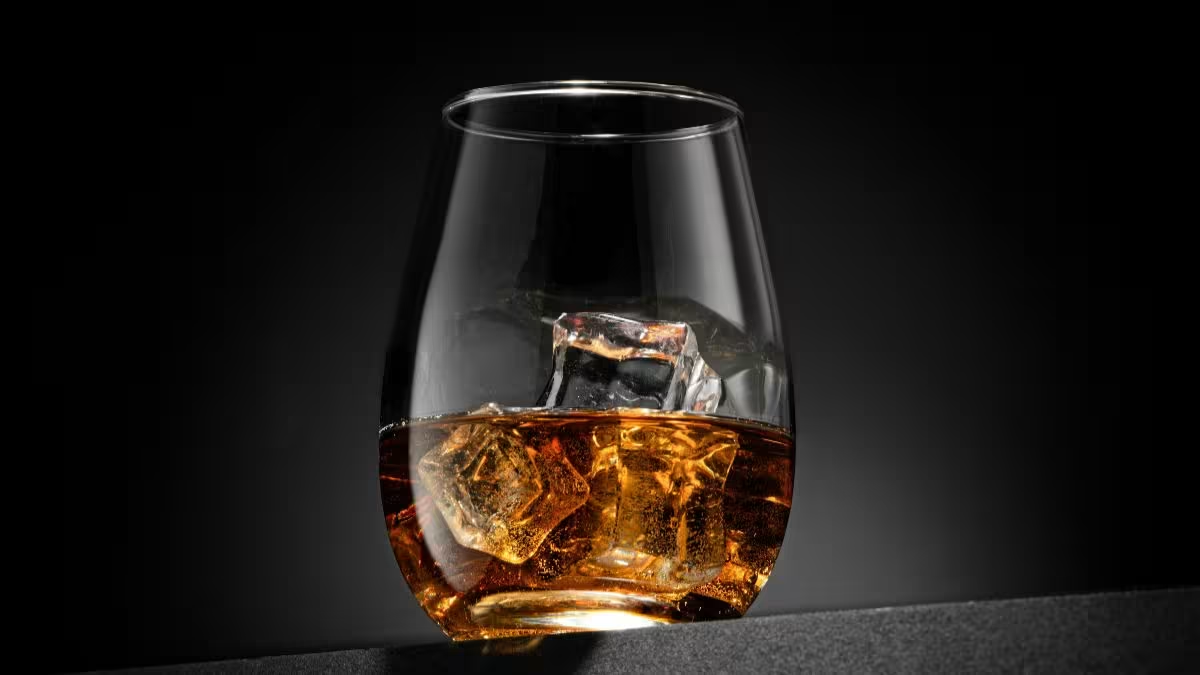
You don't need special barware for fat washing for spirits at home. The technique is fairly independent of specialised equipment, but much more reliant on balance and patience.
Here is a step-by-step process of how to fat-wash spirits, in this case, whisky, at home:
Ingredients: You will need melted butter or rendered fat plus some whisky.
Put both ingredients (fat and whisky) into a sealed jar or container.
Gently mix the two ingredients so that the fat is evenly distributed throughout.
Let the jar sit at room temperature for around 10 minutes (this will let the whisky absorb flavour from the fat).
When the whisky has had enough time to absorb the flavour from the fat, place the jar in your freezer until the fat layer is solid.
After the fat layer has frozen, remove the cap of frozen fat from the jar and use a coffee filter or muslin cloth to strain out the liquid whisky.
The resulting spirit should be clear and will feel slightly thicker than before fat washing occurred. If the spirit is cloudy or feels oily, it is an indication that too much fat was used for infusion. In case this happens, freeze again and strain through a coffee filter. However, don’t shake or heat the container as that worsens emulsification.
Here’s a handy fat-to-spirit ratio that you can refer to when fat-washing spirits:
Solid fats (butter, bacon fat, ghee): ~1–2 tbsp per 750 ml spirit
Liquid oils (coconut oil, olive oil): ~1 tbsp per 750 ml spirit
Remember, always start on the lower end, i.e., use a minimum quantity of fat; you can always repeat, but you can’t “undo” excess fat easily.
Choosing The Right Fat For Different Cocktail Styles
Spirits can have completely different flavour profiles when mixed with any form of fat. This difference in flavour is exactly why many bartenders will select a particular spirit according to cocktail structure.
An option for many is brown butter, which can produce nutty roast characteristics without masking the oak-forward flavours of whisky. This effect can be very pronounced in a version of the Manhattan cocktail, resulting in a pastry-like backnote combined with dark cherry and spices.
When used in whisky cocktails, bacon fat adds an additional layer of depth and offers up smoked and salty flavours. Bacon and maple syrup, bacon and coffee liqueurs, or bacon and a black pepper tincture can all be used to create a whisky cocktail that has both smoke and sweetness.
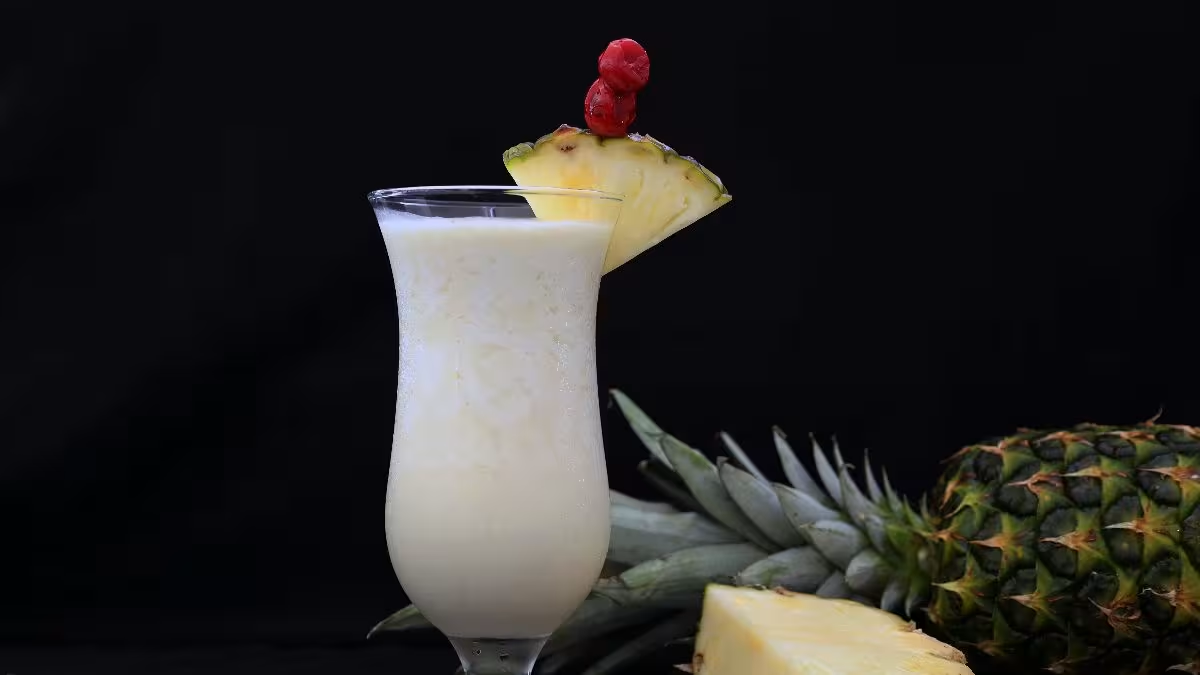
Coconut oil will provide the cocktail with a softer texture and a lighter aromatic profile. Many bartenders have found it very successful to pair coconut oil with tropical fruit elements or cacao, for example, or with spice-forward whisky cocktails that have layers of cinnamon and nutmeg.
Toasted sesame oil is a prominent flavour and therefore needs to be used in smaller quantities to achieve the desired effect. In many modern cocktails, toasted sesame oil will provide a layered earthy roasted flavour to a spirit that is combined with ginger, dark honey, or citrus peels, etc.
Common Mistakes That Affect The Final Texture
One of the biggest mistakes while learning how to fat-wash spirits at home is over-infusing the mixture. Leaving whisky with fat for too long can flatten brighter grain notes and create a heavy finish.
Other problems would be caused by not filtering properly; if the fat has small particles in it will make whisky hazy and not be able to be shelf-stable as long. Bartenders often double-strain fat-washed whisky through coffee filters because slower filtration produces a cleaner texture.
Lastly, freeze long enough for the fat to fully solidify. If you strain too early, the fat layer can break apart and leave residue, resulting in a cloudy or slightly oily spirit.
Conclusion
While whisky remains the most common spirit for fat-washing, the technique also works with spirits like rum, tequila, and cognac. Here, the fat complements the natural flavours. In neutral-flavoured spirits, like vodka, fat can become the dominant flavour. Thus, the choice of fat and of cocktails that can use fat-washed vodka becomes extremely important. Ultimately, fat washing spirits at home requires an ability to control infusions, efficiently filter, and balance both density and clarity of the finished product. If you like experimenting with new techniques, then this is a trend worth exploring.
*Drink Responsibly. This communication is for audiences above the age of 25.
FAQs:
Fat-washed whisky develops a silkier texture with layered notes depending on the infused fat. Butter creates toasted pastry notes, while bacon fat contributes smoke and savoury salinity.
You May Also Like




Drink Responsibly. This communication is for audiences above the age of 25.
Yash Lakhan


More from The Bar


Stay Inspired
Sign up to our newsletter for exclusive recipes, insider secrets and special offers - all delivered straight to your inbox.
