How To Store Premium Liquor Bottles? 5 Tips For Collectables
Introduction
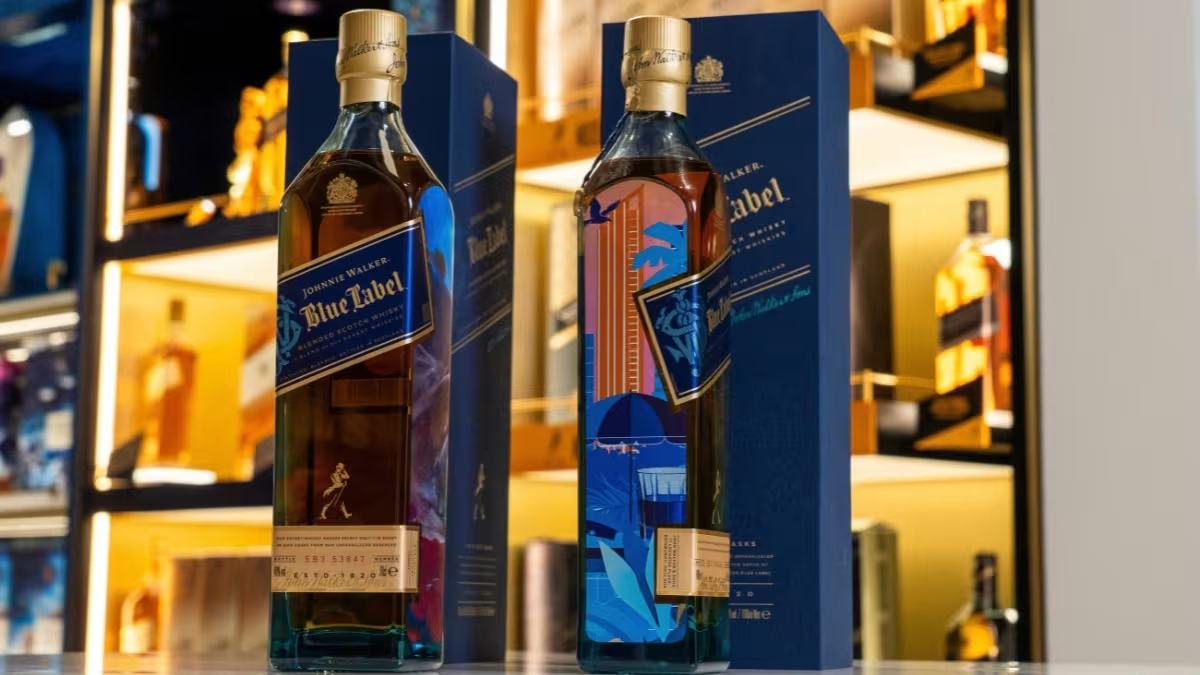
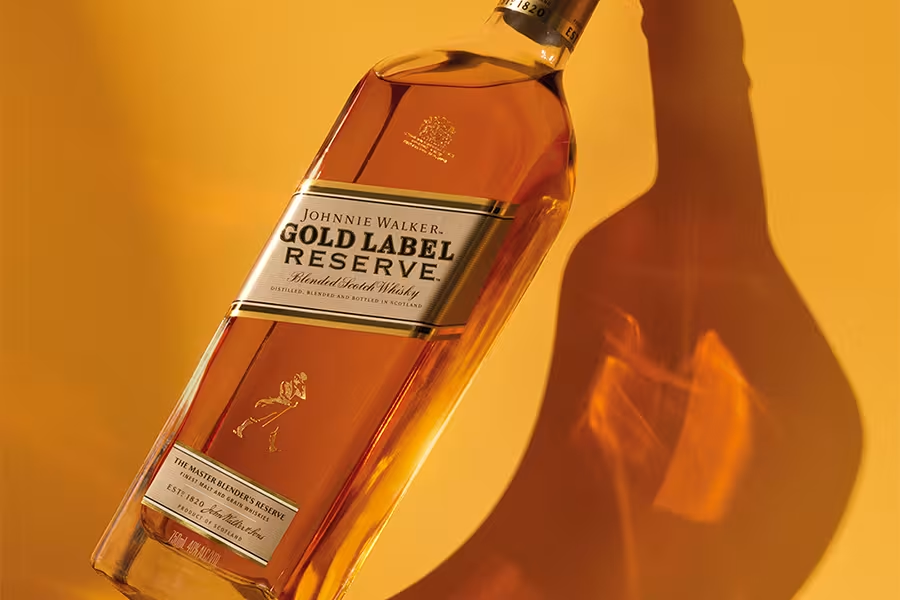
When you purchase an exquisite, possibly limited-edition bottle of alcohol, whether it is a premium whisky, tequila, rum, gin or vodka, storing it correctly becomes important. Bottles such as Johnnie Walker Blue Label or others can represent significant investments, particularly when they are limited releases or part of a collection. For example, The Johnnie Walker Blue Label Lunar New Year / Chinese Zodiac Collection is a limited-edition series of rare blended Scotch whiskies released annually to celebrate the animals of the Chinese Zodiac. For such spirits, alcohol bottle storage is a key consideration.
Proper storage helps protect the spirit’s flavour and aroma while also preserving the condition of the bottle, label and packaging. All of this plays an important when it comes to collectible bottles. Here are some tips to keep in mind when storing premium liquor bottles.

Keep It Upright
One of the simplest ways to store a premium liquor bottle is to keep it upright. Unlike wine, spirits generally should not be stored on their side for prolonged periods because the high alcohol content can come into extended contact with a natural cork or other closure, potentially affecting its condition over time. Keeping the bottle upright also helps minimise the risk of leakage and evaporation.
For bottles with natural cork closures, some whisky producers recommend briefly tilting the bottle occasionally to allow the cork to come into contact with the spirit. This can help prevent the cork from drying out over long periods of storage. However, this is not necessary for every bottle or type of closure, so follow the storage guidance provided by the producer where available.
Keep The Temperature Consistent
Temperature is an important consideration for alcohol bottle storage. Keep bottles in a cool, dry place away from sudden temperature fluctuations and sources of heat, such as direct sunlight, radiators, ovens or other heat-producing appliances. Consistent room temperature is generally suitable for home storage; there is no need to refrigerate most unopened spirits.
For opened bottles, stable conditions are particularly useful as repeated exposure to heat and temperature changes can accelerate evaporation and potentially affect the spirit over time. A dedicated liquor cabinet, cupboard or cellar-style storage space can help maintain a more consistent environment.
Protect From Direct Light Exposure
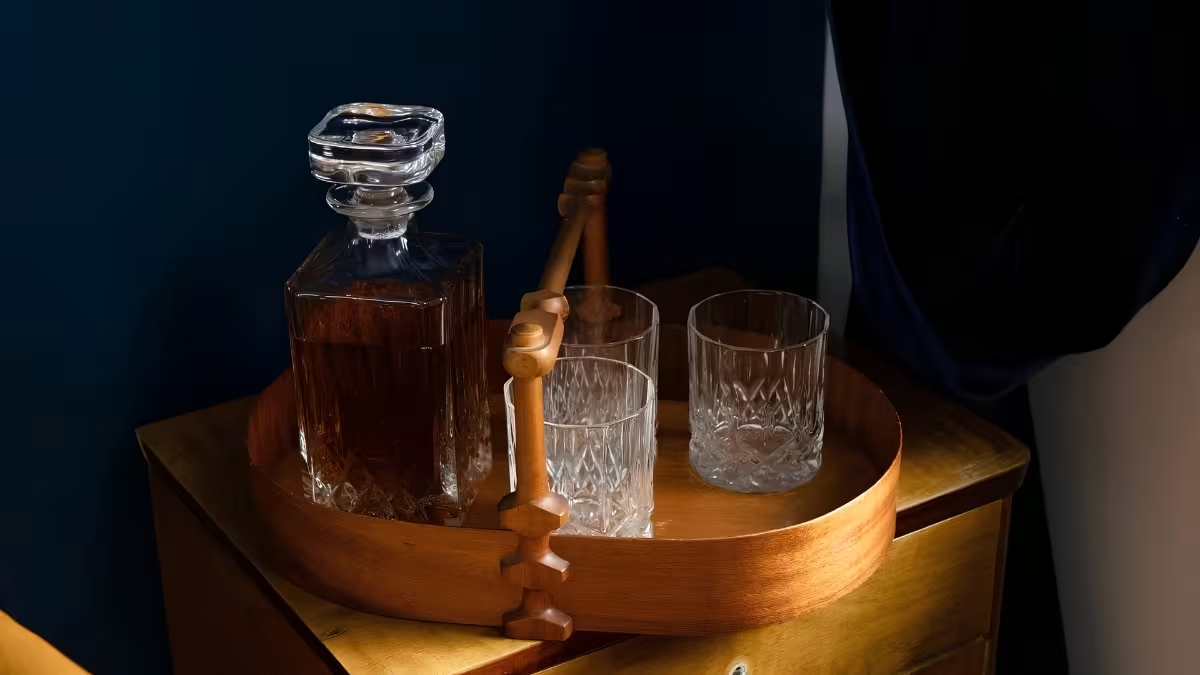
Protecting expensive liquor bottles from direct light exposure prevents "light-struck" flavours, evaporation, and label damage. While high-proof spirits are highly durable compared to wine or beer, prolonged exposure to UV light can affect the colour and flavour of some spirits over time, while heat generated by direct sunlight can also contribute to evaporation and changes in the spirit.
Premium spirits often get their rich, amber hues naturally from the oak casks they are aged in. Direct sunlight acts as a bleaching agent. If left in the light, a dark, vibrant whisky or rum may gradually fade into a dull, pale yellow.
For collectors, the external presentation is just as important as the liquid inside. Direct sunlight fades, cracks, and peels the paper labels, significantly reducing the bottle's aesthetic and monetary value.
Prepare Against Humidity
In tropical climes of Indian regions, long-term exposure to humidity or damp weather can be a common occurrence. Humidity is less likely to affect the spirit itself than it is the bottle, label, packaging and closure. This becomes particularly important for collectible or limited-edition bottles, where the condition of the presentation can contribute to their value.
Store premium bottles in a dry area with reasonable humidity levels, away from damp walls, moisture-prone spaces and areas with poor ventilation. If the bottle comes in a presentation box or has a paper label, take extra care to protect these from prolonged exposure to moisture, which can cause labels to peel, packaging to warp or mould to develop.
For collections stored in particularly humid climates, a well-ventilated cabinet or humidity-controlled storage space can help protect the bottle and its packaging over the long term.
Liquor Storage Ideas
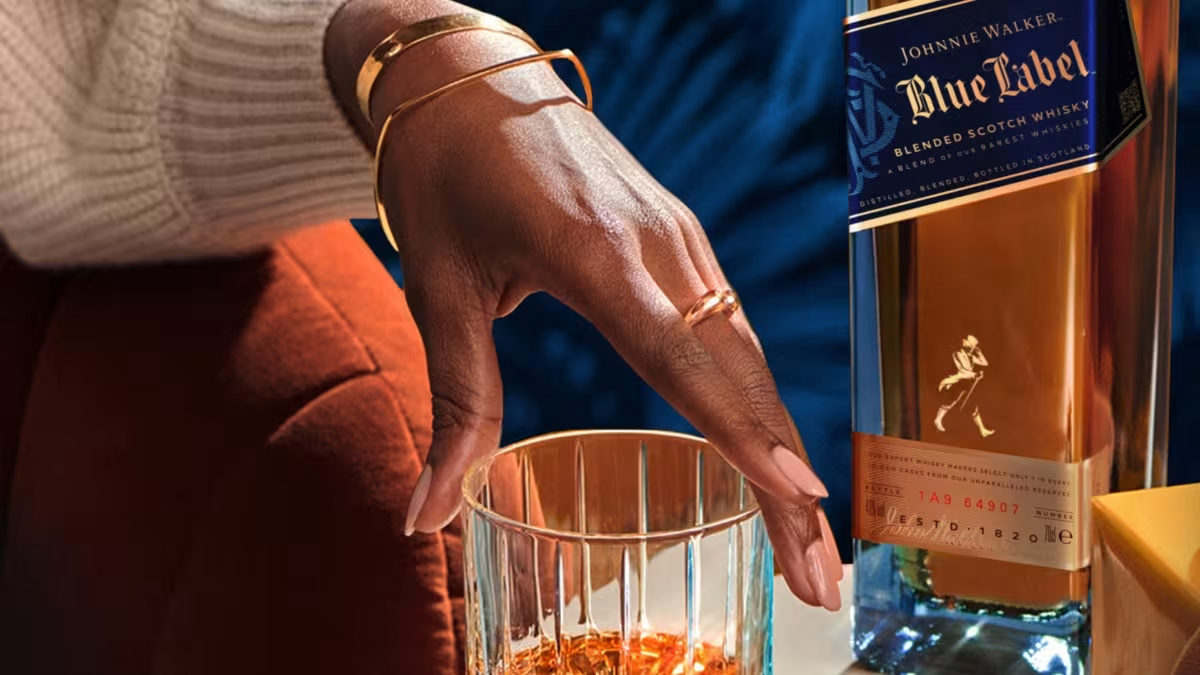
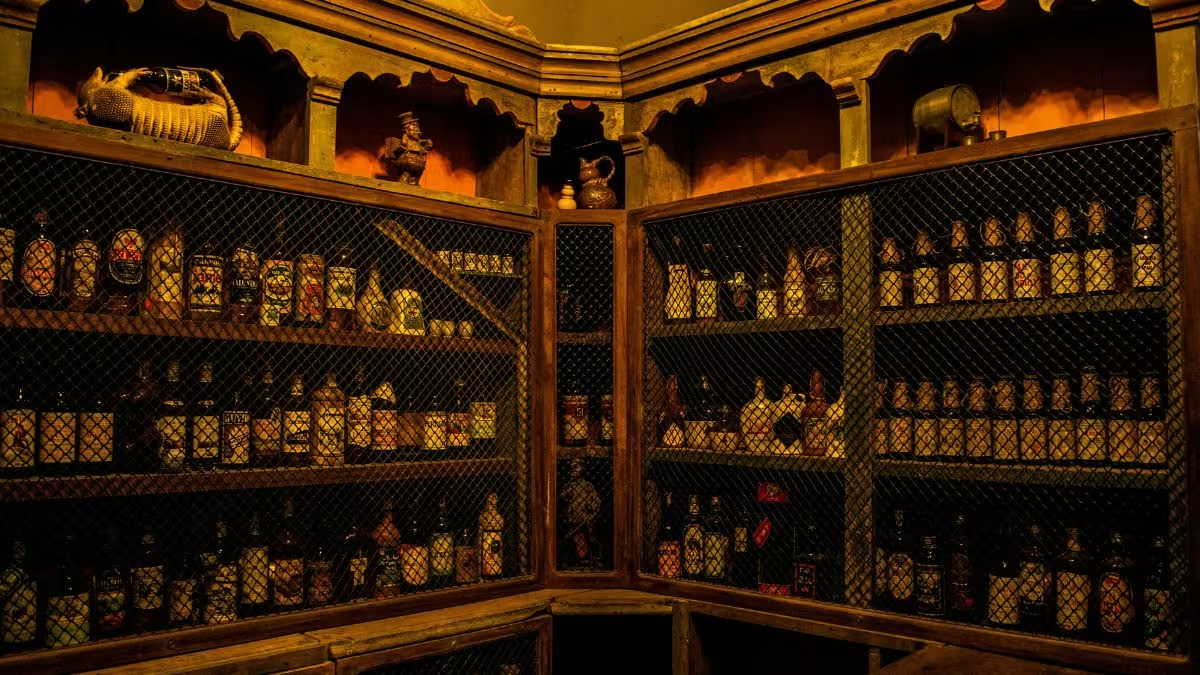
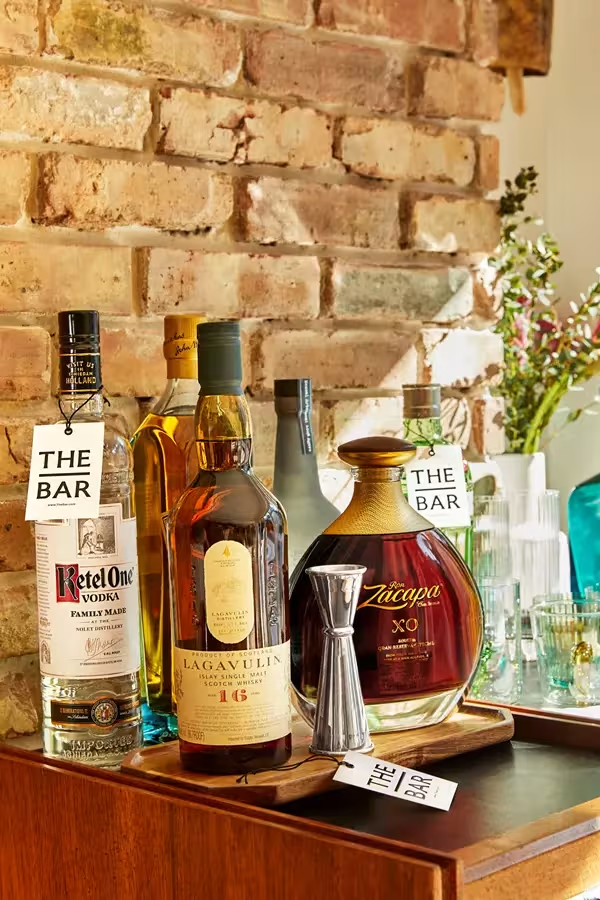
The best answer for how to store premium liquor is to think like a curator. Using sturdy wooden or metal shelving for the display and maintaining detailed records of purchase receipts, batch numbers, and bottling details adds curatorial value.
For a collection, a dark cabinet or cupboard is preferable to an open shelf exposed to sunlight. If you want to display the bottles, choose a location away from windows and strong direct lighting, or use a cabinet that offers protection from light.
Consider humidity balance and dim lighting, as well as the kind of contraptions used by professional bartenders, as some of the ways to display your collectable liquor aesthetically while ensuring its flavours stay just fine.
Conclusion
The value of a collectable is as much in the spirit, as it is in the packaging. These simple tips can impact premium alcohol storage, ensuring the bottle maintains its pristine condition, the spirit does not deteriorate after opening, and both flavour and visual identity are maintained. Whether you are building a home bar or buying a bottle for a special occasion, these tips will always come in handy.
*Drink Responsibly. This communication is for audiences above the age of 25.
FAQs:
Storing liquor bottles in a cool, dark cabinet or even a cellar-style glass cupboard can minimise the exposure of the spirit to direct light.
You May Also Like




Drink Responsibly. This communication is for audiences above the age of 25.
Aishwarya S

More from The Bar

Stay Inspired
Sign up to our newsletter for exclusive recipes, insider secrets and special offers - all delivered straight to your inbox.
