5 Flavoured Vodka Mistakes That Can Throw A Cocktail Off Balance
Introduction
Flavoured vodka can turn a familiar cocktail into something altogether more creative, but it comes with one tiny catch: the bottle has already brought a personality to the party. Treat it like plain vodka and the cocktail can become syrupy, muddled or strangely one-dimensional. From doubling down on matching flavours to forgetting dilution, these five common mistakes can quickly turn a promising home bar experiment into a glass that needs rescuing.
Brand references are indicative and can be changed as per preference.
Is Your Flavoured Vodka Cocktail Missing Something? Avoid These 5 Mistakes

The basic vodka allows room for the other components to stand out. Flavoured vodka can have its own taste profile, including lime peels, berries, vanilla, seasoning, or herbs. Flavoured beverages are best combined with ingredients that either complement or emphasise the existing taste of flavoured drinks.
The mistake is building the cocktail as though that flavour isn't there.
Citrus vodka, such as Smirnoff Orange, helps bring a bright citrus character.
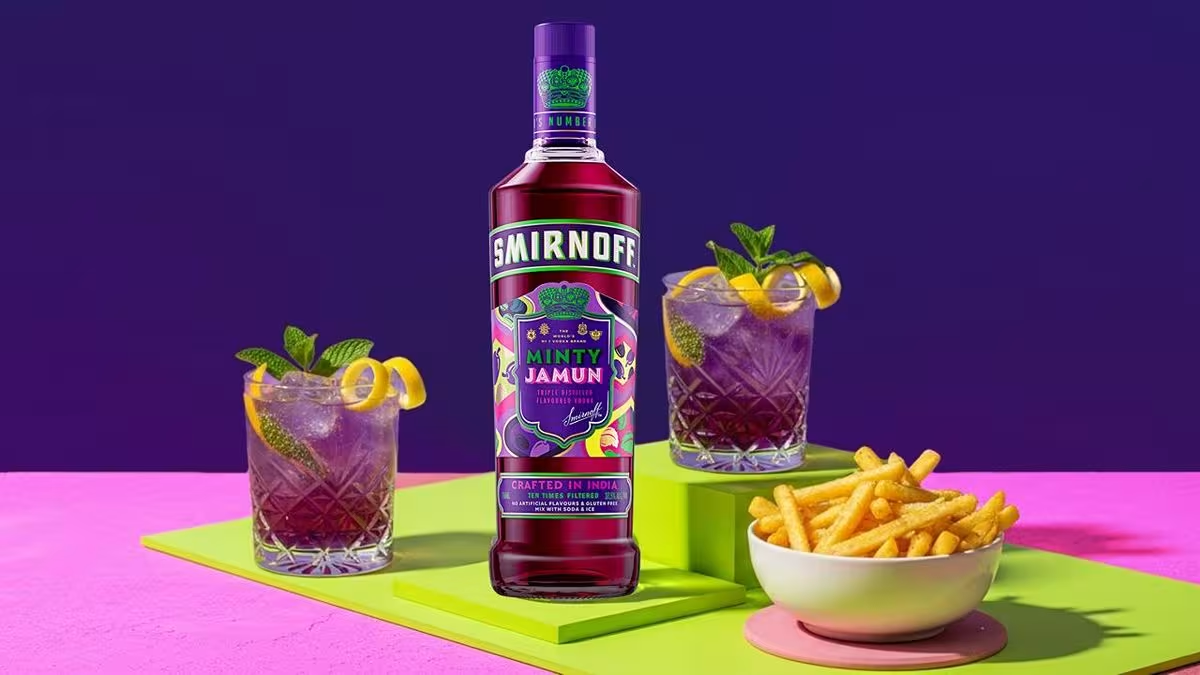
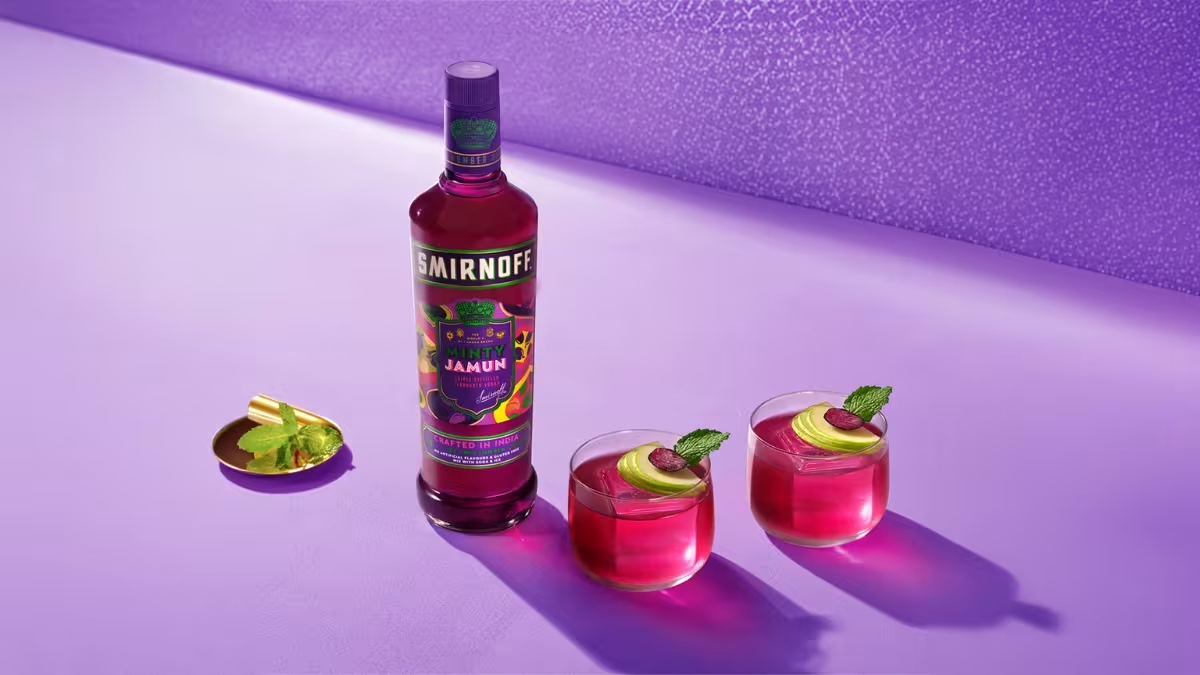
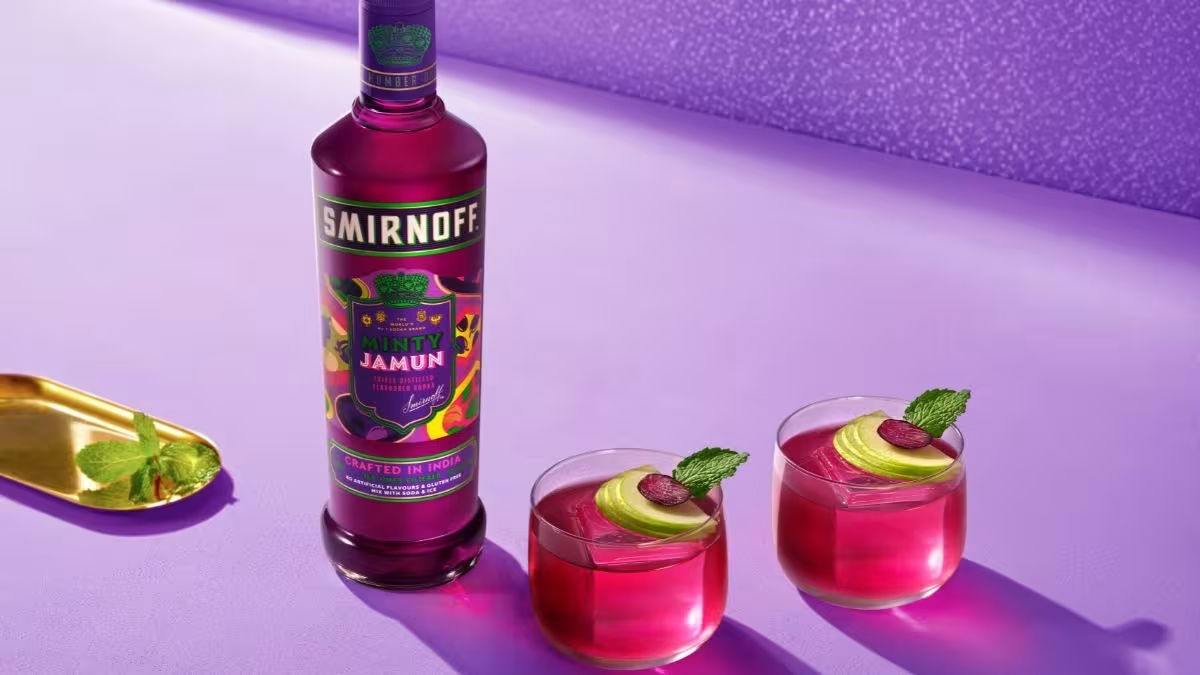
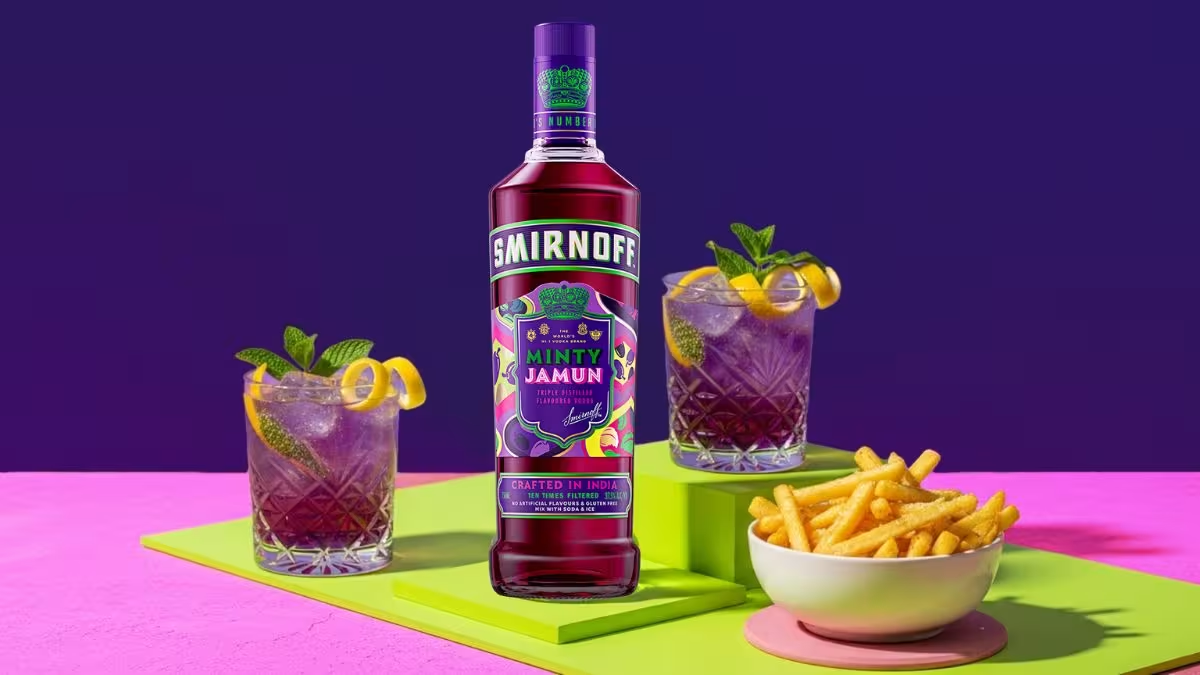
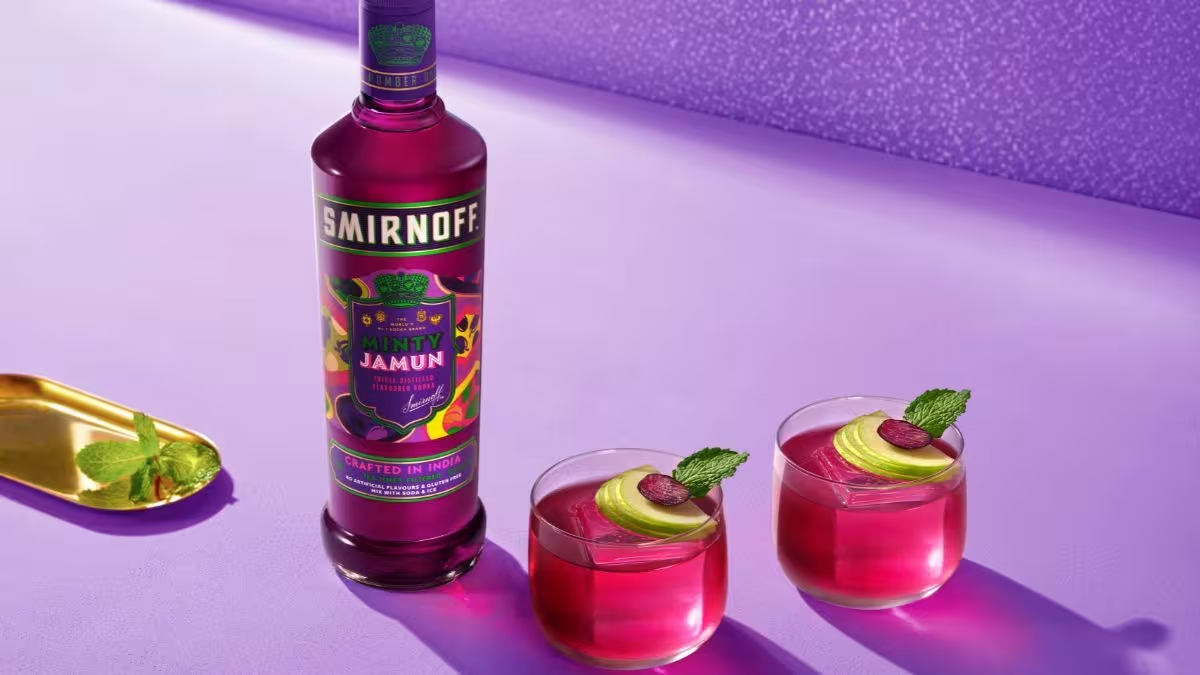
Berry vodka like Smirnoff Minty Jamun can contribute ripe, tart fruit notes.
Pepper or chilli expressions can introduce heat and savoury spice.
Think of the vodka as one of the cocktail's main flavours, rather than invisible alcohol.
If the vodka tastes of berries, it is tempting to put in berry juice, berry syrup, berry liqueur and berries on top. In a flash, the drink becomes a fruit bowl in a cocktail glass.
A flavoured vodka, like the Smirnoff Minty Jamun, usually needs one or two ingredients to support the main note, but not to endlessly repeat it. So a berry expression could be combined with cranberry in a Sea Breeze cocktail-type combination, the cranberry providing tart fruitiness rather than simply echoing the same flavour. Similarly, it is advised to choose ingredients that are good at bringing out the main flavour of a spirit.
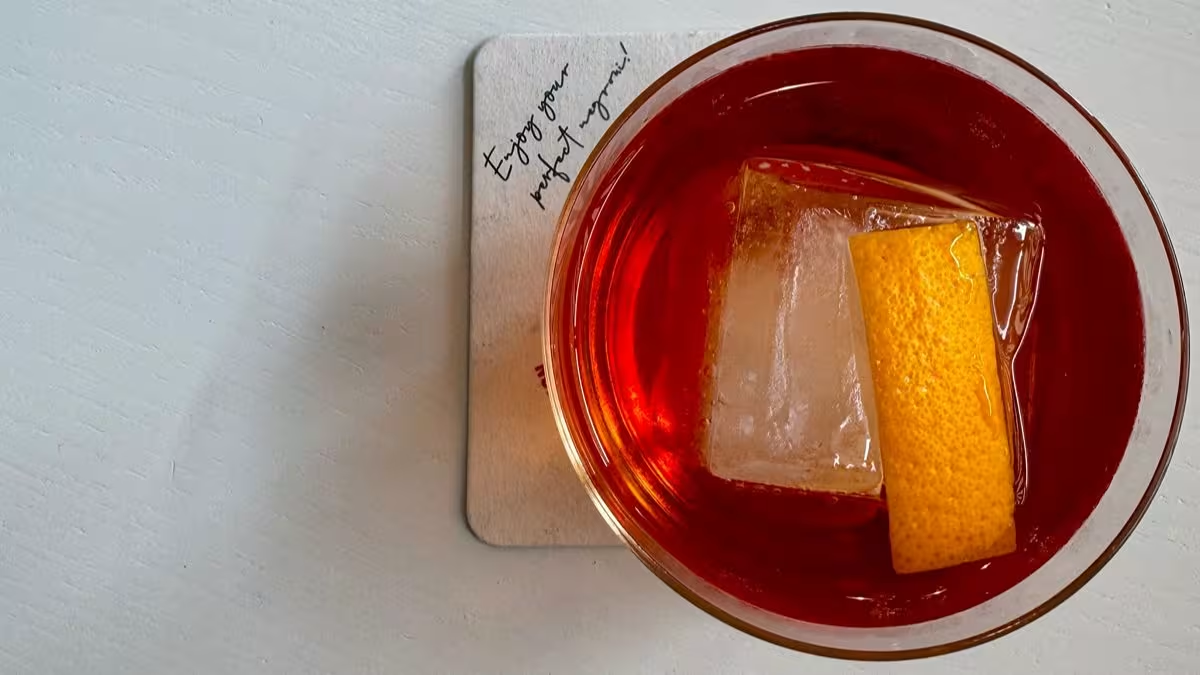
Sweetness and flavour are two different concepts, yet sometimes novice bartenders confuse them both. A sweet-flavoured vodka mixed with sweet soda, syrup, or a liqueur leaves no room for the contribution of acidity or bitterness.
One does not need to go any further than classic sour cocktails to realise the importance of flavours in cocktails. The Kamikaze cocktail balances its sweet orange liqueur with fresh lime, whereas the Cosmopolitan cocktail uses vodka with triple sec, lime, and cranberry.
In any case, when making drinks with sweeter flavours, it is essential to think about what provides an element of contrast in the drink — fresh citrus, a dry mixer or a bitter or savoury ingredient.
The combination of ingredients does not end a cocktail. The ice adds chill and water, changing the texture and assertiveness of the drink. This becomes especially important when a prominently flavoured vodka is used, as too little dilution will make its flavour seem disproportionately loud.
Shaking or stirring is not only for show. Contact with ice is right too, and this affects temperature and water content. The quality and mineral character of water can have an impact on vodka cocktails. The takeaway for home bartenders is simple: don’t skimp on the ice step. Give the cocktail enough time to get properly chilled and balanced.
A garnish should have a reason for being there. For example, a chilli garnish on spicy vodka underlines the spice contained in the drink, while a lemon twist on a drink prepared with Smirnoff Zest Lime gives off aromatic oils that are in sync with the profile of the beverage.
In contrast, introducing a garnish with flavours that are unrelated to the drink can create confusion. Tropical fruit skewers, mint bouquets and cinnamon sticks may be a great feast for the eye, but when served alongside a drink with flavours of sour citrus and cranberry, they tell a different story.
Always ensure that the garnish is relevant to the existing flavour in the cocktail.
A Better Way to Think About Flavoured Vodka
The simplest way to avoid these errors is to determine the most prominent flavour before adding anything else. Make sure you find out which taste is the most prominent and from there decide how the next ingredient should relate to it.
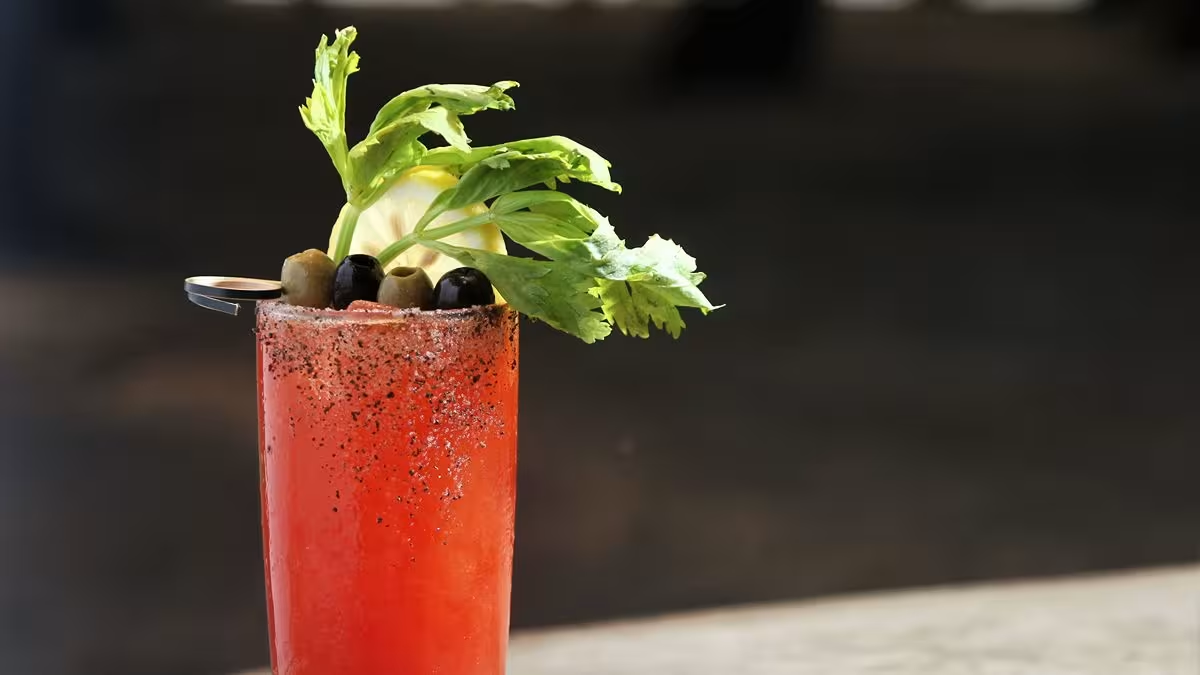
This method still leaves plenty of room for the use of familiar cocktails. For example, vodka with prominent citrus notes could be used for a Cosmopolitan cocktail, while spicy and savoury vodka would go well with such tomato and spice-based drinks as the Bloody Mary cocktail.
Conclusion
Flavoured vodka is easy to mix; all it needs is you to pay more attention to its contents. Let its primary flavour show itself and build contrasts rather than adding sugar; take into consideration the dilution and don't forget to use garnish wisely. The outcome can be an amazing drink without being messy at the same time.
*Drink Responsibly. This communication is for audiences above the age of 25.
FAQs:
Citrus, berries, herbs, ginger, cucumber and spices can be used for flavoured vodka cocktails, as long as the mixers offer contrasts instead of repeating the dominant flavour.
You May Also Like





Drink Responsibly. This communication is for audiences above the age of 25.
Yash Lakhan


More from The Bar




Stay Inspired
Sign up to our newsletter for exclusive recipes, insider secrets and special offers - all delivered straight to your inbox.
