How Indian Teas Are Becoming The New Ingredient Behind The Bar
Introduction
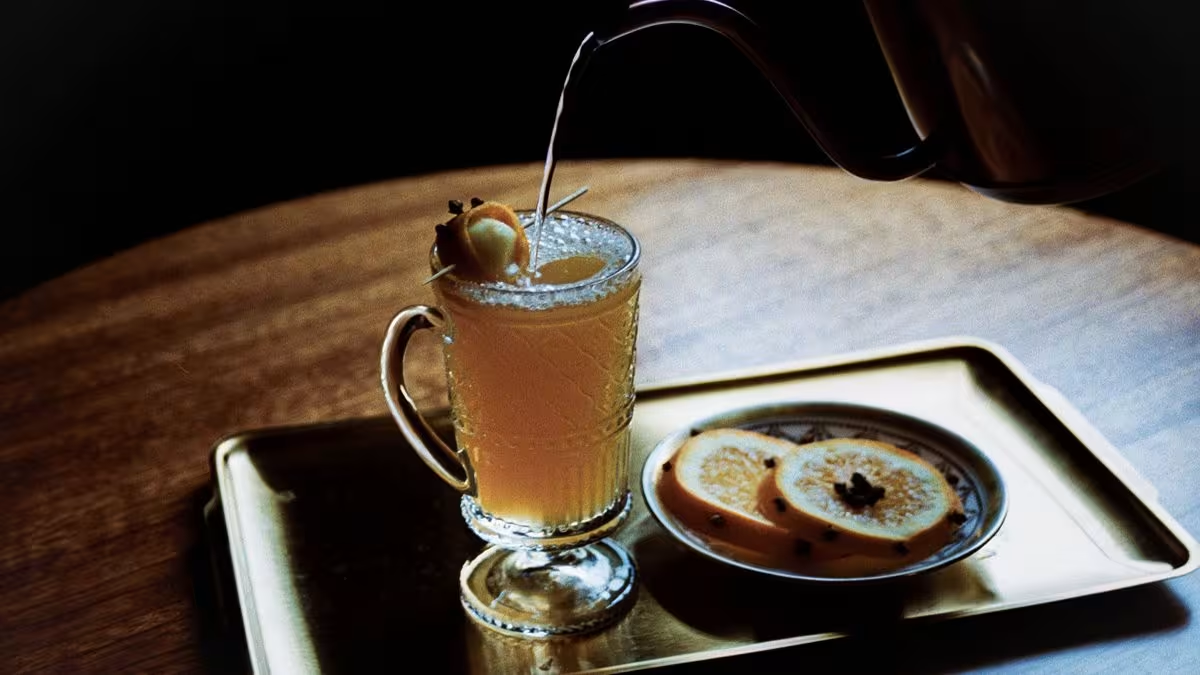
Indian teas are not just for the street-side stalls, morning breakfasts, and evening snacks. They are also proving useful in modern mixology, offering more than just brewed flavour. Available in multiple variants and forms, tea is not just a gimmick or an experiment; rather, it holds the potential to be used in different cocktail styles, from highballs to spirit-forward mixes.
Brand references are indicative and can be changed as per preference.
Why Tea Works In Cocktails
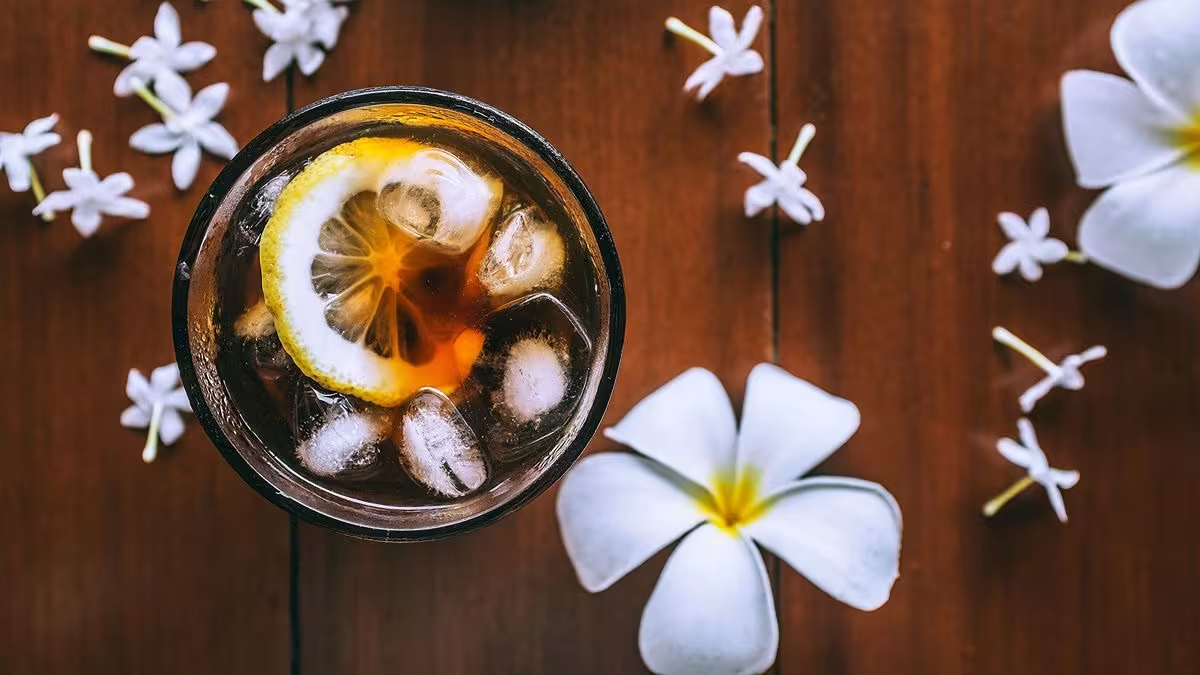
With the use of tea, barmen can create a plethora of flavour profiles all at the same time. The fragrance of the tea will complement the complexity of the spirit, while the tannins will lend the drink some astringency, balancing excessive sweet notes. The type of tea also makes a difference, and it has to be chosen according to the spirits and structure of the cocktails.
There is a wide variety of teas from different parts of India, and each offers its own characteristics to various types of cocktails. Darjeeling is a very delicate and floral tea, while Assam tea carries a more malt-flavoured profile. Nilgiri tea is associated with wonderful fragrances and a brisk taste.
How Indian Teas Can Be Used
The different forms of Indian tea that can come in handy in a bar are as follows:
Tea syrup: A concentrated brew combined with sugar adds both sweetness and tea aroma. It is commonly prepared by steeping tea in hot water with sugar before straining, rather than aggressively boiling the leaves. Darjeeling tea works particularly well here.
Spirit infusion: Steep tea in whisky, gin or another spirit to infuse the base directly with flavour.
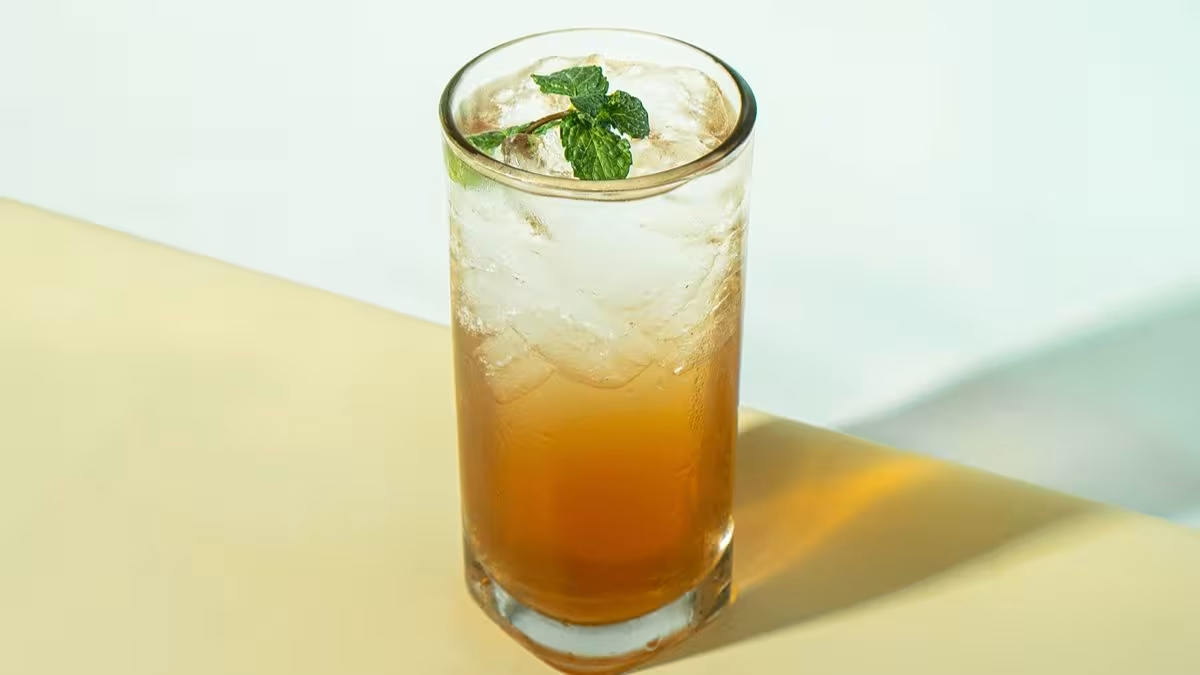
Chilled tea: Prominently brewed and chilled tea can be used as a mixer in a Highball cocktail, adding flavour as well as dilution.
Tea reduction: Concentrated tea can add a more prominent flavour to a Sour cocktail or other shaken cocktail.
Three Classic Cocktails That Work With Indian Tea
Here are three classic cocktail options that work flawlessly with Indian teas:
Darjeeling tea syrup is a perfect addition to a Whisky Sour cocktail. Due to its floral and fruity taste, it combines nicely with whisky's richness and lemon's sourness. The presence of the syrup makes the drink more aromatic, but it is necessary to use the correct quantity of syrup - too much syrup will lead to the drink being sweet like iced tea rather than being a proper Sour cocktail.
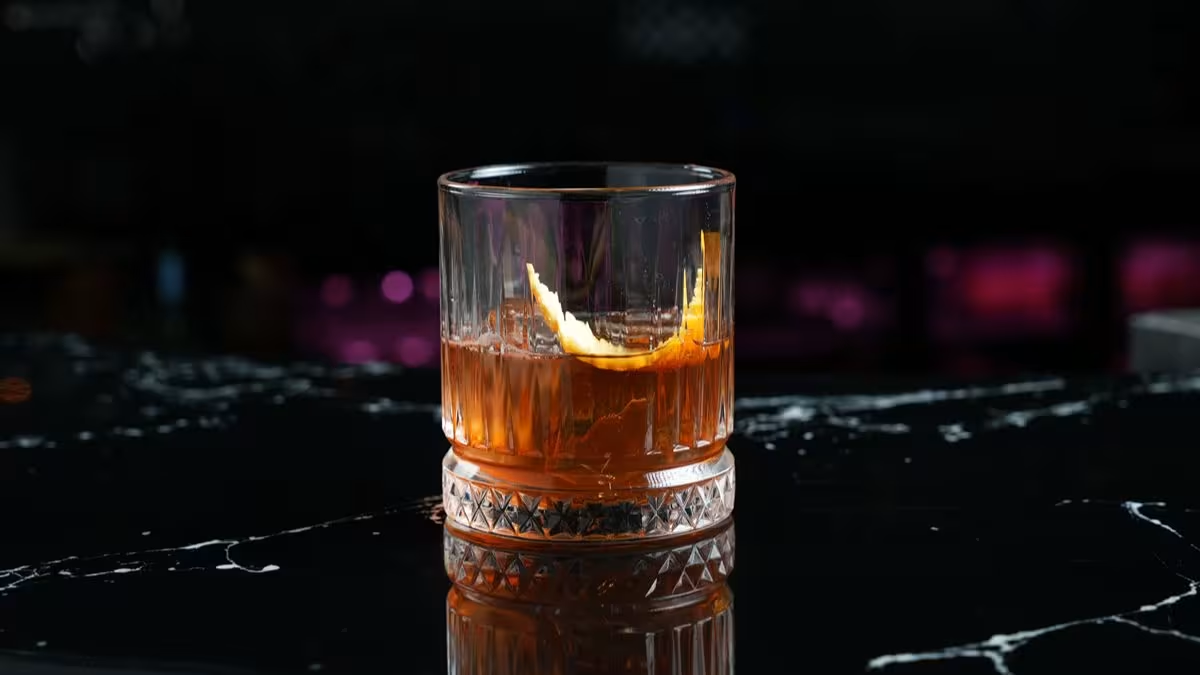
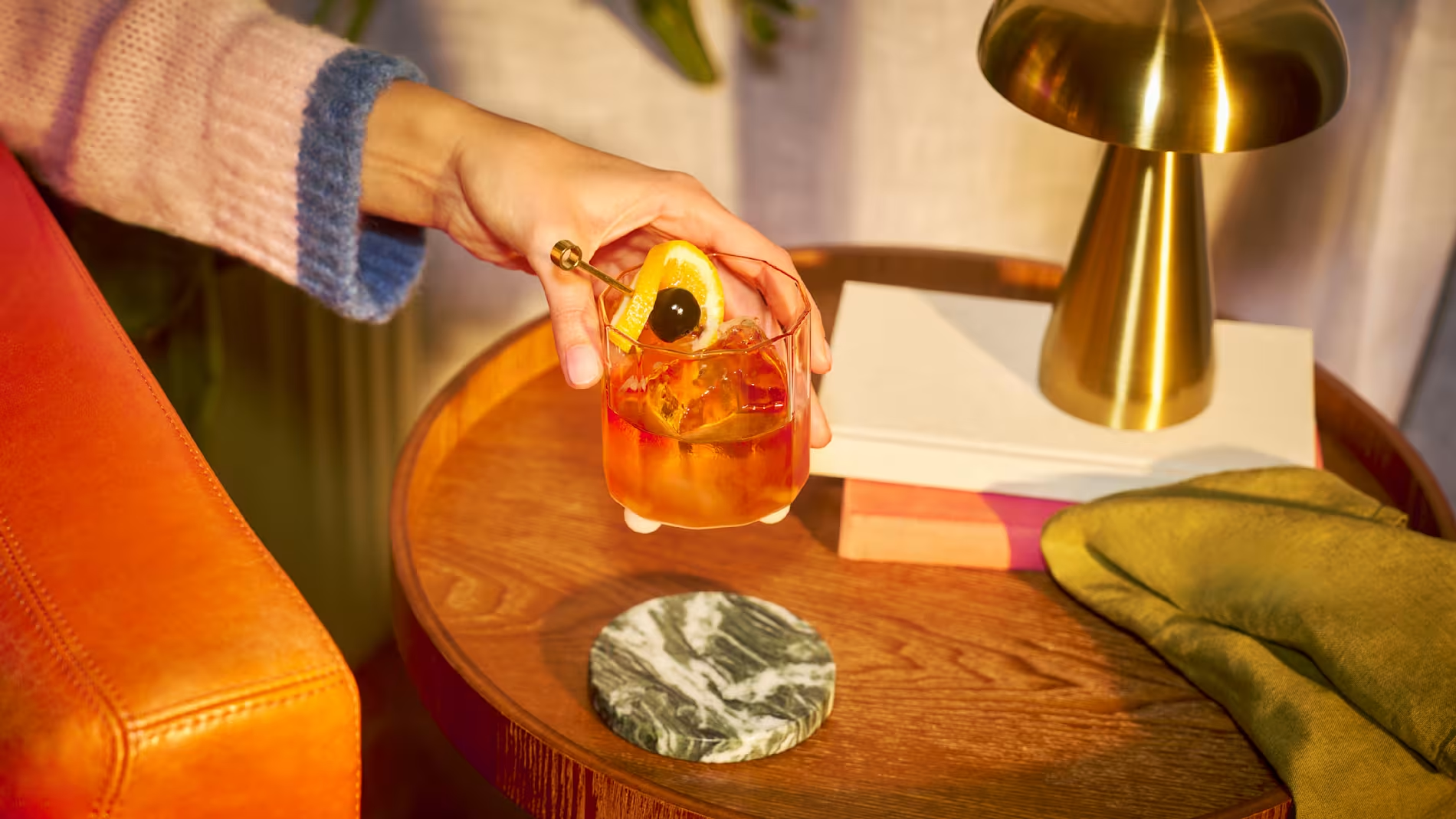
The malty, fuller character of Assam tea is perfect for an Old Fashioned cocktail. You can replace some of the usual sugar with an Assam tea syrup, which will also add a deeper flavour to the whisky like Johnnie Walker Black Label. The bitters add the necessary spice and bitterness, and the tea gives a touch of malt and dryness without making the cocktail a tea-forward drink.
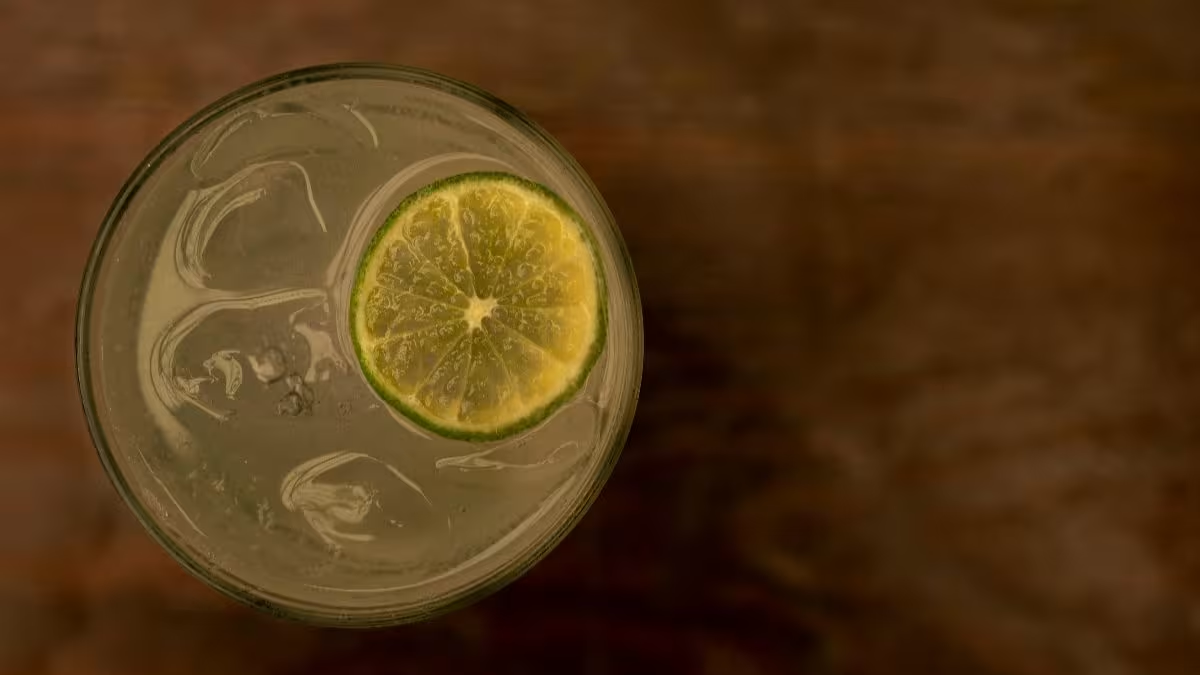
Nilgiri tea is an excellent addition to a Gin Highball cocktail because of its aroma and briskness. Nilgiri tea can replace some soda, thus enriching the drink. The only thing that needs to be done is to add some citrus element to the drink, while the character of gin would nicely match the aroma of Nilgiri tea.
Getting The Tea Extraction Right
Getting the extraction process of tea right is the most crucial aspect to consider. Excessive steeping can result in a bitter taste or dryness of tea, especially when black teas are involved. The process of making Darjeeling tea is more sensitive than brewing Assam tea. It’s also important to strain the tea leaves quickly once the desired taste is reached. In case of spirits being infused, shorter contact time helps to preserve aroma while avoiding bitterness.
Conclusion
Indian teas give you something fruit juices and syrups often can't: flavour and structure without automatically upping the sweetness factor. Aromas can alter the perception of a drink, while tannin can add a subtle drying quality. That makes them especially handy when a cocktail needs another layer but doesn’t need another sweet component.
*Drink Responsibly. This communication is for audiences above the age of 25.
FAQs:
Indian teas bring forth tannin, fragrance, colour and taste. Depending on the style of the cocktails, they can be used in the form of syrups, cold mixers, liquor infusions or reductions.
You May Also Like



Drink Responsibly. This communication is for audiences above the age of 25.
Yash Lakhan


More from The Bar


Stay Inspired
Sign up to our newsletter for exclusive recipes, insider secrets and special offers - all delivered straight to your inbox.
