Indian Drinks And The Cocktail Trends That Reshaped Indian Nightlife
Introduction
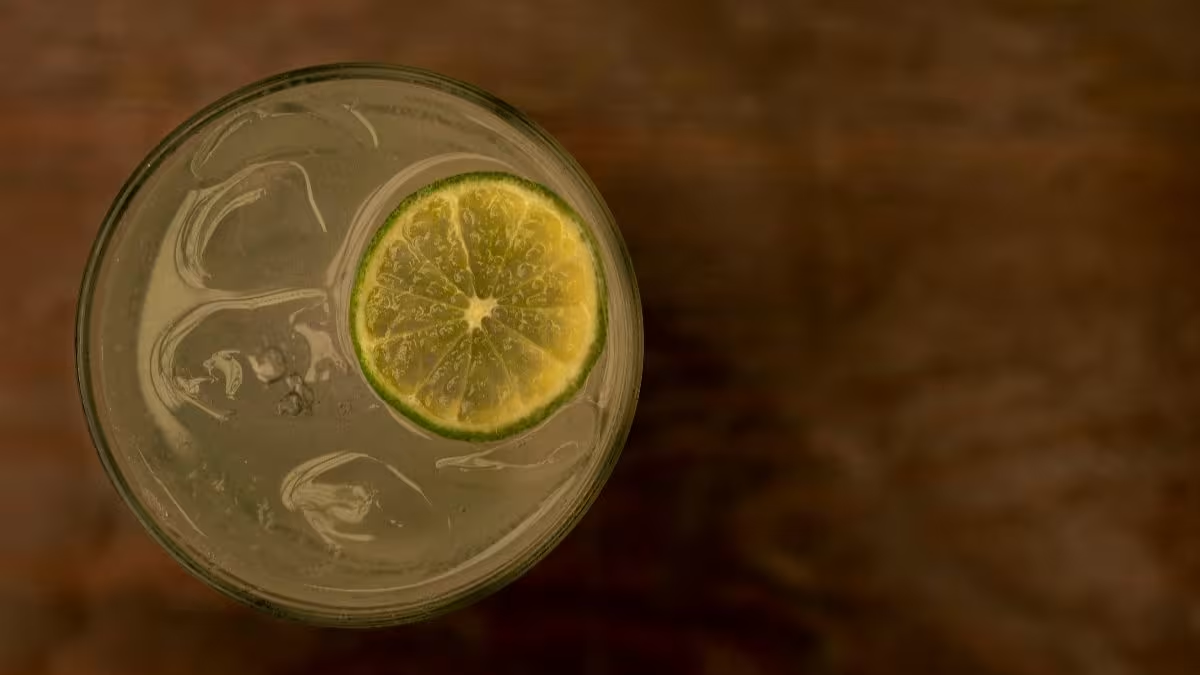
The evolution of drinking culture in India during 2010 prominently impacted the nightlife at the time. And it continues to shape the cocktail menus of 2026. From roadside nimbu soda counters to café-style drinks, the drinks (cocktails and mocktails) followed a template. The phase of “speakeasy” and “frosé” culture in 2016 also led to nostalgia-driven cocktails using Indian pantry staples with globally inspired cocktail recipes; thus creating a very localised flavour profile. In the last five years, there has been a general shift to sharper citrus, spice-led ingredients, botanical infusions, and experimental textures.
What made this shift particularly significant is that it did not come out of the luxury bars alone, but out of familiar everyday combinations which slowly made their way into mainstream spaces.
When Nimbu Soda Became A Cocktail Blueprint
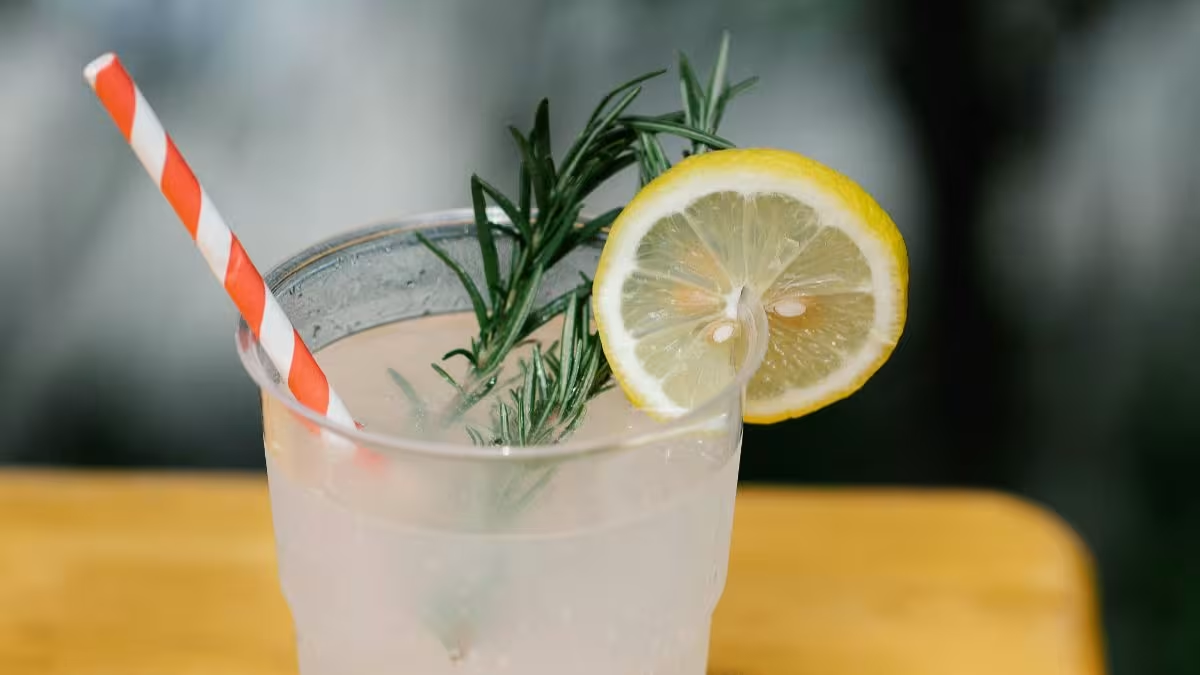
Before the advent of clarified cocktails and fat-washing at Indian bars, many urban drinks already had a foundation based on the flavours and ingredients of nimbu soda. Bartenders were using the combination of acidity from lime, saltiness from salt, sweetness from sugar, and carbonation from soda to create cocktails. In simple words, nimbu soda, a street-side staple mocktail in India, formed the basis for many cocktails in the 2010s.
Nimbu Soda, a classic drink, has continued to influence the types of cocktails being served at bars and made at home for years. Many bars have moved away from cocktails made with excessive amounts of sugar and have started to incorporate sharper citric flavours balanced out with mineral salinity and herbaceous finishes. Street food flavours such as roasted cumin, black salt, mint, and ginger are being featured in many cocktail menus because they are familiar to consumers. Once just a savoury addition, nimbu soda also paved the way for umami-based ingredients and preserved citrus fruit on cocktail menus, especially in 2026. The 2026 cocktail culture continues to evolve, putting greater emphasis on precise flavour constructs and bigger performance presentations.
When Speakeasies Changed Cocktail Menus
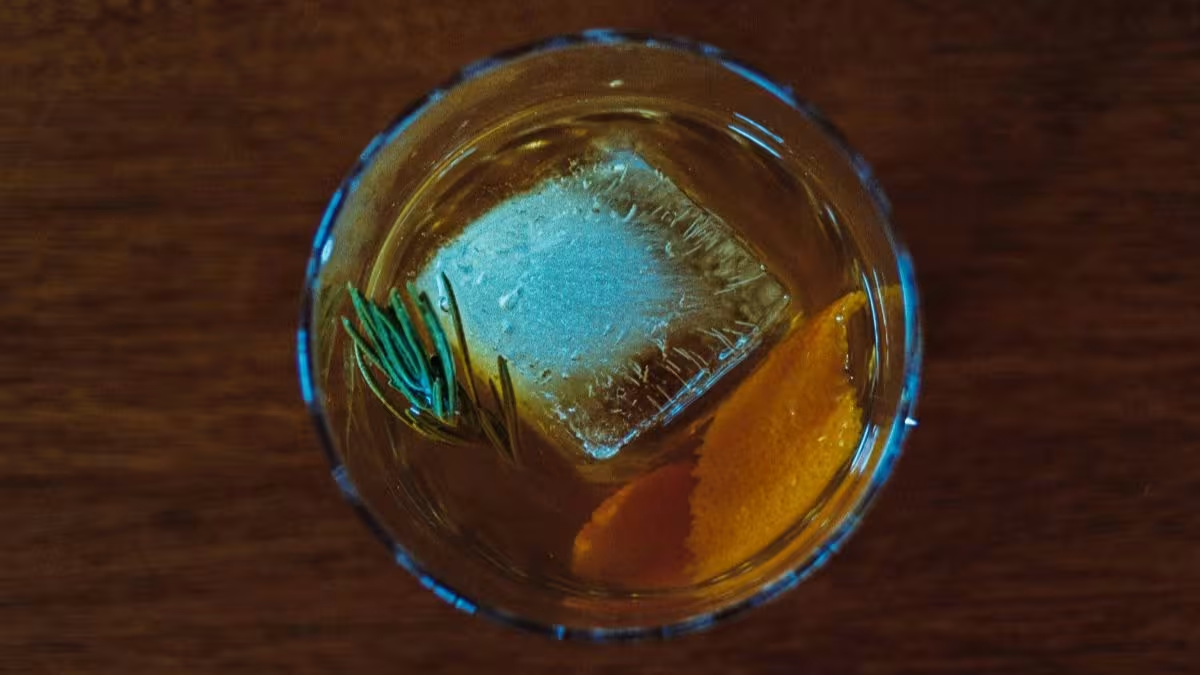
Hidden bars and reservation-only cocktail spaces changed the aesthetics of urban nightlife in 2015 and 2016. The speakeasy era was less about nostalgia and more about layered flavour profiles, dim interiors, smoked garnishes, and ingredient-led storytelling in a glass.
Here’s a look at the drinks that balanced texture and aroma:
Old-Fashioned cocktail with smoked cinnamon and clove bitters
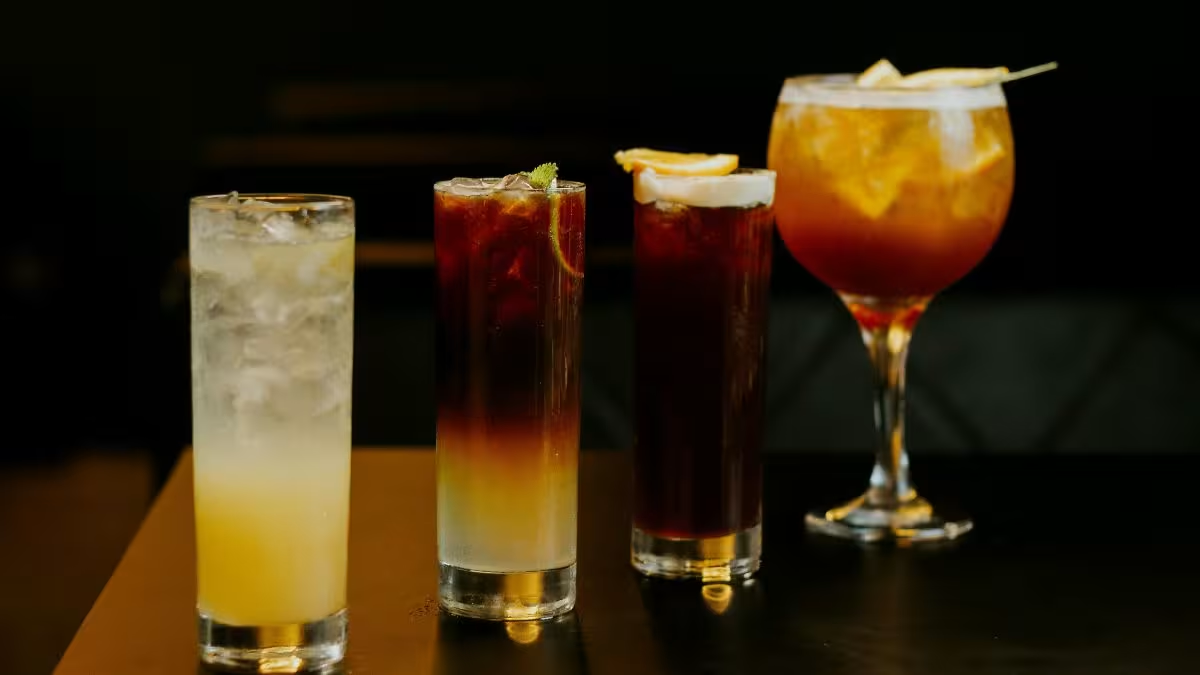
Curry leaf gin highball cocktails with tonic
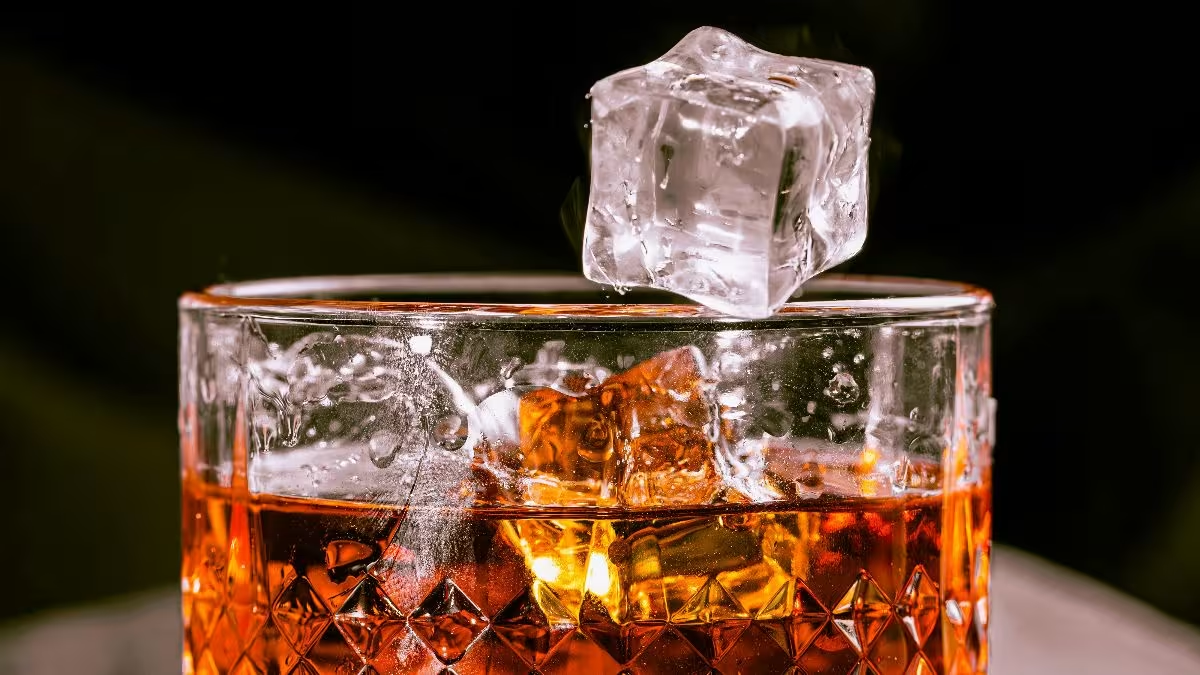
Tamarind whisky sour cocktails with jaggery undertones
Coffee-based cocktails using cold brew reductions
Frosé variations with berry acidity and frozen texture
Frozen cocktails, particularly Frosè, also became popular during this period. Frosé is a contracted form of frozen rosé. And yes, it’s made from mixing rosé wine, frozen to a slush, with vodka, lemon juice, and a fruit of your choice. Strawberries, mangoes, and watermelon were the most popular options at the time.
Originally, frozen cocktails were very sugar-centric. Frosé, on the other hand, was about sharper fruit acidity and lighter textures. The icy consistency also allowed bartenders to experiment with progressive layers of flavour, where notes of tart berry, floral undertones, or spice-led finishes emerged slowly as the drink melted. Frosé appeared on a few seasonal menus at urban bars in 2016, featuring local fruits and visually interesting frozen textures, rather than thick and syrupy mixes.
Though inspired by the wine slush trend around the world, Frosè was tweaked in India with the addition of kokum, jamun, watermelon, hibiscus, and even pink guava.
The First Craft Beer Movement And Urban Drinking Culture
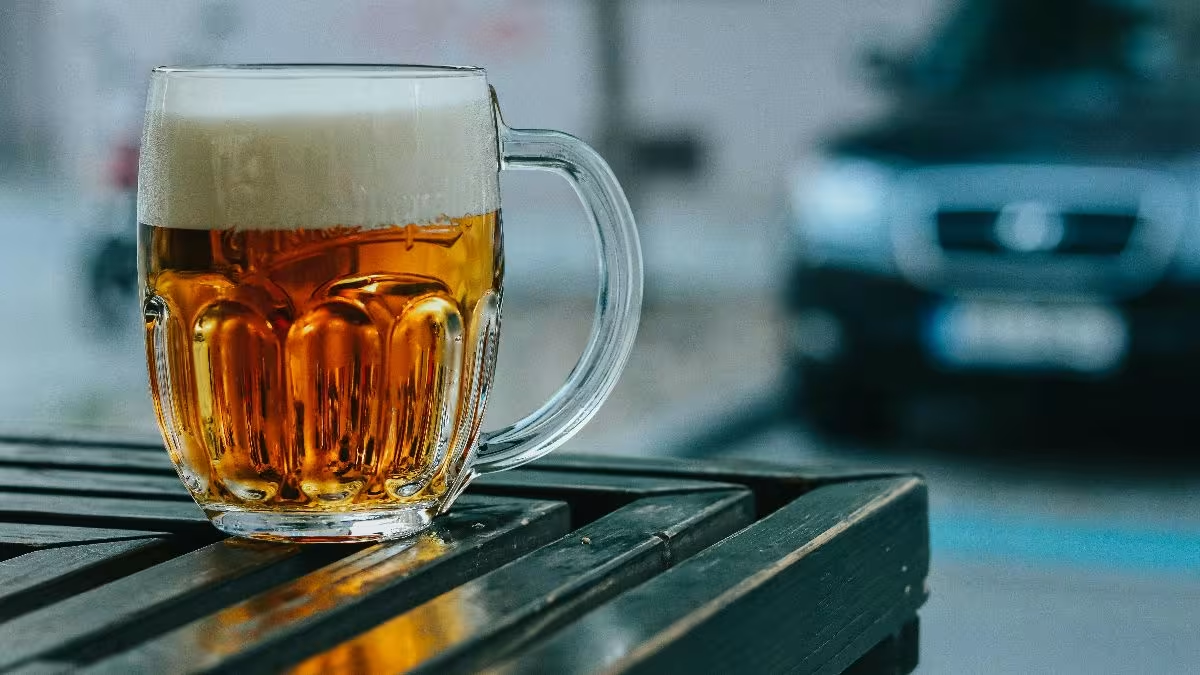
Craft beer has drastically changed the Indian nightlife, shifting how people consume beer in urban areas. Urban beer consumption had focused on light lagers with little to no experimentation regionally before the development of taproom culture. The introduction of pubs in places like Gurugram, Pune, and Bengaluru completely transformed that landscape.
Craft beer introduced:
Wheat beers with coriander and orange-peel notes
Coffee stouts carrying roasted bitterness
Belgian-style ales with clove and banana esters
IPA variations with grapefruit-like hop bitterness
Seasonal mango or kokum-infused brews
As a result of the growth of craft beer, drinkers became more knowledgeable about texture and finish, as words such as "malty backbone", "dry finish", and "citrus-forward bitterness" became a part of the nightlife dialogue. Beer began being perceived as more than a one-note beverage; it was now an entire category with layers of flavour.
In 2026, cocktail bars continue to explore those early styles of craft beer through beer cocktails made with fermented fruit, citrus foam, and spiced infusions.
Why Local Ingredients Took Over Cocktail Menus
One massive change in nightlife over the last 10 years has been the shift towards sourcing regional ingredients. Bar programs that were previously focused on using international ingredient blends and prepared fruit purées in cocktails have made a dramatic shift toward local Indian-sourced ingredients, such as kokum, gondhoraj lime, curry leaves, pandan-like herbs, jaggery, and regional spices.
There are two primary reasons why ingredients have gone from global to local.
The first reason is that traditional Indian ingredients naturally possess more aromatic structures, making them a better fit for cocktails than their Western-based counterparts.
The second reason is that today's consumers have shifted their ideas about sophistication, moving away from associating premium prices with imported goods and instead towards associating premium with local ingredients.
Some defining combinations included:
Whisky with jaggery and black cardamom
Gin with curry leaves and green chilli
Vodka with kokum reductions
Tequila with tamarind and pink salt
Rum with cold brew coffee and cacao nibs
How 2026 Is Reinventing The 2016 Bar Era
Currently, modern interpretations of classic Indian drinks have taken on a cleaner, more restrained, and more technically sophisticated appearance and structure than they did during the 2020s. Bartenders have moved away from the use of overly embellished garnishes and overly sweet cocktails and are instead focused on achieving clarity and structure in their cocktails. Many bars are also revisiting cocktail menus from the 2016 nightlife shift, tapping into a mix of nostalgia and creativity.
Current trends revisiting the old era include:
Clarified nimbu soda highball cocktails
Savoury frosé with watermelon and pink pepper
Nitro-infused cold brew cocktails
Miniature beers paired with tasting menus
Fermented fruit ingredients replacing artificial syrups
Carbonation has also become increasingly significant for bartenders. For example, bartenders are using soda siphons, sparkling ferments, and savoury mixers. The speakeasy aesthetic has also returned; however, the decor is simpler, and the drinks tell a story of the ingredients, rather than a theatrical presentation.
Conclusion
The decade between 2010 and 2020 changed the Indian nightlife scene from classic cocktails and simple mixed drinks to flavourful, locally sourced, and experimental concoctions. Nimbu soda had a major impact, inspiring balanced, savoury cocktails in India. Craft beers broadened profiles, and speakeasy-style bars exhibited a new way of serving drinks with layers by offering aromas and textures. In 2026, many of these same trends will also have more precise techniques, less emphasis on sweetness, and much greater use of regional flavours, thereby shaping modern-day Indian drink culture.
*Drink Responsibly. This communication is for audiences above the age of 25.
FAQs:
Nimbu soda provided a distinct cocktail base through its combination of salt, citrus, sweetness and fizz. Many of today’s highball cocktails draw from the flavour notes of nimbu soda.
You May Also Like


Drink Responsibly. This communication is for audiences above the age of 25.
Yash Lakhan


More from The Bar

Stay Inspired
Sign up to our newsletter for exclusive recipes, insider secrets and special offers - all delivered straight to your inbox.
