Freezer Martini Cocktail: The Bartender’s Secret To Getting The Temperature Right, Every Time
Introduction
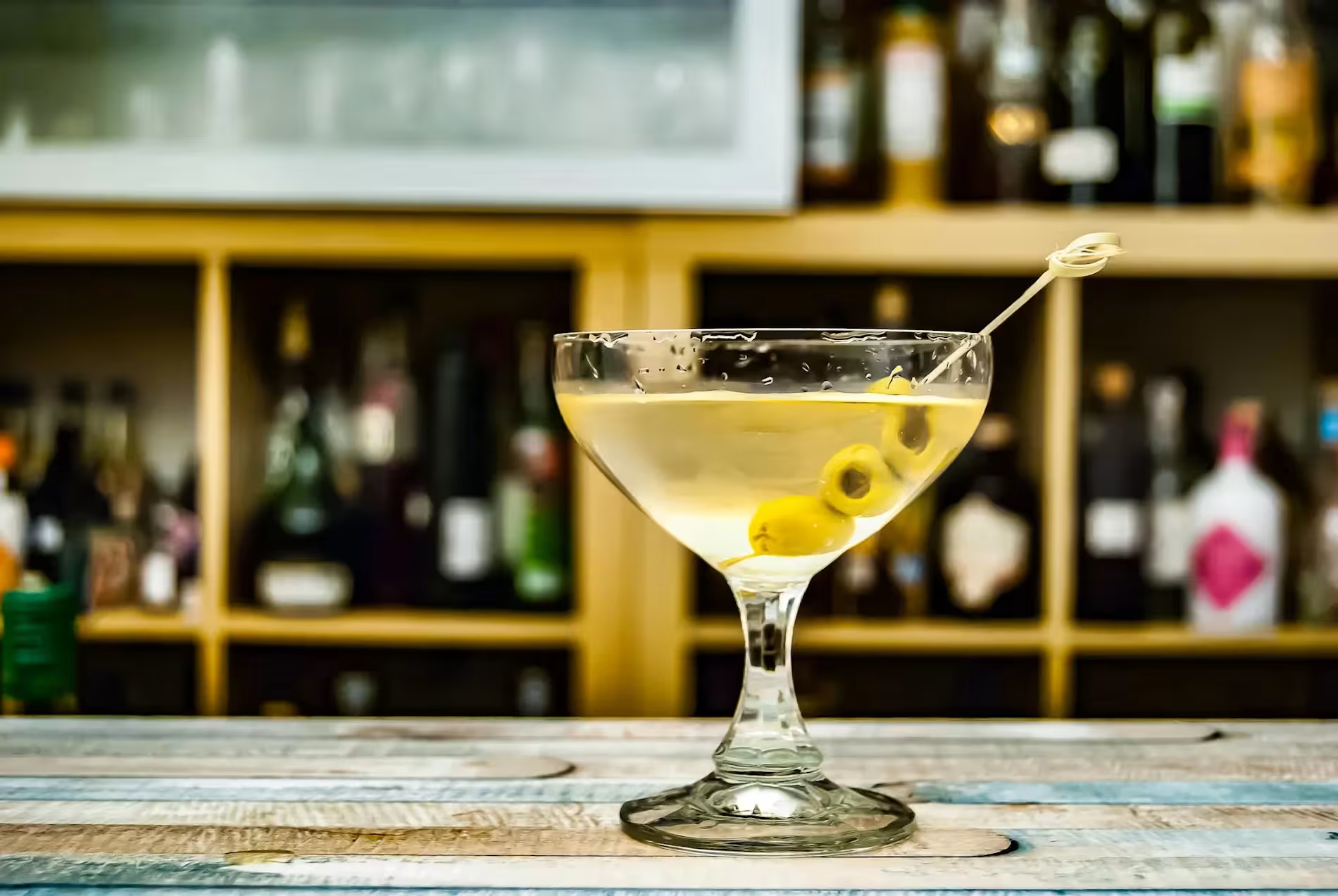
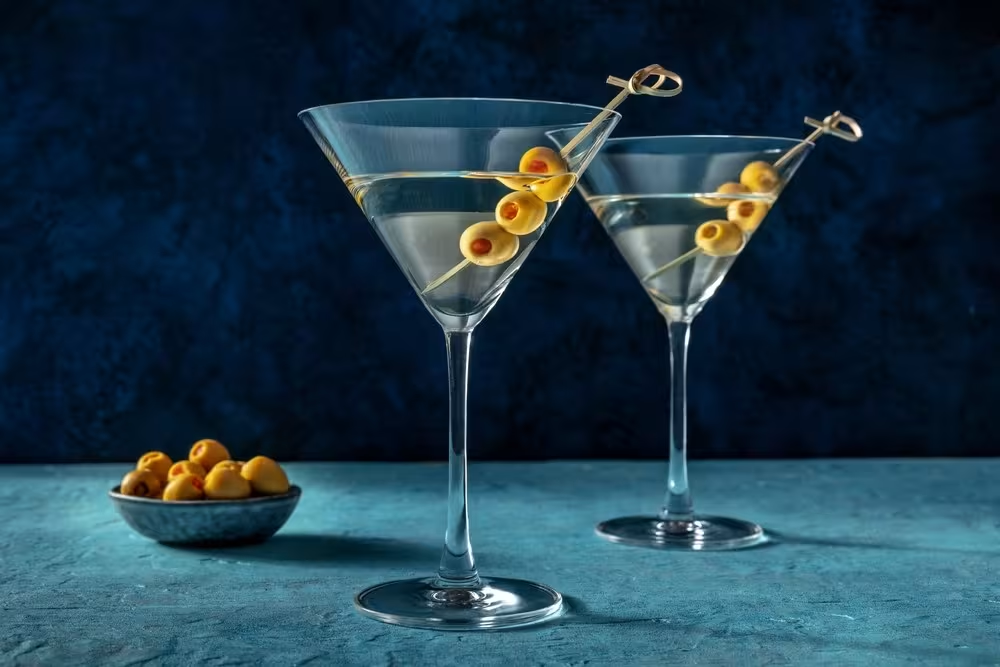
Picture this. It’s a crowded bar on a Friday night. The bartenders are giving the stink eye to anyone asking for a mojito because everyone knows it’s not the drink you order on a busy night. You are scared your order, a crisp, dry martini cocktail, might arrive watered down and warmed up. And then the classic V-shaped glass arrives. Glistening, chilled, garnished with olives—exactly how the cocktail should be served.
The bartender isn’t a magician, but there is a trick to getting the cocktail’s temperature right, every time. Read ahead to discover this bartender’s secret (and how to replicate it at home).
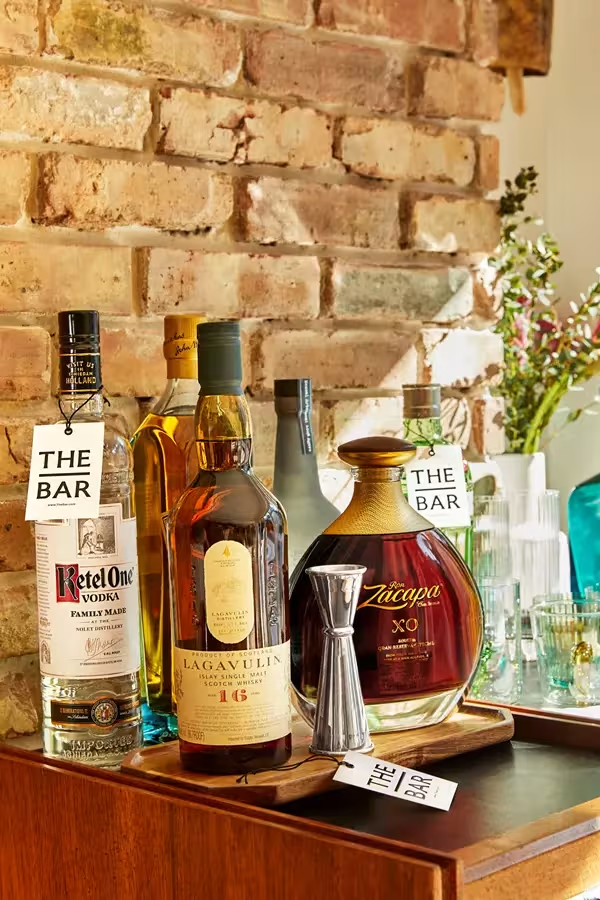
Brand references are indicative and can be changed as per preference.
What’s The Freezer Martini Cocktail
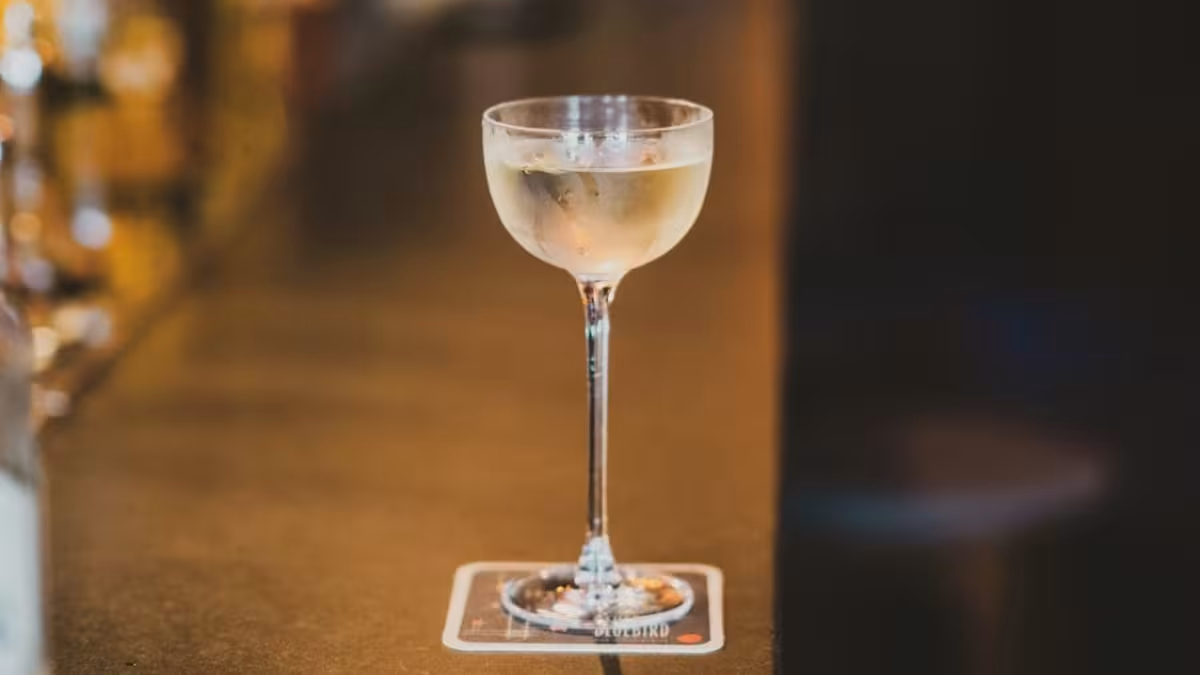
First things first, what exactly is a freezer martini cocktail? It’s, to put it simply, a pre-batched, chilled version of the classic drink. The drink is frozen till it reaches a sub-zero temperature at which it can be poured and served.
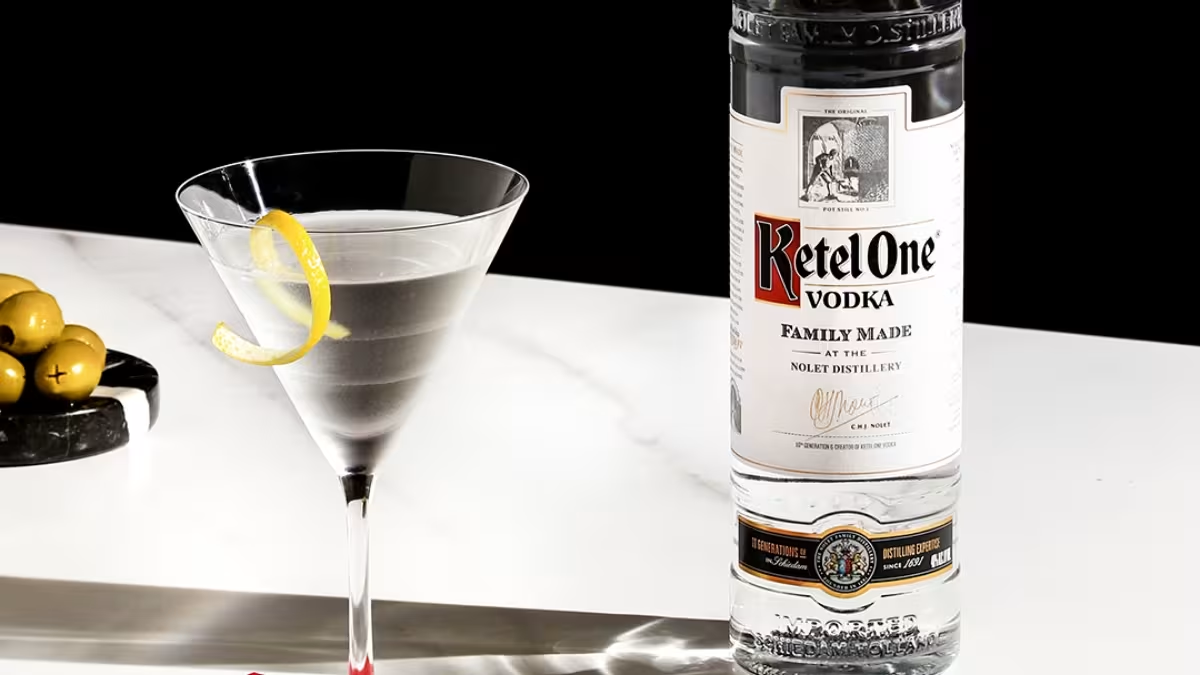
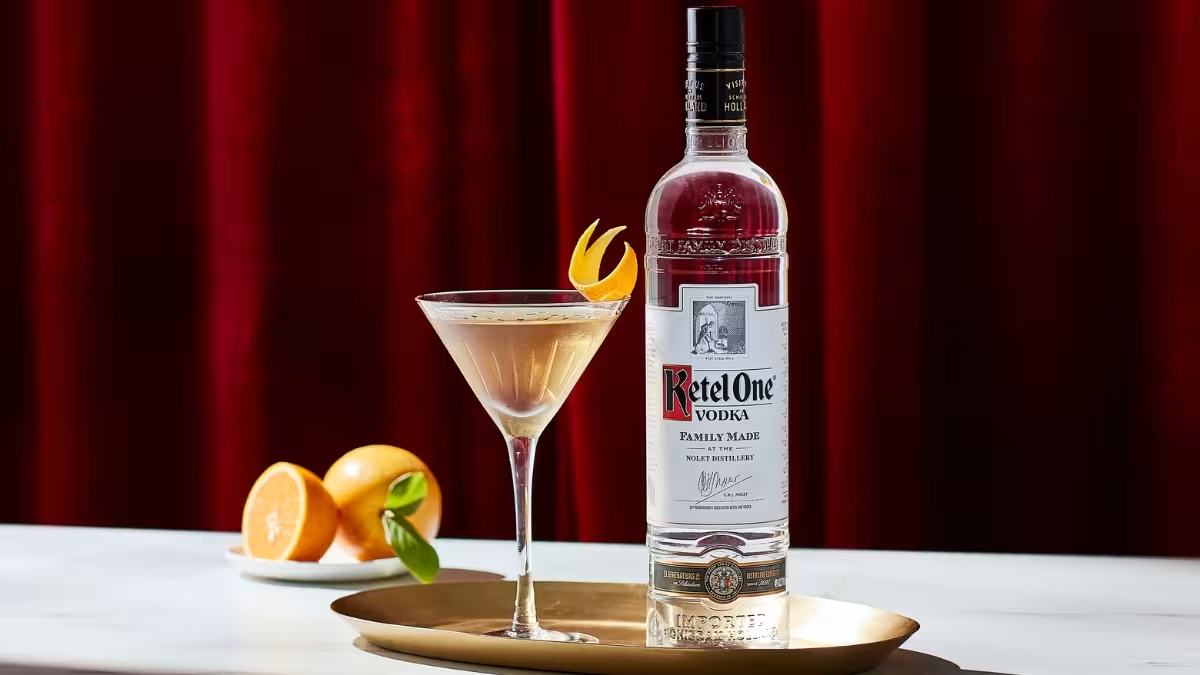
Essentially, instead of mixing a drink on demand with ice, you combine the gin, like a Tanqueray No. Ten or vodka, like a Ketel One, vermouth, and filtered water (to mimic the dilution from ice) in a bottle and chill it for hours. Because the alcohol content is high, the liquid does not freeze solid. Bartenders employ different ratios and freezing times to achieve this result.
Virender Singh, Head Mixologist at Red, Delhi, shared that, “For a classic, spirit-forward martini cocktail, I generally like to work around 60 ml gin to 10–15 ml dry vermouth, depending on the style, with approximately 15–20% water dilution to replicate the dilution I’d normally achieve by stirring with ice. I pre-batch the drink, mix it thoroughly and transfer it into a freezer-safe bottle. I like to chill it for at least 4–6 hours, although leaving it overnight gives you an even more consistent result.”
Saurabh Das, Head Mixologist & Bar Manager at The Powder Room, Mumbai, uses a slightly different ratio, stressing that exact measurements can change with ingredients.
“The ratio I prefer is 5:1 (Gin to Dry vermouth), with approximately 15 to 20% dilution. In a batch, I mix everything and store it in the freezer for 12 hours. I prefer it to be served straight from the freezer into a properly chilled Nick & Noraglass, with the garnish added at the end. It is not simply following a fixed ratio or chilling time. Every gin, vermouth and freezing temperature behaves differently. The goal is a martini cocktail that is very cold, integrated and viscous, but still expressive.”
The Secret Is In The Freezer
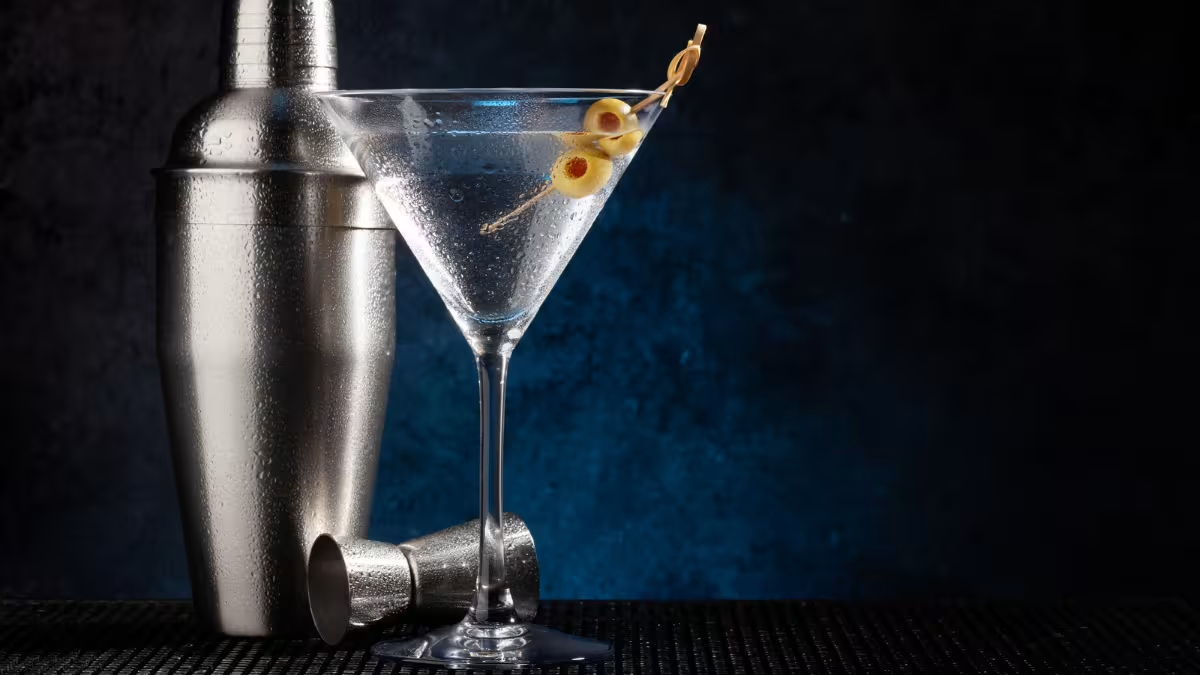
Naturally, the freezing time and ratios impact the outcome, but the magic is happening inside the freezer.
As Das explains, “the freezer gives you something very difficult to achieve consistently with a martini cocktail (extreme cold without excessive dilution). By pre-batching the martini cocktail and chilling it for an extended period, the spirit, vermouth and dilution have time to integrate completely. Unlike stirring the drink over ice, where dilution and temperature are being created simultaneously, a freezer martini cocktail allows you to control both separately.”
Jishnu AJ, Creative Director at 8ish, Mumbai, adds that “the idea behind it is simple: keep the drink at the ideal temperature while ensuring consistency every time. Pre-batching and chilling help us lock in that temperature and dilution before the drink ever reaches the glass.”
To put it simply, the freezer gives bartenders and mixologists control over the drink. During a busy service, that control can determine the quality of service. Singh elaborates on this, stating that “instead of chilling and diluting every martini cocktail individually, we’re controlling those variables beforehand and we get an extremely cold, clean and silky drink, with much faster and more consistent service.”
However, he is clear that not every martini cocktail variation works in this format.
“Not every martini cocktail is suited to the freezer. Drinks containing fresh citrus, fresh juices or very delicate ingredients that oxidise quickly are generally better made to order. The freezer format works best when the recipe has been specifically designed around pre- batching, controlled dilution and a very low serving temperature. Our Salmon Martini cocktail is a great example. Gin provides the botanical backbone, smoked salmon brings savoury and smoky depth, elderflower adds a subtle floral sweetness, dill brings freshness, and orange lifts the drink with citrus and aroma. When it’s served straight from the freezer, those different flavours come together in a very clean and precise way.”
Is Freezer Martini Cocktail Authentic?
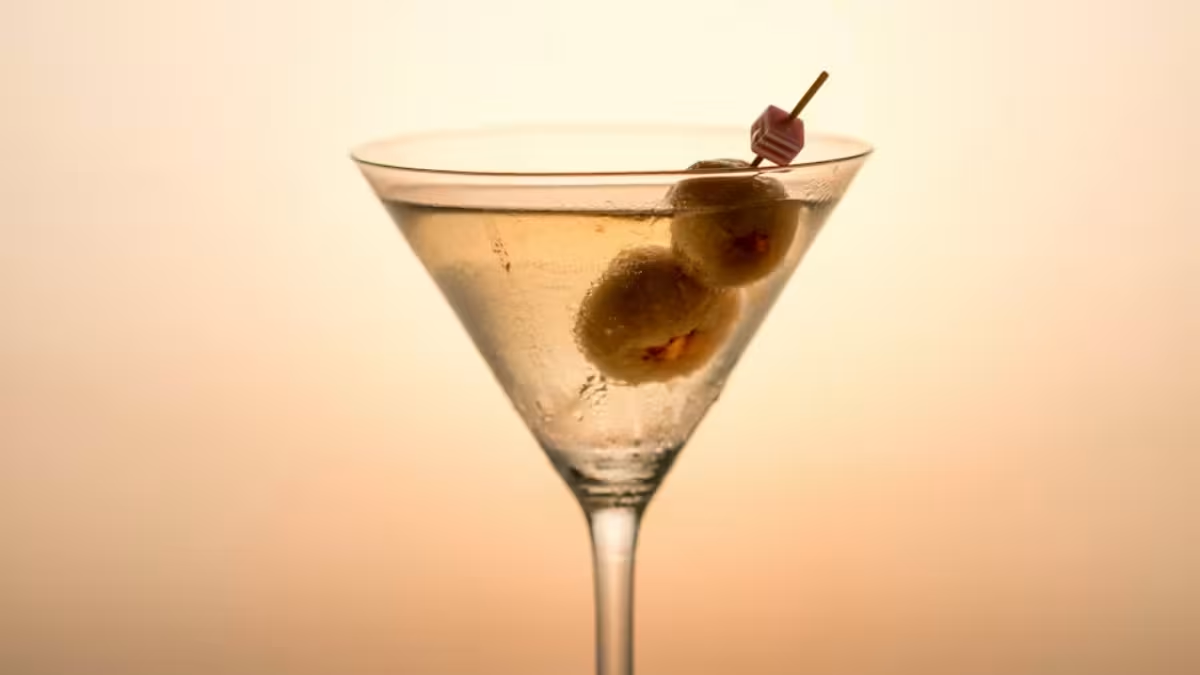
The experts agree that there is a noticeable difference between a frozen and stirred martini cocktail. Both Singh and Das share that a freezer martini cocktail tends to feel rounder, silkier and more integrated. Though Jishnu AJ believes “a perfectly chilled martini cocktail can also be achieved through stirring”, he also agrees that freezing makes it easier for the bartenders to keep the drink consistent every time.
But it’s not a shortcut or compromise. All three experts agree that a freezer martini cocktail is just as authentic as the classic. As per Singh, it’s the technique that’s changed, not the drink.
“For me, authenticity comes from the intention and balance of the drink, not simply from the technique that is used to chill it. A stirred martini cocktail and a freezer martini cocktail are two different approaches to achieving the same goal: a cold, balanced and well-diluted drink. If the ratio, dilution, temperature and ingredients are properly considered, the freezer version can be every bit as precise. In a professional bar, pre-batching is also about consistency and hospitality. We are removing variables from service without removing the craft. So I see the freezer less as a shortcut and more as another tool in a bartender’s toolkit. The classic martini cocktail isn’t defined by whether it was stirred for 20 seconds or poured from a frozen bottle; it’s defined by how thoughtfully the drink is constructed and served.”
Das also makes it clear that authenticity isn’t defined by how a drink is mixed but by how its recipe is preserved.
“Authenticity isn’t necessarily about whether the drink was stirred in front of the guest. It’s about respecting the fundamentals of the martini cocktail –the balance between spirit, vermouth, dilution and temperature. If the recipe is properly calibrated and the martini cocktail is served at the right temperature, pre-batching and freezing can actually make the drink more consistent and precise. So yes, I consider a well-made freezer martini cocktail an authentic expression of the classic, just one that uses modern bar technique to deliver it with greater consistency.”
Conclusion
The freezer martini cocktail isn’t a new concept, but it’s back in focus because there is a clear uptick in the drink’s demand across bars. And as any professional or even home bartender would tell you, a good drink is as much about the ingredients and temperature as it is about the service. The freezer helps you balance all three, especially when it comes to the good, old martini cocktail.
*Drink Responsibly. This communication is for audiences above the age of 25.
FAQs:
Neither gin nor vodka is objectively "better" for a martini cocktail; gin offers a traditional, botanical-forward complexity, while vodka provides a cleaner and more neutral profile.
You May Also Like





Drink Responsibly. This communication is for audiences above the age of 25.

More from The Bar

Stay Inspired
Sign up to our newsletter for exclusive recipes, insider secrets and special offers - all delivered straight to your inbox.
