Why Are Martini Cocktail Glasses Shaped Like A V? It’s Not Just Aesthetics
Introduction
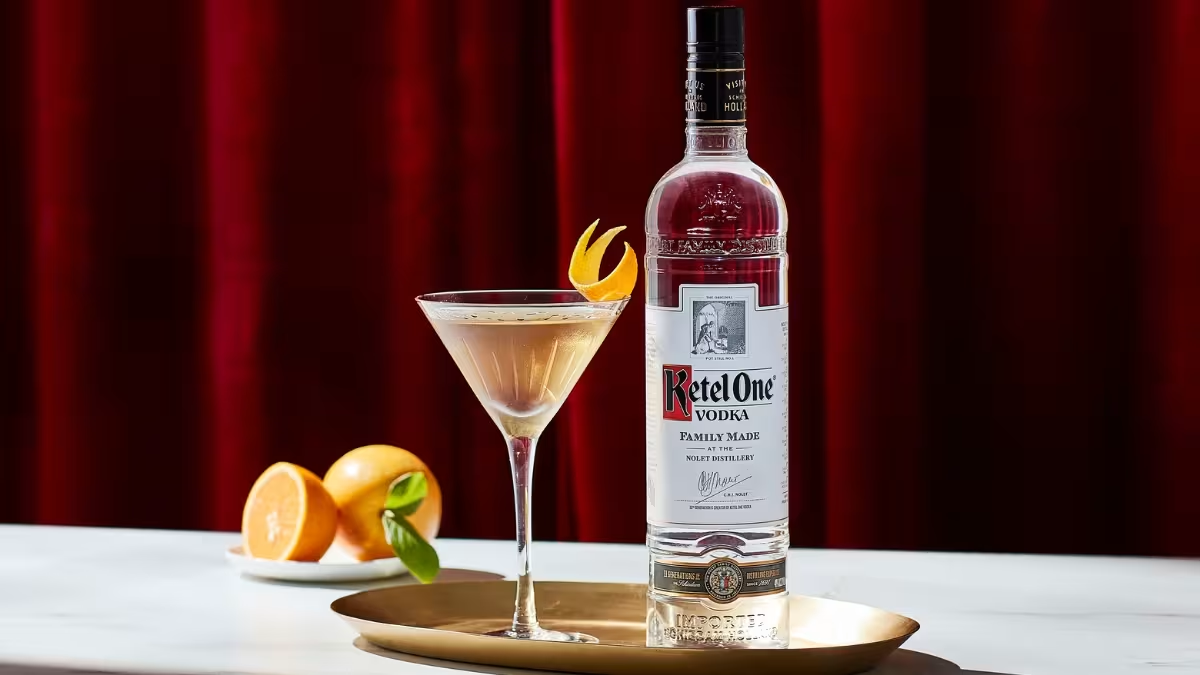
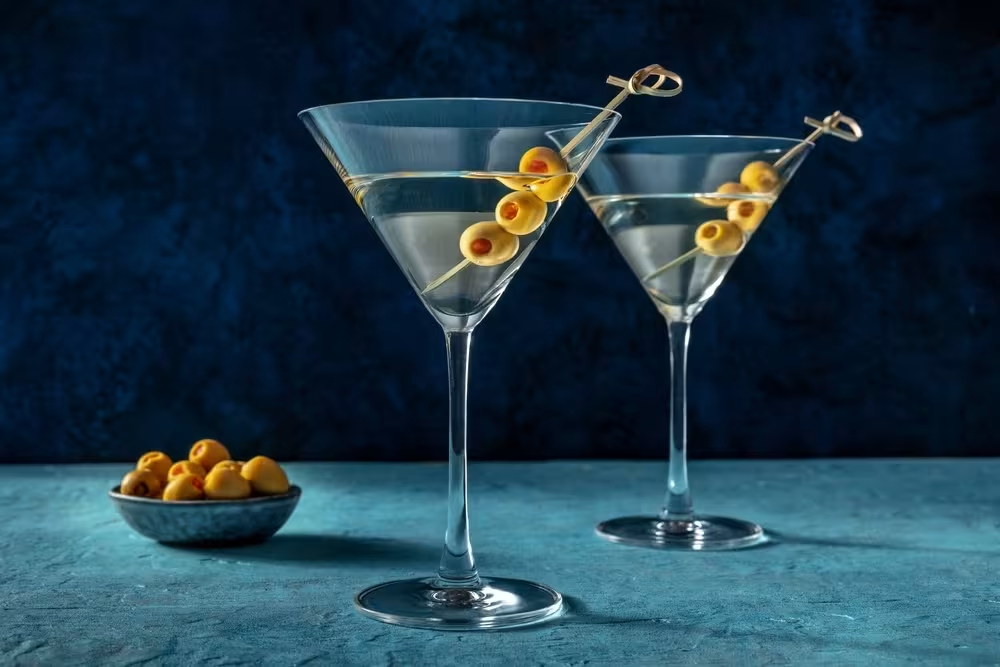
Champagne in a flute, Old-Fashioned in a rocks glass, Moscow Mule in a copper mug, and martini cocktails in that delicate, V-shaped glass that looks poised… to break at extra pressure. And yet, more often than not, you’ll see the Martini cocktail arrive in a V-shaped cocktail glass, with three olives sticking out. Because, as any bartender and cocktail enthusiast will tell you, cocktail glassware is serious business. And when it comes to the ice-cold martini cocktails, the V-shaped glass isn’t just testing a server or patron’s ability to hold a glass; it’s actually delivering a functional benefit.
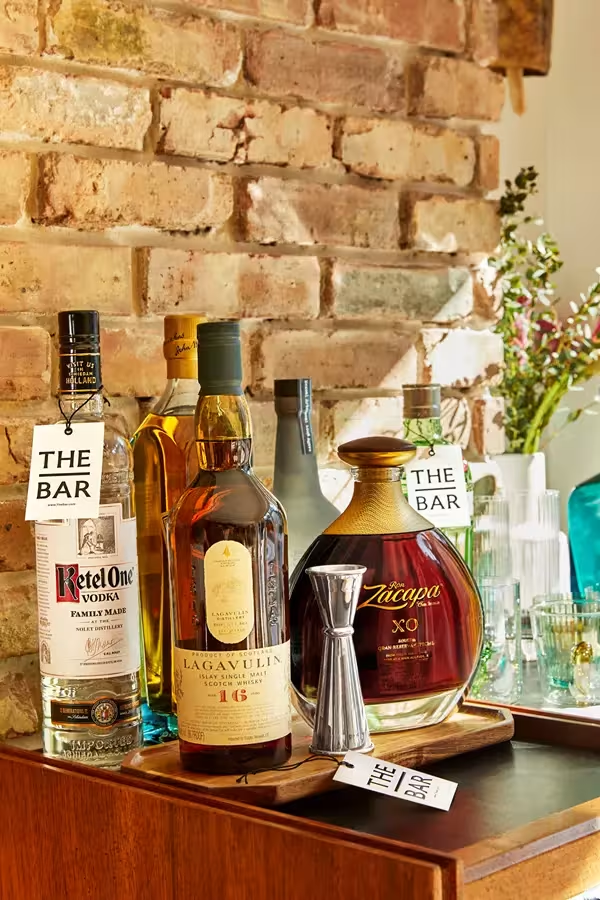
Brand references are indicative and can be changed as per preference.
The Shape Of A Cocktail Glass
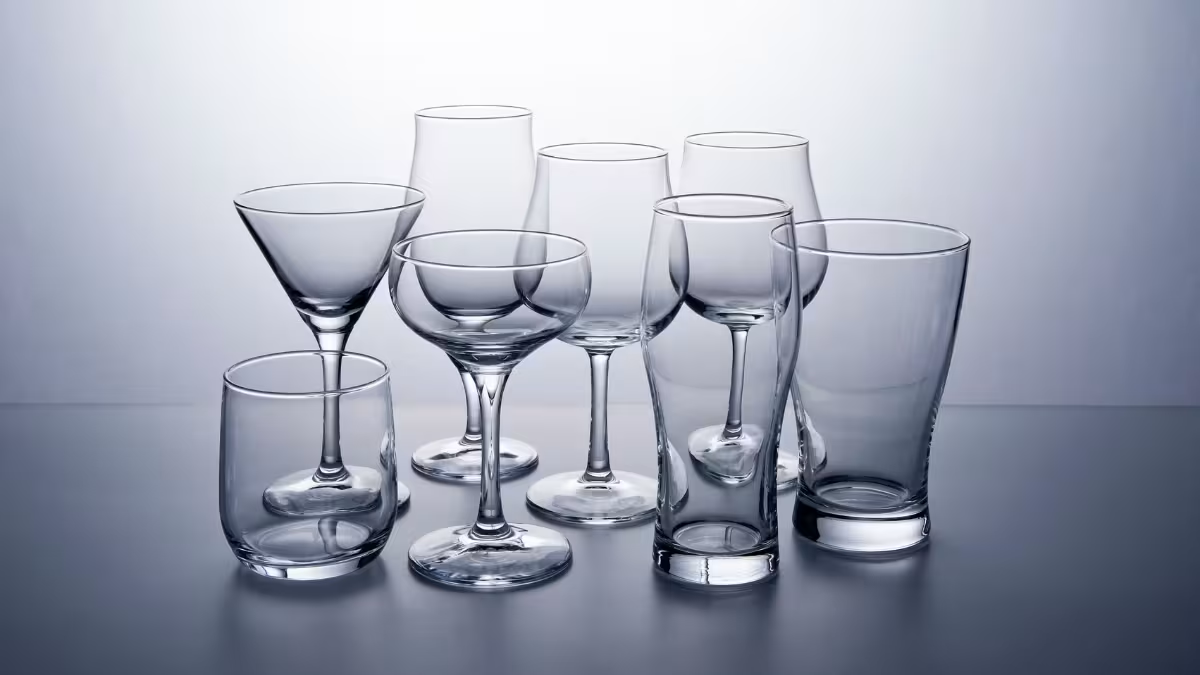
Before we understand the specifics for a Martini cocktail glass, it’s important to understand the role of cocktail glassware in shaping a drink:
Aromas and Smell: Wide bowls (like coupe glasses) increase the surface area to let heavy aromatics escape, while narrow rims (like flutes) concentrate delicate bubbles and floral scents toward your nose.
Temperature Control: Stemmed glasses keep your body heat away from chilled straight-up drinks, whereas thick-bottomed tumblers help insulate large ice cubes for slow-sipping spirits.
Palate Flow and Taste: The diameter of the rim changes how far back you tilt your head and how fast the liquid hits your tongue, which changes your perception of sweetness, acidity, and alcohol burn.
Ingredient Integration: Conical V-shapes (like martini cocktail glasses) stop mixed ingredients from separating, while straight-sided tall glasses (like Collins glasses) leave room for carbonation and heavy mixers.
The Science Behind V-Shaped Martini Cocktail Glasses
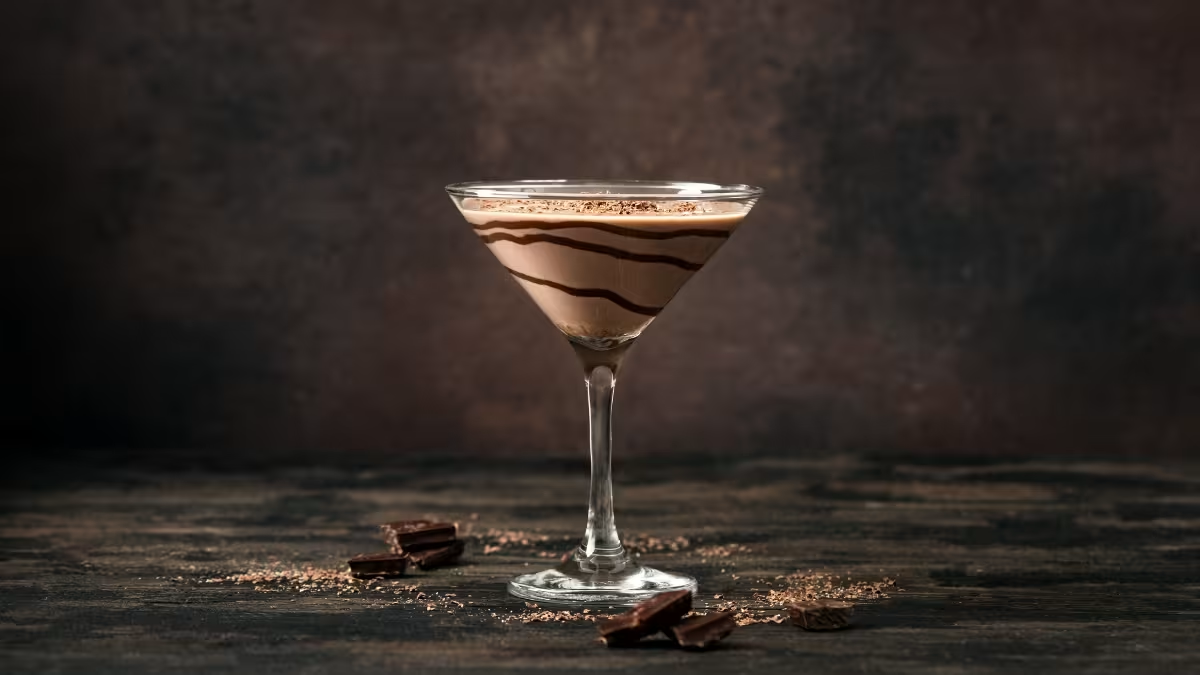
In the case of a martini cocktail, it’s critical that the drink is served cold and remains chilled for a while; the cold temperature balances the spirit-forward nature of the cocktail. It’s also important that the gin and vermouth don’t separate, but rather remain integrated throughout the drink, from the first sip to the last. The V-shaped glass enables this. Here’s how:
The long stem keeps your warm hands away from the bowl so a chilled, ice-free drink stays cold.
The wide rim spreads out the ingredients and allows space for garnishes like an olive or a lemon twist. It also allows for the gin botanicals, like the juniper, coriander, citrus, etc., in Tanqueray No. Ten to “open up”.
The sloped sides keep ingredients from separating and stop solid garnishes (like olives) from sinking to the bottom.
Over the years, much like its namesake drink, the traditional glass has also seen a few tweaks. Some versions have a particularly long stem, while others go for a slightly narrower rim. Others may even go for a shorter glass, with barely any stem, though this version is more popular with riffs on the martini cocktail, rather than the original.
Other Glasses To Serve A Martini Cocktail
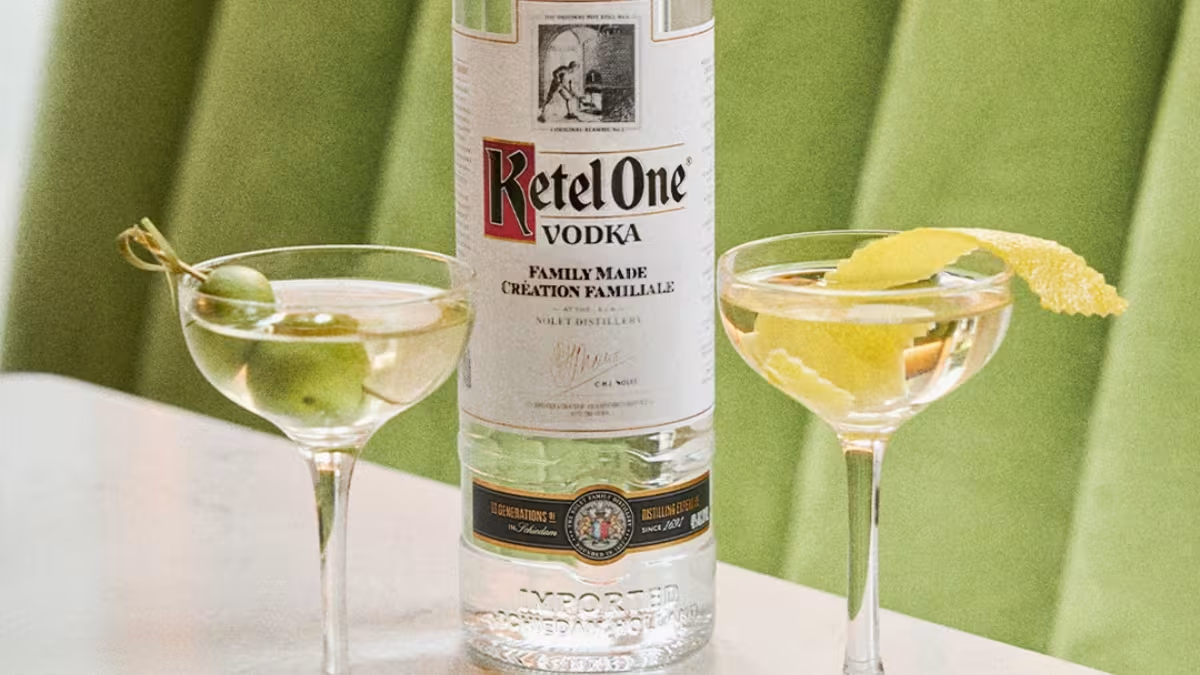
Apart from the classic, you can also serve a martini cocktail in a Nick and Nora glass or a coupe. The coupe has a shallow, rounded bowl on a stem. It holds drinks well and is less prone to spilling than a V-shaped glass. The Nick & Nora glass, on the other hand, is a smaller, bell-shaped glass on a stem. It is great for traditional, lower-volume drinks because it keeps the cocktail cold before it warms up.
However, experts and loyalists still consider the V-shaped glass to be the perfect fit for the drink, with many believing the coupe, or even Nick and Nora, obstructs the aroma and flow since they have narrower, more upright rims. These rim styles trap the aromas, slightly dampening the olfactory experience.
This is not to say you can’t switch glasses or need to absolutely invest in a V-shaped glass when serving the martini cocktail. However, knowing the pitfalls can help you counter the specific problems:
To counter the loss of aroma, build on the citrus express. Twist your lemon peel directly over the top of the glass holding a premium Ketel One vodka and dry vermouth martini cocktail. You could also rub the peel along the outside rim of the glass so the drinker gets an immediate aroma hit.
With coupes, another problem is slightly more rapid warming. Coupes distribute the liquid horizontally across a wide surface area with shallow depth. This high surface-area-to-volume ratio causes the cocktail to warm up much faster than it would in a concentrated V-shaped cone. The solution is to aggressively chill the glassware; ideally, keep your coupe glasses in the freezer for at least 15–30 minutes before serving.
Nick and Nora glasses can also face a garnish crowding. Garnishes like stuffed olives (common to dirty martini cocktail) will physically crowd the glass, displace the liquid, and hit your nose while drinking. But this has an easy solution. Instead of going for a set of three, stick to just one small olive on a delicate pick. You could also switch exclusively to a clean twist of lemon. Just remember, the Nick & Nora glass favours minimalism.
Conclusion
Beyond the functional benefits, the martini cocktail glass also serves as a reminder that some drinks deserve a little more attention and care. It’s not sturdy; it’s sleek, seemingly simple, and definitely not going out of bars anytime soon.
*Drink Responsibly. This communication is for audiences above the age of 25.
FAQs:
The V-shaped glass helps keep the drink away from warm hands and provides a wide rim for aromas and garnishes. The stem, particularly, allows you to hold the glass without wrapping your hand around the bowl. This helps reduce heat transfer from your hand to the chilled drink.
You May Also Like






Drink Responsibly. This communication is for audiences above the age of 25.
More from The Bar


Stay Inspired
Sign up to our newsletter for exclusive recipes, insider secrets and special offers - all delivered straight to your inbox.
