Dirty Martini Cocktail Recipe: How To Make Homemade Brine Without Olives?
Introduction
Would it still be a Bloody Mary if tomato wasn’t in the picture? What would happen to Paloma if the trademark grapefruit flavour was removed? Can it really be a Dirty Martini cocktail without that signature savoury taste from the brine? No, no, and no.
Mixers aren’t just a whimsical addition to a drink. They are the reason the same gin or vodka tastes fundamentally different in every cocktail. It’s also why a brine isn’t an afterthought in a Dirty Martini cocktail recipe. It’s crucial to getting that deeply salty, savoury, and smooth balance.
If you’re looking to recreate the drink at home, it goes without saying that the brine needs to be right. Here’s how you can do that. But first, what exactly is brine?
Brand references are indicative and can be changed as per preference.
What Brine Is Used In Dirty Martini Cocktail?
Brine is what differentiates a Dirty Martini cocktail from its more classic, wet style. It is, essentially, a high-concentration solution of salt (typically sodium chloride) dissolved in water.
The salt levels range from about 3.5% (similar to seawater) up to 26% (a fully saturated solution). While it forms naturally in salt lakes, underground deposits, and ocean brine pools through water evaporation, the kind that’s used in cooking and cocktails is a little different.
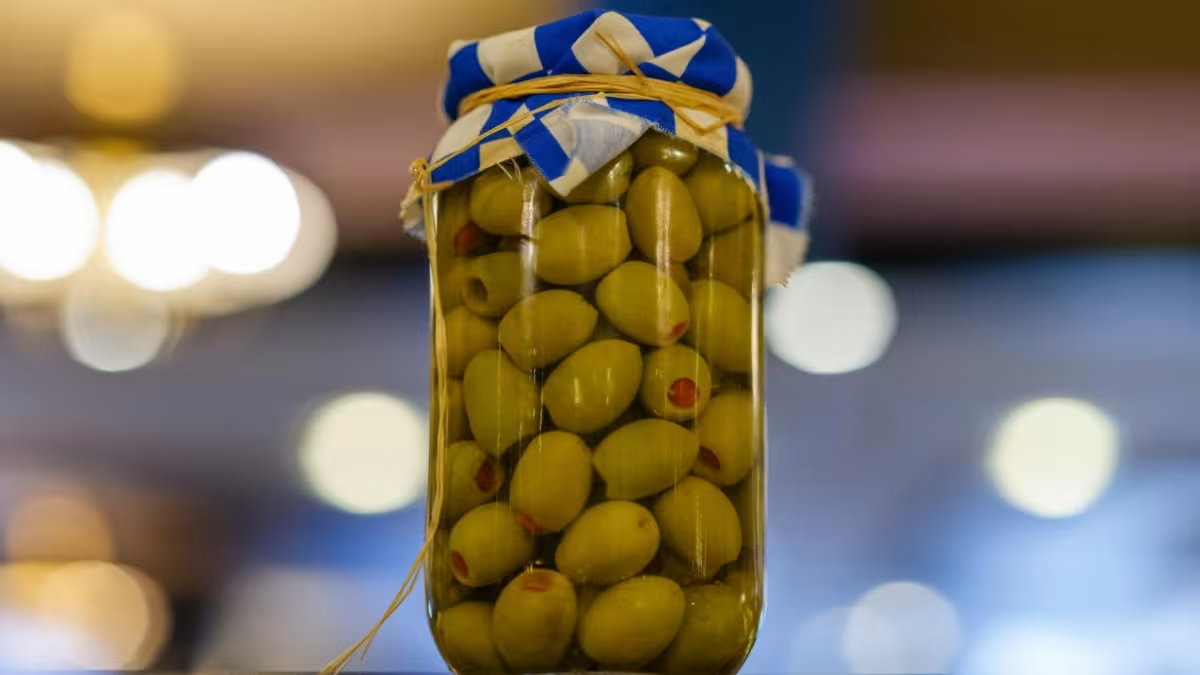
A Dirty Martini cocktail, traditionally, uses olive brine. It is the salty liquid that cocktail olives are packed and stored in. This is the classic choice, though some bars also use dedicated, premium bottled brines made specifically for cocktails. The premium versions are often triple-filtered to remove cloudiness and olive sediment for a smoother drink.
Then you also have bars crafting their own balanced blends. With house-made ingredients becoming a bar’s USP, many venues build custom brines. Barbet & Pals, in Delhi, is particularly famous for having an extensive range of brines (as many as 8), including one made from sauerkraut. In fact, many bartenders may occasionally substitute or mix in other savoury liquids like cocktail onion brine, cornichon brine, or feta cheese brine as a way to twist classic recipes.
How To Make Non-Olive Brine At Home?
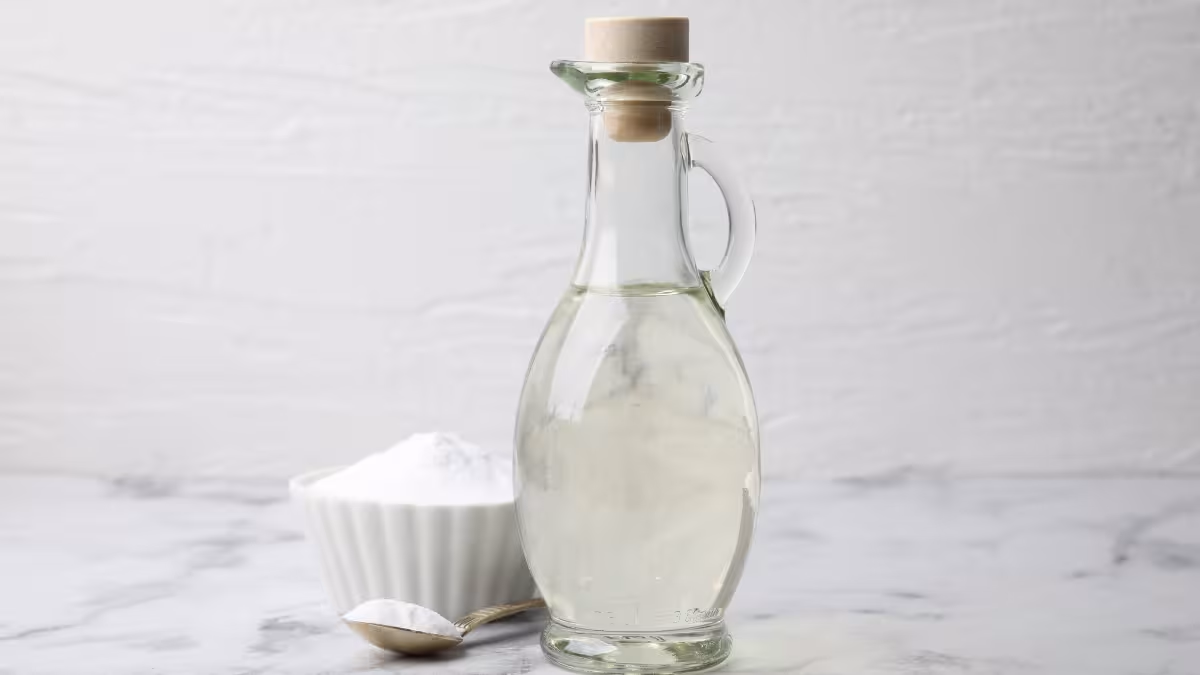
You can make a quick, balanced homemade brine for a Dirty Martini cocktail by combining water, salt, and white vinegar, even if you don’t have olives.
Ingredients:
½ cup filtered water
½ cup white vinegar (5% acidity)
1 tablespoon non-iodised or kosher salt
Steps:
Mix the water, salt, and vinegar in a clean bowl or jar. Stir until the salt completely dissolves.
Seal the container and refrigerate for at least a few hours, or overnight, to allow the flavours to settle.
Once chilled, measure the brine directly into your Dirty Martini cocktail. If you have added any herbs or spices, strain the brine before use.
Keep the brine refrigerated in a clean, sealed container and use it within about two weeks. Discard it if you notice any unusual odour, mould or other signs of spoilage.
Tip: If you want to add the olive flavour, add a handful of pitted green olives after step one. Alternatively, for a more Martini-cocktail-like savouriness, add a very small amount of a flavouring such as black peppercorns, coriander seeds or a strip of lemon peel (instead of olives). But that's optional; the three-ingredient version listed above is perfectly workable as well.
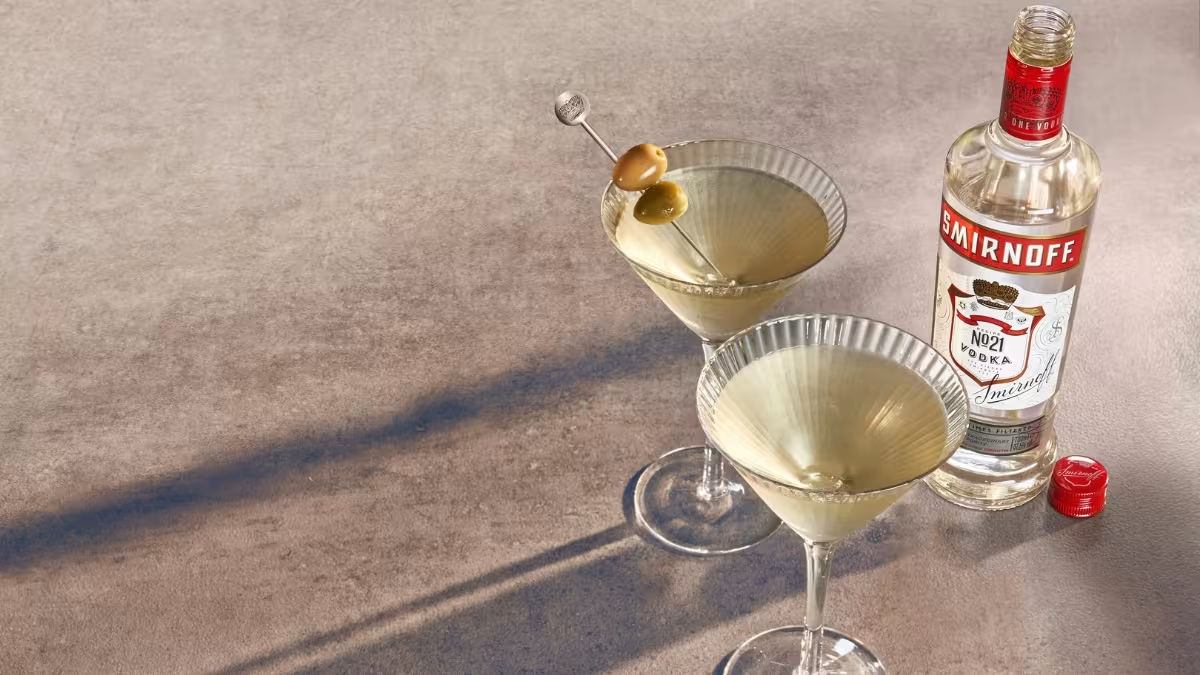
To make a classic version, combine 45 ml of Smirnoff No. 21 vodka, 15 ml of dry vermouth, and 15 ml of brine in an ice-filled mixing glass. Stir briskly with a bar spoon for 30 seconds to chill and dilute the drink properly.
Meanwhile, chill the martini cocktail glass in the freezer or fridge for a few minutes. Strain the liquid into your chilled glass and garnish with a skewer of green olives.

Home-made Brine For Dirty Martini Recipe: Key Checks
Once you’ve made the brine at home, it’s important to check it for cloudiness, off-odours, or mould, as well as appropriate salt-acid balance. Here are some basic checks that you can perform:
Clarity: Look for extreme cloudiness, sediment buildup, or a slimy texture, which can indicate bacterial growth or spoilage.
Mould: Check the surface and edges of the jar for any fuzzy white, green, or black spots. Discard immediately if mould is present.
Smell: Sniff the brine; it should smell sharp, salty, and clean with distinct vinegar notes. If you’ve added olive, you should be able to smell that too. If it smells sour, putrid, or yeasty, do not use it.
Salinity: Dip a clean spoon or straw into the liquid and taste a tiny drop. It should be intensely salty and savoury, but not overwhelmingly harsh.
Strain Test: Pour a small amount through a fine-mesh sieve or cheesecloth; a clear or lightly translucent liquid ensures your martini cocktail stays silky and visually clean.
Conclusion
Homemade brine isn’t really complex; it’s more about getting that balance right and ensuring you always taste test before using it. Ideally, start with a small batch. Only scale up if you are planning to have people at home or serving a large crowd. And if you’ve got a well-made batch, you don’t have to stop at just the Dirty Martini cocktail. You can experiment with many others, from a dirty Bloody Mary to a savoury whisky martini cocktail!
*Drink Responsibly. This communication is for audiences above the age of 25.
FAQs:
A good starting point is 10–15 ml of olive brine for 45 ml of gin. You can adjust the amount depending on how salty or savoury you want the cocktail to taste.
You May Also Like








Drink Responsibly. This communication is for audiences above the age of 25.

More from The Bar



Stay Inspired
Sign up to our newsletter for exclusive recipes, insider secrets and special offers - all delivered straight to your inbox.
