5 Ways To Get More Creative With The Liqueurs Already Sitting In Your Drinks Cabinet
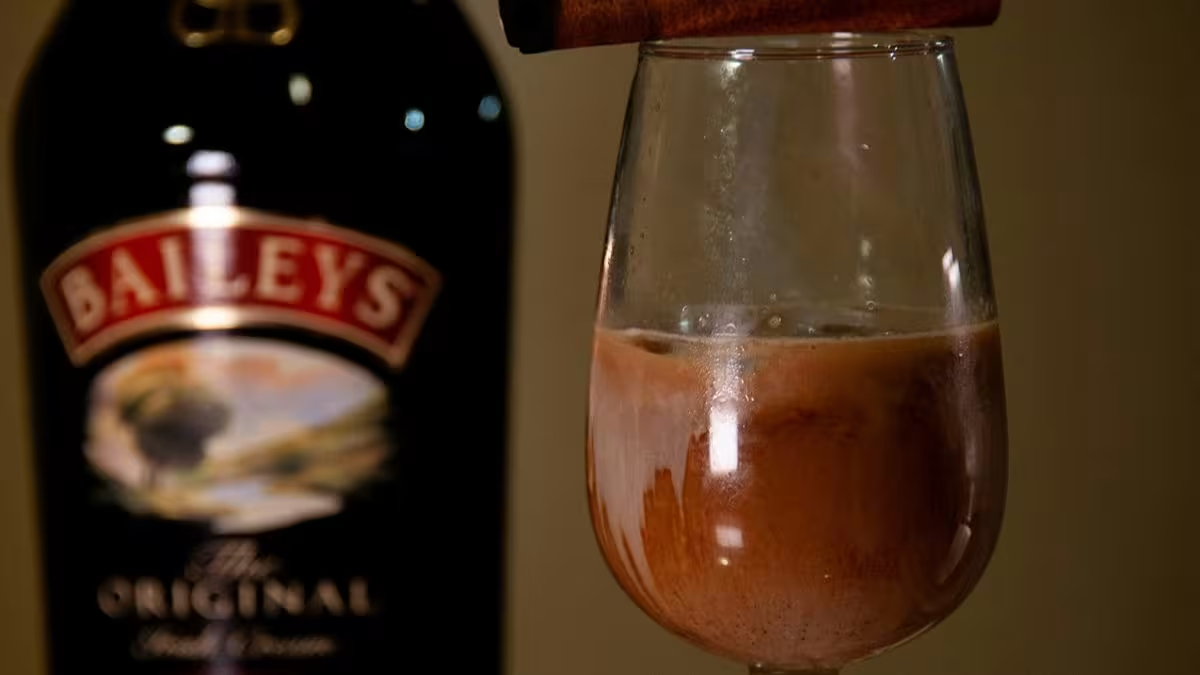
Introduction
That bottle of liqueur you bought for one cocktail and promptly forgot about? It deserves a second act. Liqueurs can add orange-peel brightness, coffee bitterness, herbal depth or creamy chocolate notes to more than just the drink they were bought for. A little goes a long way, too, making them useful for experimenting without turning your kitchen into a full-time cocktail lab. Here are five clever ways to put them to work.
Brand references are indicative and can be changed as per preference.
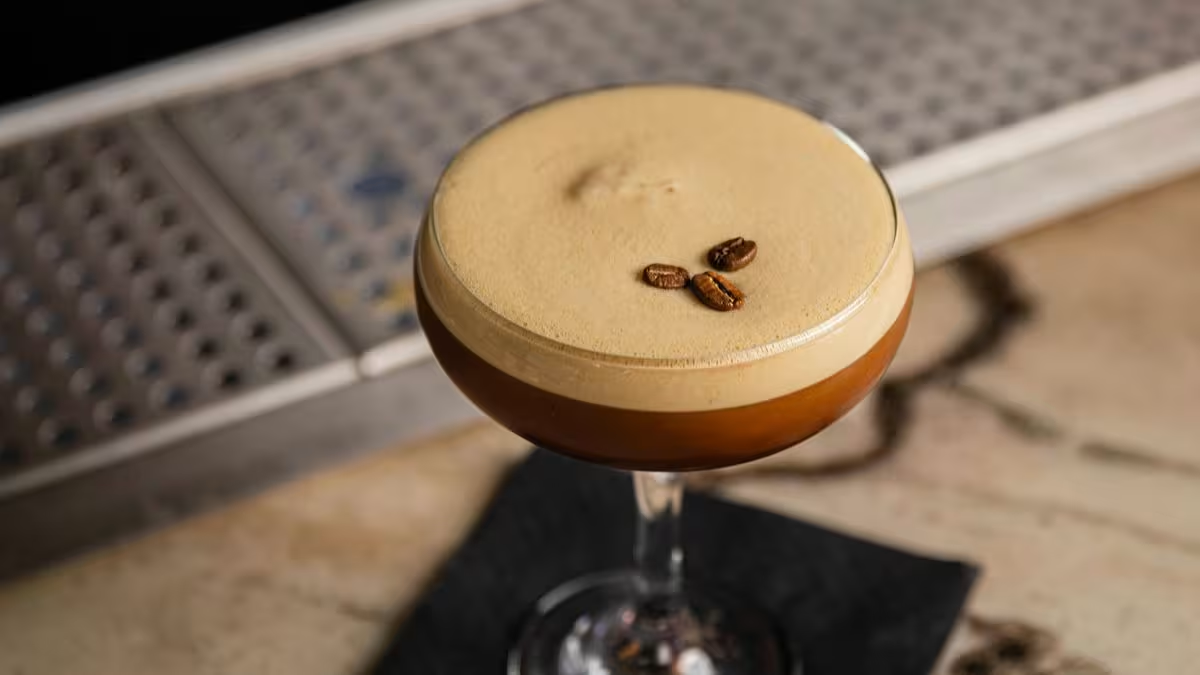
1. Give Classic Cocktails A Flavour Upgrade
Classic cocktails can benefit greatly from the addition of just a small amount of liqueur. The trick is to select the right one that blends with the other components of the drink rather than introducing unwanted sweetness.
Margarita cocktail: Orange liqueur adds sweet citrus-peel notes to the lime’s tartness and tequila’s earthiness.
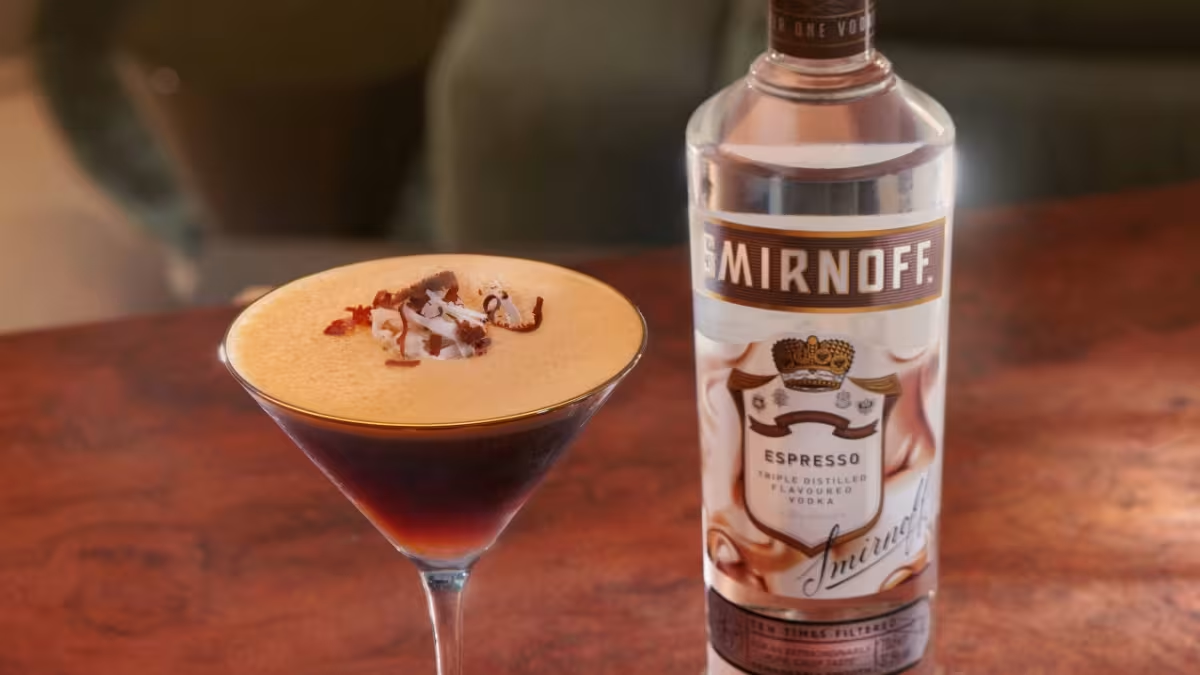
Espresso Martini cocktail: Coffee liqueur provides the espresso with a roasting and bittersweet character, which enhances the drink's flavour.
Whisky Sour cocktail: The right herbal liqueur adds flavours that balance the acidity of the added lemon juice.
Use liqueurs sparingly, as they not only add flavours to drinks, but also sugar and alcohol.
2. Turn Coffee Into A More Interesting Serve
Combining coffee with liqueurs is an excellent idea since the flavours of roasted coffee work well with everything from chocolate and vanilla to caramel and spices. These combinations can be tried out without having to create a complex cocktail.
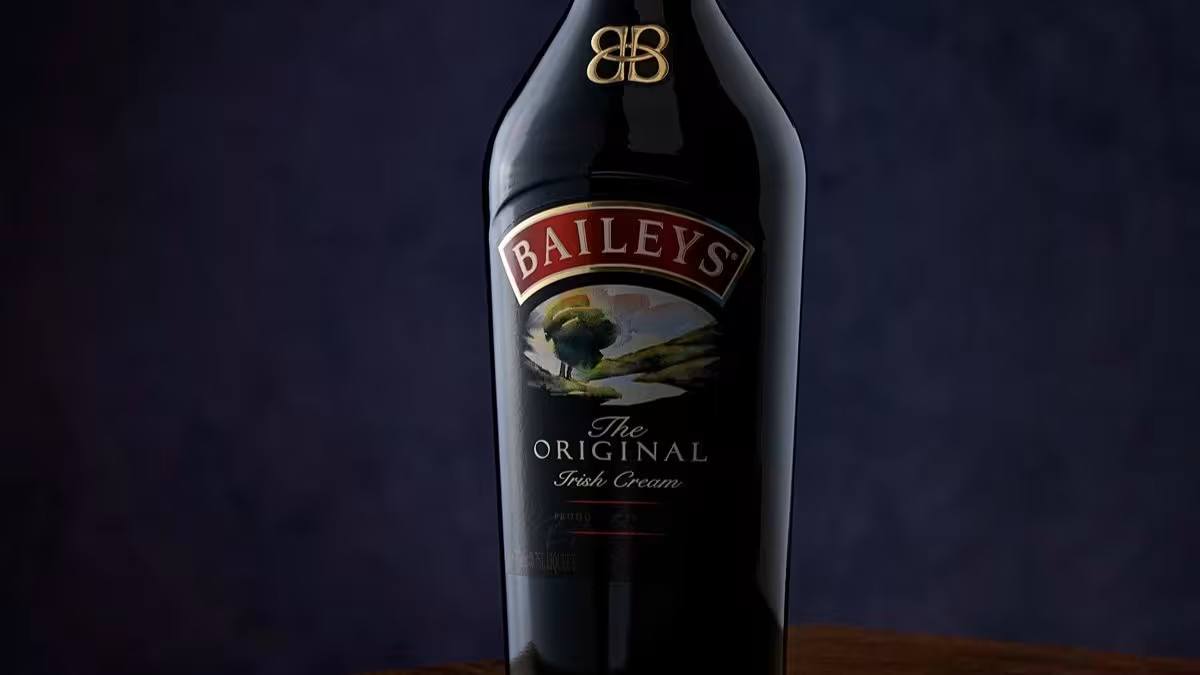
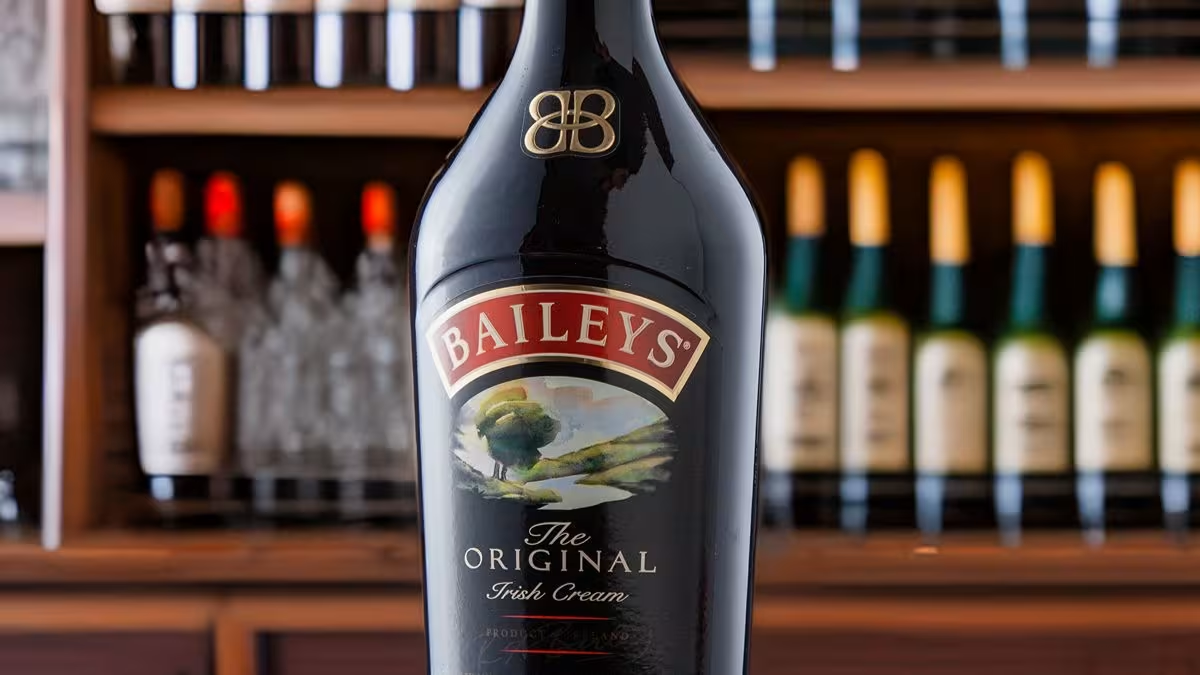
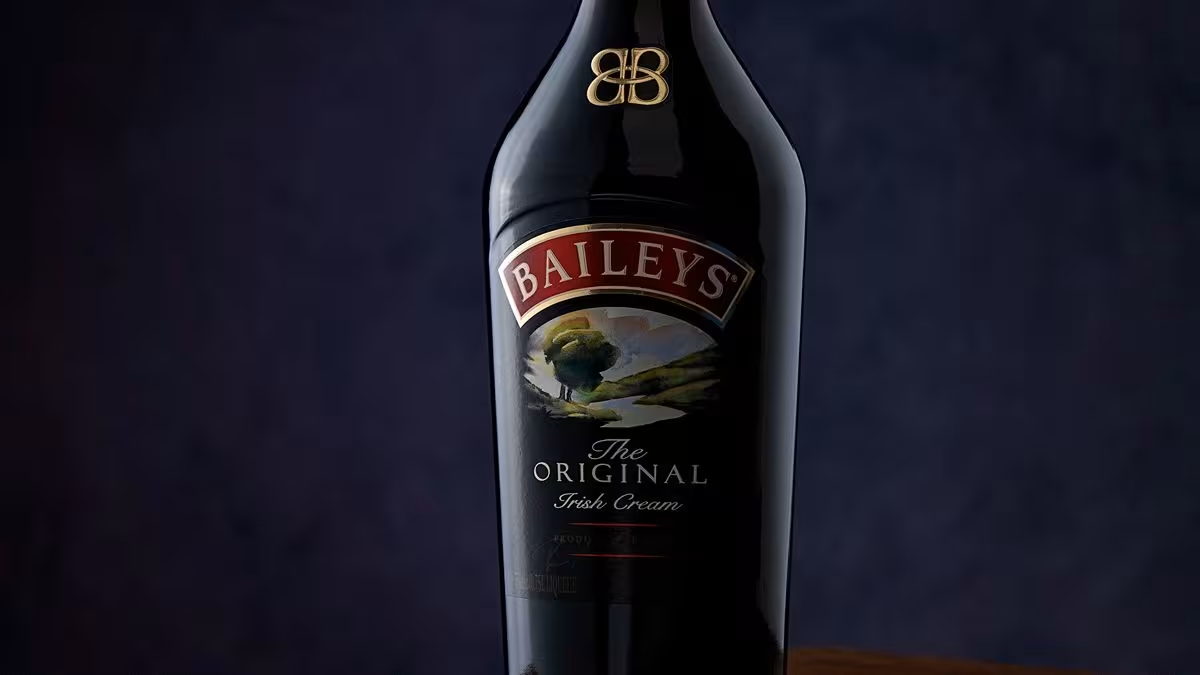
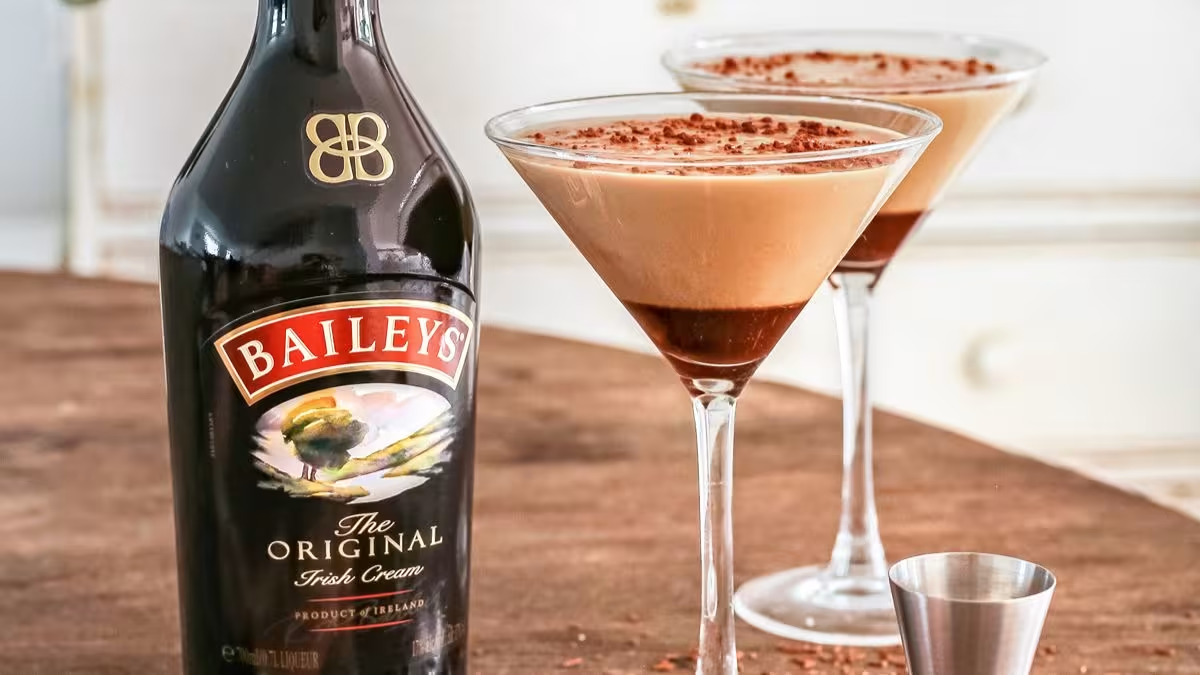
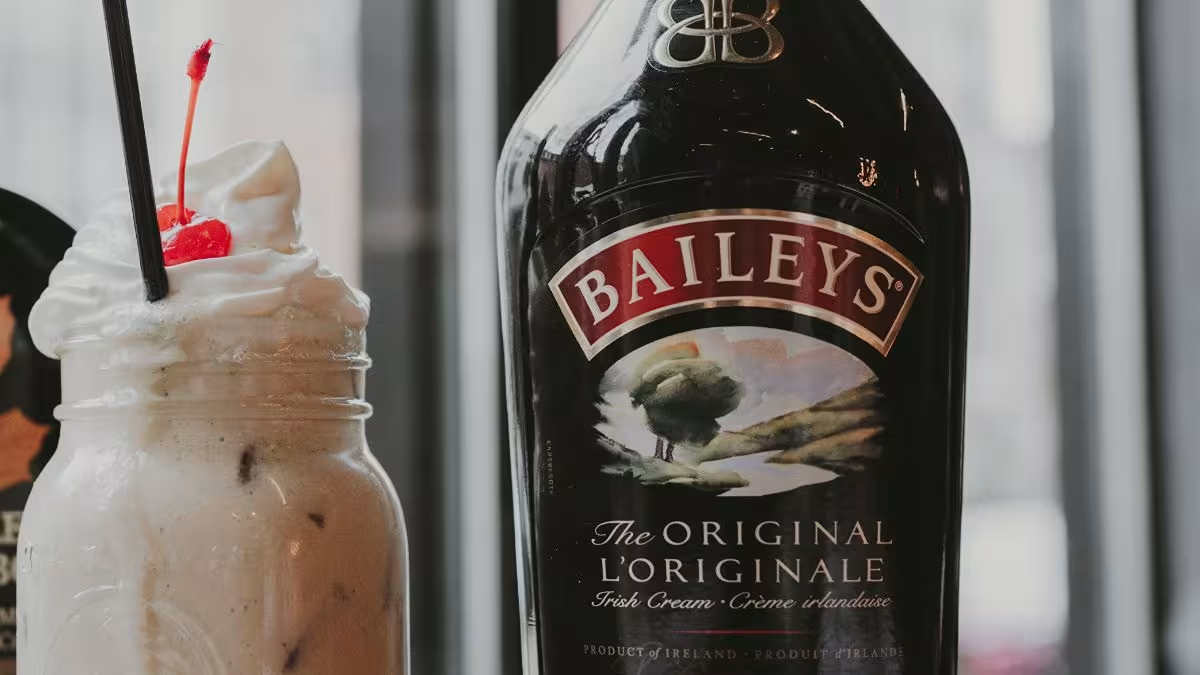
Adding coffee liqueur to cold coffee gives it a delicious bitter and sweet taste, while adding cream-based liqueur to it introduces a creamy flavour with hints of chocolate and vanilla. Baileys Original Irish Cream is a good example; it contains cream, Irish whisky, chocolate and vanilla notes.
For a simple after-dinner serve, explore how a small measured addition changes the coffee’s sweetness and texture. Avoid adding too much at once: you want the coffee to remain recognisable, not disappear beneath the liqueur.
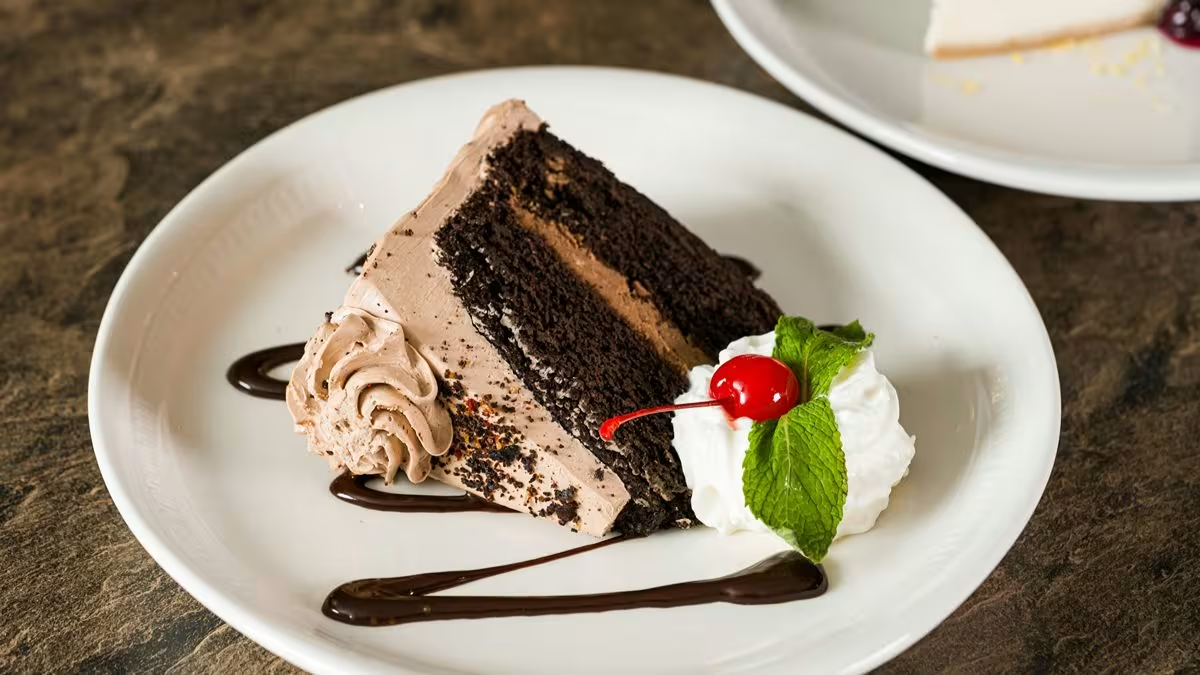
3. Pair Liqueurs With Desserts, Not Just Drinks
When you have dessert in front of you, you can always reach out for the drinks cabinet and create something unexpected. Liqueurs can offer you flavours of fruits, spices, coffee, or chocolate, but don’t forget that the amount and timing of application are crucial.
Chocolate cake: Coffee liqueur goes well with cocoa flavours.
Vanilla ice cream: Cream liqueur offers chocolate and vanilla notes that blend well with the sweetness of ice cream.
Citrus desserts: Orange liqueur will complement the aromas in orange zest and add to lemon desserts.
Make sure you only use small amounts of liqueurs in sauces, sweets, and pastries and remember that liqueurs will make your dessert sweeter. Remember to inform your guests if there is alcohol in a dessert.
4. Play With Contrasting Flavours
Sometimes the best combinations are those that do not meet often or naturally, but the counterpart adds to the cocktail’s individuality. Sweetness can counterbalance bitterness, citrus acidity can bring out the richness, and herbal notes, on the contrary, can complement the complexity of a fruit-flavoured drink.
First, think of the prevailing flavour of the chosen liqueur when selecting its partner:
Orange: Pairs well with acidic, fruity, and berry flavours and many cocktails with agave.
Coffee: Mixes very well with chocolate, vanilla, and dark roasted flavours.
Herbal: It can add bitterness and flavour to sweeter ingredients; this combination works perfectly.
Cream: Makes a rich combination with coffee, chocolate, and dessert-style drinks.
Keep the combination focused. Using several assertive flavoured liqueurs in one drink can muddy the individual notes rather than create a more layered result. The aim is a clear flavour relationship, not a crowded glass.
5. Store Each Bottle Properly
Creative mixtures are worth trying only if each item in them keeps its usual aroma and flavour. There are many rules for storing different liqueurs. Keep lids tightly closed and avoid sunlight and high temperatures. Follow the instructions on the packaging and check the date when it is left unopened.
There are some beneficial practices:
Make notes on the date of opening.
Use clean measuring tools instead of pouring liqueurs directly.
Check the product-specific instructions instead of assuming every liqueur keeps equally well.
Conclusion
An effective home bar has less to do with the diversity of bottles it possesses and more with the knowledge of what each one can offer. A liqueur can contribute aromas that vary from citrus, through bitter, herbal, and all the way to sweet, if mixed properly. Start with one flavour, identify its role in the drink, and then use it accordingly. Some experimentation and proper storage can ensure that the bottles bought for a certain event or drink can serve multiple purposes in the future.
*Drink Responsibly. This communication is for audiences above the age of 25.
FAQs:
Liqueurs can easily spice up classic cocktails, coffee, dessert sauces, and sweet dishes. Pick liqueurs with taste and sweetness levels that match the other dish’s or drink’s primary flavour.
You May Also Like



Drink Responsibly. This communication is for audiences above the age of 25.
Yash Lakhan


More from The Bar

Stay Inspired
Sign up to our newsletter for exclusive recipes, insider secrets and special offers - all delivered straight to your inbox.
