Why Are Some Liqueurs Worth Making Room For In Your Home Bar?
Introduction
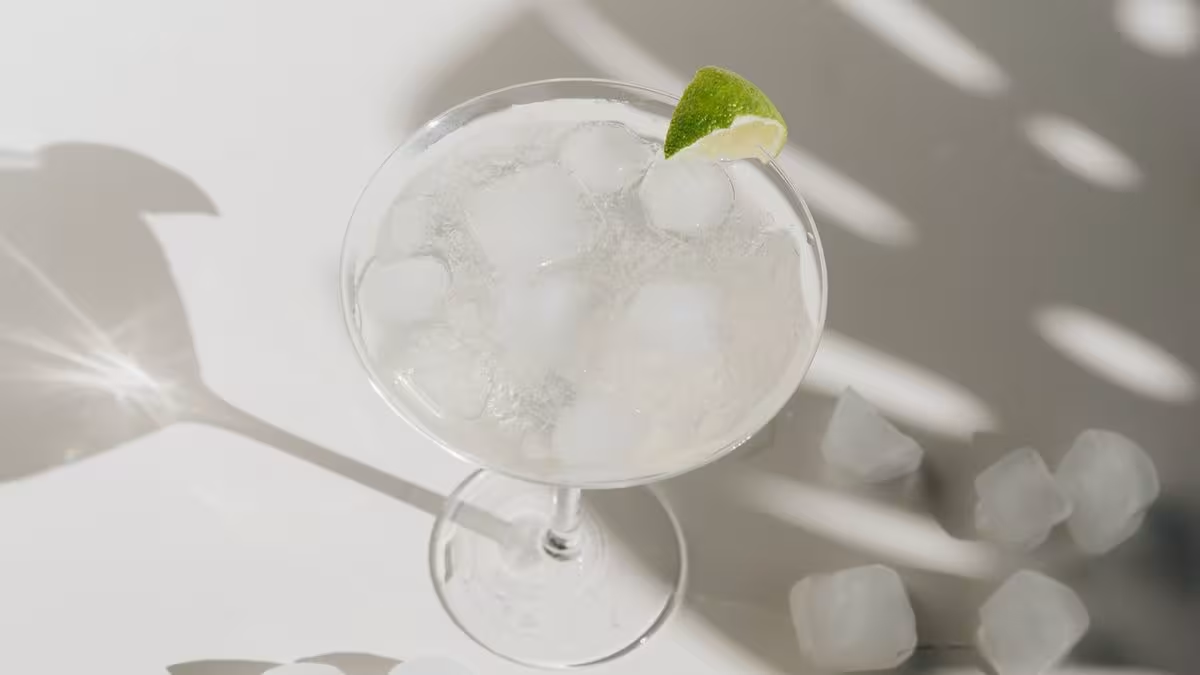
Liqueurs are often treated as the supporting cast of a home bar, overshadowed by familiar bottles of whisky, vodka, gin and rum. Their sweetness and concentrated flavours can make them seem like optional extras rather than essential cocktail ingredients. But take a closer look at classic mixology, and their importance becomes hard to miss. From adding citrus depth to a Margarita cocktail to bringing rich coffee notes to an Espresso Martini cocktail, liqueurs play a defining role in shaping cocktails, standing firmly alongside base spirits.
Brand references are indicative and can be changed as per preference.
What Makes A Liqueur Worth The Shelf Space?
A liqueur earns its stripes when it can really do it all as far as taste is concerned. It’s not just about whether a bottle tastes good, but how many established cocktails can make use of that particular flavour.
Before buying one, think about:
Flavour: Is it citrus, herb, fruit, cream, coffee-or spice-led?
Versatility: Does it appear in more than one known cocktail style?
Role: Does it contribute sweetness, aroma, texture or a defining flavour?
Storage: Will you actually use it before it becomes an unnoticed bottle?
That makes “investment” less about price and more about utility.
Why Does The Liqueur Meaning Matter When Choosing One?
By knowing what liqueur means, one can comprehend the differences between different bottles. Liqueurs consist of spirits with some sweetness and flavouring in them; thus, what goes into the production of the liqueur affects its profile significantly.
For example, an orange liqueur would give drinks a citrus scent and sweet taste, while a coffee liqueur would provide bitter notes, and herbal ones can impart that herbal-bitter flavour. Thus, you are buying an item intended to give you a particular flavour instead of a regular alcohol product.
When Does A Liqueur Become A Smart Buy?
When you can visualise a specific liqueur being utilised in various popular cocktails, then you've found the ideal indicator to qualify it as a wise buy.
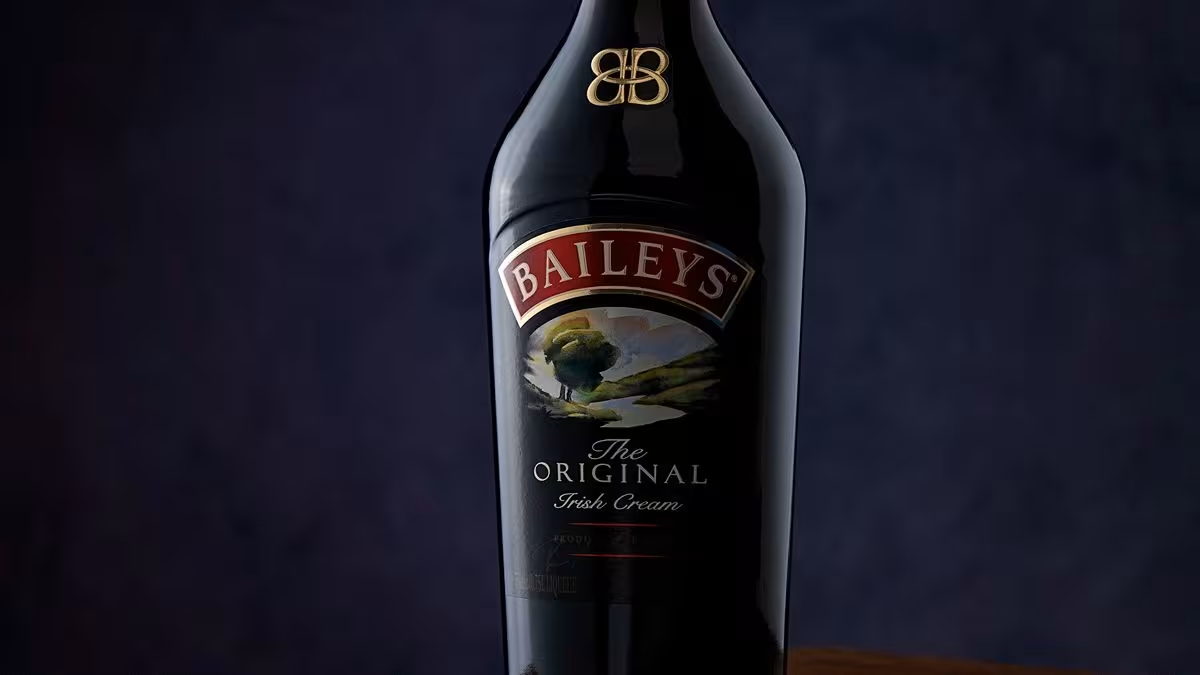
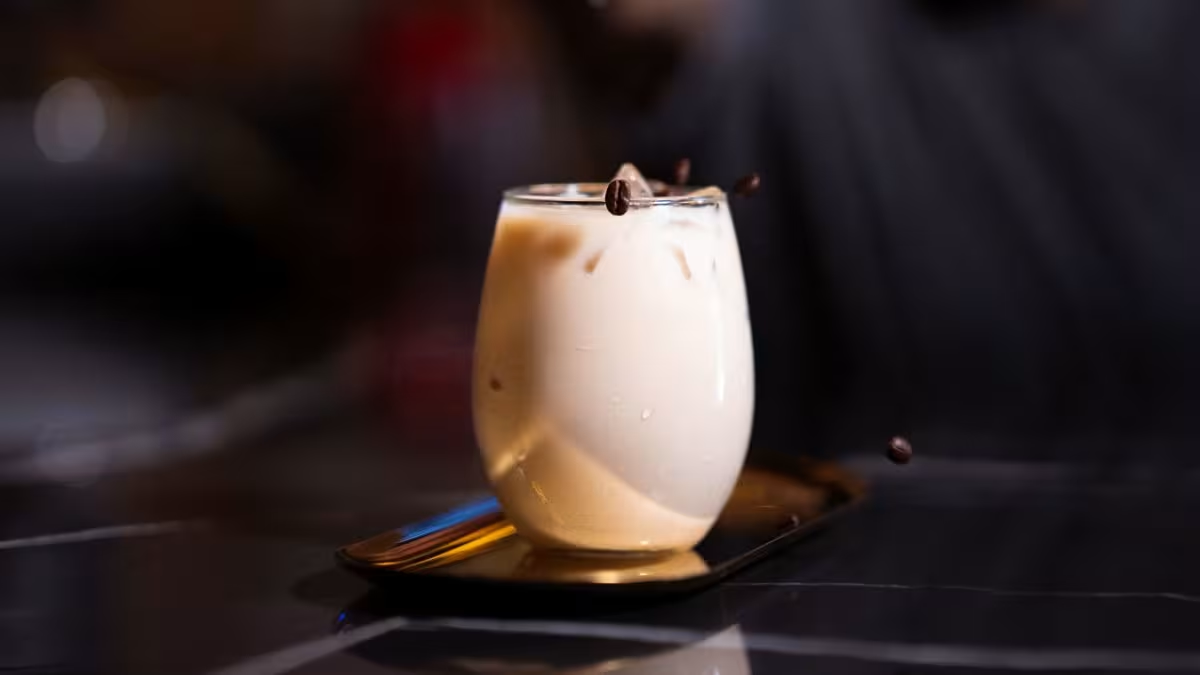
Take an orange liqueur, for instance. It’s essential in drinks such as Margarita cocktails, Cosmopolitan cocktails, and Sidecar cocktails. The same role is played by drinks such as Espresso Martini cocktails and White Russian cocktails that often use Baileys Original Irish Cream liqueur.
Does A More Expensive Bottle Always Mean A Better Investment?
Not at all. The cost alone does not indicate how valuable the liqueur will be for home use.
A more costly bottle may have its own production technology, but this does not mean it will always be able to provide versatility. You might get more use from a relatively cheap liqueur that appears in many cocktails than from a more expensive one that you only use once in a while.
A liqueur can bring a remarkably specific flavour signature to cocktails, with ingredients such as citrus, coffee, herbs, fruit, cream and spices adding sweetness, aroma and depth. That versatility makes well-chosen liqueurs valuable building blocks for a wide range of classic and contemporary serves.
What Should You Look For In The Flavour?
Flavour is where choosing a liqueur gets considerably more interesting. Rather than selecting liqueurs based solely on the way they look or their packaging, consider what flavour profiles your bar may be lacking.
Consider whether you need:
Citrus: bright notes of orange and other citrus fruits
Coffee: the rich, prominent taste of roasted coffee beans
Herbal: bitter, herbaceous, and botanical notes
Fruits: sweet notes of strawberries, cherries, or tropical fruits
Creamy: creamy texture with hints of vanilla or chocolate
Spices: aromas like cinnamon, clove, and cardamom
You can now see that the right flavour choice can fill a particular gap.
How Much Should You Actually Buy?
Moderation comes into play here. The liqueur does not have to be the focal point of the drink. In fact, in a number of standard drinks, a smaller amount gives sweetness and flavour, as well as helping to bring the cocktail together with base spirits and other components.
That means one bottle is enough for many cocktails if you know how to use it correctly. Instead of purchasing every unique flavour found in stores, it is smarter and more practical to buy a few liqueurs that come along with each other.
Is Collecting Liqueurs Worth It?
Collecting is, in fact, worth it; yet usefulness matters more than quantity. Ten spirits with similar flavour profiles are less helpful than three or four that have different purposes.
A good home-bar choice would probably include:
One citrus-led style
One coffee- or dessert-led option
One herbal or bitter expression
One fruit-forward choice
You will have different flavours without making your collection look like a museum of half-finished bottles.
So, Are Liqueurs Actually Worth Investing In?
Certainly, provided one understands “investing” to be spending wisely in terms of getting bottles with specific combinations of flavours. The best liqueur is not simply the most expensive or rare or trendy bottle of all time, but it is the bottle whose flavour profile has a clear purpose and appears often enough in established cocktails to justify its place.
It’s effective if you think about flavour first, versatility next, and cost last, as it makes the process much easier.
*Drink Responsibly. This communication is for audiences above the age of 25.
FAQs:
A liqueur's worth derives from its flavour, which not only works in several traditional cocktails but also complements the other available ingredients instead of being restricted to one drink only.
You May Also Like






Drink Responsibly. This communication is for audiences above the age of 25.
Yash Lakhan


More from The Bar



Stay Inspired
Sign up to our newsletter for exclusive recipes, insider secrets and special offers - all delivered straight to your inbox.
