5 Lesser-Known Martini Cocktail Variations That Take The Classic In New Directions

Introduction
Today, the Martini cocktail serves as an example of minimalist elegance, with profound discussions over the ratio of gin to dry vermouth and the use of an olive versus a citrus twist as garnish. Nevertheless, thinking of this drink as a strictly structured recipe is to disregard its long and living history.
The Martini cocktail has changed over time, adapting to the changes in tastes and mixology trends. What started as a 19th-century sweet drink became a timeless classic that emphasises assertive spirits. Over the years, small changes in the list of ingredients, proportions, or garnishes created different beverages. While dirty and dry remain two of the most popular riffs, there’s a lot more to explore here.
Brand references are indicative and can be changed as per preference.
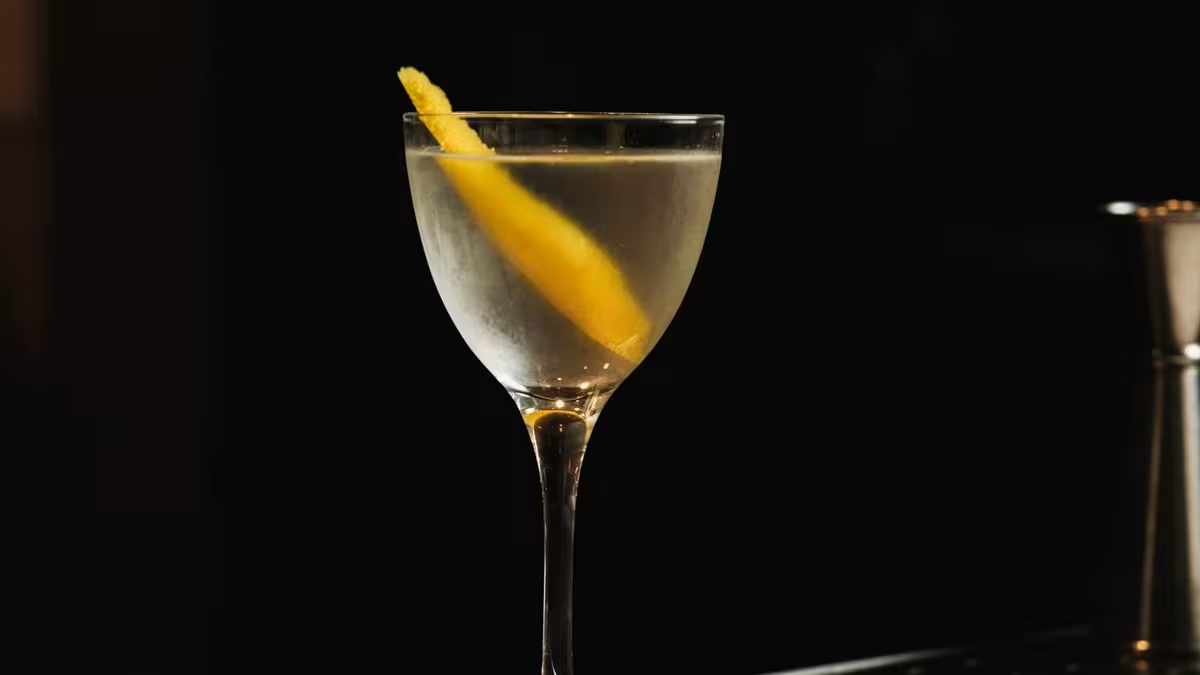
1. Vesper Cocktail
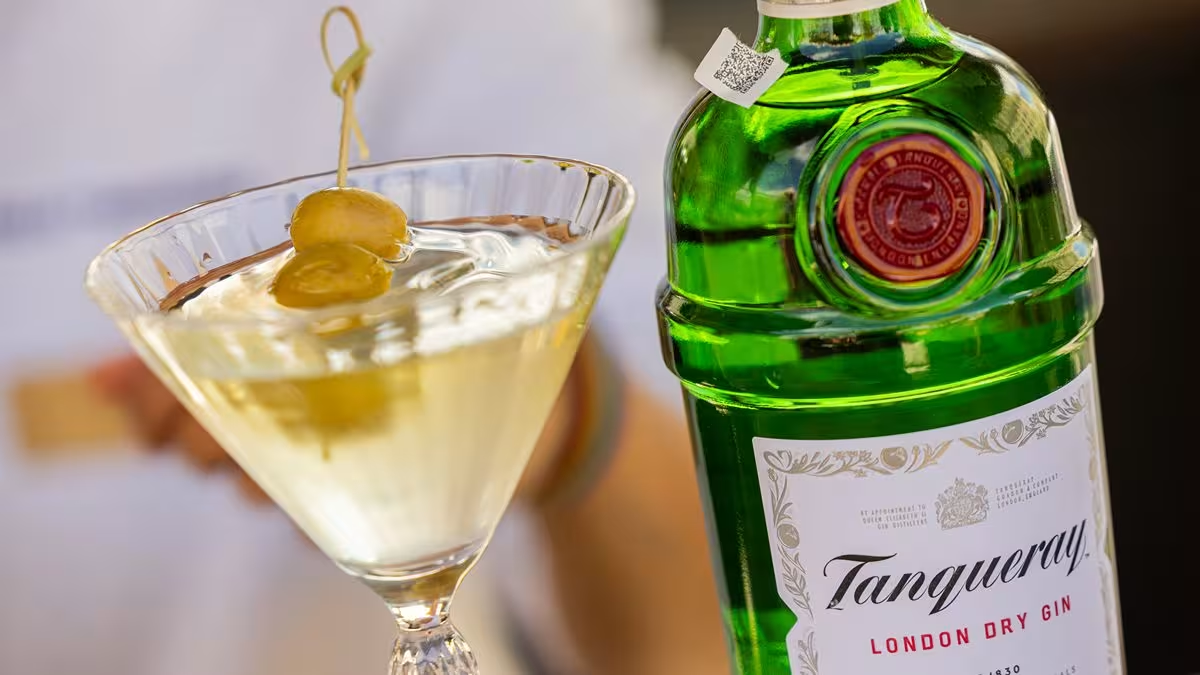
The Vesper cocktail is a spirit-forward mix containing gin, vodka, and dry vermouth. Stories suggest it was created for a novel in 1953. It is traditionally built with more gin than vermouth. In its spirit combination, the gin brings the juniper and botanicals, dry vermouth gives herbal and wine flavours, and vodka lets both flavours stretch. While recipes differ on the measure of each spirit, they commonly talk about including a London Dry gin, like the Tanqueray London Dry, which is known for flavours of pine, juniper, coriander, and angelica.
2. Gibson Cocktail
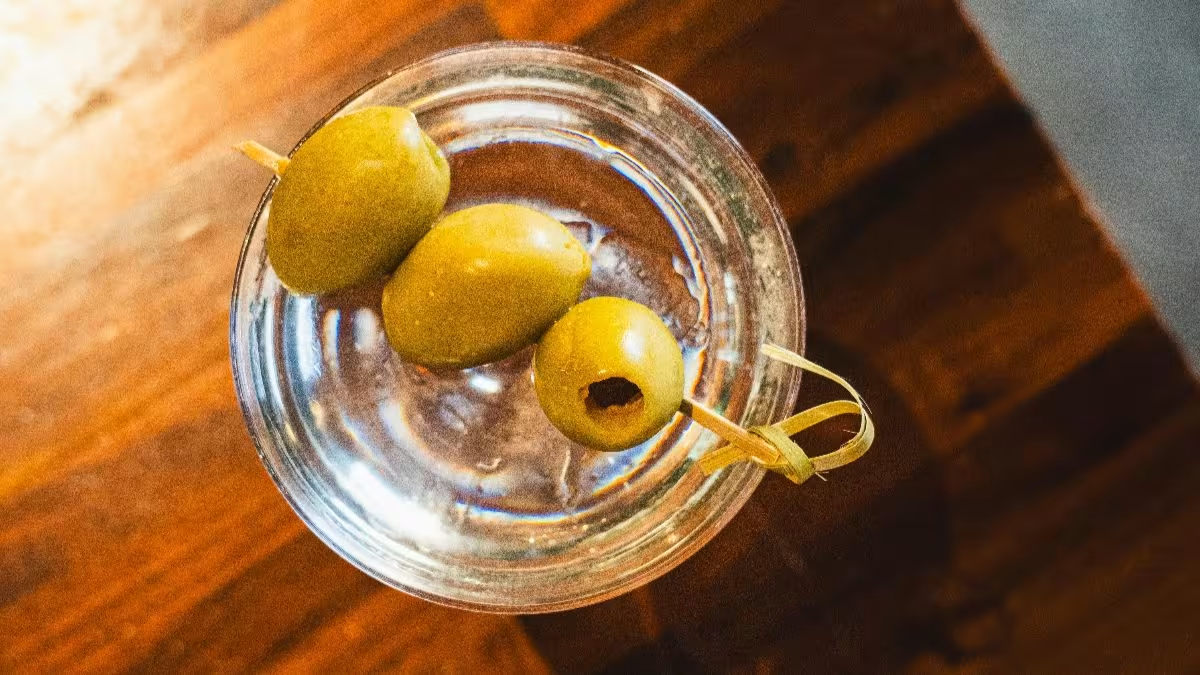
The Gibson cocktail is an example of how the garnish impacts the overall flavour of the drink. The beverage is based on the same components as the classic Martini cocktail. However, instead of a standard garnish (e.g., an olive or a lemon twist), it is completed with a cocktail pickled onion.
The drink is tingly, salty, and mildly sweet. The first recorded recipe for the Gibson cocktail was seen in the bartending book by William Boothby, The World's Drinks and How To Mix Them, published in 1908. The original Gibson cocktail looks very much like a 50/50 Dry Martini cocktail but is different due to one rule: it includes no bitters.

3. Martinez Cocktail
Martinez is a gin drink made with sweet vermouth, maraschino liqueur and bitters; it is often considered a precursor to the Martini cocktail. Dating back to the 1880s, it illustrates the evolution of the Martini cocktail style. The profile changes from dry to sweet vermouth, which adds richer wine notes and gentle sweetness. The maraschino adds distinct dry-cherry character. If the standard Martini cocktail is crisp and modern, the Martinez cocktail comes with sweet, vintage elements.
4. Reverse Martini Cocktail
The Reverse Martini cocktail reverses the usual proportions, putting the vermouth in the starring role and using less gin. It's about letting the aromatised wine do the talking, not just drying it out. The vermouth notes are herbal, floral and slightly bitter, with gin providing structure in the background. It highlights what vermouth brings to the table besides being a sidekick to gin.
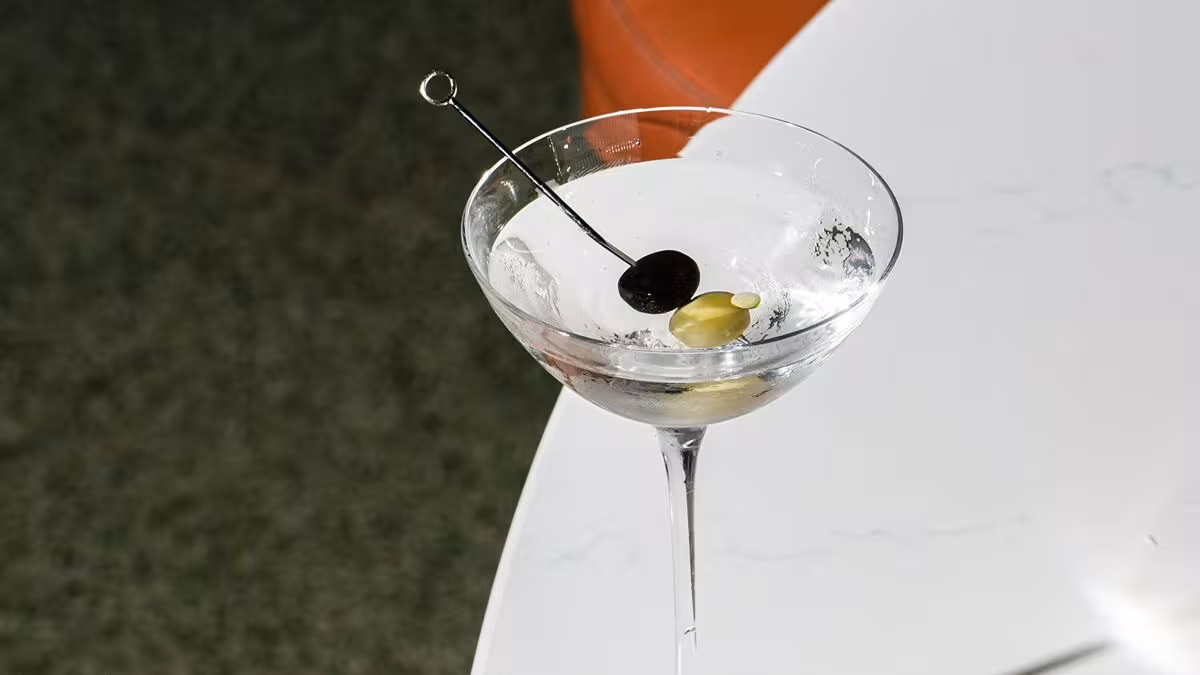
5. 50/50 Martini Cocktail
The 50/50 Martini cocktail consists of an equal quantity of gin and dry vermouth, usually with orange bitters and a twist of lemon. It is reminiscent of the early recipes of the Martini cocktail.
This is balance in a glass. No ingredient is overly assertive. Gin delivers juniper and botanicals, while dry vermouth gives out notes of herbs, flowers and citrus. Orange bitters offer one more aromatic component, and lemon peel gives bright citrus oils. This is a Martini cocktail variation in which the modifier is given equal consideration.
Why These Variations Matter
A quick look at these variations shows that “Martini” cocktail describes less of a rigid formula and more of a mixology lineage. The details shape its personality:
Vesper cocktail: spirit-forward structure and botanical depth.
Gibson cocktail: savoury, tangy onion character.
Martinez cocktail: sweet vermouth, maraschino and bitters for richness.
Reverse Martini cocktail: vermouth-forward balance.
50/50 Martini cocktail: equal partnership between gin and dry vermouth.
Conclusion
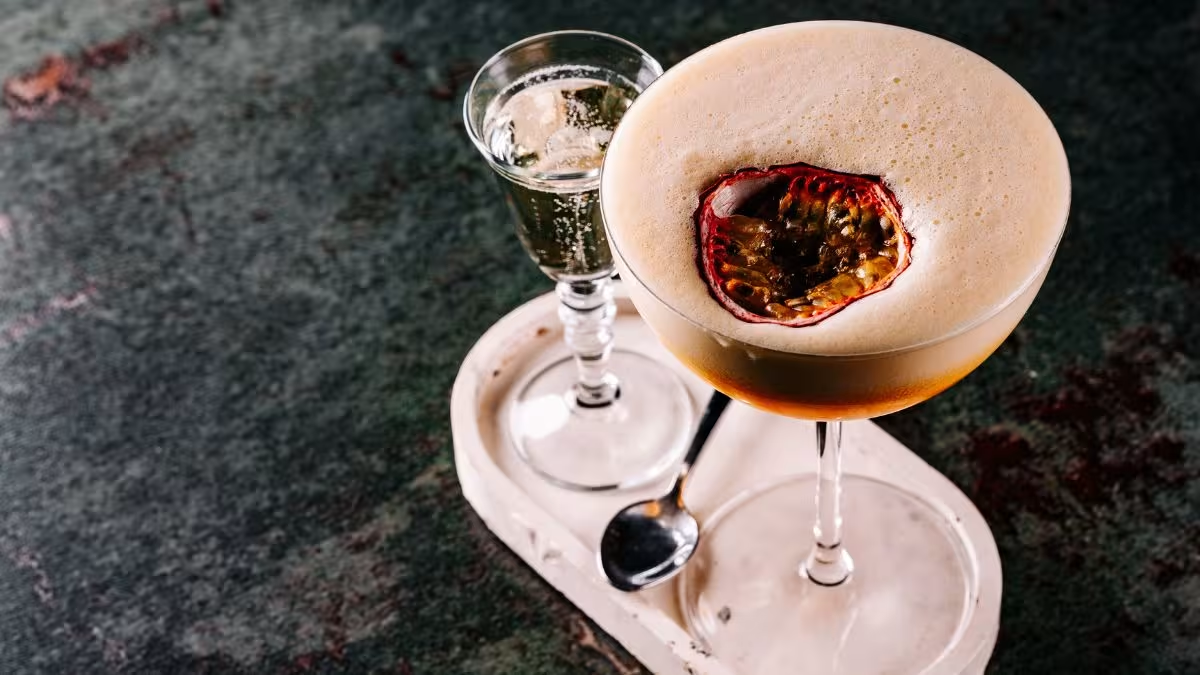
Martini cocktail variations show the drink’s ability to change throughout history without losing its original style. Over the years, it has become a defining part of mixology, giving birth to multiple riffs; some look nothing like the original, dry, gin-forward mix but carry its name. Like the espresso martini cocktail. Others introduce only the minutest of changes but create a world of difference. Like the Gibson. Whether you go by the well-established variations or create your own riffs, there’s a lot to explore with this classic cocktail.
*Drink Responsibly. This communication is for audiences above the age of 25.
FAQs:
Yes, a garnish isn’t mandatory, but it can affect the aroma and flavour of the drink. Cocktail onions, citrus twists, and olives produce totally different results compared to bare drinks.
You May Also Like



Drink Responsibly. This communication is for audiences above the age of 25.
Yash Lakhan


More from The Bar



Stay Inspired
Sign up to our newsletter for exclusive recipes, insider secrets and special offers - all delivered straight to your inbox.
