Classic Piña Colada Recipe

The Piña Colada cocktail stands as a globally recognised tropical beverage, widely associated with Caribbean resort culture. Originating in Puerto Rico, this cocktail first gained attention in the 1950s. Although its exact origins remain contested among local bartenders, it was officially declared the island’s national drink in 1978. Its name, meaning “strained pineapple” in Spanish, reflects its foundational fruit element.
Designed for humid summer climates, the Piña Colada cocktail developed from regional preferences for coconut as well as pineapple, blending them to suit both local tastes and international demands. This isn’t the only drink to bring together coconuts and pineapples. Another tropical cocktail, Chi Chi, uses the same mix of ingredients (pineapple juice and cream of coconut), but the base is vodka instead of rum.
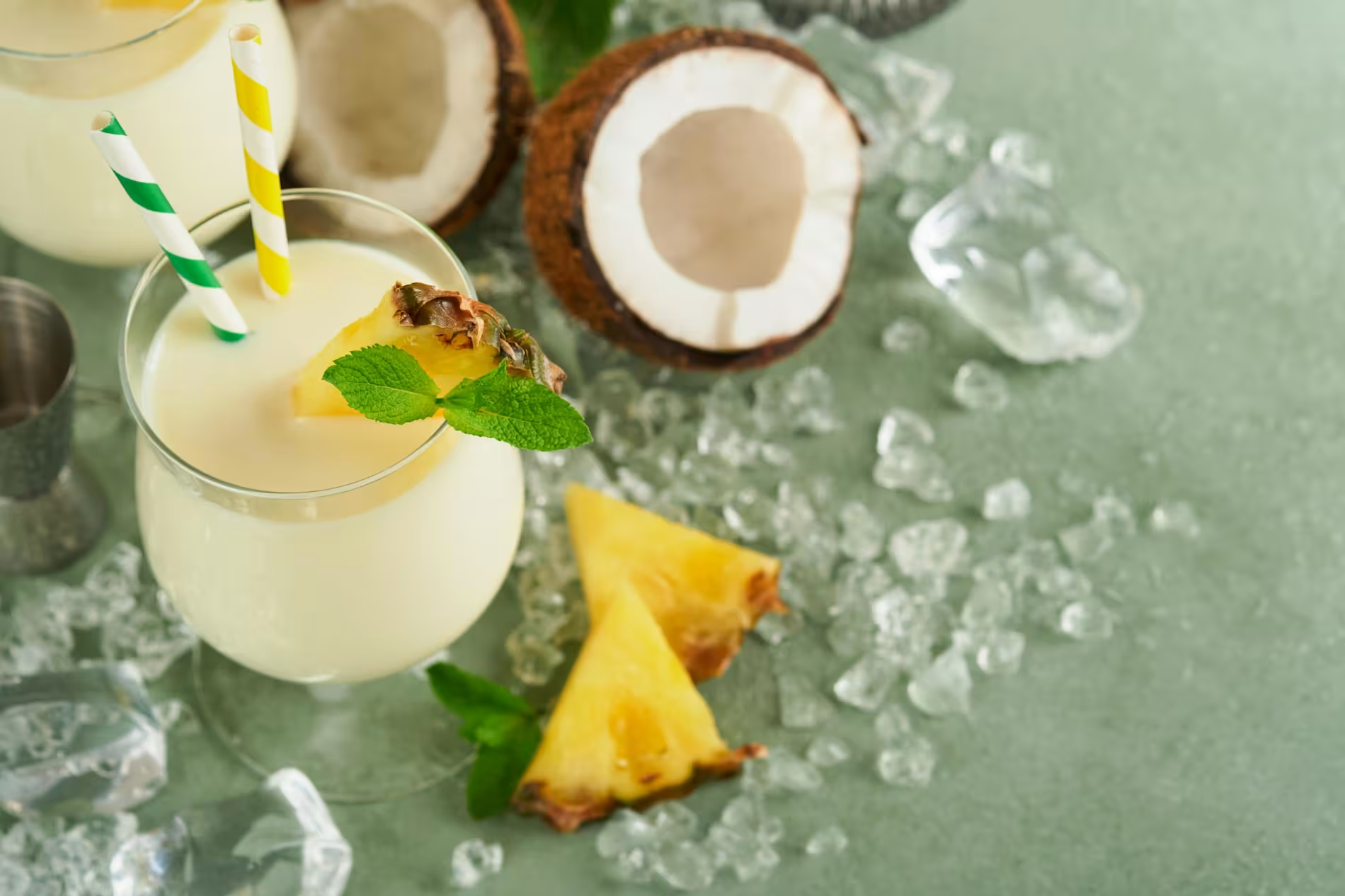
Typically presented in a tall curved glass, the drink is known for its distinctive texture, created through precise shaking or blending techniques. The drink’s structure is built to support a wide range of textures, depending on the method used, whether blended for thickness or shaken for clarity. Its global aesthetics lie in its ability to balance sweetness and acidity while providing a suitable option for any setting.
Because of its flavour, the cocktail pairs well with spicy, smoky, and citrusy foods like fish tacos, grilled vegetables, or even spicy jerk chicken. To achieve a well-balanced food and drink pairing, follow the basic flavour principle: Sweetness and cream from the drink need acidity and heat from the food, or the cocktail will feel cloyingly sweet or thick.
How To Make Piña Colada Cocktail Variations With The Same Recipe
- Use gin, a London Dry or any other, instead of rum to introduce a drier, botanical profile. The original balance of cream of coconut, pineapple juice, and lime juice remains unchanged. Gin’s citrus and herbal notes add edge, giving the cocktail an aromatic finish.
- Use frozen pineapple instead of ice to boost fruit flavour. This change thickens the texture and eliminates dilution. The result is a fuller version that is closer to a dessert-style drink.
- Use coconut milk instead of cream of coconut for a lighter version. This adjustment reduces sweetness and creates a thinner texture.
- Substitute the pineapple juice with mango juice for a softer fruit profile. Mango introduces smoothness and less acidity. It offers a mellow, rounded alternative while retaining the original proportions.
- Add a small amount of chilli tincture for a spiced tropical twist. Just a few drops can introduce controlled spice. This variation improves complexity without masking the creamy base.
- For a non-alcoholic version, simply skip the rum. This is actually one of the easier cocktails to convert into a mocktail because there is little change in the recipe except for omitting an ingredient.
What you’ll need
Ingredients
- Light Rum45ml
- Cream of coconut34ml
- Pineapple juice34ml
- freshly squeezed lime juice11ml
- Pineapple wedgefor garnish
- Pineapple leaffor garnish
- Ice cubes
Equipment
- Blender
- Highball glass
Method
Step 1
Place the light rum, cream of coconut, pineapple juice, and lime juice into a blender.
Step 2
Add ice cubes, then blend until the consistency becomes smooth and fully combined.
Step 3
Pour into a chilled hurricane or highball glass.
Step 4
Garnish using a pineapple wedge and a single pineapple leaf.
You May Also Like



More from The Bar



Stay Inspired
Sign up to our newsletter for exclusive recipes, insider secrets and special offers - all delivered straight to your inbox.
