What Makes Gin And Tonic One Of India's Most Unexpected Mixology Legacies?

Introduction
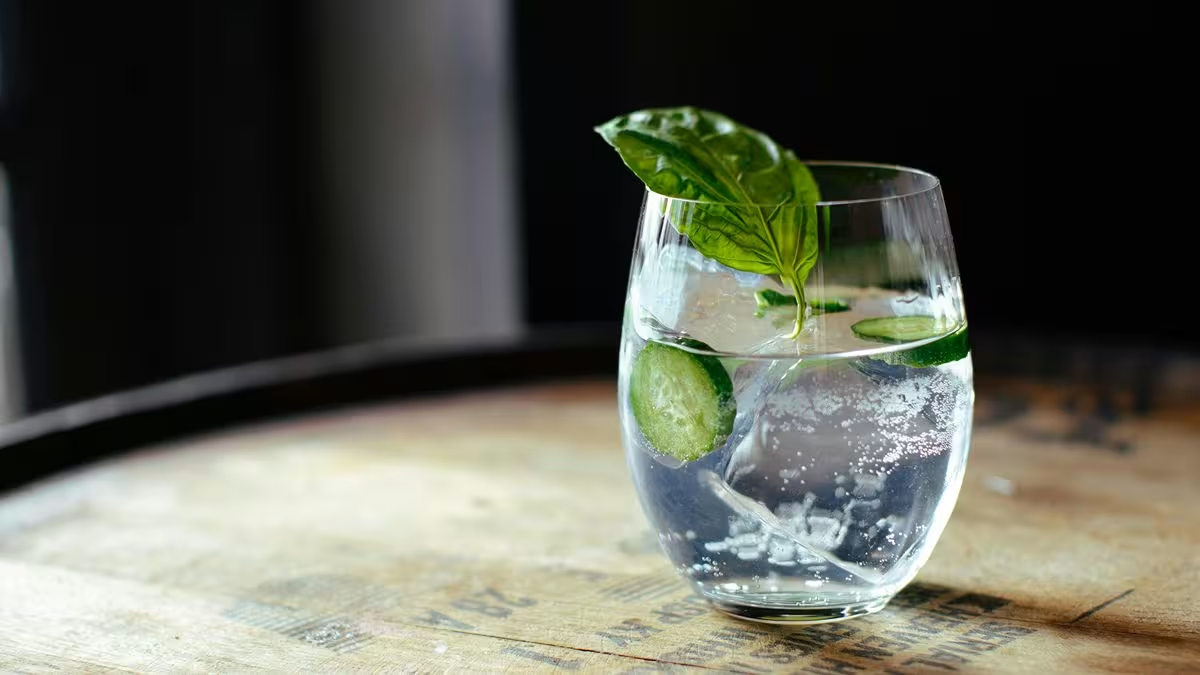
The Gin and Tonic cocktail has an unexpectedly Indian chapter in its history. The drink's connection to the subcontinent developed during British colonial rule, when quinine-based tonic was used beyond the way we know it today. To balance the bitter flavour, gin, sugar, citrus and carbonated water became part of the story, creating the foundation for the classic combination. Gin and Tonic Day, celebrated on October 19, carries echoes of that history.
How Did Tonic Water Enter The Indian Story?
Quinine came from the bark of cinchona trees found in South America. Commercial quinine tonics began to appear in Britain during the 1850s. The drinks combined quinine with carbonated water and sweeteners, thus creating something similar to what is now known as tonic water. Later on, an Indian tonic water was introduced in 1870, thus establishing a firm link between tonic water and British India.
Why Was Gin Added To Tonic?
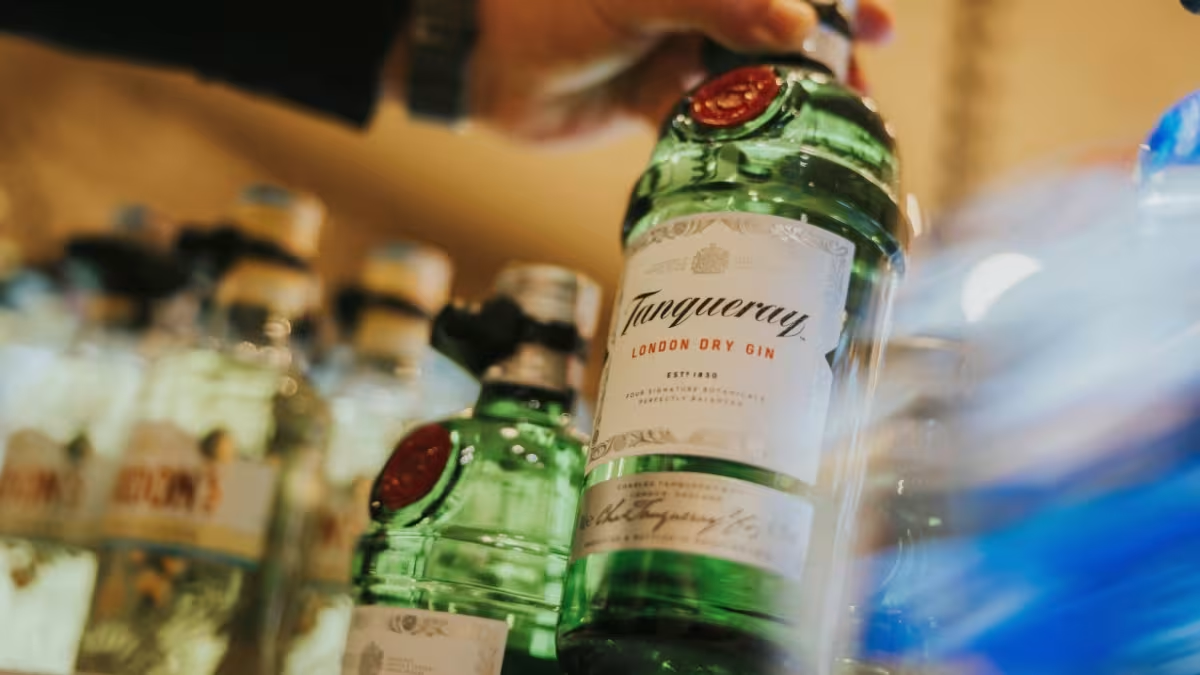
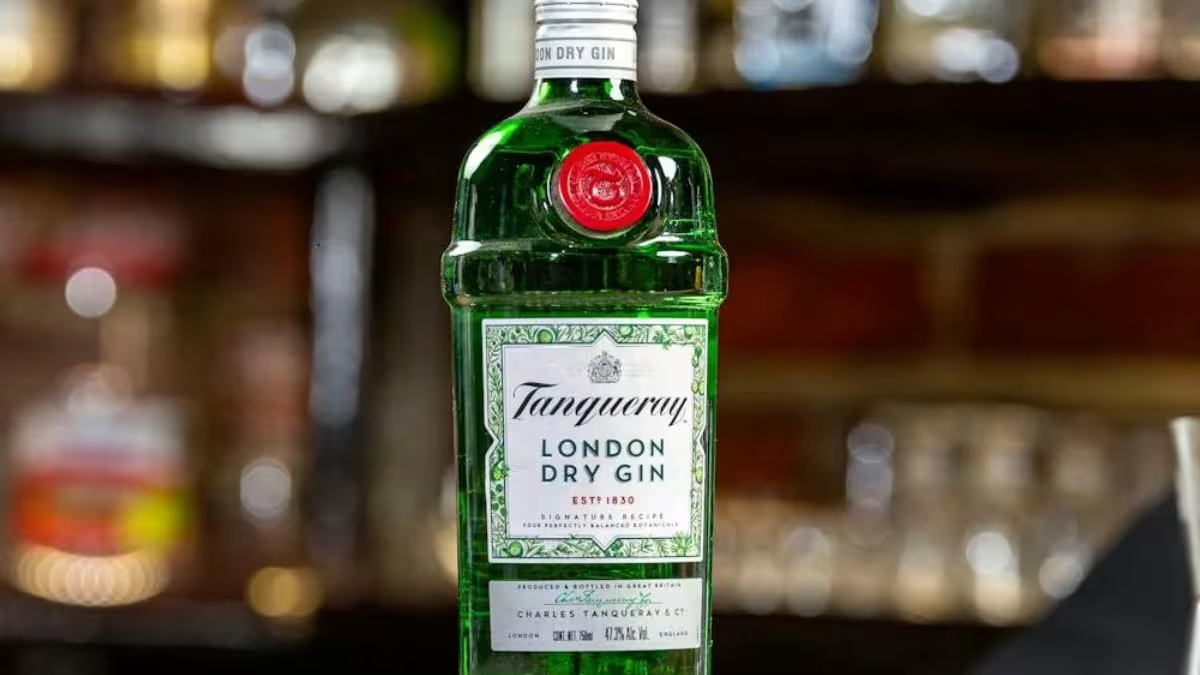
Quinine is stereotypically bitter, and that bitterness holds the key to understanding the origins of the first Gin and Tonic cocktail. According to historical sources, the British officers used to mix gin with sugar and citrus to make a balanced drink. The gin contributed gin aroma and flavours, the sugar neutralised quinine bitterness and citrus supplied acidity. This was the beginning of making the classic Gin and Tonic cocktail known to the world today.
However, what is now understood as the Gin and Tonic cocktail was not simply invented by a particular set of British soldiers; this is a much more complicated story that historians are still trying to figure out.

What Does British India Have To Do With The Modern G&T Cocktail?
India contributed significantly to the formation and early success of the beverage. One particularly interesting mention might be a reference in the Oriental Sporting Magazine from the year 1868, where the Gin and Tonic cocktail first got a mention. By that time, the mix had already begun to gain popularity, helping quinine tonic evolve into a staple cocktail ingredient.
The Indian connection gives the Gin and Tonic cocktail a much more nuanced backstory than might currently be suggested by the established format. Various aspects of the colonisation period, such as the availability of quinine and the drinking habits of the British people, played a role in the formation of this beverage.
How Did Tonic Become A Common Mixer?
These days, tonic is nothing like the quinine concoctions that were used back when tonic was first invented. At the beginning, quinine provided the bitterness in tonic. That bitter taste is still a trademark feature of tonic. But when used in combination with gin's herbal taste and various citrus notes, it transforms into a layered cocktail.
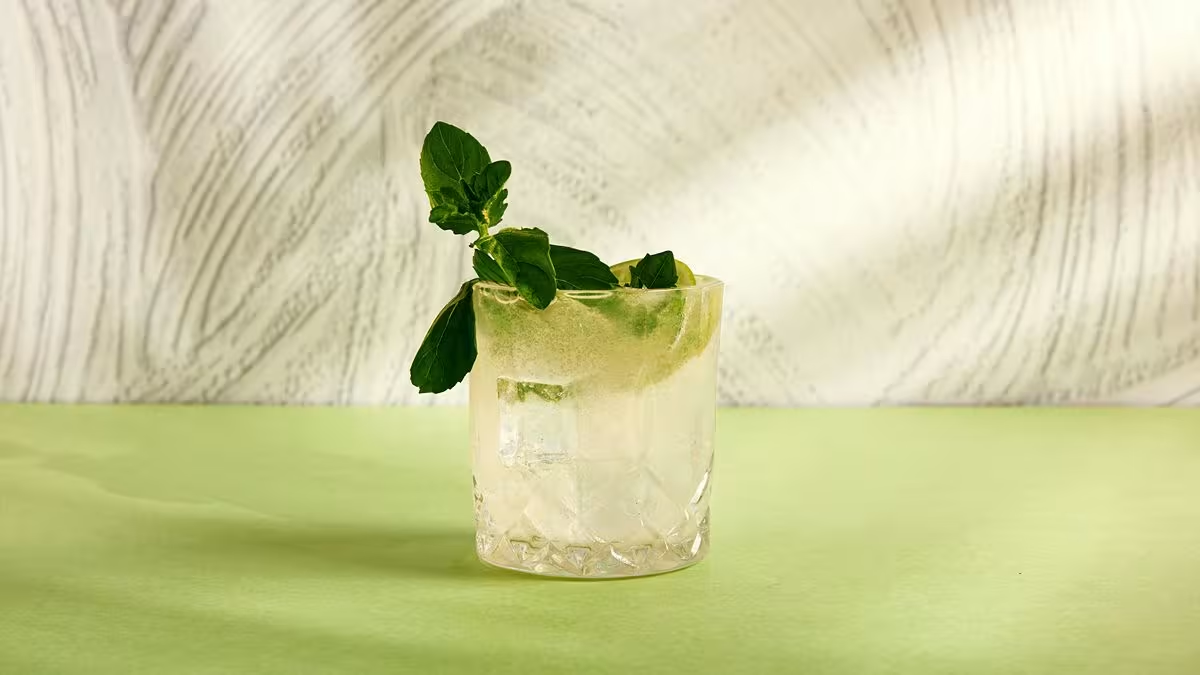
This also explains why the proportions and garnishes matter so much today. Lime can bring acidity and citrus aroma, while different gins can emphasise floral, herbal, spicy or citrus-led notes.
What Makes The Gin And Tonic Cocktail Story So Interesting?
The history becomes more fascinating when it is placed within the framework of the widely used term “British cocktail”. Its elements came from various parts of the world, while its early exploration was related to colonial India, and its modern identity continues to evolve due to the work of bartenders.
Quinine: This bitter substance that is derived from cinchona bark, is originally from South America.
Tonic water: The first commercially available quinine tonics were produced in Britain and later became associated with India.
1868 reference: The first printed information on the drink.
Modern India: Currently, Indian bartenders apply their own local ingredients like citrus fruits, such as gondhoraj lime, and local herbs.
Conclusion
The Indian history of the gin and tonic is a classic example of how cocktails are not just a drink in a glass, but at times, a living relic of history. Be it the Tiki-style drinks that gave rum a whole new definition or the fight over Pisco that Chile and Peru engage in, spirits and cocktails have always been intertwined with a country’s food and beverage culture. So, the next time you raise a glass of gin and tonic, remember the role of Indian history in making the mixer.
*Drink Responsibly. This communication is for audiences above the age of 25.
FAQs:
The Gin and Tonic cocktail is associated with British India because the use of tonic was popularised during the colonial period. Quinine tonics were mixed with gin, sugar and citrus to reduce their bitterness and create a balanced serve.
You May Also Like



Drink Responsibly. This communication is for audiences above the age of 25.
Yash Lakhan


More from The Bar




Stay Inspired
Sign up to our newsletter for exclusive recipes, insider secrets and special offers - all delivered straight to your inbox.
