K-Tapas & Cocktails: Small Bites With Big Flavours For Every Occasion
Introduction
Assertive flavours, a variety of textures, and a range of cooking techniques characterise K-Tapas, a Korean-inspired twist on small dishes or appetisers. These recipes frequently combine fermented, grilled, and pan-fried ingredients with sweet, savoury, spicy, and umami-rich components, as traditionally seen in Korean food. The texture ranges from soft and chewy, like marinated meat bulgogi pieces or tteokbokki, to crispy and crunchy, like fried seaweed rolls or kimchi pancakes.
Cooking techniques include deep-frying, grilling for smoky flavours, and rapid stir-frying for flavourful but soft proteins and veggies. Sesame oil and garlic provide aroma, while fermented ingredients like kimchi and gochujang add tang. Get to know more about Korean food, K-tapas, and fusion dishes to serve with a variety of cocktails.
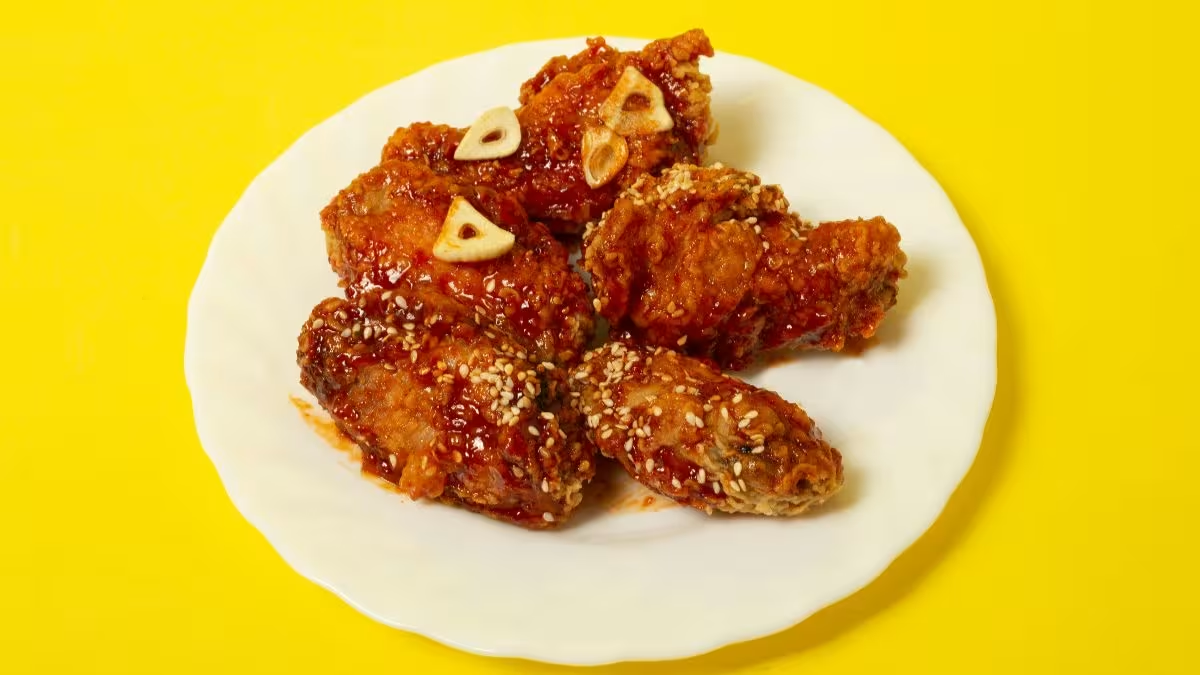
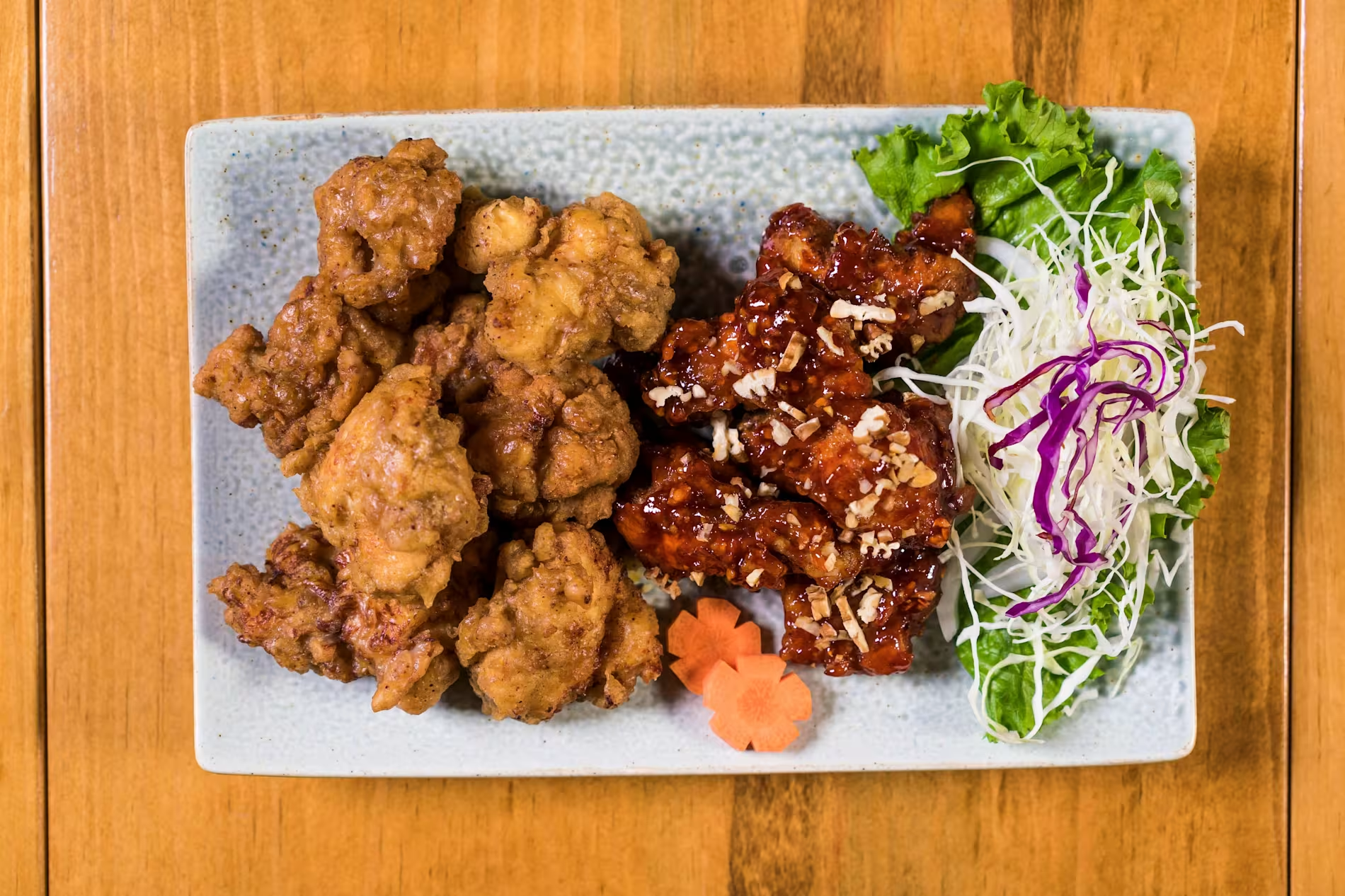
Korean fried chicken is one of the more popular Korean dishes, known for its light, airy crispness as well as its spicy-sweet glaze. It has a tangy and balanced spicy flavour. For the distinctive texture, marinate chicken pieces in soy and garlic at home, then coat them with potato starch and fry them twice.
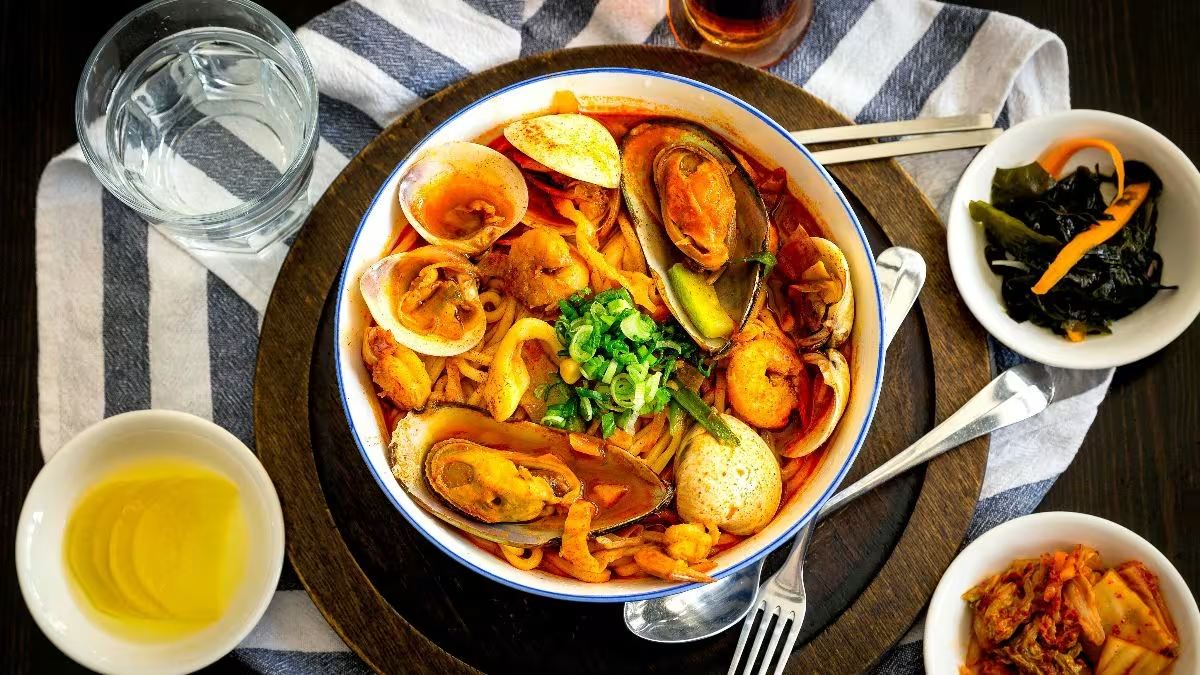
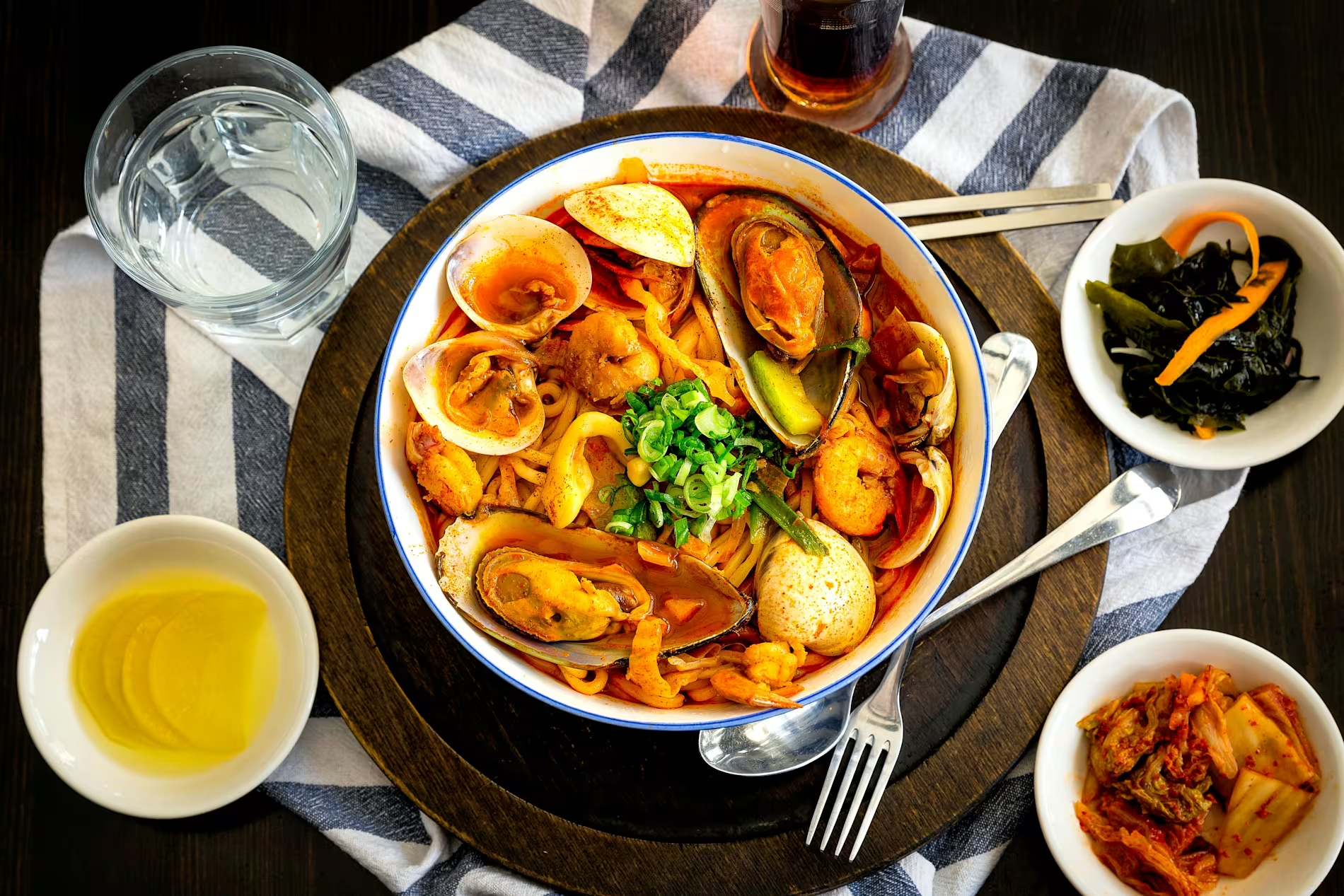
Soft noodles served in a spicy, acidic broth with the crunch of fermented cabbage are known as kimchi ramen. Make it by simmering store-bought kimchi in vegetable stock, then adding noodles and finishing with a soft egg and scallions.
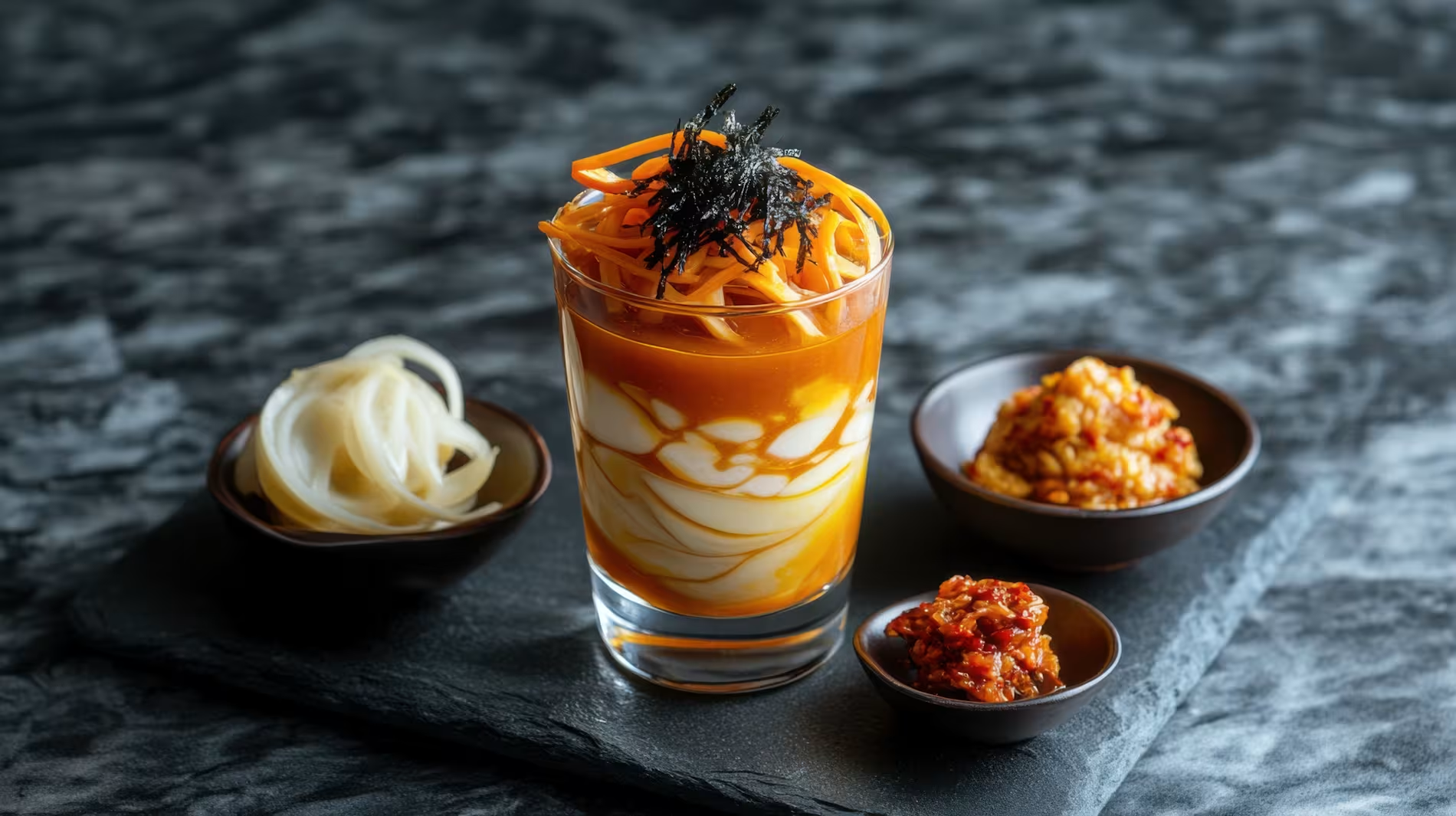
The rice wine concoction is crisp and light. Combine 30 ml of soda water, 15 ml of rice wine, a few mint leaves, and 2 ml of lime juice.
This trio works well for a tapa spread because the spicy ramen and crisp chicken need an effervescent counterpoint to the spiciness. The meal feels light but distinct because of the rice wine cocktail, counteracting the richer textures.
This combination is well-suited for a tapa spread that is centred around sweet Korean dishes and drinks. Here’s how you can recreate this combination:
Fresh lemongrass should be muddled, shaken with 20 ml of coconut water and 15 ml of white rum, and then strained.
A fermented wine drink has a slight acidity and sweetness. Add 30 ml of sparkling water, 15 ml of Korean makgeolli, and garnish with yuzu zest.
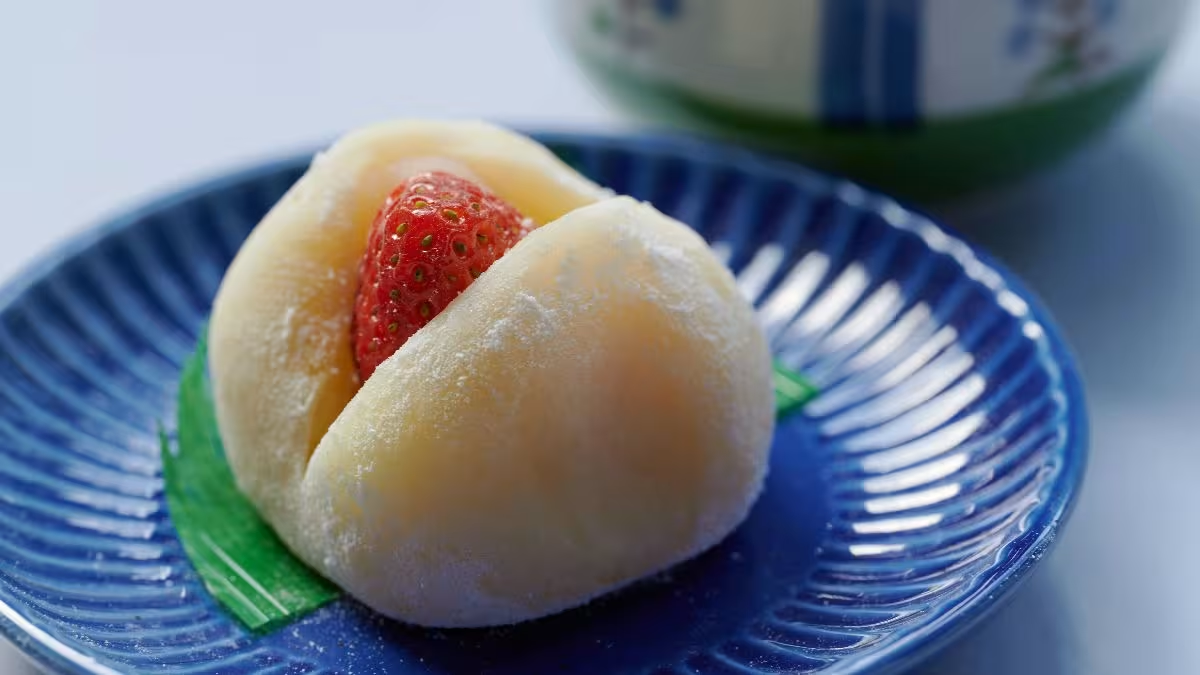
Mochi is a somewhat sweet, soft, chewy rice cake that frequently has matcha or red bean fillings. Glutinous rice flour can be steamed with water and sugar at home, then kneaded into a soft dough and rolled around with fillings.
Tteok, or fried rice cakes, have a mild flavour that absorbs sauces and are crispy on the outside and chewy on the inside. Sliced rice cakes should be shallow-fried till golden brown. Salt and sesame seeds provide dimension to these earthy, crispy on the outside, soft on the inside sweet potato fries. Use little oil when baking or air-frying them at home. The soju cocktail adds a hint of sweetness. For this, you will need 30 ml of peach juice, 15 ml of soju, and 2 ml of lemon juice. Because the fries and chewy fried rice cakes require a crisp beverage, this combination works well by providing a fruity lightness.
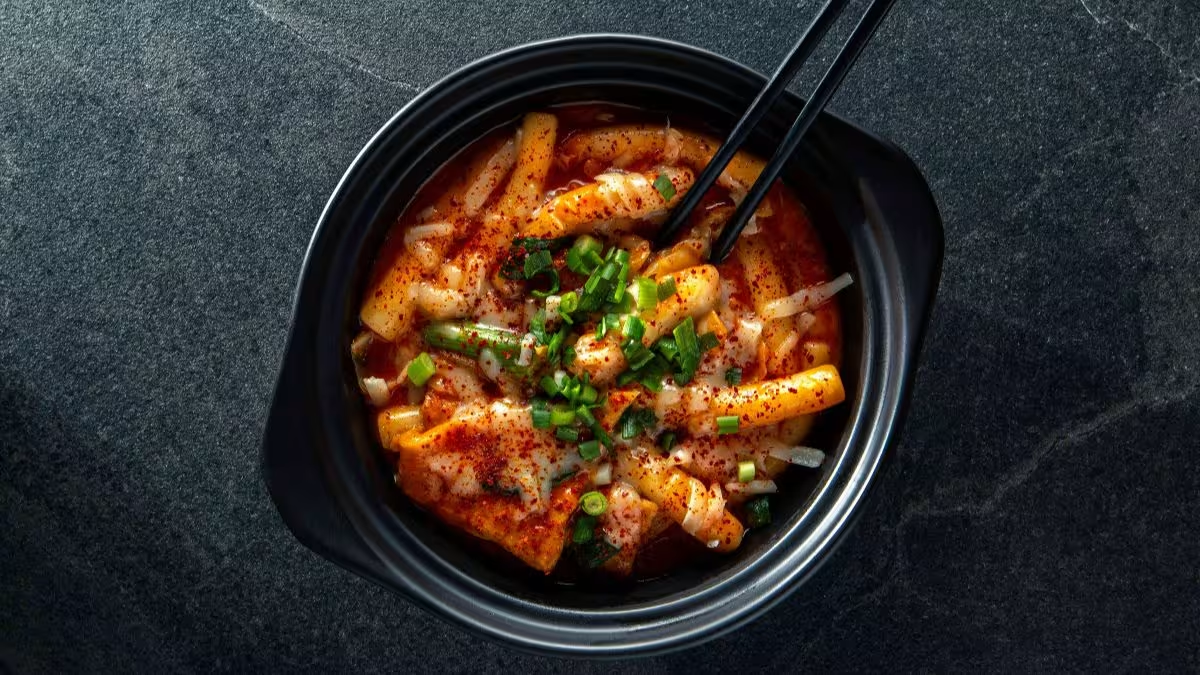
A traditional Korean food, spicy tteokbokki, consists of soft, chewy rice cakes cooked in a thick, spicy sauce made with gochujang and with some sweetness. Rice cakes are simply prepared by cooking them in a broth that contains soy sauce, sugar, and gochujang.
Seaweed salad has flavours of vinegar and sesame and is crisp, light, and somewhat saline. Soak dried seaweed at home and combine it with rice vinegar, sesame oil, and soy.
Light acidity and subtle sweetness are features of the plum wine cocktail. Add a fresh plum slice, 30 ml of tonic water, and 15 ml of plum wine. Because the crisp, chilly textures of seaweed salad balance the spice and chewiness of tteokbokki, this combination works well as a tapa spread.
Tender meat marinated in soy, sesame, garlic, and sugar gives grilled bulgogi skewers their sweet, savoury, and smoky flavours. Slices of thin meat should be marinated, skewered, and grilled until charred at home. Rich meats are cut through by the acidic crunch of pickled radish. Slice the daikon and quickly pickle it by soaking it in rice vinegar, sugar, and salt. The honey ginger cocktail has a hint of spice and is smooth. Combine 30 ml of ginger ale, 15 ml of bourbon, and a honey drizzle for garnish.
Any drink and dish fusion or classic can fit into a tapas concept by focusing on small portions, balanced flavours, and easy pairing. The idea is to keep the drink light while the dish offers texture and taste contrast, allowing recipients to explore a variety of Korean dishes.
K-tapas creates a foundation for hosting by serving a multiplicity of smaller-format dishes together that have layered Korean dishes and flavours. Each Korean food or dish can be distinguished from one another through the interplay of spices, fermentation aspects, sweetness, and texture, whilst contributing to an aesthetically pleasing, cohesive overall presentation. When paired with cocktails, each element enhances the others rather than working against them; thus creating a more synchronised combination.
*Drink Responsibly. This communication is for audiences above the age of 25.
FAQs:
Korea offers several great options for food served tapas-style. Popular dishes include fried chicken, tteokbokki (spicy rice cakes), kimchi pancakes, and bulgogi (marinated beef skewers).
You May Also Like



Drink Responsibly. This communication is for audiences above the age of 25.
Yash Lakhan


More from The Bar




Stay Inspired
Sign up to our newsletter for exclusive recipes, insider secrets and special offers - all delivered straight to your inbox.
