Understanding Bitter Flavour Profiles In Cocktails: Basic Ingredients And Balance

Bitter flavours play a unique role in cocktails, introducing depth and complexity to drinks. Whether used sparingly or as a defining feature, bitters provide balance to a drink. They complement sweet, sour, and savoury elements, turning a simple mix into a sophisticated drink. From aromatic to zesty, bitter components add a structured layer to classic and contemporary cocktails.
The profile of bitterness is diverse. It ranges from the spiced note to the vibrant citrus of orange bitters. Each kind interacts differently with other components, which makes bitters essential to get the intended cocktail character. Understanding their subtle influence helps one to change the taste of a drink.
Below, explore how to prepare cocktails with bitter flavours, discuss essential ingredients, and delve into the art of balance to master this fascinating component of mixology.
Preparing Cocktails With Bitter Flavours
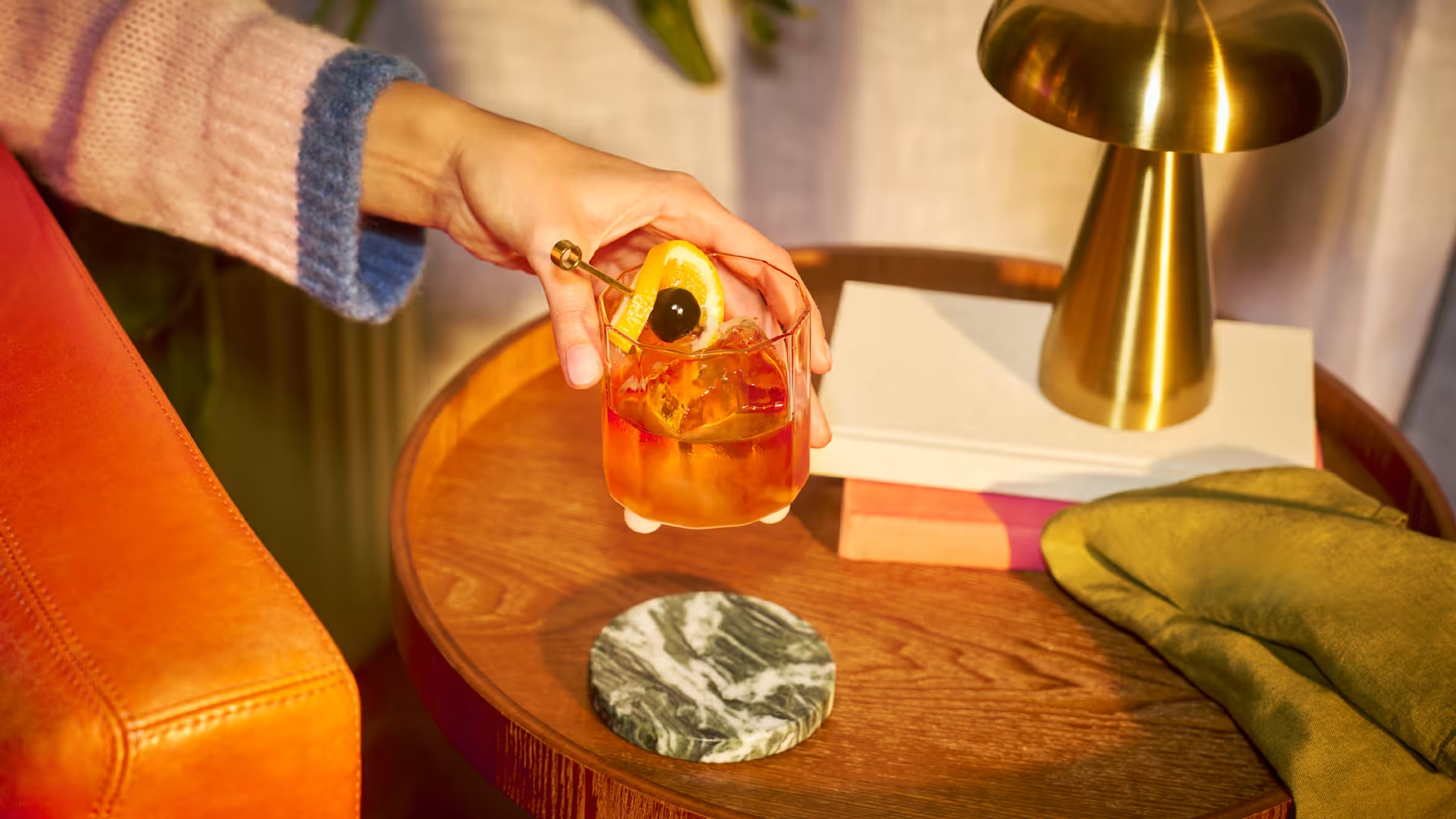
The old fashioned cocktail is a timeless example of balancing sweetness and bitterness. Combine a sugar cube with a few dashes (2–3) of bitters in a tumbler. Add 15 ml water to dissolve the sugar, then pour in 30 ml of bourbon. Stir with ice to chill and dilute slightly. Garnish with an orange twist.

To prepare a manhattan cocktail, mix 30 ml of rye whisky, 15 ml of sweet vermouth, and 10 ml bitters in a mixing glass with ice. Stir thoroughly before straining into a chilled martini cocktail glass. Garnish with a maraschino cherry. The bitters in this cocktail balance the vermouth's sweetness.
The negroni cocktail calls for equal portions (30 ml each) of gin, sweet vermouth and bitters. Put these elements in a mixing glass filled with ice and swirl until very cold. Strain into an old-fashioned glass filled with ice; top with an orange slice.

Bitters give a cocktail's complexity aromatic and flavourful depth. Botanicals including roots, herbs, bark, and spices provide these concentrated extracts of their bitterness. Every bitter variant offers a different taste.
When used judiciously, bitters counterbalance sweetness or acidity in a cocktail. Bitters also act as a seasoning, much like salt in cooking, tying together disparate ingredients for a cohesive flavour. The versatility of bitters allows bartenders to tailor the taste of drinks, ensuring they are balanced and layered.

Bitters are a primary component in achieving balance. Start by understanding the cocktail’s flavour profile. Pair the right bitter variety with the base spirit and mixers. For example, aromatic bitters work well with whisky while citrus-based bitters complement gin or vodka.
The use of sugar or sweeteners is critical. Bitters and sugar counteract each other, creating harmony. Acidity, often provided by citrus juice, further enhances the balance, as seen in drinks like whisky sour. Dilution through stirring or shaking with ice also affects the intensity of bitter flavours, ensuring they don’t dominate.
Moderation is key. Use bitters in small quantities (2–3 dashes per serving). Too much can overwhelm the cocktail, while too little might fail to provide the desired complexity. Experimenting with different types and proportions can lead to a perfectly balanced drink.
Check out: Big-Batch Cocktails: The 7 Best Gin Recipes

Bitter flavours are integral to cocktails, offering structure and sophistication to drinks. By understanding the types of bitters and their role in balance, one can master their use in creating well-rounded beverages.
Get inspired


Drink Responsibly. This communication is for audiences above the age of 25.
Rajan Bhattacharya


More from The Bar



Stay Inspired
Sign up to our newsletter for exclusive recipes, insider secrets and special offers - all delivered straight to your inbox.
