Umami Cocktails Are Rewriting Bar Menus In 2026
Introduction
Compared to traditional sweet cocktails, umami cocktails are getting more popular in 2026 as consumers want to explore complex and savoury layers rather than the same flavour. This has spread across many urban bars and restaurants in what is being referred to as "food cocktails" or rather, "Dinner in a Glass". Instead of using syrups, bartenders focus on using a combination of saline, fermentation, acidity, and ingredient complexity to create cocktails that work well with food.
Take a look at how the savoury cocktail trend 2026 came to be, the ingredients it requires, and popular cocktails to try.
Why The Savoury Cocktail Shift Happened So Quickly
The increase in umami cocktails has come quite quickly over the last few years, with many bars starting to take inspiration from the methods of professional kitchens when putting together cocktail menus. Fermentation, clarification, brining, sous-vide infusions, and layering of stock-like flavours are becoming much more common in bar programmes in places such as Tokyo, London, New York, and Singapore.
What accelerated the umami cocktails shift in 2026 is the change in consumer preferences. People are steering away from cocktails made with heavy cream, sugary-flavoured syrups, or excessively fruity ingredients, towards umami cocktails made using olive brine, clarified tomato water, mushroom-based tinctures, kombu-based saline, or roasted pepper distillates. In comparison to dessert-style cocktails, these umami cocktails tend to have a more extended flavour progression.
The trend towards umami cocktails in 2026 also reflects the greater popularity of fermented food and high-acid cooking. Globally, kimchi, miso, pickled vegetables, parmesan rinds, and condiments based on soya are ubiquitous throughout restaurant menus. It is only natural for bartenders to incorporate these flavour profiles into their drink offerings to complement the modern tasting menu.
The “Dinner In A Glass” Movement Explained
“Dinner in a Glass” describes an increasing tendency in cocktail design to reflect similar qualities (balance, aroma, etc.) of food. Bar programmes are focusing on combinations and ingredients that go beyond sweet and fruity characteristics. Some recurring characteristics of savoury ingredients include:
Saline finishes from sea salt tinctures or olive brine
Fermented depth from miso, soy sauce, or koji
Fat texture through butter or sesame oil washing
Herbaceous sharpness from dill, basil, coriander, or celery leaf
Acid structure using verjus, pickling liquid, or rice vinegar
Smoke and roasted notes from charred vegetables or lapsang tea
In these instances, the umami cocktail will contribute to the overall flavour complexity, rather than merely offering a sweet contrasting element at the meal.
Why MSG And Saline Ingredients Are Appearing In Cocktails
One of the most talked-about developments in umami cocktails has been the deliberate use of savoury amplifiers such as MSG, kombu stock, anchovy tincture, and saline solutions. These ingredients are normally used in very small quantities in professional bars to enhance the flavour structure, not to carry the drink.
MSG, or monosodium glutamate, is a seasoning added in tiny amounts to add savoury depth, cut bitterness and build broader, longer-lasting flavour structure in cocktails. Bartenders often use MSG with tomato water, mushroom distillates, or clarified vegetable infusions, where the ingredient melds in an understated manner into the background.
Similarly, sugar is being replaced by saline solutions, acting as balancing agents. A few drops of salt solution can sharpen citrus notes, widen texture and extend flavour without sweetness. Modern versions of the Dirty Martini cocktail, the Pickle Martini cocktail, and savoury tequila highball cocktails now use this standard practice.
How Fat Washing Changed Modern Cocktail Texture
While the umami cocktail trend looks at the final drink, there are different ingredients at play, like the aforementioned MSG. Or a fat-washed spirit. Fat washing is a technique that has been gaining momentum in cocktail menus. Fat washing infuses a spirit with fats (butter, bacon, sesame oil, etc.), before chilling and filtering the liquid to remove excess fat while retaining flavour, aroma, and texture. Bartenders have developed drinks using fat-washed spirits such as:
Brown butter-washed bourbon for nutty depth
Sesame oil-washed gin for roasted savoury notes
Olive oil-washed vodka for a peppery texture
Bacon-washed whisky for smoke and salt interplay
Coconut fat-washed rum for restrained creaminess
The inclusion of fat-washed spirits in umami cocktails results in a more full-bodied mouthfeel. While creating savoury cocktails, texture is as important as acidity and aroma. As an example, a miso-washed whisky cocktail will have a round and smooth grain finish, which would pair perfectly with charred meats and aged cheeses.
The Cocktails Leading The Savoury Movement
The savoury cocktail trend in 2026 has been led by a few cocktails that have shown how savoury ingredients can be used to add structure to the drink without being overly assertive.
The Pickle Martini cocktail is based on a structure of brine, dry vermouth, and vodka. Since it contains the seasoning from the brine, the cocktail focuses more on the salinity, the acidity and the herbal nature of the drink, than the richness usually acquired through olives.
The Caprese Gimlet cocktail utilises a mixture of basil oil, tomato water, and balsamic to replicate the flavour architecture found in a salad and build an umami cocktail that is prominently structured with citrus flavours.
The Oyster Martini cocktail consists of oyster brine, dry vermouth, and crisp vodka or gin, delivering mineral salinity, seafood sharpness and a moderately savoury touch to the drink.
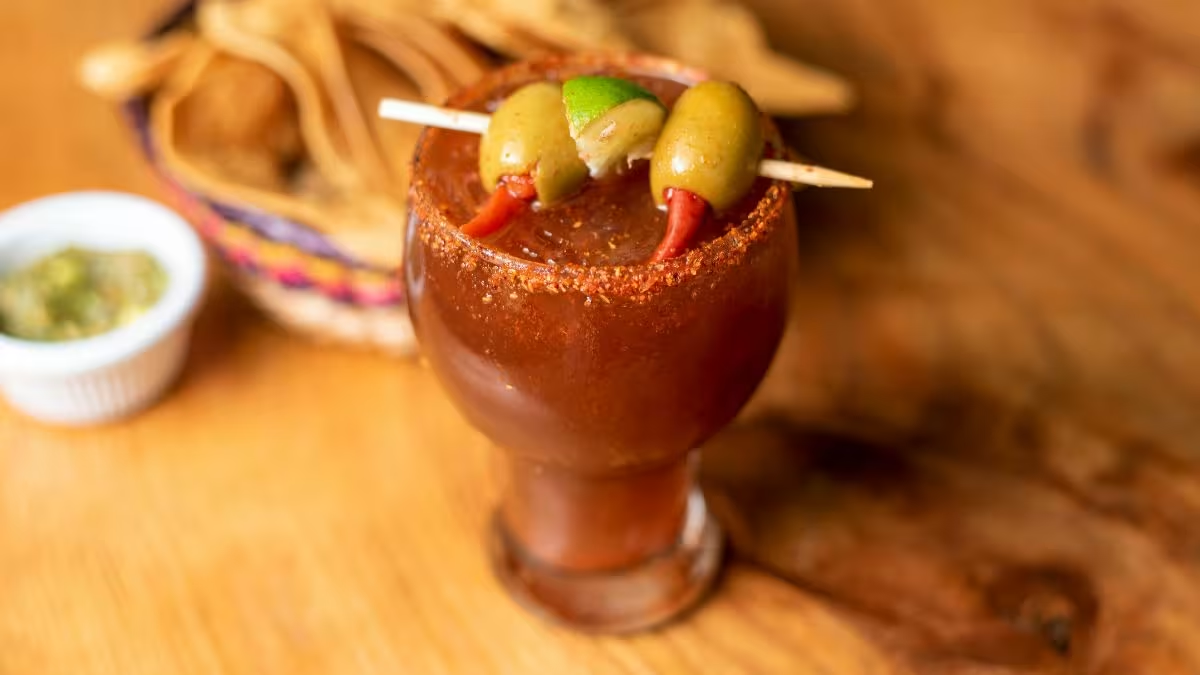
The Michelada cocktail has several layers to it; lime juice, chilli pepper, Worcestershire sauce, tomato, and lager create a drink that is characterised by spice, acidity and salt. There is no sweetness to it.
The Dirty Gibson cocktail is made with cocktail onions instead of the more common olives, creating a sharper pickled acidity than is usually found in a Gibson cocktail or Martini cocktail, while being much less sweet than either of those styles.
Conclusion
Umami cocktails have now overtaken traditional sweet cocktails as the preferred drink choice at bars and restaurants in 2026 as a reflection of modern dining itself. The “Dinner in a Glass” movement is encouraging bartenders to utilise techniques like fat washing, brining, and controlled umami amplification. Rather than functioning as sugary standalone drinks, these umami cocktails now operate as flavour-driven extensions of contemporary food culture.
*Drink Responsibly. This communication is for audiences above the age of 25.
FAQs:
Umami cocktails are savoury drinks made using ingredients such as tomato water, miso, kombu, olive brine, mushrooms, or parmesan cheese to build up complex layers and a saline structure.
You May Also Like
Johnnie Walker Blue Label Elusive Umami | The Bar

Drink Responsibly. This communication is for audiences above the age of 25.
Yash Lakhan


More from The Bar


Stay Inspired
Sign up to our newsletter for exclusive recipes, insider secrets and special offers - all delivered straight to your inbox.
