5 Common Mistakes To Avoid When Turning Famous Cocktails Into Mocktail Drinks

Introduction
If you thought turning a cocktail into mocktail needed just one thing–removing the alcoholic ingredient –then this one’s for you! Mocktail drinks need to reflect the actual characteristics of cocktails instead of just swapping or eliminating the alcohol. The challenge is replicating each cocktail's balance, texture, aroma and layering. Many classic cocktail drinks like Margarita, Mojito, etc. depend upon bitterness, acidity, carbonation, botanicals, or textures. The same balance needs to be replicated in non alcoholic drinks.
Here are five errors that can ruin classic cocktail-to-mocktail conversions.
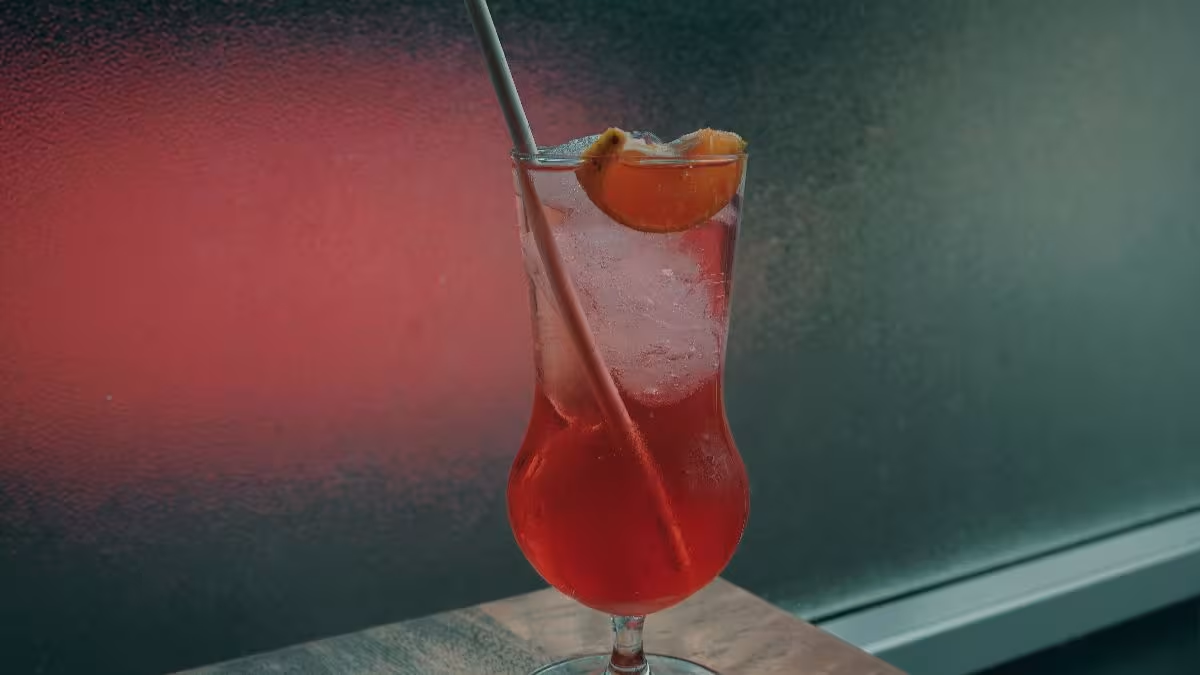
Mistake 1: Treating Every Cocktail Like A Juice-Based Drink
This is a major mistake when making cocktails. Replacing spirits with extra fruit juice will lead to a cocktail that is sweet and doesn't have a defined structure or character. The classic cocktail has a balance between sweet and sour, bitter and aromatic. If you do not have some form of bitterness or complexity, you may end up with only a one-dimensional drink. Many bartenders will suggest that you add apple or white/grey teas, botanicals, bitters or other types of flavoured ingredients that will help create a profile for the cocktail instead of just using juice.
Examples:
Margarita cocktail to mocktail: Maintain citrus sharpness rather than increasing the amount of orange juice
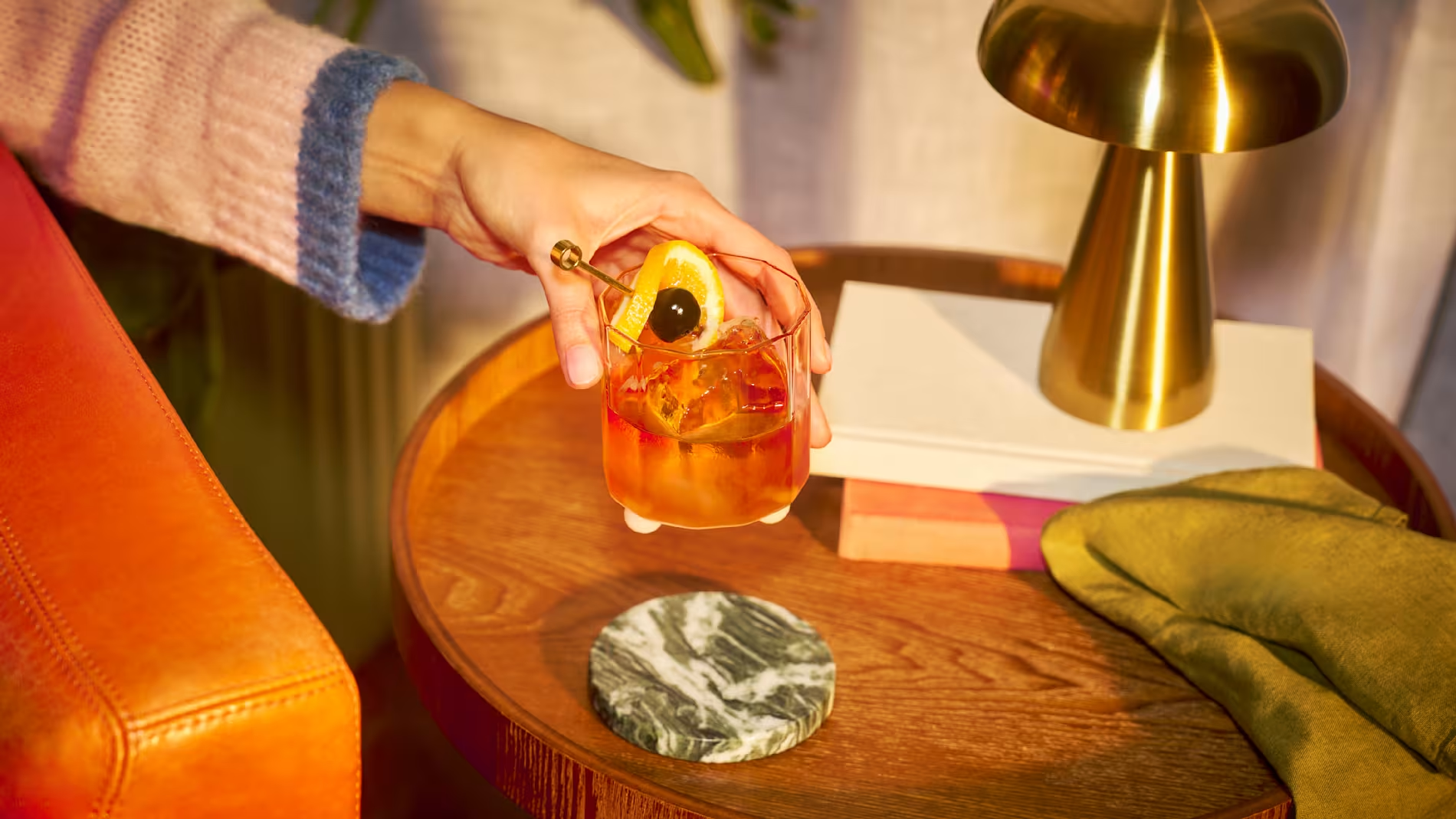
Old Fashioned cocktail to mocktail: Introduce bitterness and spice instead of adding sweetness
Mistake 2: Ignoring The Original Cocktail's Signature Flavour
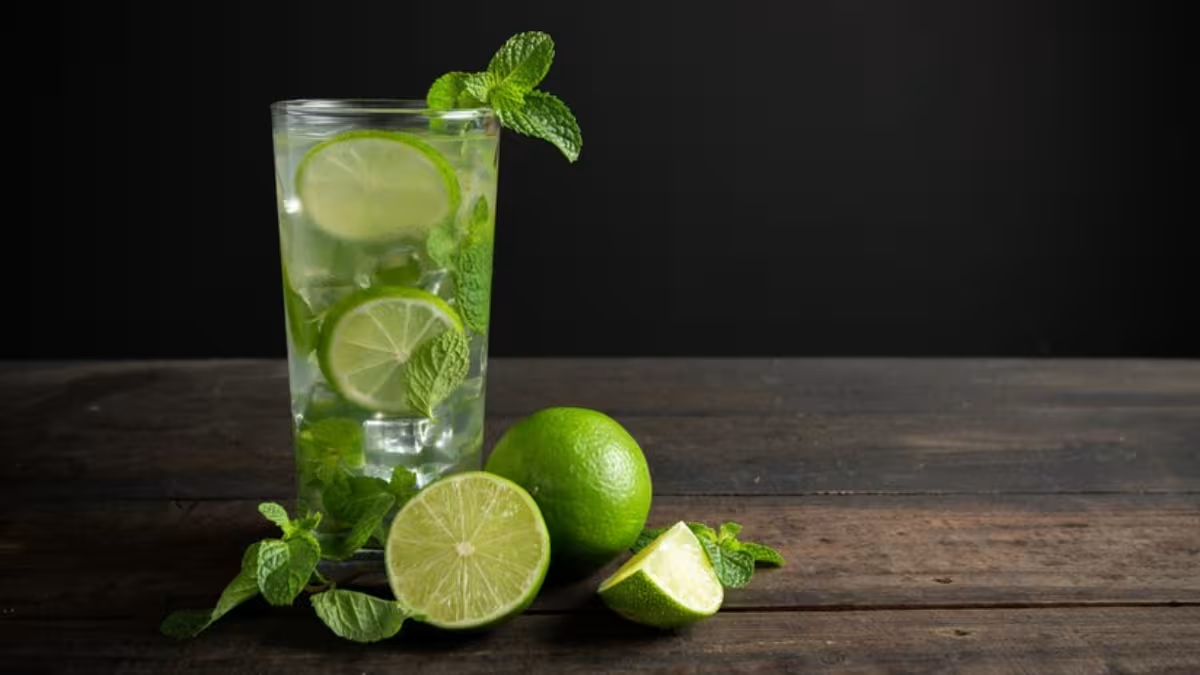
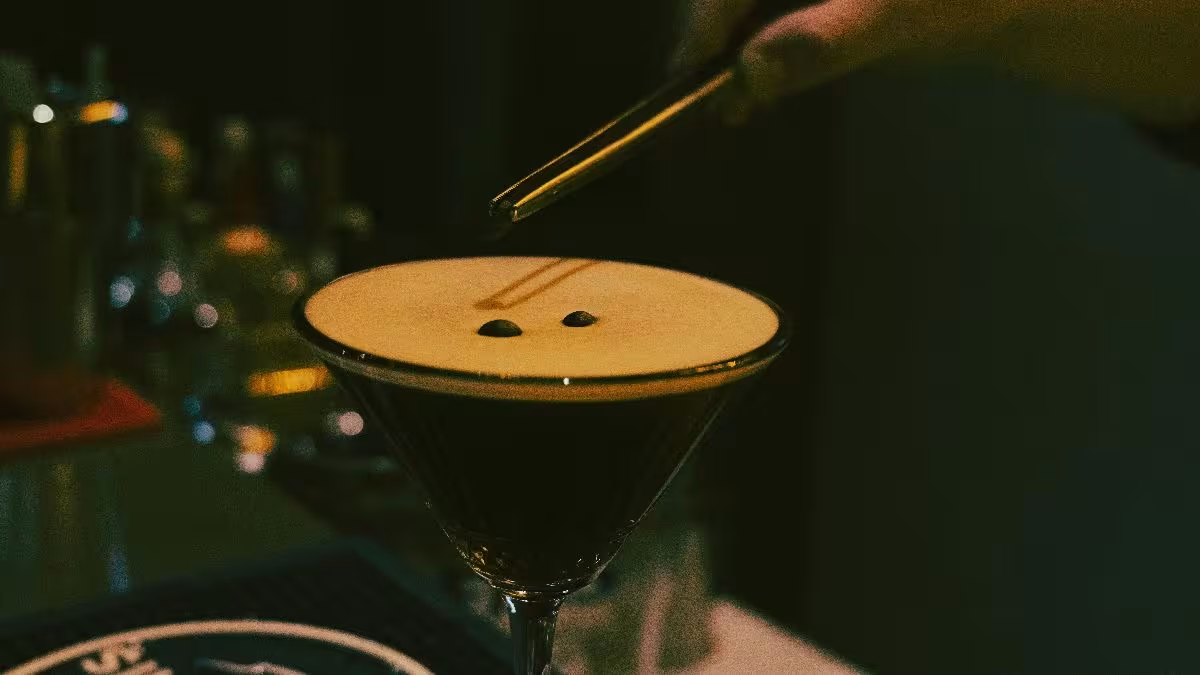
Every cocktail has a uniquely identifiable flavour. For example, the Mojito cocktail is known for its fresh mint and lime aroma/flavour, while the Espresso Martini cocktail has a prominent coffee aroma and flavour with a very frothy top. A non-alcoholic version of these drinks must maintain the flavour characteristics..
For example, to create a non-alcoholic version of the Mojito cocktail, you will still need to use mint oil, fresh lime and some sort of carbonation. The mint needs to be muddled lightly in order to release the mint aroma without damaging the mint leaves.
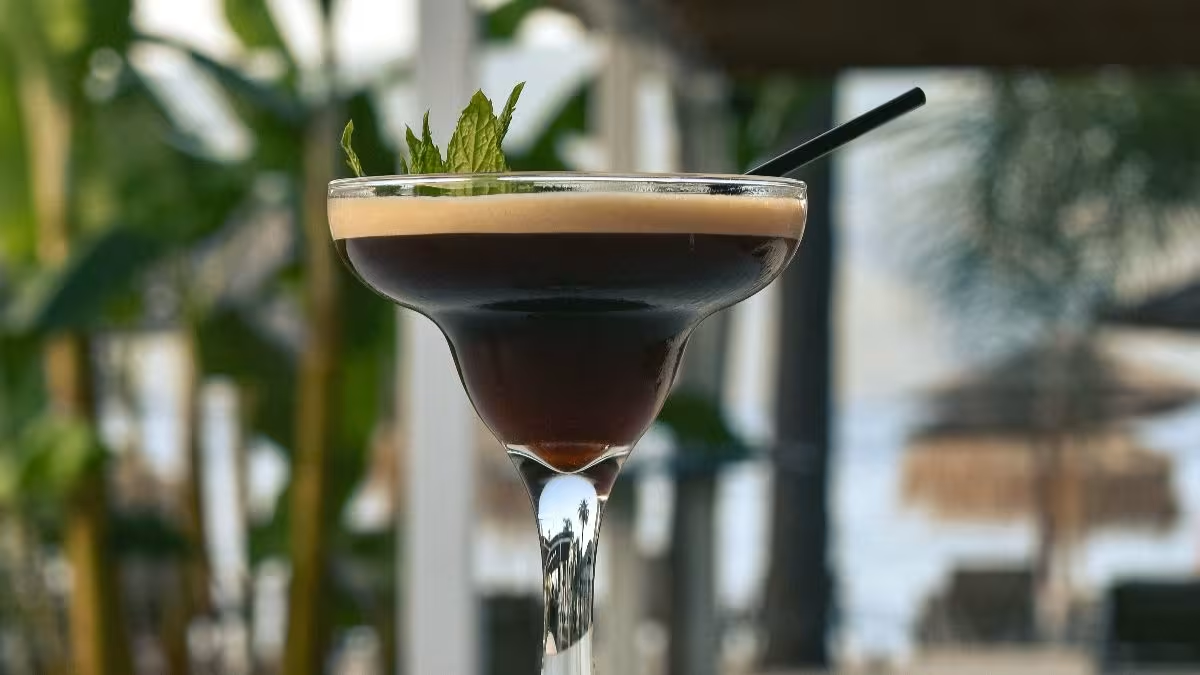
Mistake 3: Forgetting About Texture
Many people pay close attention to taste when creating drinks, but often don't consider texture. A prime example of this is the Espresso Martini cocktail; it is not only known for its taste (coffee notes), but also for the fact that it has a nice and thick foam layer.
Some non-alcoholic versions use fresh-brewed espresso and are shaken to create a foamed layer; if there is no aeration, the drink may lose part of what defines it. Mocktails can also benefit from using ingredients that help give body and texture, rather than tasting very thin or runny.
Mistake 4: Overlooking Dilution
When ice is used to chill a beverage, it will also dilute it, thus changing both the concentration of flavour and texture. When creating mocktail drinks, the absence of alcohol will amplify the negative effects of over-dilution. Also, drinks that have been shaken/stirred for an extended period of time will quickly lose prominence. Maintaining both ice management and controlled dilutions will allow for the definition of flavours to be preserved throughout the duration of the serve.
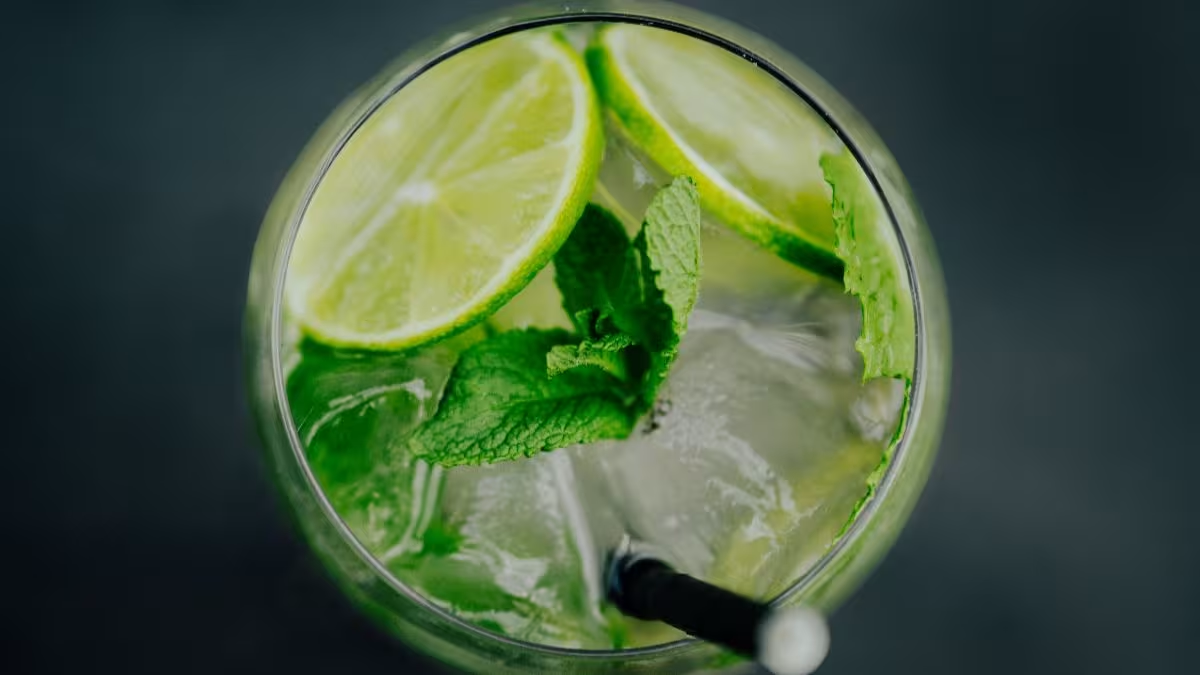
Mistake 5: Skipping Aromatics And Garnishes
How drinks smell is an important component when tasting beverages. In the case of the Mojito cocktail, the mint aroma adds value to the drink even before tasting it. The same can be said for the citrus from a Margarita cocktail and the aroma of coffee in an Espresso Martini cocktail. These aromatic components also provide pre-drink information regarding the type of drink you are about to consume.
While some mocktail drink recipes focus only on the liquid, aromatic components like fresh herbs, citrus zest, spices, and coffee garnishes will continue to reinforce the relationship between a mocktail and the classic cocktail it represents.
Conclusion
The key to making mocktail drinks taste like the original cocktail is more than just replacing alcohol with juice. Successful mocktail drinks will reflect the essential components of their original counterparts. As long as you account for flavour balance, texture, dilution and aroma, you can create non-alcoholic versions of classic cocktails and still have a beverage that is identifiable with the original.
*Drink Responsibly. This communication is for audiences above the age of 25.
FAQs:
Using fruit juice as the primary ingredient tends to result in juicy, sweet drinks without the balanced bitterness, structure and complexity of traditional cocktails.
You May Also Like




Drink Responsibly. This communication is for audiences above the age of 25.
Yash Lakhan


More from The Bar

Stay Inspired
Sign up to our newsletter for exclusive recipes, insider secrets and special offers - all delivered straight to your inbox.
