How To Make Cocktails At Home: Why Specific Gravity Matters In Layered Drinks

Introduction
When creating layered mixed cocktails at home, success depends more on an understanding of physics than on luck. And the key to layering is determined through the use of specific gravity. Confused? Then read ahead and understand how cocktails such as the Tequila Sunrise, B-52 cocktail, Irish Coffee, and more get visually appealing layers.
What Is Specific Gravity?
Specific gravity, also known as relative density, is a measure of the heaviness or lightness of a liquid compared to water. The two main factors that affect the density of liquids in cocktails are their amounts of sugar and alcohol. Ingredients with greater amounts of sugar tend to be denser than those with lesser amounts, and thus will settle to the bottom of the glass. Conversely, high-alcohol ingredients tend to be lighter due to their lower sugar content and float above the denser layers. This is why grenadine will be found at the bottom of many cocktails, while spirits that contain little or no added sugars will usually float on top.
Why Layered Cocktails Work
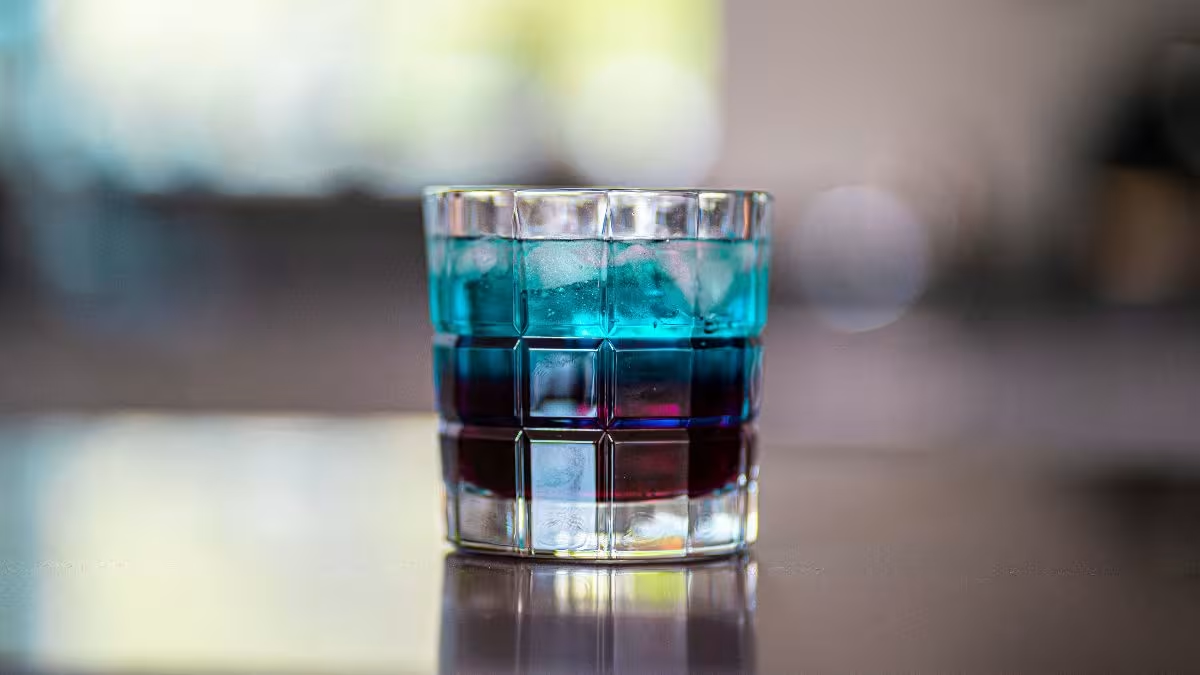
The foundation for layering cocktails is based on density differences. Bartenders create layered cocktails by pouring the densest liquid first and then building up with progressively lighter liquids. When a bartender carefully pours a layer, the layers will remain visually separated because of the different specific gravities of the liquids.
Classic examples include:
Pousse Café Cocktail – a traditional layered drink using multiple liqueurs stacked according to specific gravity.
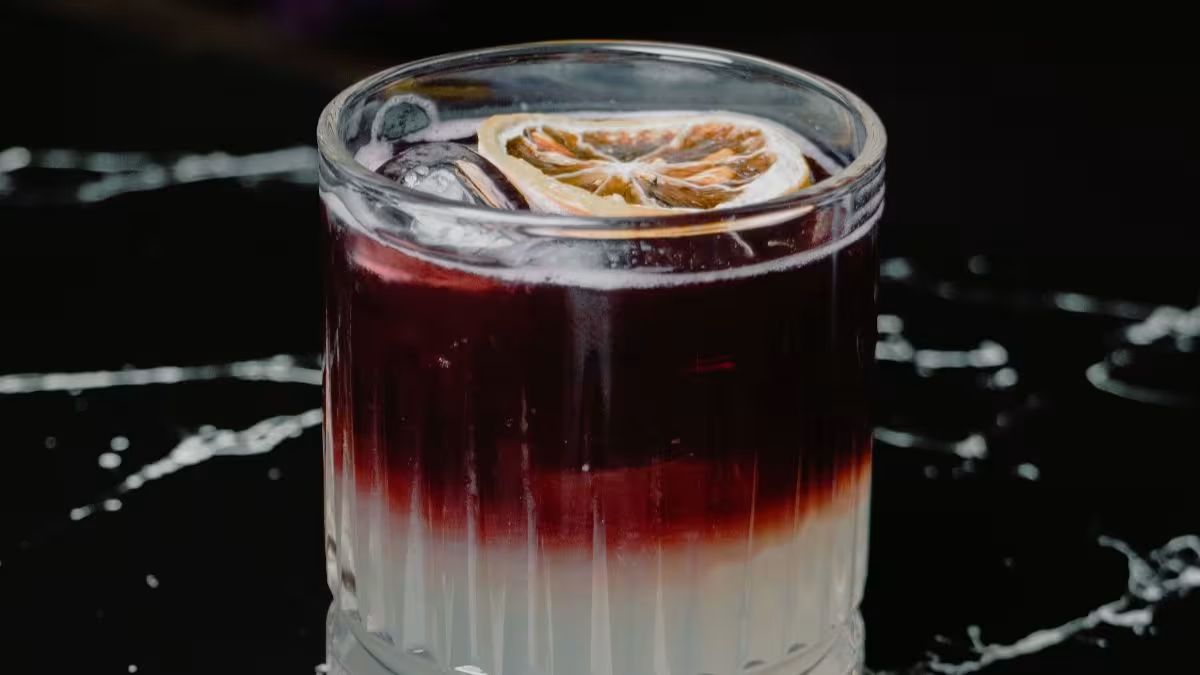
New York Sour Cocktail – a Whisky Sour cocktail finished with a red wine float.
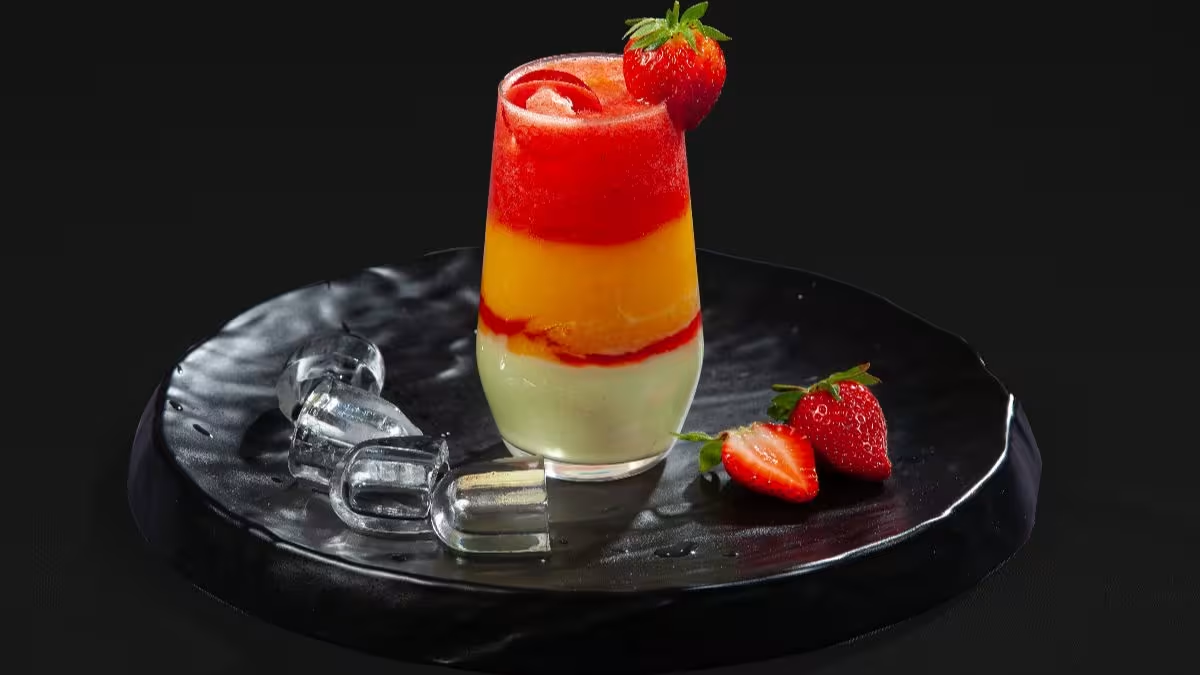
Tequila Sunrise Cocktail – where grenadine sinks through the drink, creating a layered appearance.
How To Make Cocktails With Clean Layers
Density is only part of a layered cocktail's success; technique also plays an important role.
A bar spoon is commonly used to slow down liquid movement when pouring ingredients. To use a spoon properly, pour gently over the back of the spoon. This will allow the incoming liquid to spread across the surface of the spoon instead of crashing onto the layer below it. This reduces the amount of mixing and maintains a visible separation.
Order in mixing layers is crucial. The first ingredient to pour should always be the heaviest; then, all the other ingredients will go one at a time from heaviest (at the bottom) to lightest (at the top). Many bartenders refer to specific-inpouring gravity charts for the order of ingredients before preparing their cocktails layer-by-layer.
Common Layering Mistakes
Several factors can disrupt a layered cocktail:
Pouring too quickly.
Using ingredients with very similar densities.
Ignoring sugar content when selecting layers.
Disturbing the glass immediately after pouring.
Building layers in the wrong order.
Another consideration is time. Most cocktail ingredients are mixed naturally. When an ingredient in a cocktail mixes, it eventually loses its distinct separation from the other ingredients. Therefore, a layered cocktail will eventually lose its distinct separation if it is not consumed within a reasonable time period.
Why Specific Gravity Matters In Mixed Cocktail Drinks
Bartenders can create multi-layered drinks only due to specific gravity, which provides contrast in colour as well as flavour when putting two or more different types of liquids (spirits, liqueurs, juices, or more) into one glass.
For example, if you were to layer a coffee liqueur on the bottom and then add a cream liqueur on the top, the coffee layer would give it a roasted sweetness, while the cream layer would provide richness, and the floating liquor could give it spices, fruits, or oak notes. When you understand how these types of liquor mix together based on their specific gravities, you can see how certain cocktails can be beautifully layered.
Conclusion
To build a perfectly layered cocktail, it is necessary to understand specific gravity. Once you understand how sugar and alcohol content affect density, you will be more successful at predicting where to put an ingredient. The key to successful layering is combining different types of liquids with proper pouring methods. The final product will have presentation and structure supported by science rather than guesswork.
*Drink Responsibly. This communication is for audiences above the age of 25.
FAQs:
Specific gravity measures the density of the liquid in relation to that of water. Therefore, it provides a means of determining whether an ingredient will sink or float.
You May Also Like






Drink Responsibly. This communication is for audiences above the age of 25.
Yash Lakhan


More from The Bar


Stay Inspired
Sign up to our newsletter for exclusive recipes, insider secrets and special offers - all delivered straight to your inbox.
