Cocktail Glasses Go Indian: 5 Indian Styles That Are Redefining Barware
Introduction
Indian craft can give cocktail glasses an entirely different personality. Instead of relying only on crystal, stems and polished finishes, Indian cocktail glasses can bring terracotta's earthy texture, brass's golden warmth, copper's burnished glow and silver's ceremonial character to the table. What makes these vessels compelling is the craft behind them: traditional materials, handmade detailing and familiar Indian forms turn an everyday serve into something visually distinctive. The result feels rooted, tactile and wonderfully suited to modern hosting, with various traditional glassware options, from kulhad to silver, that can swiftly move to serving as cocktail glasses:
Brand references are indicative and can be changed as per preference.
1. Kulhad
The simple kulhad is intimately connected with the concepts of chai and tea stalls. It has a terracotta surface that gives it a rough look and feel, while clay is a non-metallic material that conducts heat. You can use a small kulhad for a warm drink like masala chai, saffron tea, and a Hot Toddy cocktail. Small kulhads are particularly suited for warm cocktails because of their traditional association with the concept of hot drinks. The unglazed clay surface also gives an earthy odour to the drink, making it unique as compared to ordinary glass options.
2. Brass Glasses or Tumblers
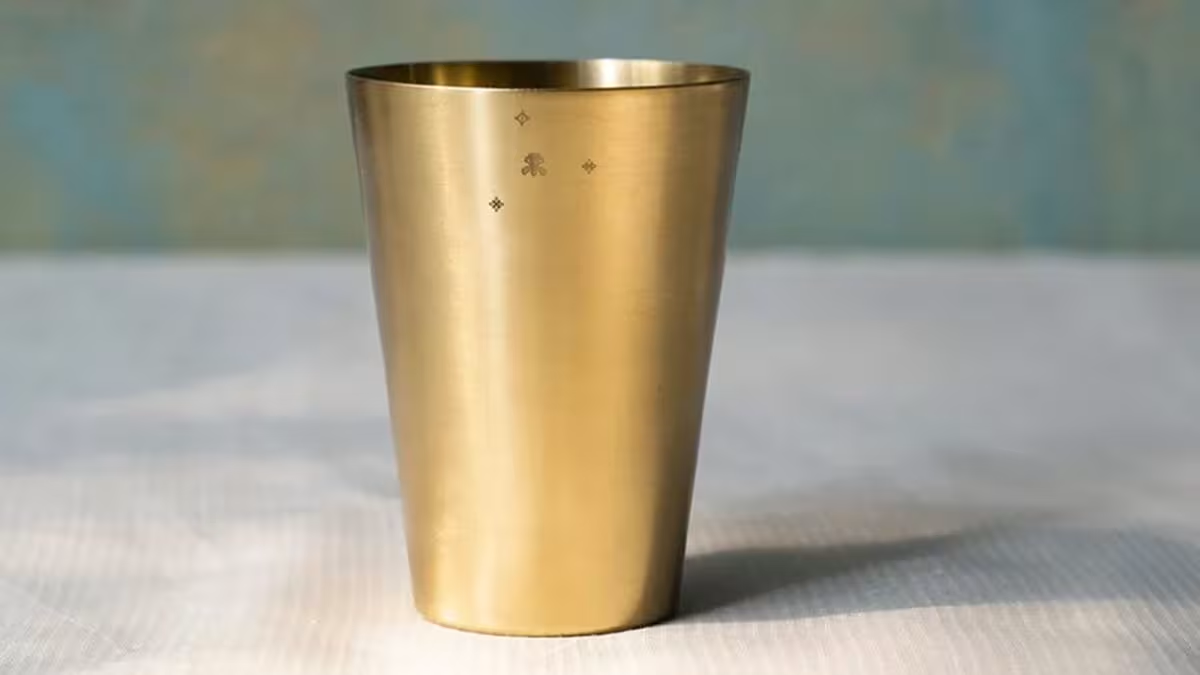
Brass glasses or tumblers are quite ceremonial in nature. They have a special appearance with their gleaming colour and weight. Brass still forms a major part of India’s culinary history, and UNESCO has recognised Thathera metalware as an authentic work of traditional art. Brass glasses, like tumblers, look especially gorgeous with golden and amber-hued drinks. For alcoholic drinks, one should use food-grade lined brass; copper-containing brass reacts with acidic foods and liquids. An option like the Madhu Glass from Singleton x Nicobar balances both, practical use and aesthetic value.
3. Copper Glass
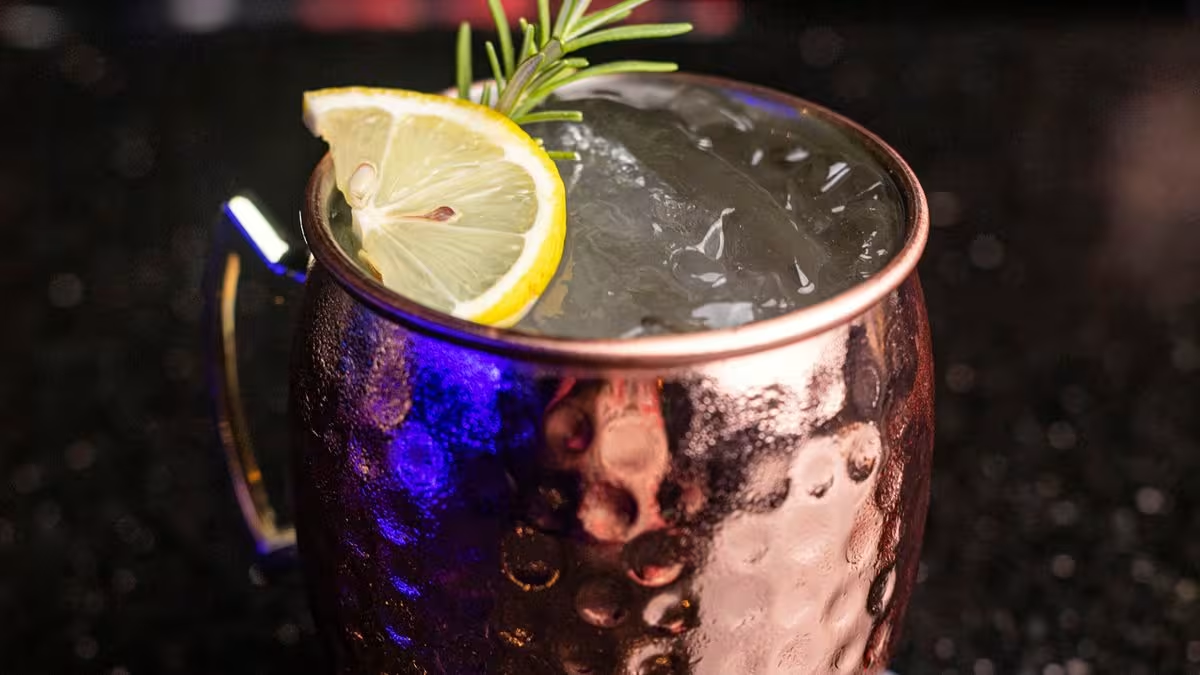
Copper has an eye-catching red-orange colour and a unique handcrafted feel. Tambat Ali, a historic artisan community and heritage neighbourhood located in Pune, has been making copper products for the past 400 years and is still known for making handmade copper utensils. Copper glasses look magnificent with drinks made from citrus fruits or tropical ingredients, but one should not serve acidic cocktails in unlined copper containers. It is important to select a lined vessel. Copper works great when it is both functional and visually appealing. The famous Moscow Mule cocktail is known for using a copper mug as its serving vessel.
4. Kansa
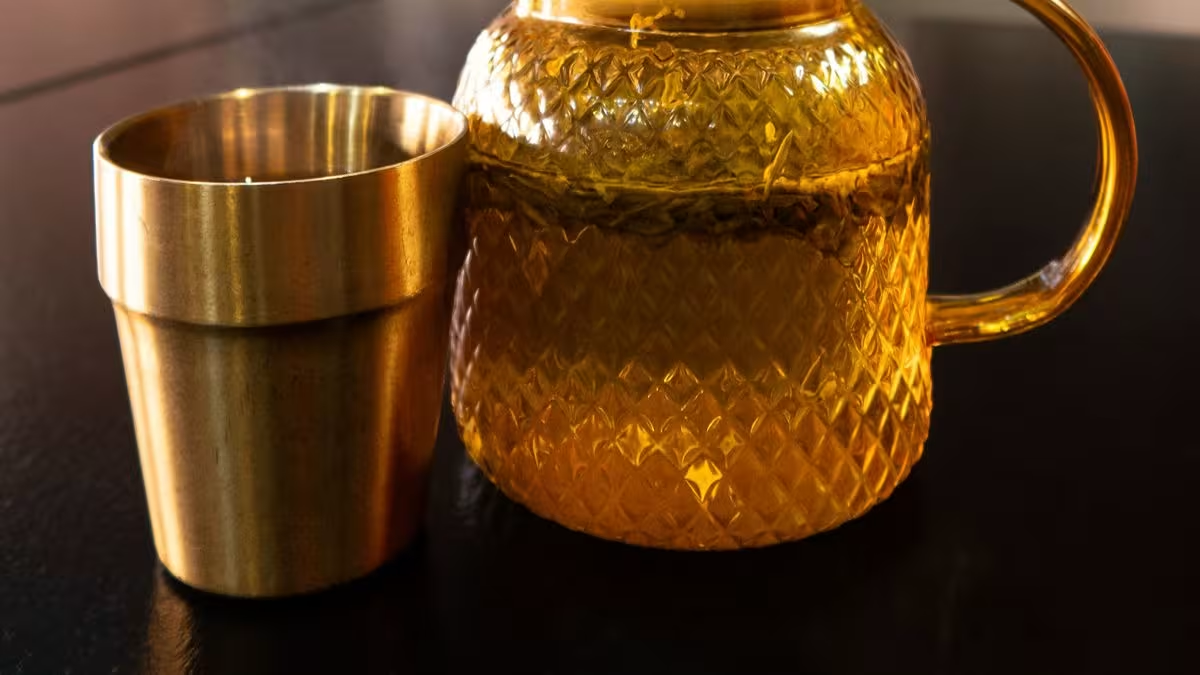
Kansa, which is a conventional copper-based alloy, boasts a softer and muted metallic appearance in comparison with polished brass. Kansa has been used in crockery for decades and is still being used today in modern cooking and dining. This material is perfect for those who uphold traditional values of cooking since its muted surface matches well with heritage-style tables. Combine kansa with darker beverages or warm drinks as its subtle finish adds texture to the table. Kansa suits tables that require texture rather than shimmer, making it one of the types of drinking glass to consider.
5. Silver Glass
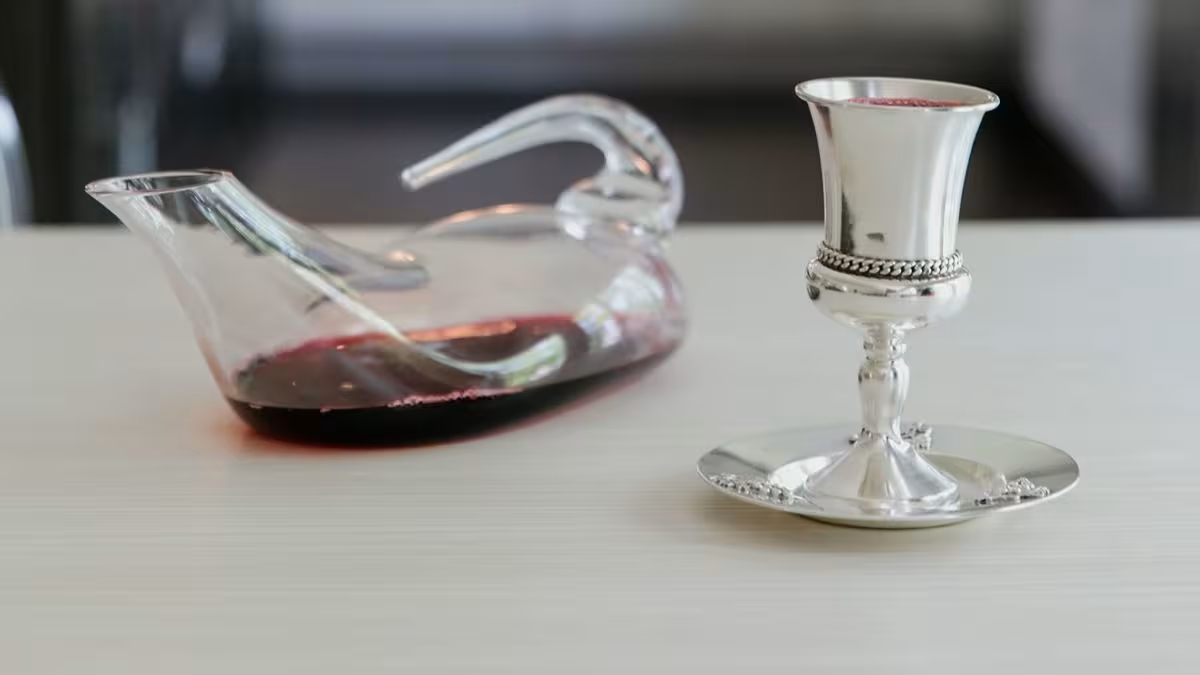
Silver has an intrinsic ceremonial vocabulary. The history of silverware across the world and in India has linked silver vessels to royalty. A silver glass can serve as a cocktail glass which becomes a part of festive dinners, weddings, and Diwali tables since the drink is clear in appearance. The reflective surface makes a plate take in the light from the surroundings and makes drinks look included in the composition of the table.
How Do You Choose Among These Types Of Drinking Glasses?
Let the drink, temperature and occasion guide you:
Rustic and warm: kulhad for chai, spiced teas and warm serves.
Golden and festive: brass for appropriate non-acidic servings.
Copper-coloured and contemporary: lined copper for appropriate cocktails.
Artisanal and muted: kansa for heritage-based tables.
Celebratory and formal: silver for sophisticated, visually simple drinks.
When selecting cocktail glasses, do not disregard traditional Indian vessels as similar objects. Shape plays a role in the drink, while material and history are important in making the table. Good drinkware must connect to the served drink instead of being placed next to it.
Conclusion
The right drinkware does more than contain liquid: it lends the table an aesthetic character. Thanks to Indian craft, this is very easy, since every vessel contains its own visual language. Terracotta, brass, copper, kansa, and silver use different presentations to achieve this effect. From humble to formal occasions, the right vessel can integrate cultural elements into modern table setups. While using these glasses correctly produces a beautiful presentation, consideration and respect for culinary safety should be maintained throughout the process.
*Drink Responsibly. This communication is for audiences above the age of 25.
FAQs:
There is no best option. Kulhads work best with rustic setups, while brass, copper, kansa, and silver have other degrees of warmth, texture, and formality.
You May Also Like


Drink Responsibly. This communication is for audiences above the age of 25.
Yash Lakhan


More from The Bar


Stay Inspired
Sign up to our newsletter for exclusive recipes, insider secrets and special offers - all delivered straight to your inbox.
