Zero-Waste Cocktails Are On The Rise; Here Are 5 Tips To Craft Them

In a move towards a more ecologically conscious mixology, many contemporary mixologists and bartenders are experimenting with zero-waste cocktails, or drinks that put to use every last bit of fruits, veggies or other mixers that are commonly used for blending. While at first glance this seems like just a sustainable way of approaching cocktail craft, dive deeper and what comes to light is that this is also a process which leads to the creation of very vibrant and rather versatile mixes.
So, many times, crafting zero-waste cocktails involves reinventing every stem, peel or leftover fruit pulp to prepare drinks with layered and deep flavours. From crafting citrus peel syrups to brewing shrubs from leftover kitchen scraps, there are numerous ways of going about using leftover ingredients from culinary and bartending spaces to craft cocktails.
Read on below to know more about some of the ways in which such citrus peels, herb stems or other veggie or fruit residue can be used creatively in the making of zero-waste cocktails at home:

Reinventing Citrus Peels
One of the most basic steps towards zero-waste bartending is to reuse and restyle citrus peels in ways that they can be added to cocktails as creative flavour accents. This means lemon or orange peels can be turned into a bright and syrupy oleo saccharum or citrus sugar by muddling them with the sweetener. Stored in mason jars, oleo saccharum can be used to garnish cocktails or accentuate them with sweet, tangy and slightly tart flavours, effectively using leftover fruit peels that would otherwise wind up in the waste bin.

Kitchen Scrap Brews
A clever way of putting kitchen scraps to use is by brewing them into teas, shrubs or cordials. Everything from leftover tea leaves to herbal residue to fruit cores can be steeped in simple syrup or even neutral alcohol to craft ciders, aromatic teas or brews that can accentuate tropical cocktails. For instance, pineapple cores can be turned into tepache or a tropical syrup which can build fruity flavours in classic piña coladas. Another hack is to turn mint stems into herbal teas or syrupy concoctions which can lace gin and tonics or vodka and sodas with their subtle flavours. Apple peels can also be steeped in water or in cider to craft a fruity, flavourful mixer that accentuates whisky cocktails.

Double-Duty Garnishes
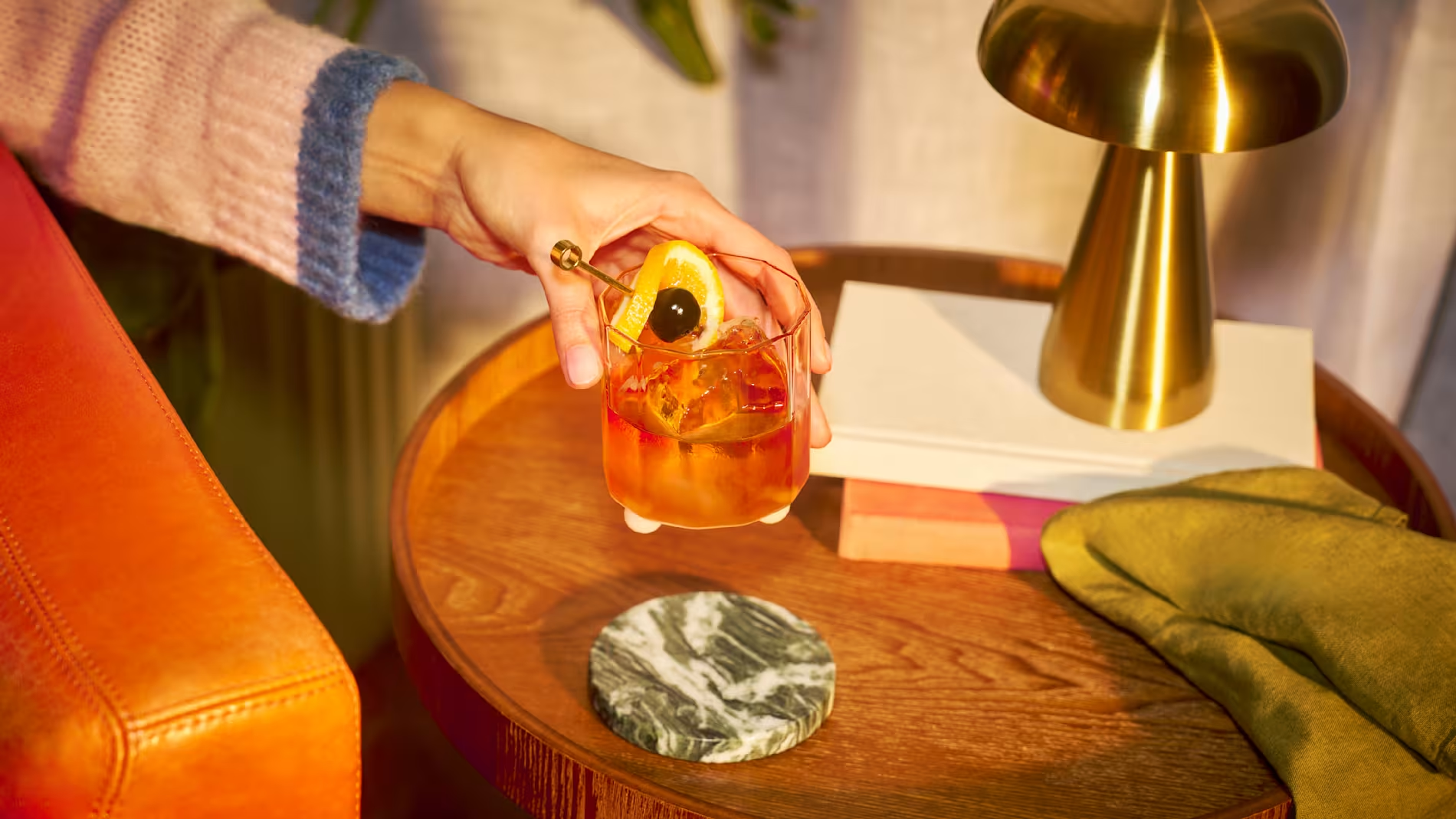
Garnishes are used to adorn drinks with an artsy quality just as much as they are used for lending the finishing flavour touches to blends. Leftovers can work as double-duty garnishes while practicing zero-waste bartending primarily because of a pronounced flavour that peels or pulp embodies. So, instead of buying garnishes, go for carrot tops, basil stems or cucumber ends that would introduce their flavours into cocktails while elevating their presentation. Other ingredients like edible flowers or leftover fruits can be frozen to create colourful adornments which lend drinks a bright pop.

Frozen Fruits
When fruits overripe, instead of tossing them out, try to incorporate them creatively in mixology. This can be a step towards practicing zero-waste bartending as it involves taking ingredients like overripe grapes or berries and reinventing them into a creative element like frozen fruity ices which build flavour into cocktails while keeping them chilled. Place these overripe fruits in ice trays and fill them with water to craft artsy ice cubes that can be used to garnish spritzers and highballs, or can be added to smoothies and daiquiris for infusing a fruity flavour into them.

Cyclical Ingredient Use
While this has got more to do with the processes involved in the practice of zero-waste bartending, it nonetheless involves working with many reinvented cocktail ingredients. Whatever residue is left behind after crafting one cocktail can be turned into a shrub, a cordial, a garnish or an ice cube which can in effect be utilised to craft another cocktail. This cyclical use ensures that every ingredient finds a spot in mixology craft over a sustained period of time.
Drink Responsibly. This communication is for audiences above the age of 25.
Aishwarya S

More from The Bar


Stay Inspired
Sign up to our newsletter for exclusive recipes, insider secrets and special offers - all delivered straight to your inbox.
